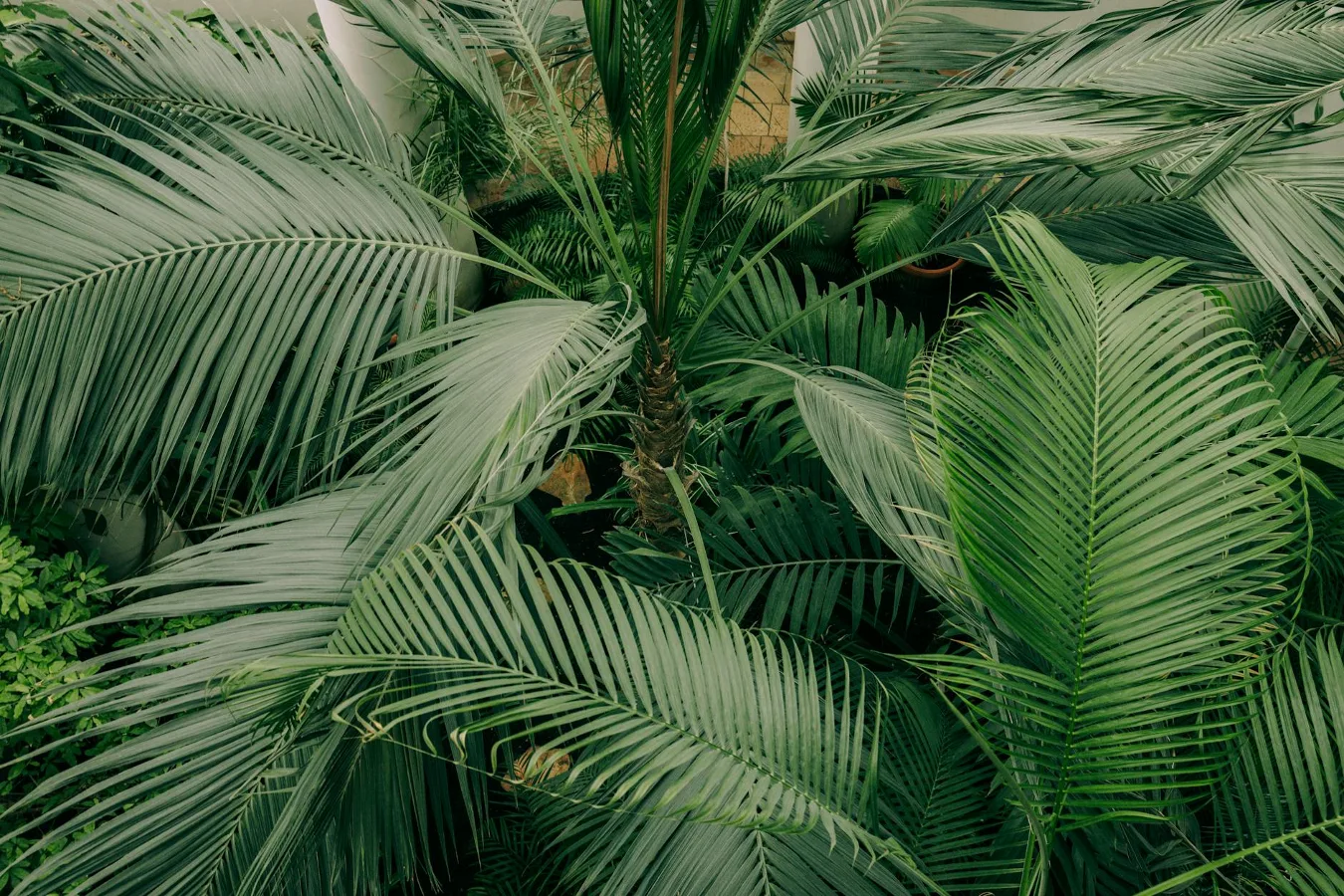
If your majesty palm is looking stressed indoors, a humidifier can help when dry air is part of the problem. It is most useful in homes with low humidity, especially during heating season or in rooms where the air feels notably dry. The goal is not to saturate the plant, but to create steadier moisture in the surrounding air so the palm is less likely to develop crisp tips, browning edges, or a generally tired look.
A good humidifier for a majesty palm is usually one that produces cool mist, runs consistently, and fits the size of the room rather than blasting moisture directly onto the leaves. In many homes, the best choice is less about a special plant-only model and more about finding a reliable room humidifier that helps maintain comfortable indoor humidity without making the area damp. best air purifier for mold offers more detail on this point.
When a humidifier matters for majesty palm care
Majesty palms are often treated like typical houseplants, but they are much more sensitive to indoor dryness than many beginner plants. A humidifier matters most when the air in your home is dry enough that the palm’s fronds cannot keep up with moisture loss.
Signs that humidity may be part of the issue include:
- Brown or crispy leaf tips
- Fronds that dry out faster than expected
- Leaves that look a little ragged even when watering seems correct
- More stress during winter, when heating systems dry indoor air
A useful nuance: brown tips do not always mean low humidity. Overwatering, inconsistent watering, mineral-heavy tap water, poor drainage, salt buildup, or too much direct sun can all contribute. A humidifier helps only if dry air is actually part of the problem. That is why it works best as one part of a broader care routine, not as a cure-all.
What to look for in a humidifier for majesty palm
For plant care, the best humidifier is usually the one that fits your space and your habits. A high-end model is not automatically better if it is too large, too hard to clean, or too noisy to run regularly.
1. Cool mist over warm mist
Cool mist is generally the safer, more practical choice around houseplants. It adds moisture without introducing heat near foliage. Warm mist units may be less convenient in plant spaces and are usually unnecessary for this use case.
2. Consistent output over dramatic output
Majesty palms tend to do better with steady ambient humidity than with occasional heavy misting. A humidifier that can run in a predictable way is more useful than one that creates short bursts of damp air and then turns off for long stretches.
3. Easy cleaning
Any humidifier that holds water will need regular cleaning. This matters for plants because a neglected unit can develop mineral buildup or microbial growth. If maintenance feels inconvenient, the humidifier is less likely to stay in use, and consistency is what the palm needs most.
4. Room size fit
A small unit may be fine for a compact plant corner. A larger room or open living space often needs a unit with enough capacity to influence the air around the palm. The key is coverage, not over-humidifying one leaf cluster while the rest of the room stays dry.
5. Simple controls
For plant care, straightforward controls are often better than complicated settings. A model that is easy to refill, easy to clean, and easy to run every day is usually the most practical buy.
Step-by-step: how to choose the right setup
If you are trying to decide whether to buy a humidifier for your majesty palm, use the following criteria in order. This keeps the decision grounded in real conditions instead of product hype.
- Check whether dryness is actually the issue. Look at watering habits, light exposure, pot drainage, and the pattern of browning. If the plant is overwatered or root-stressed, a humidifier will not fix that.
- Think about the room first, not just the plant. A humidifier works on the surrounding air. If the palm lives in a dry bedroom, office, or heated living room, room-level humidity matters more than spot misting.
- Choose cool mist and easy cleaning. This is the most practical combination for most indoor plant setups.
- Match the unit to the space. A plant near a single desk may need less output than a palm in a larger room with HVAC airflow.
- Plan for regular use. If the humidifier is awkward to refill or clean, it may sit unused. A simple device used consistently is usually more effective than a complex one used occasionally.
- Place it thoughtfully. Keep mist directed into the room, not straight at the plant’s crown or leaves.
Placement matters more than many buyers expect
One overlooked consideration is that a humidifier can help or hurt depending on where you put it. Too close, and the palm can stay wet on the surface without improving the room around it. Too far, and the plant may not benefit much at all.
A practical approach is to place the humidifier where it can influence the local air without soaking the foliage. Aim for gentle circulation in the room. If the mist is condensing on windows, shelves, or nearby furniture, the output may be too high for the space.
This is also where a common misconception shows up: misting the leaves is not the same as humidifying the room. A quick mist can briefly wet the foliage, but it does not create the stable background humidity that a majesty palm usually needs indoors.
Benefits and limitations of using a humidifier
What a humidifier can help with
- Reduces stress from dry indoor air
- May help limit crispy tips caused by low humidity
- Supports better conditions during heating season
- Can improve the environment for other tropical houseplants nearby
What it cannot do
- Fix root problems
- Reverse sun scorch
- Correct inconsistent watering
- Replace good drainage or proper potting mix
- Guarantee perfect fronds if the plant is otherwise stressed
That balance matters. A humidifier is a useful tool, but it works best when the rest of the care routine is solid. If the plant is already struggling from poor drainage or inconsistent watering, humidity alone may not change much.
Examples of practical buyer choices
Different homes call for different solutions. These examples can help you match the humidifier to the actual use case.
For a small apartment plant corner
A compact cool mist unit with simple controls is usually enough. The goal is to make the nearby air less dry without turning the room damp.
For a dry bedroom with one majesty palm
A quiet humidifier may matter more than a large-capacity model. If it is too noisy, you may not run it consistently. Consistency is more important than maximum output.
For a larger living room with several tropical plants
It may make sense to choose a unit that can support a broader area, especially if the room has forced-air heat or strong airflow from vents. In this kind of setup, the humidifier is supporting the whole microclimate, not just one palm.
For someone who travels or forgets maintenance
Pick a model that is easy to refill and clean. A humidifier that is inconvenient to maintain is more likely to sit unused, which defeats the purpose. If regular upkeep feels unrealistic, another humidity strategy may be better.
Common mistakes to avoid
- Using a humidifier as a substitute for watering care. The plant still needs proper moisture at the roots.
- Placing the humidifier too close to the leaves. Direct moisture can create surface wetness without improving the room environment.
- Ignoring mineral buildup. Hard water can leave residue inside the humidifier and around the room.
- Choosing a unit that is too difficult to clean. Convenience affects whether you will keep using it.
- Assuming humidity is the only cause of browning. Diagnose the whole care setup before changing everything at once.
- Trying to make one plant thrive in a dry, hot airflow path. Vent placement and room conditions can undermine even a good humidifier.
Helpful alternatives and complements
If a humidifier is not the best fit, or if you want to support humidity more gradually, there are a few practical alternatives. These can also work alongside a humidifier.
- Group plants together to create a slightly more humid microclimate.
- Use a pebble tray under the pot, with the pot elevated above standing water.
- Move the palm away from vents, radiators, or drafty windows that dry the air.
- Improve watering consistency so the root ball is neither constantly wet nor allowed to dry out too much.
- Check water quality if leaf tips keep browning and mineral buildup may be a factor.
These approaches are not identical to a humidifier, and they will not always be enough on their own. Still, they can reduce stress and make a humidifier more effective if you decide to use one.
Simple checklist before you buy
- Is the room actually dry enough to justify a humidifier?
- Is the majesty palm showing symptoms that fit low humidity?
- Would a cool mist model be the safest, easiest choice?
- Can you clean and refill it regularly?
- Will it fit the room size and your daily routine?
- Can you place it so the mist supports the room without wetting the leaves?
- Have you ruled out watering, drainage, and light issues?
FAQs
Should I use a humidifier every day for a majesty palm?
Daily use can make sense if your indoor air is consistently dry, especially in winter. The better question is whether the room needs steady humidity rather than occasional bursts.
Is misting enough instead of a humidifier?
Usually not. Misting can briefly wet the leaves, but it does not create the stable surrounding humidity that a majesty palm prefers indoors.
What type of humidifier is best for a majesty palm?
A cool mist humidifier is usually the most practical choice. Look for one that is easy to clean, easy to refill, and appropriate for the room where the plant lives.
How do I know if the humidifier is helping?
Watch the overall condition of the fronds over time. If the air was too dry, you may see fewer crispy tips and less ongoing stress. If symptoms continue, the cause may be something else in the care routine.
Can too much humidity hurt a majesty palm?
Excess humidity can become a problem if it leads to stagnant air or damp surfaces around the plant. The goal is comfortable ambient moisture, not a wet environment.
A humidifier for a majesty palm is most useful when you treat it as a room-condition tool, not a quick fix. Start by identifying whether dry air is truly part of the problem, then choose a simple cool mist model that fits your space and your routine. If you pair that with sound watering, drainage, and placement, you give the palm a much better chance of staying healthy indoors. Health guide offers more detail on this point.
