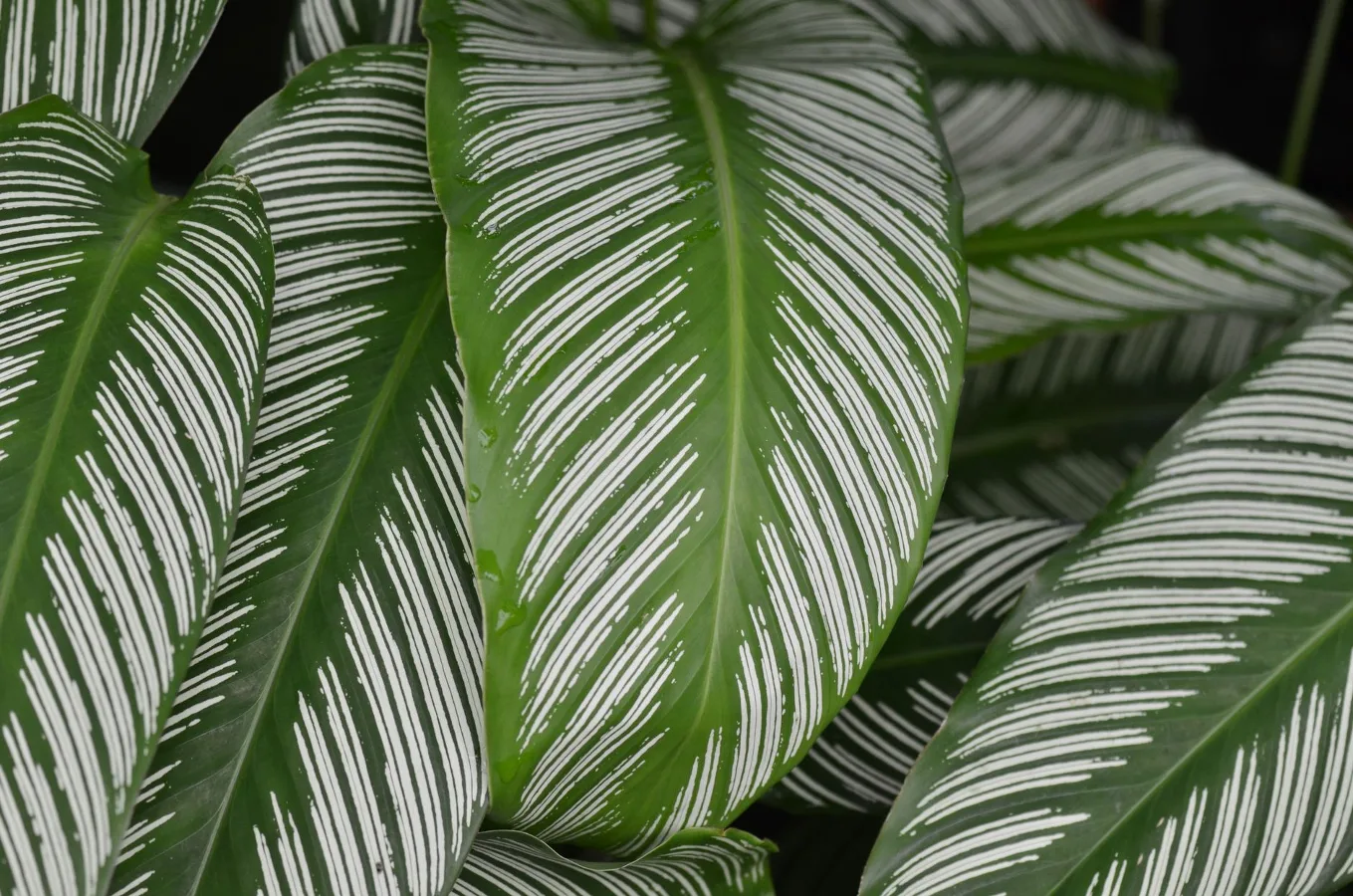
If your calathea is getting crispy edges, rolled leaves, or a generally tired look, a humidifier is often the most practical fix. The best humidifier for calathea is usually a quiet cool-mist model that can run steadily in the room, not just a tiny device aimed at one leaf cluster. That matters because calathea responds better to consistent ambient humidity than to occasional misting. best humidity tips for houseplants offers more detail on this point. choosing a humidifier for your bedroom offers more detail on this point.
Choosing the right humidifier is less about chasing a specific brand and more about matching the device to your space, your routine, and how sensitive the plant is to dry air. A good setup should raise humidity without making the room damp, noisy, or high-maintenance.
When a humidifier actually matters for calathea
Calathea, along with closely related prayer plants like maranta, tends to prefer more humid indoor conditions than many common houseplants. In dry rooms, especially during winter heating or in air-conditioned spaces, the plant may show stress through leaf curling, brown margins, or leaf edges that feel papery.
A humidifier becomes especially useful if your plant sits near a vent, heater, sunny window with dry air, or anywhere room humidity drops for long stretches. It is also more helpful when you keep multiple tropical plants together, since the added humidity benefits the whole group rather than just one pot.
A common misconception is that misting alone can replace a humidifier. Misting may give a short-lived surface boost, but it usually does not change the air around the plant for long enough to matter. For calathea, the steadier environment is the real advantage.
What to look for in a humidifier for calathea
The right humidifier depends on how you use it. For most plant owners, these are the features that matter most.
1. Steady humidity output
Look for a humidifier that can maintain a consistent level through the day or night. Calathea generally benefits more from stable conditions than from dramatic humidity spikes. A unit with adjustable output gives you more control when the room already has some moisture.
2. Cool mist rather than warm mist
Cool-mist humidifiers are usually the safer, more practical choice for houseplants. They add moisture without introducing heat, which makes them a better fit for plants placed in normal living spaces. Warm-mist models are less common for plant-focused use because the heat is unnecessary for humidity and may be less convenient around foliage, shelving, or nearby décor.
3. Room size match
One of the biggest mistakes is buying a humidifier that is too small for the space. A compact unit may be fine for a shelf nook or desk corner, but it will not meaningfully affect a larger bedroom or living room. For calathea, it is usually better to humidify the room or the plant group zone rather than trying to micro-target a single leaf.
4. Easy cleaning
Humidifiers need regular cleaning. If the tank, base, or mist path is difficult to access, mineral buildup and residue can become a hassle. For plant use, ease of cleaning matters because a neglected humidifier can become less effective and more unpleasant to run. Simple designs are often easier to live with than feature-heavy ones.
5. Adjustable controls or a humidistat
A built-in humidistat or at least multiple output settings can help you avoid overdoing it. Calathea likes higher humidity, but the room should still feel comfortable for people and safe for walls, furniture, and nearby electronics. A control system helps you find the middle ground instead of guessing.
6. Quiet operation
If the humidifier will run near a bedroom, office, or reading corner, noise matters. A quieter unit is easier to use consistently, and consistency is what helps most with moisture-loving plants.
Step-by-step: how to choose the right one
Use this simple decision path if you are comparing models for calathea care.
- Start with the room size. Decide whether you need a small unit for a plant shelf, a medium unit for a bedroom, or a larger humidifier for a shared living space.
- Choose cool mist. For calathea, this is the most straightforward option for everyday use.
- Prioritize stable output over flashy features. A reliable setting is more useful than app controls you may never use.
- Check how easy it is to clean. If daily or weekly maintenance feels awkward, the humidifier may not get used consistently.
- Think about placement. The best humidifier is only helpful if the mist can disperse into the room rather than blasting directly at leaves.
- Match it to your routine. If you travel often or forget to refill small tanks, a slightly larger and simpler model may be the better fit.
Placement matters as much as the humidifier itself
Where you place the humidifier can change the results more than the model name on the box. Calathea should not be directly hit with a strong stream of mist. That can leave water spots, encourage overly wet leaves, or create uneven moisture around the plant.
Instead, place the humidifier nearby so the moisture disperses through the room. A reasonable distance away from the plant often works better than direct aim. The goal is ambient humidity, not a wet leaf surface.
Also pay attention to airflow. If the humidifier sits right next to a fan or vent, the moisture may disperse too quickly or drift away from the plant. A calmer corner of the room is often more effective.
Humidifier types: which ones make sense for calathea?
Not every humidifier style is equally convenient for plant care. These are the common options and how they compare in practice. how to care for calathea indoors offers more detail on this point.
| Type | Why it can work | Possible drawback |
|---|---|---|
| Ultrasonic cool mist | Quiet, easy to use, common for bedrooms and plant corners | May create white dust if used with hard water |
| Evaporative humidifier | Self-regulating to a degree and often good for room-wide humidity | Can be bulkier and may need regular filter replacement |
| Small desk humidifier | Useful for a single plant shelf or compact area | Often too limited for a whole room |
| Warm mist | Raises humidity with heated steam | Usually less practical for plant-focused use |
For most calathea owners, ultrasonic cool mist or evaporative room humidifiers are the most practical choices. The better option depends on whether you value quiet operation, simpler upkeep, or broader room coverage.
Common mistakes with calathea humidifiers
Some humidity problems are not caused by low humidity alone. A few setup errors can make a good humidifier seem ineffective.
- Buying too small a unit for the room, then expecting one plant corner to change the whole space.
- Pointing mist directly at the leaves instead of humidifying the surrounding air.
- Skipping cleaning, which can reduce performance and make maintenance unpleasant.
- Using misting as the main strategy and assuming it will replace a real humidity source.
- Placing the plant near a heat register, where dry air keeps undoing your efforts.
- Overhumidifying the room, which can make the space uncomfortable and create a different set of problems.
Another overlooked issue is inconsistency. Calathea often does better with a routine setup than with occasional humidity bursts. If you only run the humidifier now and then, the plant may still respond with stress.
Useful alternatives if you do not want a humidifier
A humidifier is not the only way to support calathea. Depending on your home, a few alternatives may help, especially if the plant lives in a naturally moister room.
Group plants together
Placing tropical plants near one another can create a slightly more humid microclimate around the foliage. This is modest support, not a replacement for a humidifier, but it can help when conditions are only mildly dry.
Use a pebble tray carefully
A pebble tray can add a bit of localized moisture around the plant, but the effect is limited. It works best as a small assist rather than the main humidity solution.
Move the plant to a better room
Sometimes the simplest fix is location. A bathroom with decent light, a kitchen, or a less drafty room may naturally suit calathea better than a dry bedroom or heated living room.
Reduce drying stress
Keep the plant away from vents, sudden temperature changes, and hot sun that can make leaf stress worse. Even a good humidifier may struggle if the plant is in an aggressively dry spot.
Checklist before you buy
- Does the humidifier fit the size of the room or plant area?
- Is it cool mist rather than warm mist?
- Can you adjust output without fuss?
- Is it easy to refill and clean?
- Will it run quietly enough for daily use?
- Can you place it so mist reaches the room, not the leaves directly?
- Will it support only one plant, or several tropical plants in the same area?
- Does it fit your maintenance habits realistically?
If the answer to several of these is no, the model may look good on paper but be annoying in everyday use. For calathea, practical reliability usually beats extra features.
FAQ
What kind of humidifier is best for calathea?
A quiet cool-mist humidifier is usually the best fit. It is practical for indoor plant care, easy to place in a room, and better suited to steady humidity than occasional misting.
Should I run a humidifier all day for calathea?
That depends on your room conditions and the unit’s settings. The goal is consistent humidity, not constant saturation. A lower, steady setting may be enough in many homes.
Can I use a small humidifier for one calathea?
Yes, if the plant is in a small enclosed area or plant shelf. For a larger room, though, a tiny unit may not make a noticeable difference.
Is misting the plant enough instead of a humidifier?
Usually not. Misting is short-lived and does not change the room’s air moisture for long. A humidifier is more effective for ongoing humidity needs.
How close should the humidifier be to the plant?
Close enough to help the surrounding air, but not so close that mist hits the leaves directly. Nearby placement with gentle dispersion is usually the safer approach.
Final buyer’s takeaway
If you are shopping for a humidifier for calathea, focus on consistency, quiet operation, easy cleaning, and the right room size. The best model is usually the one you will actually run and maintain regularly. For most homes, that means a cool-mist humidifier placed nearby, not aimed at the leaves, with enough capacity to affect the air around the plant.
Calathea care is often about reducing stress rather than chasing a perfect number. A thoughtfully chosen humidifier, paired with sensible placement and routine upkeep, can make a noticeable difference without adding much complexity to your plant care.
