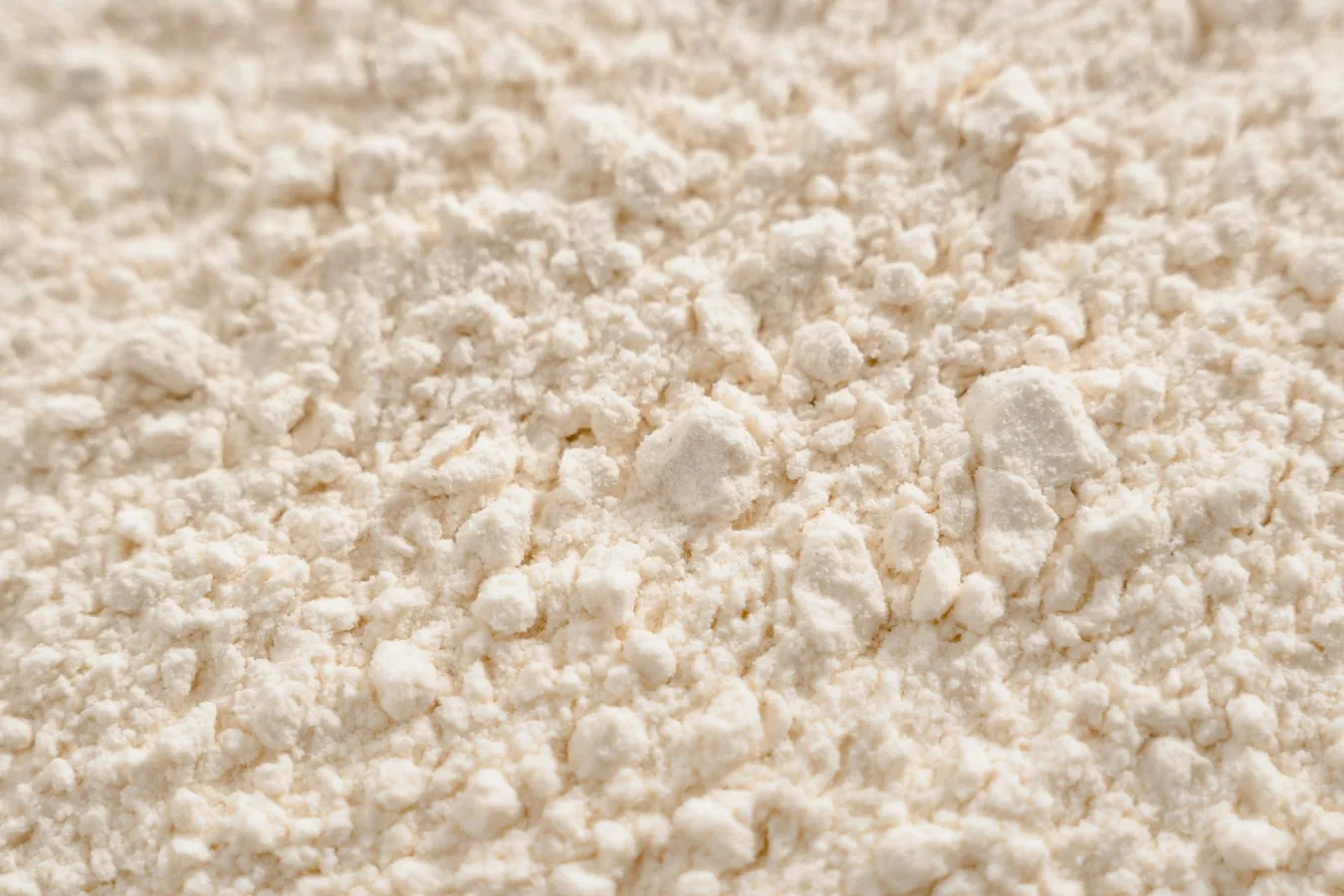
Who Unjury Protein Powder Is For
Unjury protein powder is usually considered by shoppers who want a protein supplement with a more focused nutrition purpose than a typical gym-style powder. It often comes up in situations where protein intake matters more than bulk, such as recovery-focused eating plans, bariatric nutrition, or other routines where a simple shake is easier to tolerate than a full meal.
For many buyers, the appeal is not just “more protein.” It is the combination of convenience, a straightforward ingredient profile, and options that may be easier to work into a limited diet. If you are comparing protein powders for general fitness, this product family may feel more specialized than necessary. If you are shopping for a specific nutrition goal, that specialization can be the point. protein powder in keto diet offers more detail on this point.
The key question is not whether it is a good protein powder in the abstract. The better question is whether it fits your diet, your taste preferences, and your tolerance for the texture, sweetness, and serving style of a medical-leaning supplement.
The Main Trade-Off: Purpose-Built vs. Flexible
Unjury protein powder is best understood as a targeted supplement rather than a universal protein solution. That has advantages and limits.
What works in its favor:
- It is designed for people who care about protein intake as part of a specific nutrition plan.
- It may be easier to use in routines where portion control matters.
- It can be more practical than trying to force a standard sports shake into a recovery or post-op diet.
What to think about carefully:
- It may not be the best value if you simply want the cheapest way to add protein.
- It may feel too specialized if you want a powder for smoothies, baking, and general household use.
- Taste and texture preferences vary a lot with protein supplements, so a product that works well for one person may be a poor fit for another.
That trade-off matters because buyers sometimes assume a specialized protein powder is automatically better. In reality, the best choice is the one you can use consistently without fighting the flavor, mixability, or serving format.
Ingredient and Formula Factors Worth Checking
Before buying any protein powder, the ingredient panel deserves more attention than the front label. That is especially true for a product like Unjury, where the use case may be more specific than casual supplementation.
Protein source
Start with the source of protein. Whey-based powders are common in this category, but buyers should still check whether the formula is the right type for their dietary needs. People with lactose sensitivity, milk allergy concerns, or other dietary restrictions need to look beyond the protein claim and review the full ingredient list carefully. how to compare whey protein supplements offers more detail on this point.
Flavor system and sweetness
Some protein powders are built around dessert-like flavors, while others are meant to be more neutral or easier to blend into savory or lightly flavored recipes. A product line that includes flavored and unflavored options can be useful if you want flexibility. The downside is that “more options” does not automatically mean the right option for you. A lightly sweet shake may be perfect for one person and cloying for another.
Mixing behavior
Mixability matters more than many buyers expect. A powder that clumps, foams, or leaves a chalky aftertaste can become a daily annoyance. This is especially relevant if you need a drink that fits into a strict routine or limited meal plan. If you are choosing between similar products, how the powder dissolves in water, milk, or another permitted liquid may matter as much as the protein total.
Added ingredients
Look at what else is in the formula besides protein. Some buyers want a simple product with minimal extras. Others want ingredients that improve flavor or texture. Either preference is valid, but added ingredients can affect how the powder fits into a medical, low-sugar, or restricted diet. If you are managing a sensitive stomach or a narrow ingredient list, simplicity usually helps.
Buyer Scenarios: Which Type of Shopper It Fits Best
Unjury protein powder tends to make the most sense for a few common buyer profiles.
1. The post-surgery or recovery-focused buyer
Someone following a recovery plan often needs protein in a form that is easy to portion, easy to digest, and simple to prepare. In that case, a specialized protein powder may be more useful than a mainstream fitness shake. choosing a protein powder for recovery offers more detail on this point.
2. The cautious ingredient shopper
If you prefer a supplement that feels more intentional and less like a mass-market flavored shake, a product like this may fit your expectations better. The buying decision often comes down to ingredient clarity and dietary compatibility.
3. The routine-driven user
Some people need a protein source they can repeat every day without much thought. A powder that blends into a stable routine can be more valuable than one with flashy flavor claims.
4. The taste-sensitive buyer
If you are picky about sweetness, aftertaste, or mouthfeel, this is where caution helps. A product can look perfect on paper and still be a poor daily choice if the texture or flavor profile does not suit you.
If you are a general fitness shopper, a broad whey isolate or blended protein may be more versatile. If your priority is diet compatibility, the more specialized route may be worth the narrower range of uses.
What to Compare Before You Buy
When comparing Unjury protein powder with other protein supplements, a few factors matter more than brand familiarity.
Serving purpose
Ask what the powder is supposed to do. Is it a quick protein boost, a meal-adjacent shake, a post-operative nutrition aid, or a flexible ingredient for recipes? The intended use should guide the choice.
Protein amount and serving size
Do not look only at the protein number on the label. Check the serving size that delivers it. Some powders appear more efficient than they are because the portion is larger than expected. A simple comparison of protein per serving can be misleading if the serving size, preparation method, or add-ins change the final result.
Texture and drinkability
People often underestimate this factor until the product becomes part of a daily routine. A powder that is technically nutritious but unpleasant to drink is hard to sustain. Texture, foam, thickness, and aftertaste all matter in real life.
Dietary compatibility
If you are following a specific plan, confirm whether the product aligns with it. That includes checking for ingredients you avoid, any allergens you need to manage, and whether the supplement fits the rules of your nutrition plan.
Flexibility in use
Some protein powders work only as a drink. Others can be mixed into puddings, soups, or other recipes if the formulation allows it. That flexibility can be helpful, especially if you get tired of the same shake every day. On the other hand, more flexibility is only useful if you actually plan to use it that way.
Common Mistakes Buyers Make
A specialized product is easy to misjudge if you shop for it like a generic gym supplement. These are the most common mistakes to avoid.
- Choosing by protein claim alone. The number on the front of the package does not tell you whether the powder suits your diet or your taste preferences.
- Ignoring the intended use. A powder designed for a particular nutrition context may not be ideal as an all-purpose pantry protein.
- Overlooking sweetness and flavor fatigue. A flavor that seems appealing once may become difficult to keep drinking every day.
- Forgetting to check compatibility with other foods or supplements. If you are already using a prescribed or structured nutrition plan, the powder should fit into it cleanly.
- Assuming all protein powders mix the same way. Some dissolve better in certain liquids or with certain preparation methods.
One overlooked issue is tolerance over time. A product can seem fine on the first few tries and still become frustrating if it is too sweet, too thick, or too limited in flavor choice. Daily use exposes the real product experience.
Alternatives Worth Considering
If Unjury does not seem like the right fit, the best alternative depends on why you were considering it in the first place.
Whey isolate or other standard whey powders can work well if you want a more general-purpose protein supplement for smoothies, snacks, and fitness nutrition. These are often more flexible, though not always as purpose-built for recovery or restricted diets.
Plant-based protein powders may suit shoppers avoiding dairy or looking for different ingredient profiles. They can be useful, but the texture and flavor profile may feel different from whey-based options.
Clear protein drinks are worth considering if you want a lighter, less milky format. These may be easier to drink for some people, though they are not always the best match for every nutrition plan.
Food-first protein options such as Greek yogurt, cottage cheese, eggs, tofu, or protein-fortified recipes can reduce dependence on supplements if your plan allows them. That is not always realistic in recovery settings, but it is a sensible alternative for routine nutrition.
The right alternative depends on whether you need convenience, tolerance, ingredient simplicity, or versatility.
How to Decide If It Belongs in Your Routine
The best decision comes from matching the product to your actual daily use, not to an idealized label promise.
Choose Unjury protein powder if you want a supplement with a more specific nutrition role, you value convenience and structured use, and the ingredient profile aligns with your needs. It may also make sense if you are looking for a product that feels easier to build into a controlled diet than a standard sports protein.
Look elsewhere if you want a broad-purpose powder for baking, blended smoothies, and casual use across multiple recipes. In that case, versatility may matter more than specialization.
A practical way to decide is to compare three things side by side: ingredient fit, drinkability, and routine fit. If a product wins on those three points, the rest usually becomes easier to manage.
Next Steps Before You Order
Before buying, review the label closely and think about how you will actually use the powder. Check the protein source, sweeteners, flavor style, serving size, and any ingredients that may not fit your diet. If you are using it for a specific health-related nutrition plan, make sure it matches the guidance you have already been given.
It also helps to decide where the product fits in your day. Will it replace a snack, support recovery, or fill a short-term nutrition gap? A clear use case prevents disappointment later.
If you are choosing between flavors or formats, start with the option you are most likely to use consistently. Consistency matters more than novelty in protein supplementation, especially when the product is part of a daily routine.
In short, Unjury protein powder is most compelling when the shopper needs a specialized, practical supplement and is willing to trade some flexibility for better fit. If that sounds like your situation, the buying decision becomes much more straightforward.
