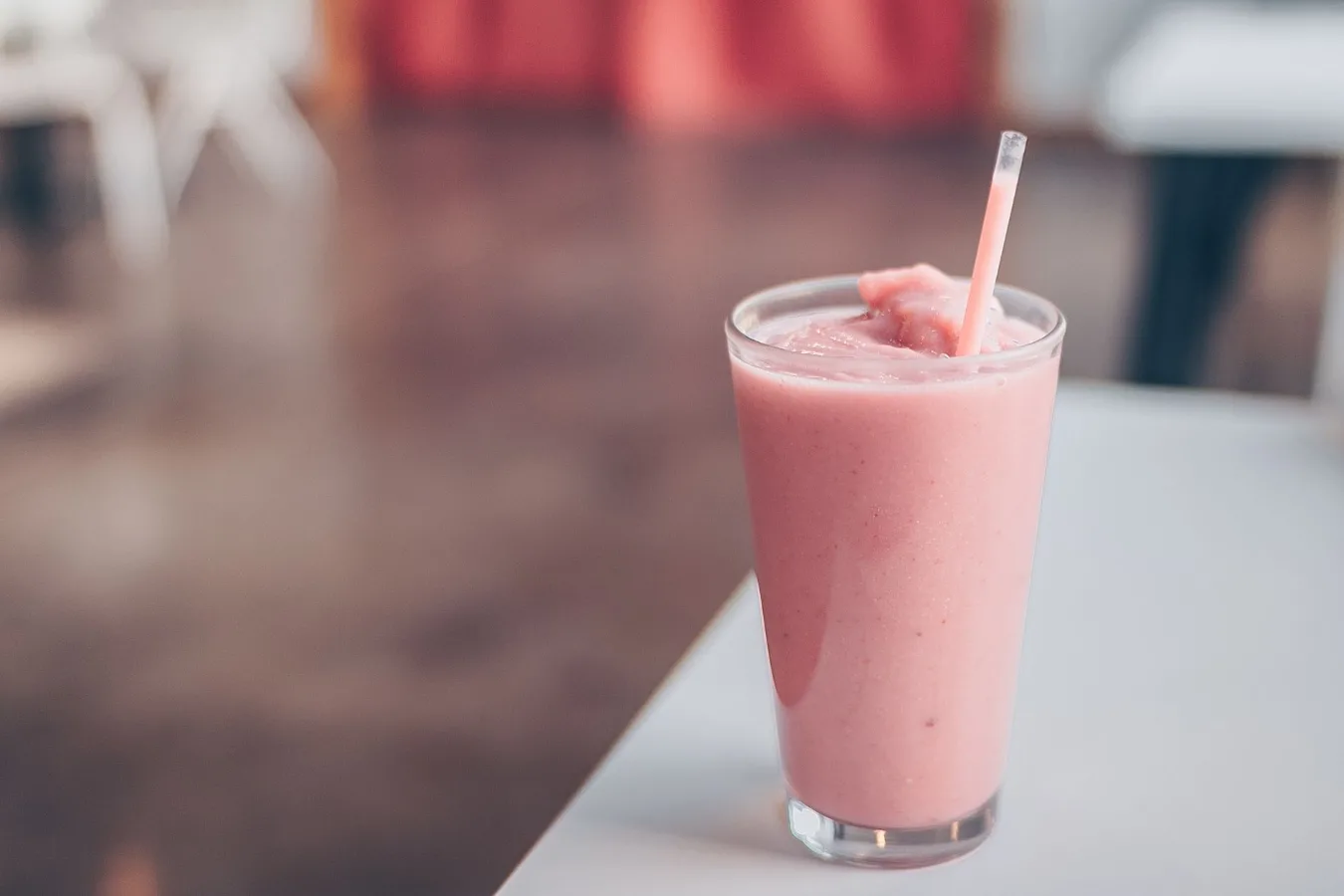
If you want a meal replacement shake vegan shoppers can actually use, the short answer is this: choose one that provides enough protein, fiber, and calories to function as a meal, not just a flavored drink. The best options are usually the ones that feel balanced, digest well, and fit the rest of your day—not the ones with the longest ingredient list or the boldest promises. best protein sources in vegan diets offers more detail on this point. Meal Replacement vs Protein Shake: Which Fits offers more detail on this point.
Vegan meal replacement shakes can make sense for rushed mornings, travel days, post-work gym routines, or times when cooking is not realistic. They can also be useful if you want more structure around portion control. But they are not automatically nutritious simply because they are plant-based. Some are closer to a supplement; others are closer to a true meal. non dairy meal replacement shakes offers more detail on this point.
What a vegan meal replacement shake should actually do
A true meal replacement should do more than offer calories. It should help bridge the gap between meals in a way that leaves you reasonably satisfied and nutritionally covered. For vegan options, that usually means paying attention to a few core pieces: protein, fiber, fats, carbohydrates, and micronutrients.
Many people assume “vegan” and “healthy” mean the same thing, but that is not always true. A shake can be dairy-free and still be low in protein, high in added sugar, or light enough that you are hungry again soon after. That is why the label matters more than the marketing.
Key factors that matter most
Protein quality and source
For vegan meal shakes, protein often comes from pea, soy, brown rice, hemp, pumpkin seed, or blends of these. Blends can be helpful because they may improve amino acid balance and texture. Soy remains a strong option for many people, while pea protein is common for its neutral taste and wide availability.
The key question is not just whether a shake has protein, but whether it has enough of it for your needs and whether your body tolerates the source well. Some people do better with soy-based shakes, while others prefer pea-based formulas because they feel lighter. Taste also matters more than many shoppers expect; if you dislike the flavor, the shake will not stay in your routine.
Fiber and satiety
Fiber is one of the most overlooked parts of a meal replacement shake. Without it, a shake may digest too quickly and fail to feel like a real meal. Ingredients such as oats, chia, flax, inulin, or other soluble fibers can improve fullness, but they can also affect texture and digestion.
This is a practical trade-off. A thicker, more fiber-rich shake may keep you satisfied longer, but it may also feel heavy or cause bloating for some people. If you are sensitive to fiber, it is often better to start with a moderate amount rather than chasing the highest number on the label.
Calories and real-world meal fit
A meal replacement is meant to replace a meal, so calories matter. Too few calories and you are left snacking soon after. Too many and the shake may not suit your goals or your appetite. The right range depends on how you use it, what the rest of your meals look like, and whether you need a light breakfast or a more substantial lunch alternative.
This is where many people make a mistake: they buy a shake that looks “clean” but is too small to serve as a genuine meal. If you need something to carry you through several hours, a minimal shake may not be enough. If you only need a bridge between meetings, a lighter option may be perfectly fine.
Fat sources and texture
Healthy fats help with satiety and make shakes taste less thin. Vegan meal replacement shakes often use ingredients like coconut, flax, sunflower, or MCT oil. The right fat profile can improve mouthfeel and make a shake feel more like food. Too much fat, however, can make some products feel overly rich or harder to digest.
Fat also affects how well a shake fits into your day. A richer formula may work well as a breakfast replacement, while a lighter one may be better after exercise or alongside other food. There is no universal best choice; there is only the one that fits your routine and digestion.
Micronutrients and fortification
Some vegan meal replacement shakes are fortified with vitamins and minerals to better resemble a meal. That can be useful, especially for nutrients that can be harder to plan around in a plant-based pattern. Still, fortification is not a substitute for a varied diet. It is a convenience feature, not a complete nutrition strategy.
Look at the label with a critical eye. A product may be fortified, but if it is low in protein, light on fiber, or difficult to tolerate, it still may not be the right fit. The best vegan meal replacement is the one that works in context, not just on paper.
How to read the label without getting lost in marketing
Label reading gets easier once you know what to ignore. Front-of-package phrases like “superfood,” “clean,” or “natural” do not tell you whether a shake is actually useful as a meal replacement. Start with the nutrition facts panel and ingredient list.
- Check protein first: make sure the amount feels meaningful for a meal, not just a snack.
- Look at fiber: a little fiber helps with fullness, but too much may not suit everyone.
- Scan added sugars: some sweetness is normal, but sugar should not dominate the formula.
- Review the ingredient source: soy, pea, oats, seeds, and blended proteins each bring different strengths.
- Watch for allergens or sensitivities: some vegan shakes still include soy, gluten, coconut, or added gums that bother certain people.
A common misconception is that the longest ingredient list is automatically better. In reality, simplicity can be a plus if the formula is thoughtfully built. The more important question is whether the shake delivers a balanced meal profile in a way you can actually tolerate and enjoy.
Where vegan meal replacement shakes fit best
These shakes are not meant to replace every meal, every day, for everyone. They are best used strategically. For example, they can be practical when you need breakfast on the move, when you are trying to avoid skipping lunch, or when you want a controlled option after a workout and do not have time for a full meal.
They can also be helpful during travel, especially when restaurant options are limited or inconsistent. That said, repeated reliance on shakes can crowd out the chewing, variety, and satisfaction that real meals provide. The most sustainable approach is usually to use them as a tool, not as the entire framework of your diet.
Homemade versus ready-to-drink: which makes more sense?
There are two broad paths: making your own or buying a ready-to-drink option. Each has benefits and limitations.
Homemade shakes
Homemade vegan meal replacement shakes give you the most control. You can adjust sweetness, protein level, thickness, and fiber to suit your preferences. They may also feel fresher and be easier to customize around allergies or taste.
The downside is consistency. Homemade shakes can become less balanced if you do not measure ingredients carefully. They also take more time, require refrigeration or a blender, and may not travel well.
Ready-to-drink shakes
Ready-to-drink formulas are convenient and portable. They are useful when predictability matters more than customization. Their main limitation is that they can be more expensive on a per-serving basis and may not match your flavor or texture preferences.
Some ready-to-drink shakes are very drinkable but not especially filling. Others are more substantial. The label is the best guide here, since the term “meal replacement” is not a guarantee that the product will function like one.
Common mistakes people make
- Treating a protein shake as a full meal automatically: protein alone does not guarantee satiety.
- Ignoring fiber: low-fiber shakes often leave people hungry too soon.
- Choosing based on flavor alone: taste matters, but nutritional balance matters more.
- Overlooking tolerability: some ingredients can cause digestive issues even if the product looks ideal on paper.
- Using shakes to replace every meal: convenience is helpful, but variety still matters for long-term eating habits.
One overlooked issue is texture fatigue. A shake may be nutritionally sound, but if you are tired of drinking your meals, the habit will be hard to maintain. Some people do better alternating shakes with other quick vegan meals like oatmeal, tofu toast, chia pudding, or grain bowls.
How to decide what type of vegan shake fits your goal
Your best choice depends on why you want a meal replacement in the first place. The right formula for a busy professional may not be the right one for someone trying to manage appetite, and neither may be ideal for someone who needs a travel-friendly meal backup.
| Goal | What to prioritize | Potential limitation |
|---|---|---|
| Busy mornings | Fast prep, decent protein, moderate fiber | May not keep you full for long if the shake is too light |
| Weight management | Balanced calories, protein, fiber, portion control | Very low-calorie shakes may trigger rebound hunger |
| Travel convenience | Ready-to-drink format, shelf stability, portability | Less customization and possibly higher cost |
| Plant-based meal support | Complete protein profile, fortification, ingredient tolerance | Fortified products are not a substitute for varied meals |
| Post-exercise use | Protein plus carbs, easy digestion | Some formulas may feel too heavy immediately after training |
If you are unsure where to start, choose the format that solves your real problem first. Convenience, fullness, and ingredient tolerance matter more than chasing an idealized label. A shake that fits your schedule and digestion will usually outperform a more “advanced” product that sits unused in the pantry.
Practical ways to make a vegan meal shake more satisfying
If a shake is too light to count as a meal, you do not necessarily need to abandon it. You can pair it with something simple and plant-based to improve staying power. A piece of fruit, a handful of nuts, toast with nut butter, or a small bowl of oats can make the overall meal more balanced.
For homemade versions, think in layers: protein source, liquid base, fiber source, and flavor. Unsweetened plant milk, frozen fruit, oats, nut butter, or seeds can help create a more complete and satisfying shake without turning it into a dessert.
If digestive comfort is an issue, simplify the formula. Start with fewer ingredients, then build up once you know what works. This is especially useful if you are new to vegan protein powders or have had trouble with thick, heavily sweetened shakes.
When a vegan meal replacement shake is not the best choice
Even a well-made shake is not always the answer. If you need a meal that keeps you busy-chewing satisfied, if you are sensitive to certain fibers or sweeteners, or if you are trying to improve your relationship with food, liquid meals may not be the best fit every day.
They are also not ideal if they become a habit that crowds out more varied eating. Vegan meal replacement shakes should support your routine, not flatten it into the same drink over and over. The most useful approach is flexible: use shakes where they solve a problem, and use whole foods where they do not.
Choosing with a long-term perspective
The best vegan meal replacement shake is the one you can use consistently without frustration. That usually means balancing nutrition, taste, portability, and how your body responds. A product can look ideal on a label and still be a poor fit if it does not keep you full, does not sit well, or gets old quickly.
Think of the shake as part of a broader nutrition pattern. If the rest of your meals include legumes, whole grains, vegetables, nuts, seeds, and enough protein, the shake becomes a practical convenience. If your diet is otherwise chaotic, the shake may help—but it will not solve everything on its own.
For most people, the smartest approach is simple: use vegan meal replacement shakes when you need speed and structure, choose formulas with meaningful protein and fiber, and keep enough flexibility to switch back to whole foods whenever the moment allows.
