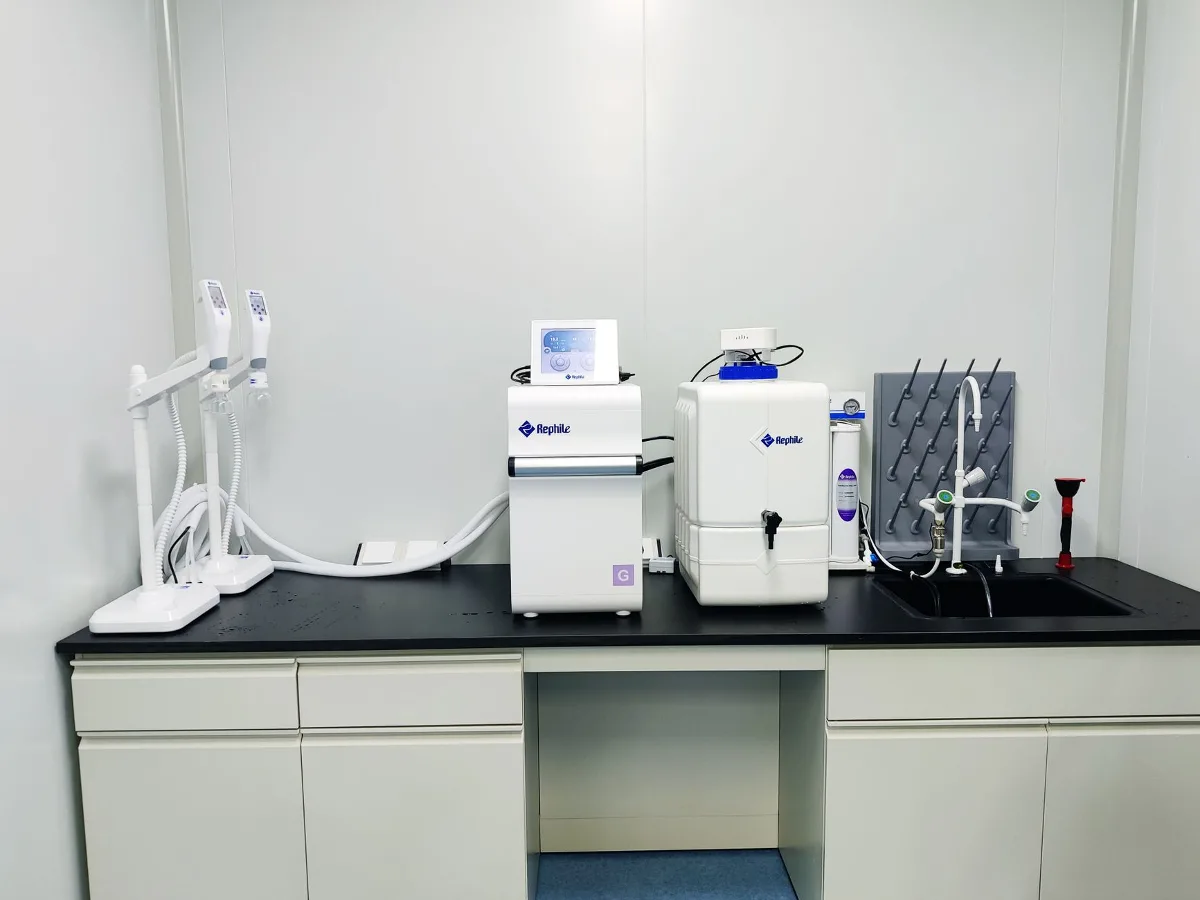
Quick answer: what an Everpure water filter system is
An Everpure water filter system is a point-of-use water filtration setup designed to improve the water you use at a specific sink, faucet, or beverage station. For most shoppers, the appeal is straightforward: cleaner-tasting water, reduced odor, and a compact system that fits under a counter or in a similar limited space. choosing a filter for better-tasting water offers more detail on this point. how under-sink water filtration works offers more detail on this point.
If you are trying to decide whether one is worth buying, the real question is not just “Is Everpure a good name?” It is whether the system matches your water quality concerns, installation space, faucet setup, and maintenance habits. That matters more than the brand name alone.
Everpure systems are often considered by homeowners, renters, coffee enthusiasts, and small offices that want a dependable filtration setup without moving to a whole-house solution. They are also common in food-service and beverage applications, which gives many buyers confidence in the platform, but the right model still depends on your specific use case.
Because these systems use replaceable cartridges and a dedicated filter head, the buying decision is usually about long-term fit, not just the initial purchase. You want to know how often replacements are needed, whether the system is compatible with your plumbing or fixture, and what it can and cannot remove from your water.
How to compare Everpure systems before buying
The best Everpure water filter system for one kitchen may be a poor choice for another. A practical comparison should focus on the factors that affect daily use, not just product labels or broad marketing claims.
1. Intended use
Start with the reason you want filtration in the first place. Drinking water, cooking water, coffee, ice, and beverage service all place different demands on a filter. A system that is fine for filling a glass may not be the best fit for a coffee setup where taste consistency matters more.
If your main concern is improving taste and odor, that points you toward a system designed for point-of-use treatment. If you want broader coverage for the whole house, a single sink filter is not the right tool. That is a common misunderstanding and one of the easiest ways to buy the wrong product. common signs a filter needs changing offers more detail on this point.
2. Compatibility with your setup
Compatibility is often overlooked until installation day. Check the sink location, available under-sink space, existing plumbing, and the type of faucet or dispenser you plan to use. Some buyers assume every filtration system connects the same way, but installation details can differ enough to affect the final choice.
Also consider whether you want a dedicated filtered-water faucet or a connection to a beverage machine. A system designed for one style of installation may be awkward or impractical for another.
3. Maintenance expectations
Any cartridge-based filtration system only works well if the cartridge is replaced on schedule. The convenience question matters as much as the filtration performance. If you prefer a set-it-and-forget-it approach, a system with frequent replacement needs may become frustrating.
Think about how easy the cartridge is to access, whether the housing design allows simple changes, and whether replacement parts are easy to find in the U.S. A system that is technically strong but annoying to maintain can become less appealing over time.
4. Water quality goals
Everpure systems are commonly chosen to improve taste, odor, and clarity, but you still need to match the filter to the issue you are trying to solve. Some water concerns are cosmetic or sensory, while others are more complex and may require a different type of treatment entirely.
If your water has a strong chlorine taste, for example, filtration focused on taste and odor may be enough. If you are concerned about broader water quality issues, you may need to look at water testing or compare alternatives such as reverse osmosis, sediment prefiltration, or a whole-home system. A point-of-use filter is useful, but it is not a universal fix.
Everpure vs. other water filter options
Comparing Everpure to other systems helps clarify where it fits. The most useful comparison is not brand-versus-brand hype; it is about system type, maintenance burden, and the kind of water improvement you actually need.
| Option | Best for | Trade-offs |
|---|---|---|
| Everpure point-of-use system | Improving drinking water at a sink, coffee station, or similar location | Does not treat every tap in the home; requires cartridge replacement |
| Basic faucet filter | Low-cost, simple installation | Usually smaller capacity and less durable feel than a dedicated system |
| Under-sink multi-stage system | Users who want a broader treatment setup | Can be larger, more complex, and harder to maintain |
| Reverse osmosis system | Users seeking more extensive filtration at a single point | Typically more involved installation and maintenance; may have more wastewater depending on design |
| Whole-house filter | Filtering water at every tap in the home | Higher upfront commitment and not necessary for everyone |
The key distinction is that Everpure is usually a targeted filtration solution. That makes it attractive for kitchens, beverage applications, and smaller spaces where a whole-house system would be excessive.
For many buyers, this is actually the advantage. You get a focused upgrade where you feel it most, without redesigning the entire plumbing setup. The limitation is that it will not solve every water issue in the home.
What shoppers often miss before ordering
Many first-time buyers focus on filter reputation and ignore the practical details that affect satisfaction later. These small issues are where most regrets happen.
Replacement timing matters more than people expect
A filter only stays useful if it is changed when needed. Waiting too long can hurt taste and performance, while changing too early can waste money. The right schedule depends on household water use and the specific cartridge design, so the best practice is to follow the manufacturer guidance for the exact model you choose.
A common mistake is assuming all cartridges last the same amount of time. They do not. Different models are built for different capacities and use patterns.
Space under the sink is not always generous
Under-sink cabinetry can be tighter than expected once you account for plumbing, cleaning supplies, trash bins, and disposal units. Before buying, measure the usable space rather than relying on a quick visual estimate. This is especially important if you want a neat installation rather than a cramped one.
If space is limited, a compact point-of-use setup may still work well, but only if you plan the layout carefully.
Water quality problems are not all the same
One of the biggest misconceptions is that a filter designed to improve taste automatically solves every issue. If your concern is sediment, odd odor, chlorinated taste, or general drinking-water improvement, a suitable Everpure setup may be a good fit. If your concern is something broader, filtration may need to be part of a larger water treatment plan.
When in doubt, local water reports and basic home testing can help you understand whether you need a filtration upgrade, a different treatment type, or both.
Installation expectations can affect the final choice
Some buyers are comfortable handling basic under-sink work; others want a simpler setup or professional installation. Either way, it helps to choose a system with your comfort level in mind. A technically excellent product can still be the wrong buy if the installation feels too involved.
If you are shopping for a rental or a temporary living situation, portability and reversible installation become especially important. In that case, a system that is easy to remove and reinstall may be more practical than a more permanent setup.
Who an Everpure system suits best
An Everpure water filter system tends to make the most sense for people who want a dedicated drinking-water or beverage-quality filtration solution without upgrading the entire home.
- Homeowners who want better-tasting water at the kitchen sink
- Renters who can use a reversible or low-disruption setup, depending on the installation
- Coffee and tea drinkers who care about flavor consistency
- Small offices that want a dependable point-of-use system
- Households with limited space for larger treatment equipment
It is less compelling if you want a single system that treats every tap in the home or if your main concern is a water issue that requires more advanced treatment. In those cases, a different category may be better value.
Mistakes to avoid when choosing one
A thoughtful purchase is usually less about brand loyalty and more about avoiding predictable mistakes.
- Buying by reputation alone. A well-known name still needs to match your water goals and installation setup.
- Ignoring cartridge replacement requirements. If maintenance feels inconvenient, the system may not stay in service as long as you expect.
- Overlooking available space. Measure the cabinet area and factor in plumbing before ordering.
- Assuming one filter solves every problem. Taste, odor, sediment, and broader water-quality issues are not always addressed by the same type of system.
- Forgetting about the faucet or dispenser. The filter is only part of the setup; the delivery method matters just as much.
- Choosing the wrong size for your use. A system for light household use may not be ideal for heavy kitchen or beverage use.
One practical nuance that is easy to miss: a more premium-feeling system is not automatically the best long-term value. If the replacement process is hard to manage or the installation is more complicated than necessary, satisfaction can drop quickly.
When an alternative may be the better buy
Everpure is a strong fit for targeted filtration, but there are situations where another option makes more sense.
If you want the simplest possible solution, a faucet-mounted filter or pitcher-style filter may be easier to live with, even if it offers less robust filtration or a less polished setup. If your concern is broader water treatment, a multi-stage under-sink system or whole-house filter may be more appropriate.
If your top priority is highly purified drinking water at a single faucet, reverse osmosis may deserve a look. It brings its own trade-offs, including more complex installation and maintenance. That is why the best choice depends on the problem you are solving, not on which product sounds most advanced.
Practical buying checklist
Before you choose an Everpure water filter system, run through a short checklist:
- What problem are you trying to solve: taste, odor, sediment, or something broader?
- Where will the system be installed?
- How much space do you have under the sink or behind the equipment area?
- Will you use a dedicated faucet, dispenser, or appliance connection?
- How often are you realistically willing to replace cartridges?
- Do you want a targeted point-of-use setup or a larger treatment system?
- Are you buying for a home, apartment, office, or beverage application?
Answering those questions first usually leads to a better purchase than browsing model names alone.
FAQ
What does an Everpure water filter system do?
It filters water at a specific point of use, such as a kitchen sink or beverage station, with the goal of improving taste, odor, and general drinking-water quality depending on the cartridge and setup.
Is an Everpure system only for commercial use?
No. While Everpure is widely used in commercial and beverage settings, many buyers also consider it for residential kitchens and small offices that want a compact filtration solution.
How do I know which Everpure system to choose?
Start with your water issue, available installation space, and preferred maintenance level. Then compare the system’s intended use, cartridge type, and compatibility with your faucet or dispenser setup.
Do I need to replace the cartridge regularly?
Yes. Like most cartridge-based filters, an Everpure system depends on timely replacement to keep performance consistent. The right schedule depends on the exact model and how much water you use.
Is an Everpure filter enough for serious water problems?
Not always. It can be a strong option for targeted filtration, but more complex water concerns may require testing and a different treatment approach, such as reverse osmosis or a whole-house system.
If you are choosing an Everpure water filter system, the best decision comes from matching the system to your actual use case. Focus on compatibility, maintenance, and the kind of water improvement you want, and you will avoid most of the common buying mistakes.
