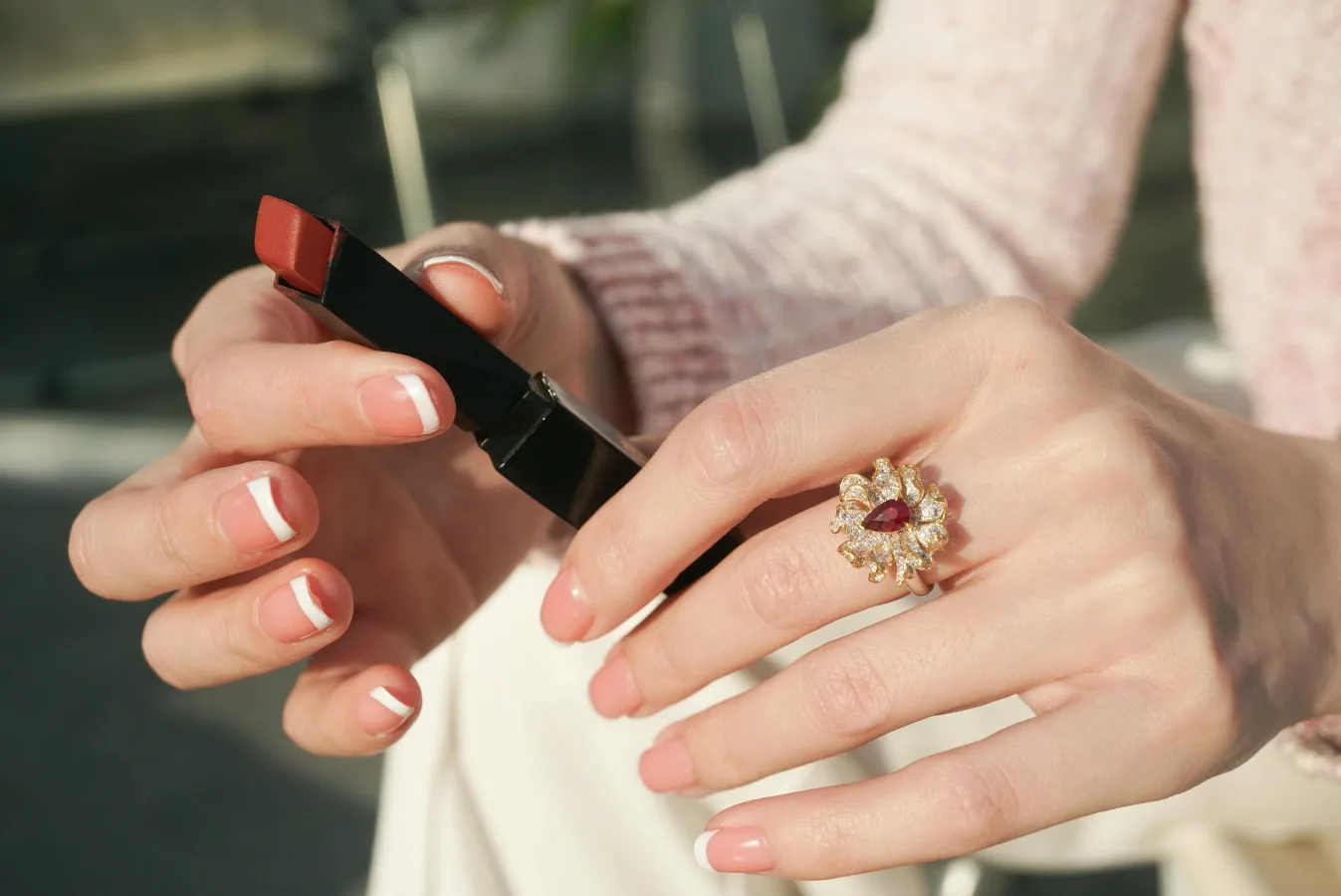
What a ruby ring is really buying you
A ruby ring is usually chosen for one of three reasons: the color, the symbolism, or the design flexibility. Ruby is one of the most recognizable colored gemstones in jewelry, and that makes the ring feel distinctive without needing a complicated setting. For many buyers, the appeal is simple: a ruby offers a strong focal point that can look classic, romantic, or dramatic depending on the cut, metal, and surrounding stones.
If you are comparing ruby rings for everyday wear, gifting, or a special occasion, the most useful question is not just whether you like ruby. It is whether the specific ring will suit how you plan to wear it. A low-profile design may be better for daily use, while a taller halo setting can create more visual impact but may snag more easily. That trade-off matters more than most people expect.
Start with the buyer scenario
The best ruby ring depends on the situation you are buying for. A ring meant for daily wear has different priorities than one chosen as a statement piece or a romantic gift.
For everyday wear
Look for a setting that protects the stone and keeps the profile manageable. Bezel and semi-bezel settings can offer more protection than open prong styles, though they change the look of the ring. A simpler solitaire or low halo is often easier to wear than a tall, elaborate design.
For a gift
If you are buying a ruby ring for someone else, style clues matter as much as gem quality. Some people prefer clean, modern lines; others like vintage details, side stones, or a more ornate appearance. If you are unsure, a classic round or oval ruby in a yellow gold or white gold setting is usually easier to wear than something highly stylized. gold nugget ring offers more detail on this point.
For engagement or anniversary use
Ruby is a popular alternative to a traditional diamond center stone and can work well in a ring meant to symbolize commitment. In that context, durability, setting security, and long-term comfort become especially important. Many buyers also look for a design that pairs well with a wedding band, which can influence the shape and height of the center setting.
The trade-offs that matter most
Ruby rings are appealing, but the best choice usually involves a compromise. A more dramatic design may draw attention, while a simpler one may be easier to wear. A larger-looking stone may sit higher or require a setting that offers less coverage on the sides. A highly polished setting can feel elegant, but detailed designs may need more upkeep to stay clean and crisp.
One overlooked consideration is how a ruby’s color behaves in different lighting. A stone that looks rich and vivid in one environment may appear darker or more muted in another. That is not necessarily a flaw. It is simply a reminder that colored gemstones do not behave like colorless diamonds, and the viewing conditions matter.
Another common misconception is that all ruby rings should look bright red from every angle. In reality, ruby color can range in tone and saturation, and surrounding metal choices can influence the overall impression. Yellow gold may warm the look, while white metals can make the red appear sharper and more contrast-driven.
Material and spec factors to compare
Because ruby rings are jewelry purchases, the most important evaluation points are stone quality, setting style, metal choice, and wearability. The best ring is the one that aligns those elements with your budget and use case.
Ruby quality and color
Color is usually the first thing people notice. In a ruby ring, you want a hue that appeals to you visually, not just one that sounds impressive on paper. Some buyers prefer a deeper red, while others like a brighter, more vivid look. The exact balance is personal, and the right choice depends on how you want the ring to read on the hand.
Clarity also matters, but colored gemstones are often judged differently than diamonds. Small inclusions may be normal in ruby, and their presence does not automatically make a stone less desirable for every buyer. What matters more is whether the stone looks attractive face-up and whether any visible features affect the overall appearance.
Natural versus lab-grown ruby
Both natural and lab-grown ruby can be used in rings, but they serve different priorities. Natural ruby is often chosen for its origin and gem appeal, while lab-grown ruby can be attractive to buyers who want a more accessible price point or a more uniform appearance. The right choice depends on whether origin, appearance, and budget are the main drivers.
Do not assume one option is automatically better. Instead, ask what matters most to you: natural formation, visual consistency, or value for money. If the seller does not clearly disclose the ruby type, that is a red flag.
Setting style
The setting affects both the look and the practical wear of the ring. A solitaire keeps the attention on the ruby. A halo adds sparkle and can make the center stone feel larger. Side stones create extra detail and can soften the ruby’s visual dominance. Bezel settings provide a more protective frame, while prong settings allow more light and visibility around the stone.
If you want a ruby ring for frequent wear, the setting should be judged not only for beauty but for how securely it holds the stone and how likely it is to catch on clothing.
Metal choice
The metal influences the ring’s style, maintenance, and comfort. Yellow gold often gives ruby a traditional, warm look. White gold can create contrast and a more modern feel. Rose gold can soften the overall effect. Platinum is valued by many buyers for its durability and premium feel, though it may not suit every budget or style preference.
There is no single best metal for a ruby ring. The right metal depends on the look you want, the amount of maintenance you are comfortable with, and how the ring will be worn.
Ring size and fit
Fit matters more than many shoppers expect, especially with statement gemstone rings. A ring that rotates too easily can make the stone sit off-center, while a tight fit can be uncomfortable and discourage regular wear. If the ring has a wide band, it may fit differently than a slim band, so the correct size is not always obvious from a standard ring chart alone.
How to judge style without overbuying
A ruby ring can be easy to overestimate in person and underuse after purchase. The most practical way to avoid regret is to think about how often the ring will be worn and what role it will play in your wardrobe.
- For maximum versatility: choose a simple setting and a moderate stone size.
- For visual impact: choose a halo, side stones, or a larger center ruby.
- For low-maintenance wear: choose a protective setting and a durable metal.
- For a vintage look: look for milgrain, filigree, or antique-inspired details.
- For a modern look: choose clean lines, minimal ornamentation, and a streamlined profile.
A ring that looks stunning in a display case may not feel practical on your hand. That is especially true for higher settings and intricate designs.
Common mistakes when buying a ruby ring
One of the biggest mistakes is focusing only on color and ignoring the setting. A beautiful ruby can still be a poor choice if it is held in a fragile or inconvenient mount. Another common mistake is assuming that more decoration always means better value. Extra stones and elaborate metalwork can add visual complexity, but they do not always improve comfort or long-term usefulness.
Buyers also sometimes overlook the difference between a ring that is attractive and one that is wearable. If the underside of the setting is high, the ring may be more likely to catch or feel awkward under gloves, sleeves, or bags. For an everyday ring, that can become annoying fast.
Finally, some shoppers do not ask enough questions about stone disclosure. For a gemstone purchase, clarity about whether the ruby is natural or lab-grown, treated or untreated, and what the ring actually includes is part of smart buying. If those details are unclear, pause before you commit.
Alternatives worth considering
If you love the look of ruby but are not fully committed to it, a few alternatives may suit your taste better.
- Ruby and diamond combinations: good if you want contrast and extra sparkle.
- Other red gemstones: options such as garnet can offer a similar color family with a different look and price profile.
- Vintage-inspired red stone rings: useful if you want a more distinctive or heirloom feel.
- Colored-stone stacking rings: better if you want a more casual, flexible way to wear color.
These alternatives do not replace ruby, but they can help you decide whether you want the symbolism and intensity of ruby itself or simply the effect of a red gemstone.
How to narrow down the best ruby ring
If you are comparing options, use a simple decision sequence. First, decide whether the ring is for daily wear, occasional use, or a special event. Then choose the setting style that matches that use. After that, evaluate metal, stone appearance, and how much maintenance you are willing to accept. How to Choose a Nugget Ring offers more detail on this point. how to choose a gemstone ring offers more detail on this point.
That order helps because it keeps you from buying the prettiest design instead of the most suitable one. Many ring regrets come from choosing the center stone first and the practical details second.
- Decide how often the ring will be worn.
- Choose a setting that fits that lifestyle.
- Pick a metal that matches your aesthetic and maintenance preference.
- Compare ruby appearance in different lighting if possible.
- Confirm the stone type and any disclosed treatments.
- Check whether the ring can be resized if needed.
Care and maintenance basics
Ruby rings need routine care to keep both the stone and the setting looking good. Clean the ring gently with appropriate jewelry care methods and avoid harsh treatment that could loosen the setting or dull the finish. If the design includes small accent stones or intricate metalwork, dirt can collect in crevices more easily.
For rings worn often, periodic inspection is a practical habit. Prongs can loosen over time, and any ring with raised stones benefits from being checked before issues become obvious. This is especially relevant for pieces meant for daily wear.
Who a ruby ring is best for
A ruby ring is a strong choice for someone who wants color, symbolism, and a design that stands apart from standard clear-stone jewelry. It suits buyers who appreciate a traditional gemstone with a rich visual presence and who are willing to choose carefully among setting styles and stone types.
It may be less ideal for someone who wants maximum sparkle, an ultra-low-maintenance ring, or a very neutral everyday accessory. In those cases, a simpler design or a different gemstone may be a better fit.
Frequently asked questions
Are ruby rings good for everyday wear?
They can be, especially if the setting is protective and the profile is comfortable. A lower-set design is usually more practical than a tall, delicate one.
Is a natural ruby better than a lab-grown ruby?
Neither is automatically better for every buyer. Natural ruby appeals to those who value origin, while lab-grown ruby can be appealing for appearance and budget reasons. The right choice depends on your priorities.
What metal looks best with a ruby?
Yellow gold, white gold, rose gold, and platinum can all work well. Yellow gold gives a classic warmth, while white metals create stronger contrast. The best choice depends on your style and how you want the ruby to stand out.
What should I look at first when buying a ruby ring?
Start with the ring’s use case, then evaluate the setting, metal, and ruby type. If you only focus on the stone, you may miss important comfort and durability factors.
Can a ruby ring be resized?
Some can, but resizing depends on the ring design, the metal, and the placement of stones or intricate details. It is worth confirming before purchase if sizing flexibility matters to you.
Next steps before you buy
Before choosing a ruby ring, decide how you want it to function in real life, not just how you want it to look in photos. A strong purchase usually balances style, setting security, metal preference, and the level of care you are willing to give it. That is especially true for colored gemstone jewelry, where visual impact and wearability need to work together.
If you are still narrowing down options, compare a few ring styles side by side: a solitaire for simplicity, a halo for presence, a bezel for protection, and a vintage-inspired piece for character. That comparison will usually make the right direction clearer than browsing similar-looking rings one by one.
