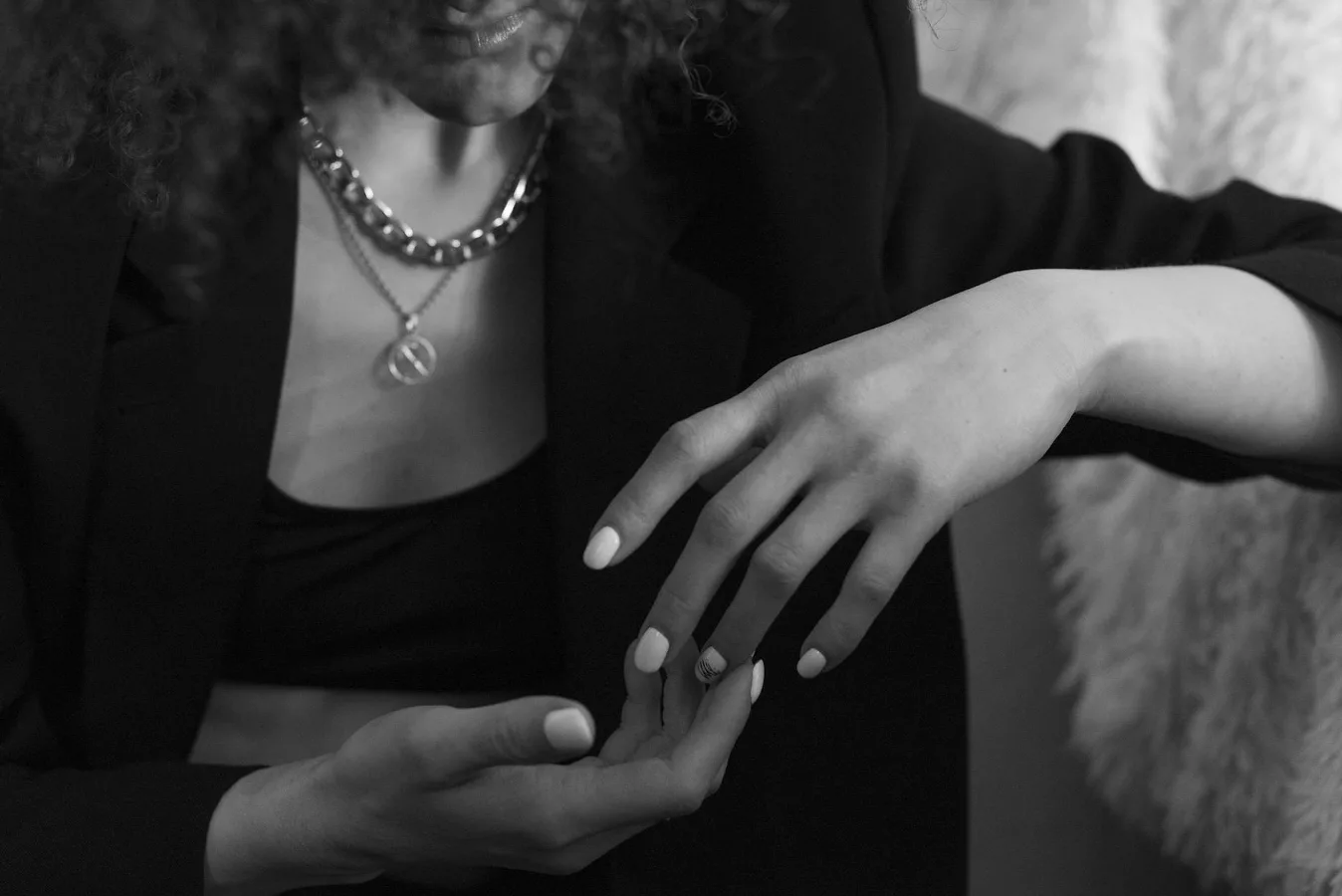
A hamsa hand necklace is a pendant necklace shaped like the hamsa, a hand symbol widely worn for its protective, spiritual, and decorative appeal. For many shoppers, the right piece is less about a single “best” style and more about choosing a necklace that fits the meaning you want, the metal you prefer, and how often you plan to wear it. spiritual jewelry style guide offers more detail on this point. st christopher necklace offers more detail on this point. how to match jewelry to neckline offers more detail on this point.
If you are comparing hamsa necklaces for yourself or as a gift, start with the basics: material, finish, chain type, pendant size, and the look you want to project. Some designs read as delicate and modern. Others feel more ornate, traditional, or symbolic. The right choice depends on whether you want an everyday layering piece, a meaningful token, or a standout pendant.
Who a hamsa hand necklace suits best
A hamsa hand necklace works well for someone who wants jewelry with symbolism, but does not want the piece to feel too ornate or costume-like. It is especially appealing if you like accessories that can carry meaning without being overly literal.
It also suits shoppers who want a necklace that can move between casual and dressier outfits. A small, simple hamsa pendant can sit comfortably with jeans, knitwear, and workwear. A larger or embellished version can work as a focal point with a plain neckline.
For gifting, the hamsa design can be a strong option when you want something thoughtful but not overly personal in the way a monogram or birthstone might be. That said, symbolism matters here. If the recipient does not connect with spiritual or protective motifs, a different pendant may be a better fit.
What the hamsa design signals
The hamsa is commonly associated with protection, good fortune, and warding off negativity. Depending on the design, it may appear as a more spiritual emblem, a fashion symbol, or a mix of both. Some versions include an eye motif in the palm, while others are plain or decorated with stones and engraving.
That variety is useful, but it can also create confusion. A buyer looking for understated symbolic jewelry may prefer a clean outline with minimal embellishment. Someone drawn to richer visual detail may want pavé stones, filigree, enamel, or layered textures.
The key point is that the meaning is not the only factor. Visual style, wearability, and metal choice often matter more once you start comparing real products.
Buyer scenario: what to choose based on how you’ll wear it
If you want a necklace for daily wear, prioritize comfort and durability over decorative detail. A smoother pendant with rounded edges and a secure chain usually wears better than a highly textured piece that can catch on clothing.
If you want a layerable necklace, choose a pendant that sits neatly and does not overpower shorter chains. Smaller hamsa pendants tend to stack better with plain chains, bar necklaces, or other symbolic charms.
If you are buying for a special occasion, design detail may matter more than versatility. In that case, you can look for a piece with stones, a polished finish, or more dramatic proportions, as long as the chain feels sturdy enough for the pendant weight.
If you want a meaningful gift, think about the recipient’s style before the symbolism. A person who wears minimal jewelry may appreciate a small sterling silver hamsa more than a large gold-tone version with a lot of sparkle.
Material and finish: the most practical decision
Material affects appearance, comfort, durability, maintenance, and price perception. For a hamsa hand necklace, the main choices usually come down to metals and metal finishes.
Gold, gold vermeil, and gold-plated looks
Gold-tone hamsa necklaces often give the warmest and most classic look. They work well with rich colors and can feel more traditional or elevated. If the finish is plated rather than solid, it may require more care to preserve the appearance.
For shoppers who like the look of gold but plan to wear the necklace often, the practical question is how much maintenance you are willing to accept. Plated pieces can be a good style choice, but they usually benefit from careful storage, gentle cleaning, and avoiding harsh chemicals.
Silver and sterling silver styles
Silver-toned hamsa necklaces often feel cooler, cleaner, and easier to wear with a wide range of outfits. They are a natural choice if your existing jewelry leans white metal.
Sterling silver is often preferred for a balance of appearance and long-term wearability, though it still needs care to reduce tarnish. If you want a low-fuss necklace that remains visually bright, check whether the design has a polished finish or a protective coating.
Stainless steel, brass, and fashion metals
Some hamsa necklaces are made from stainless steel or other fashion jewelry metals. These can be appealing if you want a durable everyday piece or a lower-cost option, but the visual feel may differ from fine jewelry.
This is where expectations matter. A fashion metal necklace can be a smart buy if you mainly want the shape, symbolism, and style. If you want heirloom-level value, you may prefer a precious metal option.
Pendant size and chain length change the whole look
A common mistake is focusing on the pendant alone and ignoring proportion. A hamsa hand necklace can look delicate or bold depending on size, chain thickness, and where it lands on the chest.
Smaller pendants tend to feel subtle and versatile. They are easier to layer and often suit people who like understated jewelry. Larger pendants make more of a statement and can be better if you want the symbol to be immediately visible.
Chain length matters just as much. Shorter chains create a more centered, visible look. Longer chains can make the pendant feel relaxed and bohemian, though they may place the hamsa lower on the torso than some wearers expect.
If you are unsure, a medium-length chain with a moderate pendant size is usually the safest starting point. It gives you room to style the necklace in different ways.
Style details that are easy to overlook
Some of the most important differences are not obvious in product photos.
- Pendant thickness: Thin pendants can look elegant but may feel more fragile.
- Back finish: A smoother back can improve comfort against skin and clothing.
- Bail design: A narrow bail can limit chain options, while a larger one may be easier to swap.
- Stone setting: Decorative stones add visual interest, but they can also create snag points.
- Clasp quality: A secure clasp matters if you plan to wear the necklace often.
These details rarely appear in a headline description, yet they strongly affect satisfaction once the necklace is in regular rotation.
Comfort, wearability, and everyday use
Comfort is often underestimated with symbolic pendants. A hamsa hand necklace should sit flat enough not to flip constantly or twist awkwardly. If the pendant is too heavy for the chain, it may move around more than you want.
For daily wear, choose a design that feels smooth against the neck and collarbone. Lightweight necklaces are usually easier to forget you are wearing, which matters if you plan to keep the piece on through work, errands, or travel.
Also consider your wardrobe. High-neck tops, collared shirts, and layered fabrics can change how a pendant hangs. A necklace that looks ideal on a flat product page may sit differently once paired with your actual clothes.
Symbolism versus style: deciding what matters most
Some buyers want the spiritual meaning first and the fashion second. Others want the look first and the symbolism as a bonus. Neither approach is wrong, but the best necklace depends on which one you prioritize.
If meaning is central, choose a design that reflects that intent clearly. Simple forms, familiar motifs, and thoughtful craftsmanship may feel more appropriate than trend-driven embellishment.
If style is the main goal, you can be more flexible. In that case, the hamsa hand serves as a recognizable design element that can fit into boho, minimal, eclectic, or layered jewelry wardrobes.
A practical nuance: a heavily stylized hamsa may appeal visually while drifting away from the symbolic clarity some buyers want. If the meaning matters, keep the design legible.
Common mistakes when buying a hamsa hand necklace
One common mistake is assuming all hamsa necklaces are equally versatile. Some are best for statement wear, while others are better suited to everyday use. The more detail a pendant has, the more specific its styling needs may become.
Another mistake is overlooking chain quality. A beautiful pendant on a weak or uncomfortable chain can become frustrating quickly. If the necklace is meant to be worn frequently, the chain should be part of the decision, not an afterthought.
Buyers also sometimes ignore finish compatibility with their existing jewelry. If you wear mostly silver-toned pieces, a bright gold hamsa may look intentional as a contrast, but it may also feel disconnected. Matching metals is not mandatory, but it should be deliberate.
Finally, do not assume all “dainty” necklaces will be practical. Some very light pieces are charming but may be less durable, especially if the pendant has cutouts or fine edges.
Alternatives worth considering
If you like the idea of symbolic jewelry but are not fully set on the hamsa, a few alternatives may fit better depending on your style.
- Evil eye necklace: A stronger visual choice if you want a more direct protection motif.
- Star or moon pendant: Good for a softer spiritual aesthetic.
- Initial necklace: Better if you want personalization rather than symbolism.
- Cross pendant: Appropriate for buyers seeking a faith-based design.
- Simple disc charm: Useful if you want a minimal necklace with less explicit symbolism.
These alternatives are worth comparing because they can solve the same styling problem from a different angle. You may discover that you want a symbolic necklace, but not necessarily a hamsa shape.
How to narrow down the right one
If you are ready to choose, use a simple decision order:
- Decide the purpose: everyday wear, layering, gifting, or statement styling.
- Choose the metal family: gold-tone, silver-tone, or fashion metal.
- Set the size range: subtle, medium, or noticeable.
- Check the chain: length, clasp type, and whether it looks sturdy enough for the pendant.
- Review the finish details: stones, engraving, cutouts, or smooth surfaces.
- Think about maintenance: how much care you are willing to give it over time.
This order helps you avoid getting distracted by appearance alone. A necklace can look appealing in isolation and still be the wrong fit for your wardrobe or routine.
Next steps before you buy
Before you purchase a hamsa hand necklace, compare a few versions side by side and look beyond the main image. Read the product details closely, especially measurements, metal type, chain length, and any care notes.
If the item will be worn often, favor comfort and build quality over extra decoration. If it is a gift, lean toward a design that feels versatile and easy to wear. And if the meaning is the main reason you are buying, choose a design that keeps the hamsa recognizable rather than overly abstract.
The best hamsa necklace is not simply the prettiest one. It is the one that matches your style, your use case, and the level of maintenance you are actually willing to accept.
