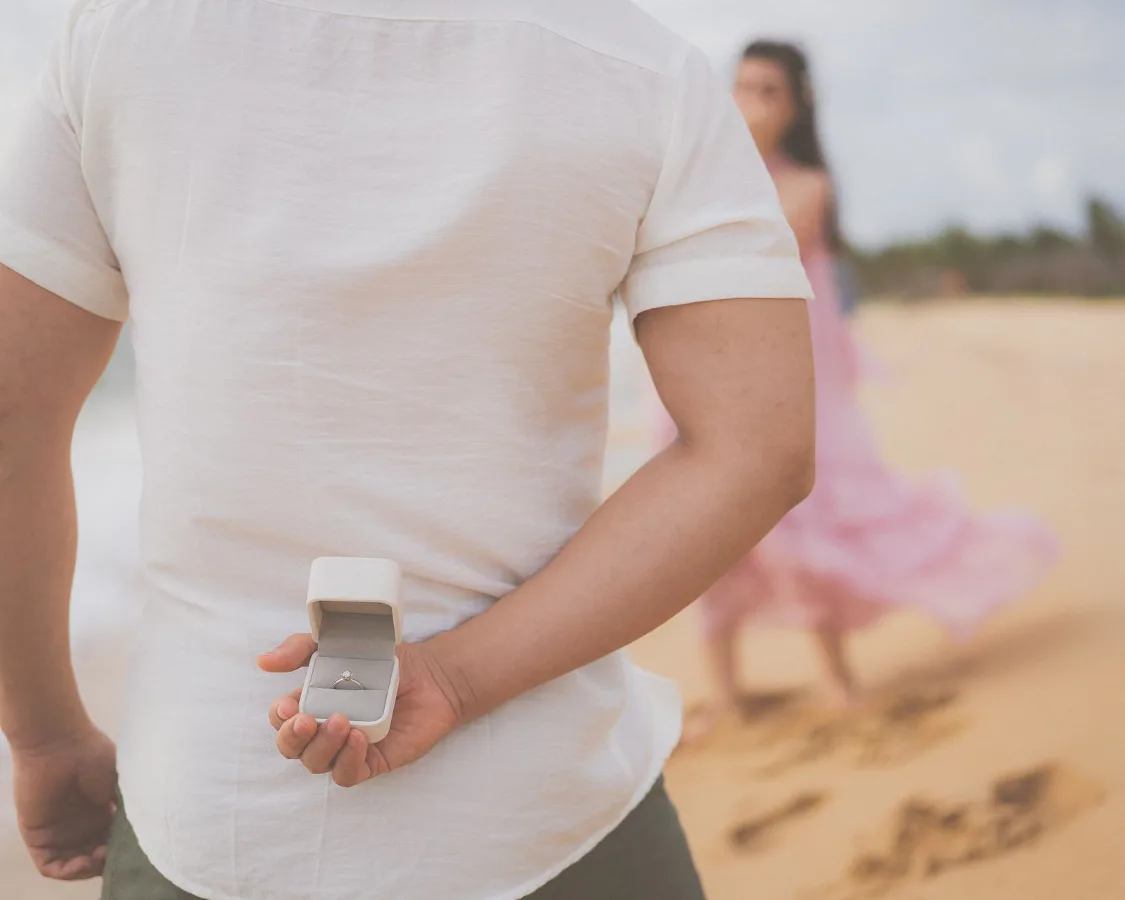
What a bezel engagement ring is
A bezel engagement ring is a ring setting that surrounds the center stone with a thin metal rim. Instead of holding the stone with exposed prongs, the metal edge cups it around the perimeter, creating a clean outline and a more enclosed look.
That basic design changes both the appearance and the day-to-day experience of wearing the ring. A bezel can make a center stone feel visually streamlined, often with a modern or understated finish. It can also reduce how much of the stone is exposed, which is one reason many people consider it for an everyday engagement ring.
If you are trying to decide whether this setting fits your needs, the real question is not just what a bezel looks like. It is whether you want a setting that emphasizes protection, comfort, and a sleek profile more than maximum sparkle or a highly traditional look.
When a bezel setting makes the most sense
A bezel engagement ring tends to work best when practicality matters as much as appearance. It is often a strong choice for someone who uses their hands frequently, prefers low-maintenance jewelry, or wants a ring that feels less delicate than an open prong setting.
It can also be a smart option if you are drawn to contemporary jewelry design. A bezel setting often reads as clean, intentional, and architectural. For some buyers, that simplicity is exactly the appeal.
Another reason people choose bezels is comfort. Because the stone sits within a smooth metal outline, the setting may catch less on clothing or gloves than more exposed designs. That does not make every bezel ring identical, but it does explain why the style is frequently associated with easy everyday wear.
Step-by-step criteria for choosing one
1. Start with the way the ring will be worn
Before comparing styles, think about the ring’s real use. Will it be worn every day? Will it need to stand up to a commute, office work, gym sessions, or frequent handwashing? A bezel often appeals to people who want a more enclosed setting for regular wear, but the lifestyle fit matters more than the label. learn more about flat back earrings offers more detail on this point.
If the ring will only be worn occasionally, you may be more open to styles chosen primarily for appearance. If it will be worn constantly, details like low profile, comfort, and how easily the setting can snag become more important.
2. Consider the center stone shape
Stone shape strongly affects how a bezel engagement ring looks. Round stones are a straightforward match because the metal rim follows the outline naturally. Oval, pear, and cushion cuts can also work well, but the proportions of the bezel need to suit the shape carefully.
More angular shapes such as emerald or princess cuts create a different visual effect. In those cases, the bezel can either emphasize the geometry or soften it, depending on the exact design. The key is to pay attention to how much of the stone is covered and whether the shape still feels balanced from the top view and the side.
A common misconception is that a bezel always makes a stone look smaller. Sometimes it does reduce the visible edge of the center stone, but the effect depends on the setting width, metal color, and shape. A thin, well-proportioned bezel can look refined rather than heavy.
3. Think about security and stone protection
Many buyers first look at bezels because they want added protection for the center stone. A full bezel can help shield the edges from direct contact, which may be especially appealing for stones that sit lower on the finger or for people who worry about catching a prong on something.
That said, no setting is completely risk-free. A bezel can still be damaged if it is struck hard enough, and the quality of workmanship matters. The fit around the stone should be precise, not loose or uneven. If the bezel is poorly made, the stone may not sit securely, and repairs can be more involved than with a simpler setting.
4. Compare the profile and comfort
One of the understated advantages of a bezel engagement ring is its profile. Many bezel styles sit lower than more raised settings, which can make them feel more practical for daily wear. A lower profile may also help the ring fit more comfortably alongside other bands.
Still, a bezel ring can vary widely in how it feels on the hand. A thick metal rim may feel more substantial, while a narrow bezel can seem lighter and more refined. Comfort also depends on the inside shape of the band, the width of the shank, and whether the ring is designed to stack flush with a wedding band.
5. Match the metal to the overall look
The metal affects the bezel more than many shoppers expect. White gold, platinum, yellow gold, and rose gold each change how the rim frames the center stone. A white metal may blend into a diamond and create a cleaner outline, while yellow or rose gold can add contrast and warmth.
If you want the setting to be subtle, a metal that visually recedes may be the better choice. If you want the bezel itself to be part of the design statement, a contrasting metal can make the frame more noticeable.
6. Decide how much sparkle you want
This is the trade-off many people overlook. A bezel engagement ring usually shows less of the stone’s edge than a prong setting, so the stone can appear more enclosed. For some shoppers, that gives the ring a crisp, polished look. For others, it reduces the amount of light exposure they associate with brilliance. Ruby Ring Buying Guide for Smart Shoppers offers more detail on this point. Gold Nugget Ring Buying Guide offers more detail on this point.
The right answer depends on priorities. If you want the center stone to dominate visually, a bezel may feel too quiet. If you prefer a restrained, contemporary appearance, the setting can be exactly right.
Bezel vs. prong: the practical difference
The most common comparison is bezel versus prong. Prong settings leave more of the stone exposed, which can create a more traditional look and often shows more of the stone from the side. Bezel settings create a cleaner frame and generally feel more enclosed.
Neither style is universally better. A prong setting may be preferred for shoppers who want a classic solitaire profile or maximum visible stone area. A bezel may be preferred for someone who values a sleek silhouette, extra edge protection, or a ring that feels easier to wear every day.
The decision often comes down to how you balance aesthetics and practicality. If you are choosing for a highly active lifestyle, a bezel may be more appealing. If you are choosing primarily for an airy, open look, prongs may be the better fit.
Styles that work especially well with a bezel
Bezel settings are flexible, but some styles are especially natural fits.
- Solitaire designs: A single stone in a bezel has a clean, modern presence.
- Minimalist rings: The setting reinforces simple lines and understated styling.
- East-west settings: An east-west bezel can make oval or emerald shapes feel contemporary.
- Low-profile designs: These pair well with people who want less height above the finger.
- Stackable rings: A bezel can work well with bands that need a smoother, more compact center profile.
Bezel settings can also be attractive in custom engagement rings, where proportion becomes part of the design. A custom jeweler can adjust the rim thickness, band width, and stone orientation to create a balanced result rather than a generic setting.
Common limitations to keep in mind
A bezel engagement ring is not the best answer for every buyer. The most frequent limitation is visual coverage. Some people love the way the metal frames the stone; others feel it obscures too much of the center stone’s outline.
Another practical limitation is repair complexity. Depending on the design, resizing or altering a bezel ring may be more complicated than adjusting a simpler mount. That is one reason to think carefully about ring size and long-term wear before finalizing a purchase.
There is also the issue of stone appearance. Certain cuts look especially strong in a bezel, while others may lose some of their open, airy character. A bezel can be elegant, but elegance is not the same as maximum visual openness.
Examples of good use cases
If you are still unsure, it can help to compare typical scenarios.
- Best for everyday wear: Someone who wants a lower-profile ring that feels practical and less likely to snag.
- Best for a modern aesthetic: A buyer who likes clean lines, simple geometry, and a less traditional silhouette.
- Best for active routines: A person who prefers a more enclosed setting for work, errands, or hands-on tasks.
- Best for a custom look: A shopper who wants to fine-tune proportions, metal choice, and stone shape.
- Less ideal for maximum openness: Someone who wants a setting that reveals as much of the stone as possible from the side.
Checklist before you buy
Use this short checklist to compare bezel engagement rings with more confidence.
- Stone shape: Does the cut look balanced inside a bezel?
- Setting proportion: Is the metal rim thin enough to feel refined, not bulky?
- Profile: Does the ring sit low enough for your daily routine?
- Comfort: Does the band feel smooth and wearable alongside other rings?
- Metal color: Does the bezel frame the stone in a way you like?
- Maintenance: Are you comfortable with the care and occasional inspection it may need?
- Band pairing: Will a wedding band sit flush, or will you need a contoured shape?
- Style longevity: Will you still like the look after the trend factor fades?
Care and maintenance basics
Like any engagement ring, a bezel needs regular cleaning and occasional inspection. Dirt and skin oils can collect around the metal rim and reduce the stone’s brightness, so simple cleaning matters. A soft brush, mild soap, and warm water are usually enough for routine care, depending on the stone and metal.
It is also worth checking the bezel edge periodically. Even though the setting is designed for security, wear over time can affect how tightly the stone sits. If the ring ever starts to show movement, have a jeweler inspect it before continued wear.
For people who want low-fuss jewelry, this maintenance profile is part of the appeal. The ring still needs care, but the daily experience is often easier than a more exposed style.
How to avoid common mistakes
One mistake is choosing a bezel only because it feels safer, without considering the look of the center stone. Security matters, but so does proportion. A setting that is too thick can make the ring feel heavy or mask the stone’s shape.
Another mistake is ignoring the wedding band pairing. Some bezel designs sit in a way that makes a straight band difficult to align flush. If you want a seamless stack, ask about band compatibility before committing.
A third mistake is overfocusing on a single photo angle. A bezel can look dramatically different from the top, side, and three-quarter views. If possible, review multiple angles so you understand how much stone is visible and how the profile will feel on the hand.
Who should probably look at other options
A bezel engagement ring may not be the best choice if you want a very open, airy design or if you strongly prefer a classic prong look. It may also be less appealing if your main priority is maximum visible stone area from the side.
Some buyers also prefer settings that are easier to modify later. If you know you may want substantial changes down the road, a simpler setting may offer more flexibility. The right choice depends on whether your priorities lean toward durability and polish or toward a more exposed traditional structure.
What to ask a jeweler
If you are comparing bezel designs in person or through a custom order, a few questions can clarify the details quickly:
- How much of the stone will be visible from the top and side?
- Is this a full bezel or a partial bezel design?
- Will the ring sit flush with a straight wedding band?
- How does the metal thickness affect the overall look?
- What stone shapes work best in this setting?
- How should the ring be cleaned and checked over time?
Those questions help you move beyond the basic style label and focus on the actual design, which is where the real difference lies.
A practical way to decide
If you want a simple decision rule, start with your lifestyle, then your style preferences, then the stone shape. A bezel engagement ring is usually strongest when practicality and design restraint matter more than an open, traditional presentation. It can be an excellent choice for someone who wants a ring that feels secure, smooth, and visually clean.
If you love the idea of a frame around the stone, want a lower-profile setting, and value everyday wearability, bezel should be high on your list. If you are drawn to a lighter, more exposed look, compare it carefully against prong settings and other alternatives before deciding.
The best bezel design is the one that fits the way the ring will actually be worn, not just the way it looks in a single image.
