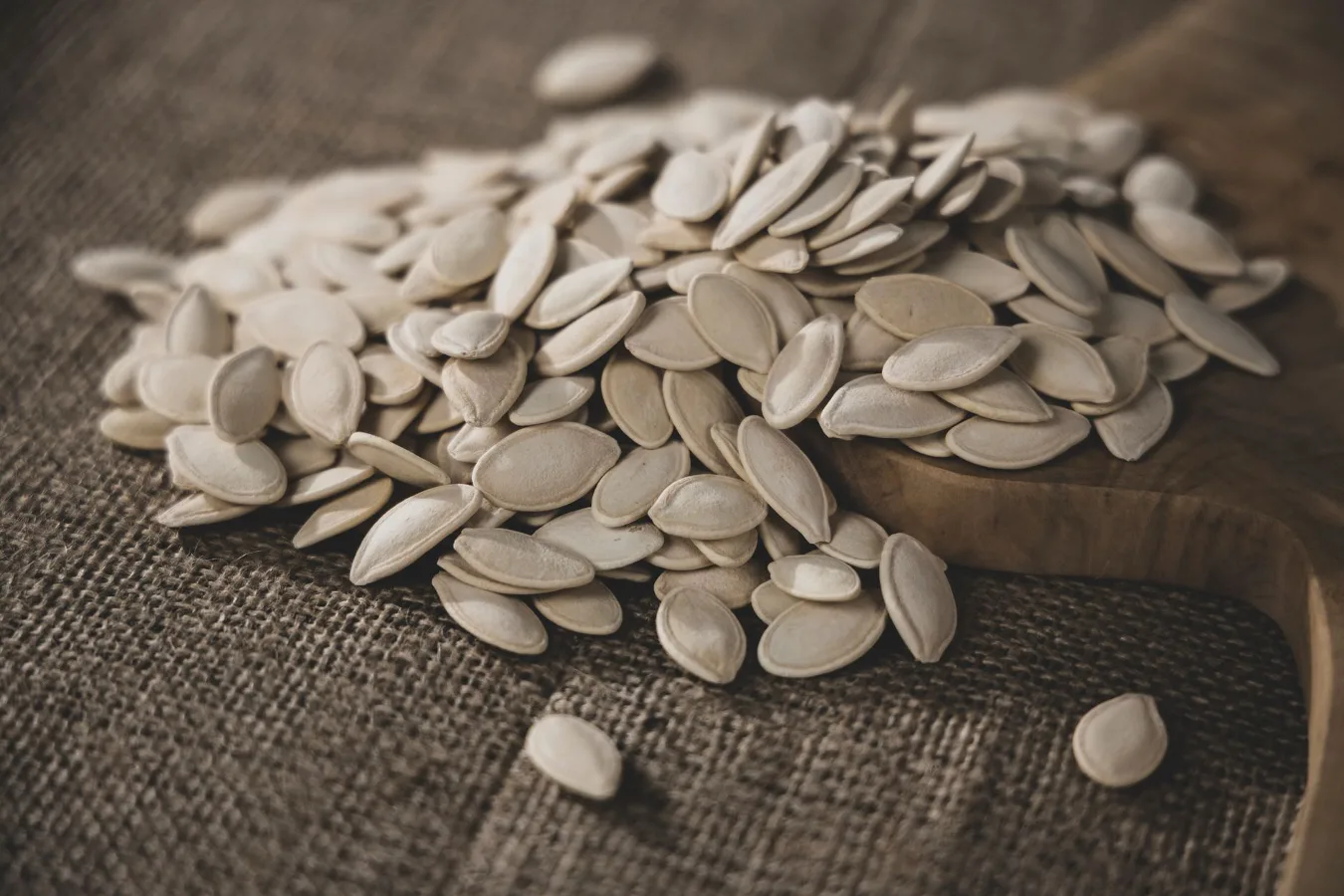
Pumpkin protein powder is usually a plant-based protein powder made from pumpkin seeds, not the orange flesh of a pumpkin. Most shoppers use the term to describe either a single-ingredient pumpkin seed protein or a blended powder that includes pumpkin seed protein along with other plant proteins, flavors, sweeteners, or added nutrients. choosing a plant-based protein blend offers more detail on this point. protein powder no artificial sweeteners offers more detail on this point.
If you are trying to choose one, the most useful question is not just “what is it?” but which kind fits your routine. Some formulas are aimed at clean-label, dairy-free use. Others are built for smoother taste, better mixability, or broader amino acid coverage when combined with pea, rice, or other plant proteins.
Quick answer: what to look for first
The best pumpkin protein powder depends on how you plan to use it. If you want a simple ingredient list, look for pumpkin seed protein as the first ingredient and minimal extras. If you want a smoother drink, a blend with vanilla, cocoa, or another plant protein may be easier to use. If you are avoiding dairy, soy, or common allergens, verify the full label carefully rather than assuming the product is automatically allergen-friendly.
For most buyers, the most important decision factors are protein source, ingredient simplicity, taste, mixability, allergen profile, and intended use. Those details matter more than the name on the front of the bag.
What pumpkin protein powder actually is
Many products marketed this way are made by removing much of the oil from pumpkin seeds and milling the remaining material into a protein-rich powder. That means the nutritional profile can vary depending on the processing method, whether the product is a concentrate or a blend, and what else is added.
A common misconception is that pumpkin protein powder is automatically the same as pumpkin seed flour. The two are not interchangeable. Flour is usually used more like a baking ingredient, while protein powders are typically formulated to raise protein content per serving. Another point to watch: some products are labeled as pumpkin-based but contain only a small amount of pumpkin-derived ingredient mixed with other proteins.
How to compare options
The label matters more than the marketing. A practical comparison starts with a few simple checks.
1. Protein source and blend
Single-source pumpkin seed protein can be appealing if you want a straightforward ingredient list. The trade-off is that some plant proteins are less complete on their own than mixed formulas, so many buyers prefer a blend. If you are comparing plant-based powders for general nutrition, the protein source should match your goal: simplicity, digestibility, or a more rounded amino acid profile.
2. Ingredient list
Shorter ingredient lists are not always better, but they are easier to evaluate. Look for additions such as sweeteners, thickeners, gums, flavor systems, or added vitamins if those matter to you. These extras can improve texture and taste, but they can also make a product less suitable if you are sensitive to certain additives or prefer a plain powder for cooking.
3. Taste and mixability
Pumpkin seed protein often has a nutty, earthy flavor. Some people enjoy that profile, while others find it too strong in plain water. If taste is important, a flavored blend may be more practical. For smoother mixing, a product designed for shakes usually works better than a minimally processed single-ingredient powder, especially if you plan to stir it into oatmeal or yogurt alternatives.
4. Protein per serving versus serving size
Do not judge a product by the serving number on the front. Compare the actual protein amount, the scoop size, and the number of calories per serving. A larger scoop is not necessarily better; it may simply dilute the protein concentration. For buyer research, the best habit is to read the Nutrition Facts panel, not just the front-label claims.
5. Allergen and dietary fit
Pumpkin protein powder is often chosen by people avoiding dairy or looking for a vegan option, but the product still needs a careful review. Cross-contact, shared facilities, and added ingredients can all matter. If you have allergies or follow a strict diet, look for clear label language and a manufacturer’s allergen statement where available.
6. Intended use
Think about how you will actually use the powder. A neutral, unsweetened powder may be better for baking and savory recipes. A flavored blend may be better for smoothies and quick shakes. If you want a meal support option, you may prefer a formula with added carbohydrates, fiber, or fats; if you want a simple protein add-in, a leaner powder may suit you better.
| What to compare | Why it matters | Best fit |
|---|---|---|
| Protein source | Changes texture, amino acid profile, and ingredient simplicity | Single-ingredient or blended formulas, depending on your goal |
| Flavor system | Affects taste and how easy it is to use daily | Smoothies, shakes, or baking |
| Sweeteners | Can improve palatability or create an aftertaste | People who prefer sweetened or unsweetened products |
| Allergen handling | Important for safety and dietary restrictions | Allergen-sensitive shoppers |
| Mixability | Changes the drinking experience and recipe performance | Quick shakes and blended drinks |
Benefits and limitations to weigh
Pumpkin protein powder can be a good fit for buyers who want a plant-based option with a distinct ingredient profile. It may also appeal to people who like seed-based nutrition or want to move away from dairy-heavy supplements.
The benefits are mostly practical: it can support higher-protein eating, it may work well in smoothies, and it gives you another option if whey, soy, or pea protein does not suit your preferences. Some formulas also fit well into vegan, dairy-free, or lower-allergen routines.
The limitations are just as important. Pumpkin protein powder is not automatically the most neutral-tasting option, and a single-ingredient product may be less satisfying in plain water. Some formulas also rely on added flavoring or sweeteners to become more user-friendly. If you want a powder that behaves like a dessert shake, that is fine; if you want a plain nutrition add-in, choose accordingly.
Another overlooked consideration is how the powder behaves in food. A product that works well in a blender may not taste as good when mixed by hand into oatmeal or yogurt. If you plan to cook or bake with it, check whether the flavor is strong enough to carry through heat and whether the texture gets gritty or pasty.
When pumpkin protein powder makes sense
It can be a sensible choice if you want:
- a plant-based protein source for everyday use
- an alternative to dairy-based powders
- a seed-derived option for smoothies or recipes
- a simpler formula with fewer ingredients
- a product that fits a vegan or dairy-free routine
It may be less appealing if you want a very mild flavor, a ready-to-drink style texture, or a formula that is optimized for maximum convenience rather than ingredient simplicity. In that case, a blended plant protein may be easier to use consistently.
Mistakes to avoid when buying
The biggest mistake is assuming all pumpkin protein powders are the same. They are not. Some are mostly pumpkin seed protein, while others use the term loosely and include other proteins or flavor systems. Always verify the ingredient list.
A second mistake is overvaluing front-label claims like “clean,” “natural,” or “superfood.” Those words can be vague. The real decision points are the protein source, the sweetener system, the allergen statement, and the serving profile.
Another common issue is choosing a powder based on protein amount alone. Higher protein is useful, but only if the taste and mixability make it realistic to use. A powder that sits untouched in the pantry does not help much. Practical fit matters.
Finally, do not ignore the difference between a supplement and a food ingredient. Some pumpkin seed powders are better suited to smoothies or baking, while others are formulated specifically as protein supplements. Using the wrong one can lead to disappointing texture or flavor. best protein powders for smoothies offers more detail on this point.
Smart alternatives if pumpkin protein is not the right fit
If you like the idea of plant-based protein but want other options, consider pea protein, soy protein, rice protein, hemp protein, or mixed plant protein blends. Each brings a different balance of flavor, texture, and dietary fit. A blend can be especially useful if you want broader nutritional coverage without relying on a single source.
If your priority is simply adding more protein to meals, you may not need a dedicated supplement at all. Greek yogurt, cottage cheese, tofu, tempeh, edamame, eggs, and legumes can all help, depending on your diet. For some readers, the most cost-effective solution is a whole-food approach plus a powder only when convenience matters.
How to use it well
Start with the smallest amount that still gives you the texture and flavor you want. Pumpkin seed protein can be strong in taste, so pairing it with banana, cocoa, berries, cinnamon, or a milk alternative may make it easier to enjoy. If you are baking, expect some trial and error because protein powders can change moisture and density in recipes.
If you want a smoother result, blending usually works better than shaking. If you plan to use it in oatmeal or yogurt, let it sit briefly so the texture can soften. For savory applications, keep the flavor profile simple and avoid overly sweet formulas.
FAQ
Is pumpkin protein powder the same as pumpkin seed protein?
Not always, but it often refers to pumpkin seed protein or a formula built around it. Check the ingredient list to see whether it is a single-source powder or a blend.
Does pumpkin protein powder taste like pumpkin pie?
Usually no. Most versions taste earthy, nutty, or mildly seed-like unless they are flavored with vanilla, spices, or sweeteners.
Is pumpkin protein powder good for smoothies?
Yes, especially if you pair it with fruit, cocoa, or a creamy base. A flavored blend is usually easier for smoothies than a plain single-ingredient powder.
Can I bake with pumpkin protein powder?
Yes, but you may need to adjust liquid and fat because protein powders can change texture. It works best in recipes that already have moisture and strong flavor.
How do I choose between pumpkin protein powder and other plant proteins?
Choose based on taste, ingredient simplicity, allergen needs, and how you plan to use it. If you want a milder flavor, another plant protein blend may be easier to live with every day.
Pumpkin protein powder is best viewed as a flexible option, not a one-size-fits-all product. If you compare it with the same care you would use for any supplement, you are more likely to find a formula that actually fits your routine.
