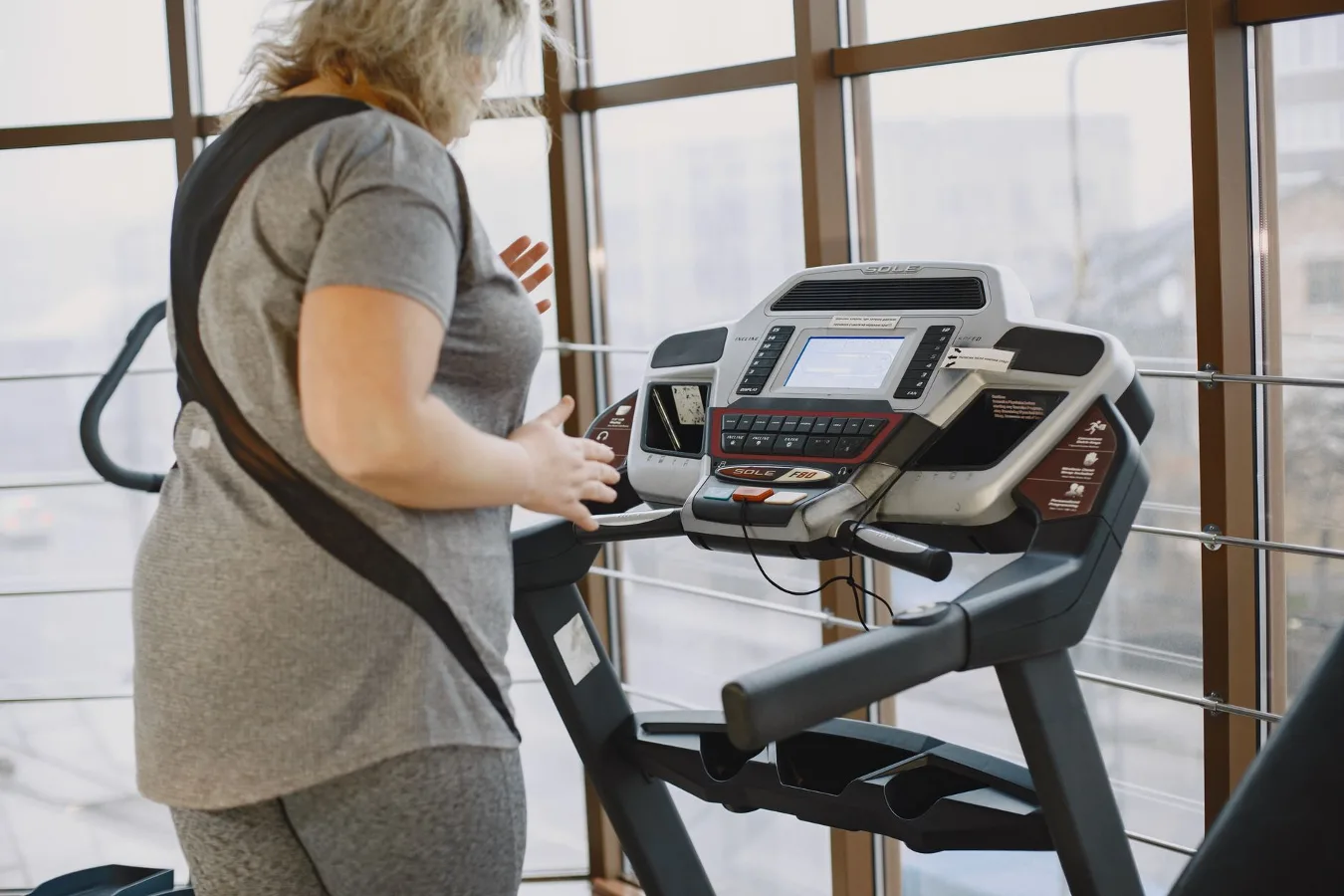
A curve treadmill is a non-motorized running machine with a bowed belt that moves only when you do. That simple design changes the experience: you set the pace, the machine responds to your stride, and the effort can feel very different from a standard motorized treadmill. manual treadmill basics offers more detail on this point.
If you are comparing fitness equipment for a home gym, studio, or commercial setting, a curve treadmill can make sense for a few specific reasons. It may appeal to runners who want a more self-driven workout, people who value low-maintenance equipment, or buyers who are looking for a space-efficient cardio option that supports walking, jogging, sprint work, and intervals. But it is not automatically the best choice for everyone, and the limitations matter. home gym cardio equipment guide offers more detail on this point.
This guide explains when a curve treadmill is worth considering, what features actually matter, and how to judge whether it fits your goals better than a motorized treadmill, air runner, rowing machine, bike, or other cardio equipment.
When a curve treadmill makes sense
A curve treadmill is worth a closer look when you want a machine that rewards natural effort rather than preset pacing. Because the belt is self-powered, the machine responds immediately to how you land and how fast you move. That makes it useful for runners who want to practice pace control, short bursts, and interval-style training without relying on speed buttons.
It can also make sense if you want to reduce mechanical complexity. Fewer moving parts and no motor mean less dependence on electronics, which is appealing in some home gym setups and in high-use studio environments where upkeep matters. For buyers who dislike treadmills that feel overly controlled or “conveyor-belt-like,” the curved format can feel more engaging.
That said, curve treadmills are not universally easier on the body or more effective for every goal. They demand more from the user, especially at the start of a workout. If your main priority is relaxed walking, rehabilitation, or steady-state cardio with minimal effort, another machine may be a better fit.
How a curved running deck changes the workout
The defining feature is the curved deck. Instead of standing on a flat, motor-driven belt, you run on a bowed surface that generally encourages you to stay centered and maintain an active stride. Many users find that this naturally shortens overstriding and makes quick turnover feel more intuitive.
That design also changes how you experience pace. On a motorized treadmill, the machine controls the belt speed. On a curve treadmill, you control the pace by where and how you step. If you slow down, the belt slows with you. If you speed up, the belt follows. For some runners, that creates a more responsive and athletic feel. For others, it takes time to adapt.
One common misconception is that a curved treadmill automatically makes every workout harder in a meaningful training sense. In reality, the workout depends on how you use it. Walking, easy jogging, short accelerations, and hard intervals all feel different. The machine does not guarantee intensity; it simply makes self-paced effort the center of the experience. True Treadmills: How to Choose the Right One offers more detail on this point.
Buyer guide: what to compare before you choose
Choosing a curve treadmill is less about chasing a feature list and more about matching the machine to the way you plan to train. The most useful comparison points are practical ones: running feel, size, stability, comfort, noise, maintenance, and who will actually use it.
1) Running feel and stride compatibility
Try to understand how the deck supports your gait. Curve treadmills often feel best for users who run with a midfoot or forefoot landing and like an active, rhythmic stride. They may feel awkward for people who prefer a long, relaxed stride or who are accustomed to motorized treadmills with a flatter running surface.
Pay attention to how the machine handles transitions. If you plan to use it for interval training, you want a deck that lets you accelerate and decelerate smoothly. If you plan to walk, the setup should not feel unstable or overly demanding at slower speeds.
2) Walking, jogging, and sprint versatility
Some buyers assume every curve treadmill is best only for sprinting. That is too narrow. A better question is whether the machine matches your normal training mix. If you want one machine for warm-ups, recovery jogs, and hard efforts, a curve treadmill can be versatile. If you mainly want long, easy walks, the curved design may feel less comfortable than you expect.
Use-case fit matters here. The best choice for a runner doing short intervals is not always the best choice for someone who wants to log relaxed daily movement. A machine that feels exciting for 20-minute sessions can be tiring for longer, lower-intensity use.
3) Size, footprint, and room layout
Curve treadmills often look sleek, but they still require enough floor space for safe mounting, dismounting, and movement around the machine. Measure the actual area you have, not just the room itself. Consider ceiling clearance, side clearance, and where the machine will sit relative to mirrors, walls, and other equipment.
This is an overlooked consideration: some buyers focus on the curved deck and forget the practical space needed to step on and off confidently. In a home gym, a machine that technically fits can still feel cramped if you cannot approach it comfortably from both sides.
4) Stability and user confidence
Stability matters more than many first-time buyers expect. A curve treadmill should feel planted under normal use, especially during acceleration. If multiple people will use it, or if you are new to self-powered treadmills, confidence on the deck is essential.
Look for solid frame construction, a secure handrail or support points if available, and a running surface that feels predictable underfoot. The goal is not just durability. It is trust. When a machine feels steady, users are more likely to use it consistently.
5) Noise and household fit
Curve treadmills are often attractive to people who want to avoid the motor noise of a traditional treadmill. Still, quiet does not mean silent. Foot strike, belt movement, and the mechanical sounds of a hard workout can all be noticeable, especially in apartments or shared homes.
If your workout area is near bedrooms, offices, or shared walls, think beyond the machine itself. Flooring, matting, and the force of your stride can all influence how much sound travels. The same model may feel acceptable in a garage gym and disruptive in a second-floor apartment.
6) Maintenance expectations
One of the main benefits of a non-motorized treadmill is lower mechanical complexity. But lower complexity is not zero maintenance. The belt, frame, and running surface still need attention, and you should be prepared for regular cleaning and basic upkeep.
For many buyers, this is a real advantage because it reduces the number of motor and electronics concerns. Still, the machine should be treated as an investment that needs care, not a purchase you can ignore for years and expect the same performance.
7) Learning curve and user experience
A curve treadmill can be easier to understand than a motorized treadmill in one sense: you simply start moving. But the feel of the machine can be unfamiliar at first. New users sometimes need time to learn how to generate pace efficiently without feeling like they are fighting the belt.
If several household members will use the machine, consider whether the least experienced user will feel comfortable on it. The learning curve is a legitimate decision factor, especially for buyers who want a machine that feels approachable on day one.
Examples of the kinds of buyers who tend to benefit
Not every shopper needs the same machine. A curve treadmill is often a better match for one of these use patterns:
- Runners focused on intervals or speed sessions who want fast pace changes without digital controls.
- Home gym owners who prefer a manual, lower-maintenance cardio machine.
- Studios or training spaces that expect frequent use and want a durable self-powered option.
- Users with limited space who want one machine that can support different cardio intensities without the bulk of a large motor housing.
- People who enjoy a more engaged running feel and dislike being dictated by preset treadmill speed.
On the other hand, a curve treadmill may be a weaker fit for people whose main goals are long-duration walking, gentle aerobic work, or low-impact rehab-style exercise. The curved profile can feel demanding even at modest pace.
Trade-offs you should weigh honestly
Every fitness machine has trade-offs, and a curve treadmill is no exception. The biggest advantage is the active, self-powered design. The biggest drawback is that the same design can feel less forgiving, especially for casual users or anyone expecting a traditional treadmill experience.
Another trade-off is versatility versus comfort. A curve treadmill can support many training styles, but it does so through user effort. If you like training that feels more athletic and immersive, that is a strength. If you prefer a machine that does more of the work for you, it is a drawback.
There is also a practical value question. A curve treadmill may offer a strong workout and lower maintenance, but the best value depends on whether you will actually use it consistently. A machine that looks impressive but sits unused is never a good buy, no matter how well it is built.
Common mistakes buyers make
People shopping for curve treadmills often make the same avoidable mistakes:
- Assuming it is a premium upgrade for everyone. It is a different training tool, not a universal improvement over a motorized treadmill.
- Ignoring the learning curve. Some users adapt quickly; others need time and practice.
- Underestimating space needs. A machine may fit on paper but feel awkward in the room.
- Choosing only by appearance. Sleek design does not guarantee comfort, stability, or suitability.
- Overlooking the planned workout style. Interval runners and daily walkers often need very different machines.
A useful rule is to start with your real routine, not the feature that sounds most exciting. If your usual cardio session is a brisk walk and a few minutes of light jogging, buy for that use case first.
Alternatives worth considering
If you are not sure a curve treadmill is the right fit, compare it against a few realistic alternatives.
Motorized treadmill
A traditional treadmill is usually better for users who want controlled speeds, incline settings, and a familiar walking or running surface. It is often easier for beginners and better for long steady sessions. The trade-off is more maintenance and a more complex machine overall.
Air runner or other self-powered treadmill
Some self-powered machines use different deck designs and resistance systems. They can be appealing for athletes who want a hard workout and quick pace changes. The best choice depends on how natural the stride feels and whether the running surface suits your training style.
Rowing machine or stationary bike
If your main goal is cardio with less impact than running, these may be smarter choices. They can also be better for shared homes because they usually demand less floor space and may be easier to use for longer sessions. The downside is that they train movement patterns differently from running.
Elliptical trainer
An elliptical can feel more joint-friendly for some users and may be easier to sustain for longer durations. If you want a treadmill-like cardio session without the impact of running, it deserves consideration. It will not replace running practice, though.
Simple checklist before you buy
Use this checklist to narrow your choice:
- Does the machine match your main workout style: walking, jogging, intervals, or mixed cardio?
- Will the intended users feel comfortable learning it?
- Do you have enough space for safe access and movement around the machine?
- Does the build feel stable enough for the intensity you plan to use?
- Are you comfortable with a self-powered, manual running experience?
- Is lower maintenance a priority for your setup?
- Would a motorized treadmill, bike, or rower serve your goals better?
If you can answer those questions clearly, you are much less likely to buy based on hype alone.
Final buying perspective
A curve treadmill is best understood as a specialized cardio tool, not a one-size-fits-all treadmill replacement. It can be an excellent choice for runners who value self-paced training, quick effort changes, and a more active feel. It can also be a smart fit for buyers who want a simpler machine with fewer moving parts than a traditional motorized treadmill.
At the same time, the curved design has real limitations. It may not be the most comfortable option for casual walkers, beginners who want an easy learning curve, or anyone focused on low-intensity steady cardio. The smartest purchase is the one that matches your actual routine, your space, and your willingness to use the machine consistently.
If you are comparing cardio equipment for a home gym or training space, a curve treadmill deserves a place in the conversation. Just compare it on practical grounds, not novelty alone.
