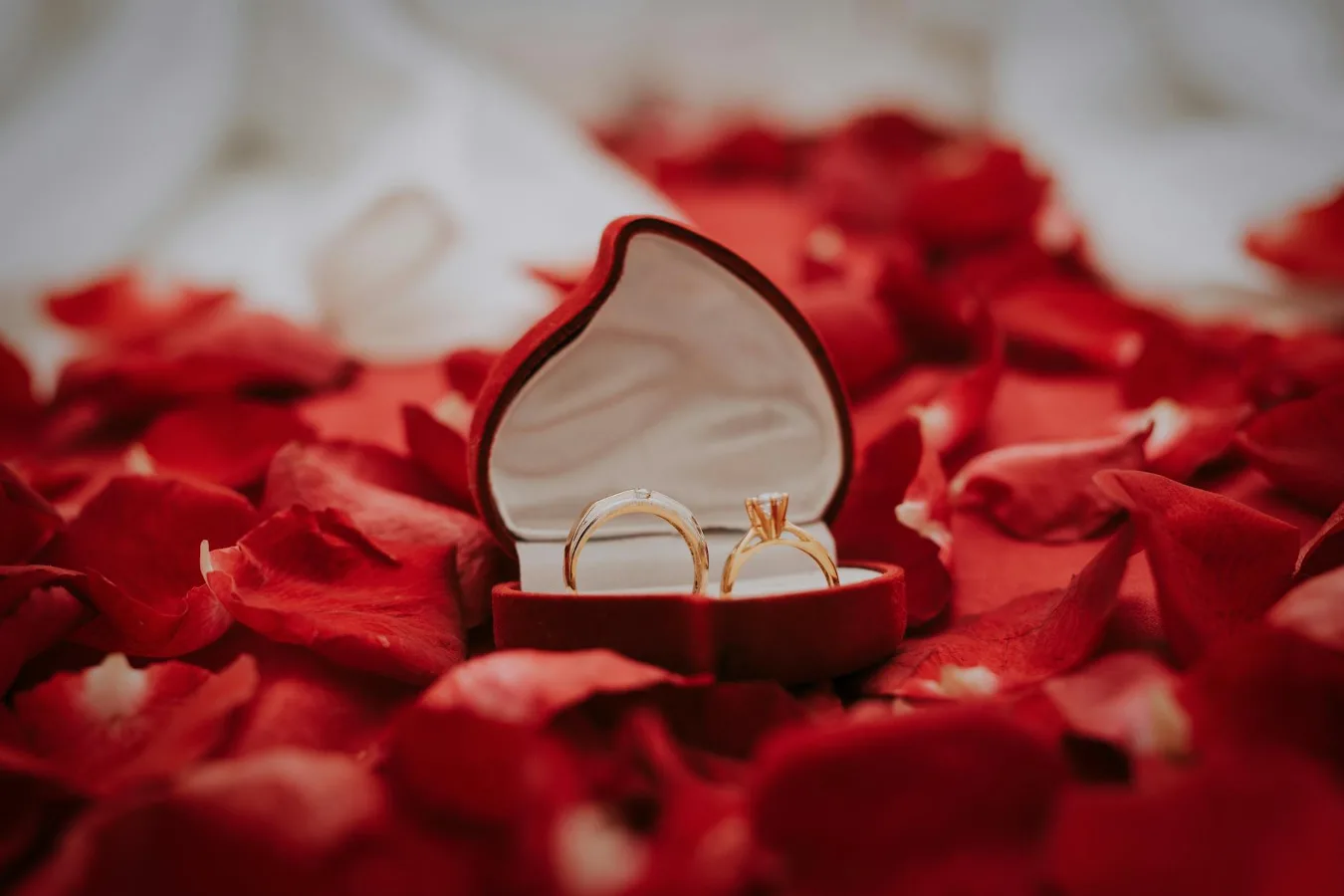
Gold and rose gold engagement rings appeal to shoppers who want a warm-toned ring that feels classic, flattering, and easy to style. The main choice is not just color. It is also about how the metal looks with your skin tone, how much maintenance you want, whether you plan to pair the ring with a wedding band, and how the setting will hold up in daily wear. flat back earrings tips offers more detail on this point. Bezel Engagement Rings: A Clear Buying Guide offers more detail on this point.
Why these two metals are compared so often
Gold and rose gold sit in the same family of precious metal jewelry, but they create different moods. Yellow gold has a traditional, rich look that reads timeless and refined. Rose gold has a softer blush tone that can feel romantic, vintage-inspired, or slightly modern depending on the design.
For engagement rings, the comparison matters because the metal color influences the whole ring. It affects how a center stone appears, whether accent stones stand out, and how easily the ring coordinates with other jewelry. A ring that looks elegant in a photo may feel very different on the hand, especially under everyday lighting.
Start with the look you want to wear every day
The easiest way to narrow the choice is to think about your personal style over the long term. Engagement rings are usually worn often, so the best metal is the one you will still like after the trend cycle moves on.
Yellow gold gives a classic, brighter warmth
Yellow gold has long been a familiar choice for bridal jewelry. It tends to complement traditional settings, especially solitaire rings, three-stone designs, and vintage-inspired details. It can make a diamond look a little warmer and can work well if you already wear gold-toned jewelry.
Yellow gold is also straightforward from a styling standpoint. If your everyday jewelry, watch, or earrings are already gold, the ring will blend in naturally. For many shoppers, that consistency is part of the appeal.
Rose gold feels softer and more distinctive
Rose gold has a pinkish tone created by blending gold with copper in the alloy. That rosy color can feel delicate and romantic without looking overly ornate. It often pairs well with oval, pear, cushion, and round center stones, especially if the goal is a softer overall finish.
One practical nuance: rose gold can sometimes appear more subtle in certain lighting, while in other settings it becomes noticeably blush. That variation is part of its charm, but it is worth seeing in person if possible because photos do not always capture the true tone.
Material choice is also about durability and maintenance
Shoppers often focus on color first and metal composition second, but the alloy mix matters for daily wear. Engagement rings need to handle regular contact, occasional knocks, cleaning, and the long-term stress of being worn frequently.
Gold purity levels are commonly discussed in terms like 14k and 18k. Without getting lost in numbers, the general trade-off is simple: higher gold content usually gives a richer color, while lower gold content often has more alloy metal mixed in, which can change durability and hardness characteristics. For everyday wear, the right balance depends on how gently you treat your jewelry and how much wear resistance you want from the ring.
Rose gold has its own practical consideration. Because the color comes from copper in the alloy, it may feel like a slightly different aesthetic choice than yellow gold, but it is still part of the gold family. The main maintenance question is not whether it is “better,” but whether you prefer a warm tone that is a little softer and more distinctive.
How center stones interact with each metal
The metal you choose changes the visual effect of the stone more than many buyers expect. A diamond or gemstone does not exist in isolation; the setting acts like a frame.
- Diamonds on yellow gold often read warm, traditional, and balanced.
- Diamonds on rose gold can look softer and more romantic, especially in vintage or halo settings.
- Colored gemstones may shift in appearance depending on the warmth of the surrounding metal.
There is also a common misconception that one metal always makes a diamond appear “brighter” than the other. In reality, the overall look depends on the stone’s color grade, cut, setting style, and the amount of metal visible around the center stone. A well-designed setting matters as much as the metal color itself.
Consider the ring setting, not just the band color
The same metal can look dramatically different depending on the setting. A slim solitaire in yellow gold feels very different from a pavé halo in rose gold. This is why ring shoppers should think in terms of the complete design, not only the band.
Some settings naturally suit warm metals better than others:
- Solitaire settings keep the focus on the stone and make the band color feel clean and intentional.
- Halo settings can amplify a romantic look, especially with rose gold.
- Vintage-style settings often pair well with either yellow gold or rose gold because both metals support a softer, nostalgic feel.
- Minimal bezel settings can look sleek in either metal, with the choice driven more by style preference than tradition.
A useful decision-making insight: if the ring design is detailed, the metal color becomes part of the visual architecture. If the ring is simple, the metal color carries more of the style identity on its own.
Matching a wedding band matters more than many buyers expect
Another overlooked consideration is how the engagement ring will pair with a future wedding band. A beautiful ring can become difficult to style if the metal color, profile, or setting shape does not leave room for a comfortable match.
Yellow gold usually offers the simplest pairing with a yellow gold band. Rose gold can be similarly easy if you want a cohesive set. The challenge appears when mixing metals or choosing an engagement ring with a low basket, wide halo, or unusual shape that may prevent a flush fit. choosing the right engagement ring metal offers more detail on this point.
If you think you may want a curved band, contour band, or mixed-metal set later, check the setting height and shank shape early. That practical step can prevent frustration later and may influence whether gold or rose gold feels like the smarter base metal.
Skin tone is worth considering, but it should not be the only factor
Shoppers often hear that yellow gold suits warm skin tones and rose gold suits fairer skin, but that rule is too rigid. Both metals can work across many skin tones. The more helpful question is whether you prefer contrast or harmony.
Yellow gold may stand out more vividly on some complexions, while rose gold can blend softly and create a subtle flush of color. Since the ring will be worn near the hand, wrist jewelry and existing wardrobe colors may matter more than broad skin-tone rules.
If you are unsure, try comparing the metals next to the fabrics, watch, and earrings you wear most often. That context is often more revealing than a generic styling chart.
Think about care habits before you choose
Every engagement ring needs regular care, but some finishes and styles show wear more readily than others. A warm-toned metal can hide certain marks well, yet it still benefits from consistent cleaning and periodic inspection.
Use-case suitability matters here. If the ring will be worn while traveling, commuting, exercising lightly, or moving between work and social settings, it should be chosen with practical care in mind. A more detailed setting may require more attention around the stone’s edges and under-gallery. A simpler design is often easier to keep looking neat.
For either metal, the basic care logic is the same: store it safely, avoid unnecessary exposure to harsh chemicals, and check the setting periodically. The difference is that rose gold and yellow gold can create different visual impressions as they age, so the way a ring develops patina or surface marks may affect your preference.
When rose gold is the better choice
Rose gold makes sense if you want a softer, more expressive look without moving into overtly decorative territory. It is especially appealing if you like vintage-inspired jewelry, warmer gemstone pairings, or a ring that feels slightly less expected than yellow gold.
It can also be a smart choice if you already wear jewelry with blush, copper, or soft neutral tones. Many people choose rose gold because it feels distinctive while still being versatile enough for everyday wear.
That said, rose gold is not automatically the most practical choice for every shopper. If you want a ring that blends easily with existing yellow-gold pieces, or you strongly prefer a more traditional bridal look, yellow gold may be the more comfortable fit.
When yellow gold is the better choice
Yellow gold is usually the better fit if you want a classic engagement ring with broad styling flexibility. It works well for traditional solitaires, heirloom-inspired designs, and rings that should coordinate with other gold jewelry with minimal effort.
It is also a strong option if you are drawn to a more recognizable bridal look. For many buyers, the appeal is not just appearance but familiarity. Yellow gold tends to read as timeless rather than trend-driven, which can be reassuring for a piece meant to last for years.
If you like the warmer family of metals but do not want the pink cast of rose gold, yellow gold is the cleanest choice. It offers warmth without changing the overall tone of the stone and setting as dramatically.
Common mistakes to avoid
One common mistake is choosing based on a single photo. Lighting, editing, and stone shape can make rose gold appear more muted or more saturated than it really is. Yellow gold can also look brighter or deeper depending on the image.
Another mistake is ignoring the wedding band. A ring can be beautiful on its own but awkward once paired with a second band. This is especially relevant for low-set or highly detailed rings.
A third mistake is treating metal color as a purely aesthetic choice. In reality, the finish, stone setting, daily wear habits, and maintenance preferences all affect whether the ring feels right over time.
Finally, do not assume the “best” choice is the most popular one. The best ring is the one that fits your style, your routine, and the kind of wear you expect from an everyday piece of fine jewelry.
How to decide with confidence
If you are choosing between gold and rose gold engagement rings, use the ring itself as the decision filter. Ask which metal best suits the center stone, which tone works with your existing jewelry, and which setting will be easier to live with every day.
A simple way to decide is this:
- Choose yellow gold if you want a traditional, classic, and highly versatile look.
- Choose rose gold if you prefer a softer, romantic, and slightly more distinctive tone.
- Choose based on the full set if you already know you want a coordinated wedding band or a specific setting shape.
If you are still undecided, look at the ring as part of a long-term wardrobe, not just a proposal moment. The most satisfying engagement ring is usually the one that feels natural in everyday life, fits your future stacking plans, and still looks like you years from now.
