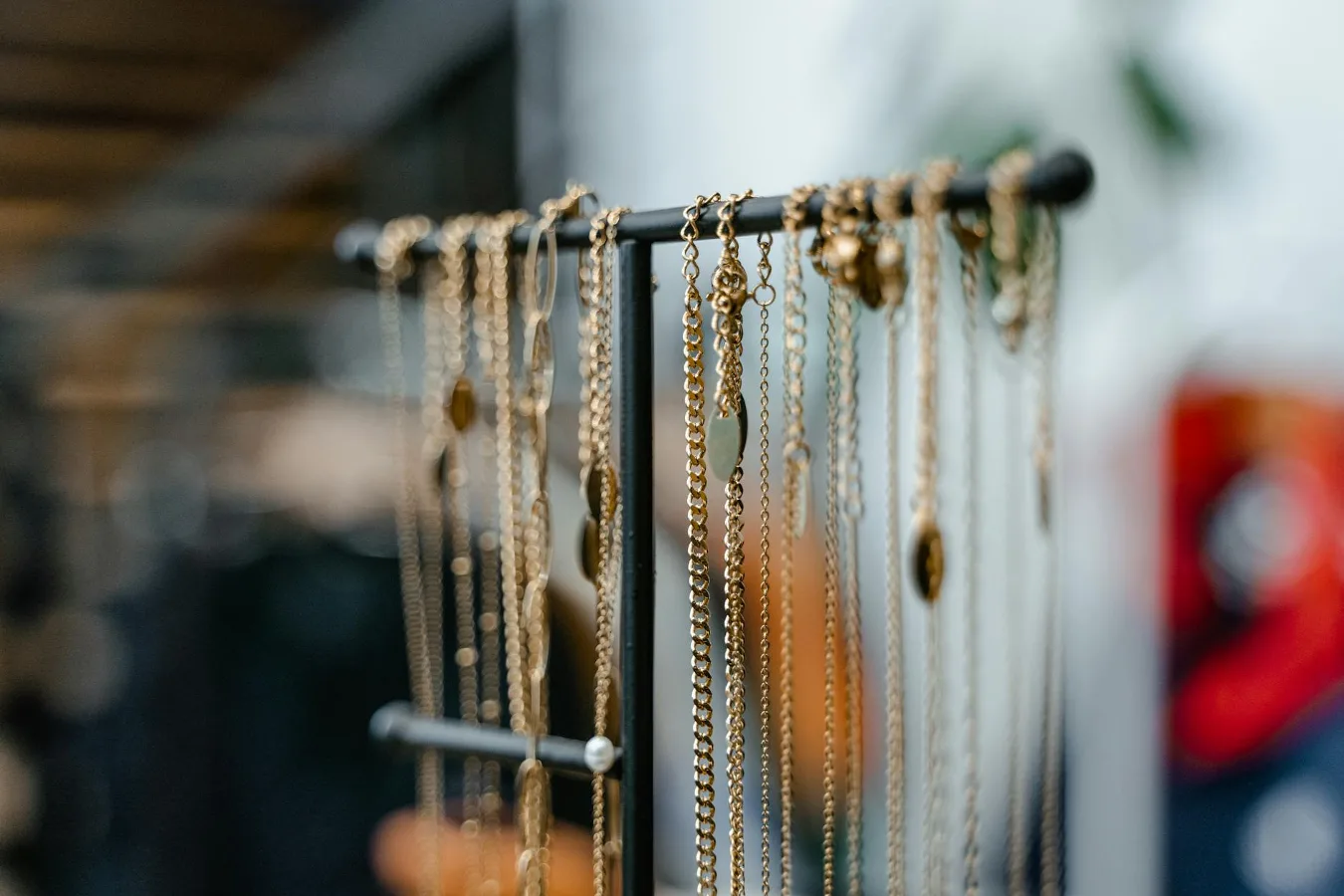
A paperclip necklace is a chain necklace built from elongated links that resemble paperclips rather than round or oval chain links. Its appeal is straightforward: it looks modern, works well for layering, and can read as either delicate or bold depending on the link size, metal, and finish. jade necklace offers more detail on this point.
If you are comparing options before buying, the main questions are not complicated: how substantial do you want the chain to look, which metal works best for your wardrobe, and whether you want a piece that stands alone or layers easily with other necklaces. Those choices matter more than trend language or brand names. chain necklace buying guide offers more detail on this point.
Why the paperclip necklace has become so popular
The style sits in an unusual middle ground. It feels cleaner than a classic rope or curb chain, but less fussy than a pendant necklace. That balance makes it easy to wear with T-shirts, knitwear, button-downs, and simple dresses without competing with the rest of the outfit.
Another reason it keeps showing up in jewelry collections is flexibility. A paperclip necklace can look understated in a fine chain version, or more fashion-forward when the links are larger and the silhouette is more visible. Some versions are intended to be worn alone, while others are designed to be layered with shorter chains or a small pendant.
A common misconception is that all paperclip necklaces look the same. In practice, the proportions change the feel dramatically. Smaller links can read polished and delicate. Larger links can feel architectural and statement-driven. The finish also matters: high-shine metals look more formal, while softer finishes tend to feel more casual.
The key factors that matter before you buy
Link size and visual weight
Link size is the first detail worth paying attention to because it determines how the necklace will read on your neck and in photos. Smaller links usually feel more minimal and can disappear under certain fabrics, which is useful if you want a subtle everyday chain. Larger links are more visible and create a stronger style statement, but they can also feel heavier or more fashion-specific.
Think about how often you want the necklace to stand out on its own. If you plan to layer it, a medium or fine link size often gives you more flexibility. If you want one necklace to do the work of a whole look, a larger chain may be the better fit.
Metal choice and skin sensitivity
Metal choice affects more than color. It influences maintenance, durability, and comfort. Gold-toned and sterling silver versions are common starting points, but the best choice depends on how you wear jewelry day to day. If you already wear mostly warm-toned pieces, a gold paperclip necklace may feel easier to integrate. If your wardrobe leans cool-toned, silver can look more cohesive. gold and rose gold engagement rings offers more detail on this point.
For sensitive skin, the actual metal composition matters more than the look of the finish. Not all jewelry labeled as gold or silver is made from the same materials, so it is worth checking what the chain is made of and whether the finish is plated, filled, or solid. Plated pieces can be attractive and accessible, but they usually require more care than solid metal versions.
Length and placement on the neckline
Length changes the role the necklace plays. A shorter paperclip necklace sits closer to the collarbone and can feel more polished or refined. A longer chain creates a looser, more relaxed line and often works well with layering. Adjustable chains can be especially useful because they let you adapt the piece to different necklines.
One overlooked consideration is how length interacts with your most common clothing shapes. A chain that looks great with a crew neck may not sit as nicely over a turtleneck or v-neck. If you wear a lot of one neckline style, choose a length that complements it instead of treating the necklace as a standalone object.
Clasp type and ease of wear
Because paperclip necklaces often have elongated links, the clasp can affect how easy the piece is to fasten and how secure it feels during wear. A lobster clasp is common and practical, especially if you put jewelry on without help. Some styles include extender chains or front-toggle designs, which can add convenience or visual interest.
If you plan to layer, the clasp should be easy enough to manage without disturbing other necklaces. That may sound minor, but it affects how often the necklace actually gets worn.
Finish, polish, and overall style direction
A highly polished paperclip necklace tends to read more dressy and crisp. A brushed or softer finish feels quieter and can be easier to wear casually. The finish also affects how noticeable scratches and wear marks become over time.
For a jewelry wardrobe built around versatility, a medium-shine finish is often the safest choice. It usually moves more easily between casual and elevated settings than very glossy or heavily textured versions.
How to choose the right paperclip necklace for your use case
If you want a necklace for everyday wear, prioritize comfort, moderate weight, and a length that sits cleanly with your usual tops. A fine or medium paperclip chain is usually the most adaptable option because it layers well and does not dominate the outfit.
If you want a fashion-forward piece, focus on proportion and presence. Larger links, bolder metal tones, or mixed textures can make the necklace feel more directional. The trade-off is that these pieces are often less subtle, so they may not fit every setting equally well.
If you are shopping for a gift, versatility is usually the safest route. A mid-length chain in a widely wearable metal tone is less risky than an oversized statement piece. Adjustable length is especially useful for gifting because it gives the wearer more styling options without needing precise neckline planning.
Styling considerations that make a difference
Paperclip necklaces are popular because they layer easily, but layering only works when the proportions are balanced. A common mistake is pairing chains that are too similar in length or scale. When necklaces compete, the result can look cluttered rather than intentional.
A cleaner approach is to vary at least one of these elements: length, link shape, chain thickness, or presence of a pendant. For example, a paperclip necklace can anchor a layered look when paired with a shorter, finer chain or a longer pendant necklace. If the chain itself is substantial, it may be best to let it be the main feature.
Neckline matters too. Paperclip chains often work well with open necklines, crew necks, and button-downs worn slightly open. They can also sit nicely over smooth knitwear if the chain is long enough to lie flat. On busier prints or highly textured fabrics, a simpler chain is often easier to style than one with lots of visual presence.
One practical nuance: longer paperclip necklaces can catch on certain fabrics or twist more visibly when worn with structured layers. That does not make them a poor choice, but it does make low-friction clothing pairings more important if you want the necklace to stay neat throughout the day.
Durability, care, and long-term value
For long-term value, the most important question is not whether the necklace is trendy. It is whether the construction matches how you actually wear jewelry. If you want a piece for frequent use, check the link structure, clasp quality, and metal type carefully.
Delicate paperclip chains can be elegant, but they may require more caution than sturdier versions. If you tend to sleep in jewelry, exercise in it, or wear it under a lot of friction from bags and scarves, a more robust chain is likely to be the better option. Thin chains can still be worthwhile, but they usually reward careful handling.
Care is straightforward, but consistency matters. Store the necklace separately when possible to reduce tangling and scratching. Wipe it gently after wear if it picks up oils, lotions, or perfume. If the piece is plated, avoid assuming it will age like solid metal; more careful storage and cleaning help preserve the finish.
A overlooked consideration is how often you want to polish and inspect the necklace. A highly reflective finish shows wear more easily, which can be fine if you enjoy keeping jewelry pristine. If you prefer lower-maintenance pieces, a more forgiving finish may be a better fit.
When a paperclip necklace is not the best choice
Paperclip necklaces are versatile, but they are not universal. If you prefer jewelry that disappears into an outfit, a very fine chain or a classic cable chain may be more subtle. If you want a strong focal point with gemstones or a pendant, a paperclip chain may feel too plain on its own.
They can also be less ideal if you need something extremely low-maintenance and durable for constant wear. In that case, a sturdier chain design with fewer exposed edges may be easier to live with. Likewise, if your wardrobe relies heavily on ornate or vintage-inspired pieces, the clean geometry of a paperclip necklace may feel too modern.
Alternatives worth considering
If you like the simplicity of a paperclip necklace but want to compare styles, a few alternatives are worth a look:
- Cable chain: more classic and understated, often a safer choice for pure everyday wear.
- Curb chain: usually has a more traditional, denser look with stronger visual presence.
- Box chain: clean and structured, with a more geometric feel.
- Snake chain: smooth and polished, better if you want a sleeker surface without obvious links.
- Pendant chain: best if you want the necklace to center a specific charm or stone.
These alternatives are useful benchmarks. If you find yourself wanting less edge and more softness, or more presence and less minimalism, comparing chain types can make the right direction obvious.
Practical buying guidance
If you are choosing a paperclip necklace online, read the product details carefully rather than relying only on the image. Photos can make a chain look thicker, shinier, or longer than it really is. Look for clear information about length, link proportions, metal type, finish, clasp style, and whether the chain is adjustable.
Try to match the piece to how you already wear accessories. If your jewelry style is mostly minimal, a medium or fine paperclip chain will probably integrate more smoothly than a very bold version. If you wear a lot of structured jackets, open collars, or layered necklaces, a more pronounced chain may give you better visual balance.
Value is not just about price. A piece that fits your wardrobe, holds up to your routine, and gets worn often is usually better value than a more decorative necklace that only works for special occasions. That is especially true with chain jewelry, where proportion and comfort matter as much as appearance.
If you want the most adaptable option, start with a mid-length paperclip necklace in a metal tone that matches the majority of your current jewelry. From there, you can decide whether your next chain should be thinner, longer, shorter, or more statement-oriented. That approach builds a more useful collection than buying based on trend alone.
Decision guide: which paperclip necklace fits you best?
Choose a finer paperclip necklace if you want a subtle, everyday layer that works with most outfits and does not overpower smaller frames or simple necklines. Choose a medium-weight version if you want the best balance of versatility and visibility. Choose a larger-link design if you want the chain itself to be the focal point.
If you are unsure between gold and silver, base the decision on your existing jewelry and wardrobe rather than trying to force a new direction. The most wearable necklace is usually the one that fits into what you already own. That simple rule often matters more than chasing the latest trend cycle.
For many shoppers, the best paperclip necklace is the one that solves three problems at once: it layers cleanly, feels comfortable enough for regular wear, and has enough presence to look intentional when worn alone. If it does those three things well, it will earn its place in your collection quickly.
