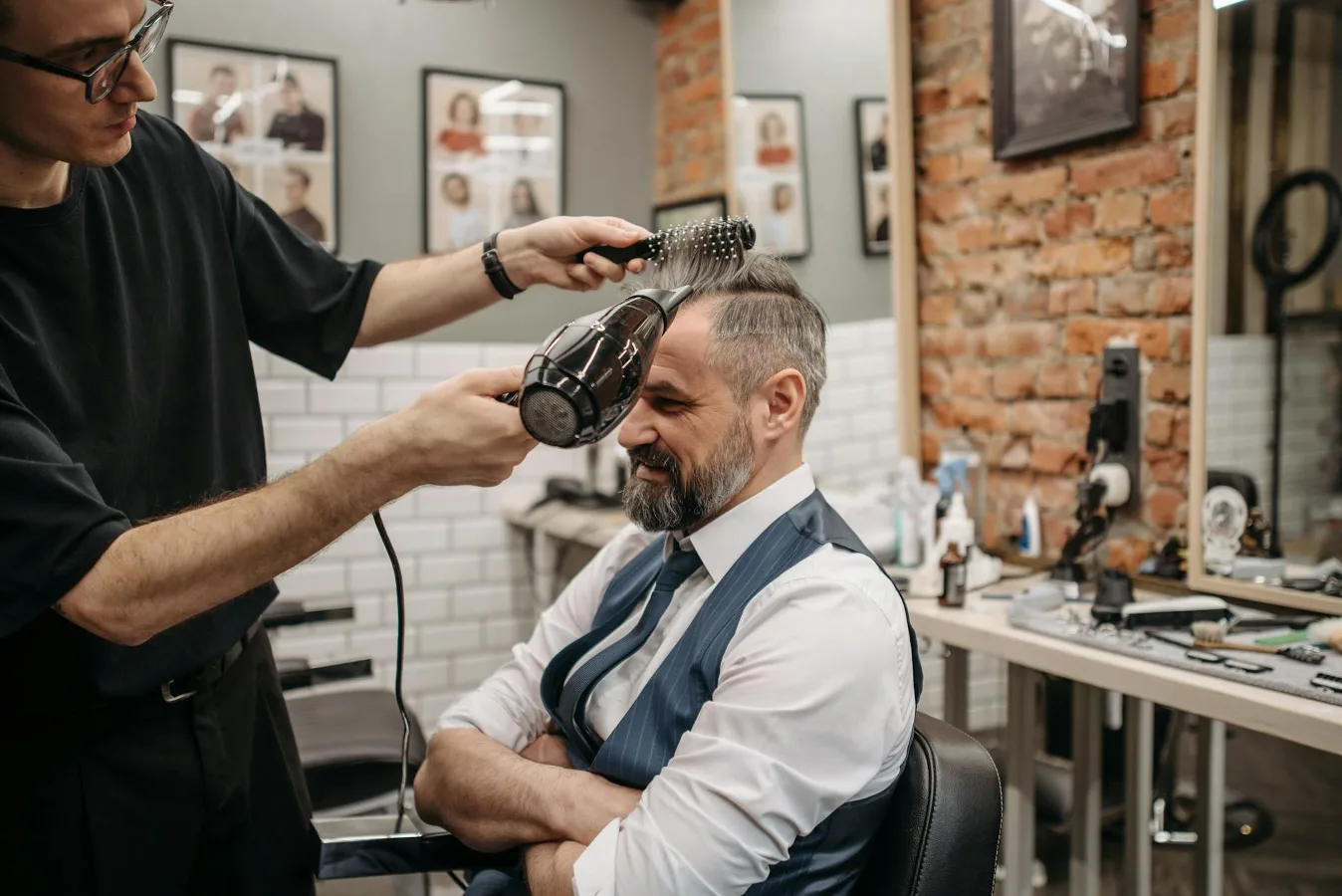
If you are comparing a heat gun vs a hair dryer, the short answer is this: a hair dryer is made for drying and styling hair, while a heat gun is a much hotter, more aggressive tool built for DIY and repair work. They may look similar from a distance, but they are not interchangeable for most beauty tasks. hair styling tool basics offers more detail on this point. gold n hot hair dryer offers more detail on this point.
For beauty use, a hair dryer is the safer and more practical choice. A heat gun can deliver far more heat than hair or scalp can handle, which makes it risky for styling, drying, or trying to speed up a beauty routine. The comparison matters because people sometimes assume higher heat means better results. In reality, that is usually the wrong way to think about it.
Quick answer: which one should you use?
Use a hair dryer for hair. It is designed to move air through hair, help evaporate water, and support styling with attachments like a concentrator or diffuser. Most modern blow dryers also offer multiple heat and speed settings, which gives you control for different hair types and styling goals.
Use a heat gun for non-beauty tasks such as paint stripping, heat-shrinking materials, loosening adhesives, or other workshop and craft jobs. A heat gun is not a substitute for a blow dryer in a beauty routine. Its concentrated heat can damage hair very quickly and may create a burn risk for skin, scalp, or nearby surfaces.
If your real question is whether a heat gun can replace a hair dryer in a pinch, the practical answer is still no for most people. Even if both tools blow hot air, the design intent, temperature range, airflow behavior, and safety profile are different enough that the hair dryer is the right tool for grooming.
How the two tools differ in real use
The easiest way to understand the comparison is to look at what each tool is built to do.
| Factor | Heat gun | Hair dryer |
|---|---|---|
| Primary purpose | DIY, repair, crafting, material shaping | Drying and styling hair |
| Heat intensity | Much higher and more concentrated | Lower and more controlled |
| Airflow | Focused, task-driven airflow | Designed for hair drying and styling balance |
| Safety around skin and hair | Generally not suitable | Designed for direct use near the body |
| Common attachments | Specialized nozzles for projects | Diffusers, concentrators, comb attachments |
| Best use environment | Workshop, garage, craft area | Bathroom, dressing area, salon-like setting |
A common misconception is that a heat gun is simply a more powerful hair dryer. That is misleading. Power alone is not the point. A beauty tool needs to balance heat, airflow, and usability in a way that makes sense for hair. A heat gun is designed to deliver focused thermal output for materials that can tolerate it. Hair generally cannot.
Why a hair dryer is the better beauty tool
Hair dryers are made with actual grooming behavior in mind. That affects both the performance and the experience.
More appropriate temperature control
Hair dryers typically offer multiple heat and speed settings so you can adjust based on hair thickness, texture, and styling goal. That flexibility matters because fine, color-treated, damaged, curly, or coarse hair often needs very different handling. A lower setting can help reduce unnecessary dryness and make styling easier to control.
Better airflow for drying hair, not scorching it
The job of a hair dryer is not just to make air hot. It is to move air through damp hair efficiently so moisture can evaporate without overwhelming the hair shaft. That’s why airflow design matters as much as heat. A well-matched dryer can help with smoothing, root lift, diffuser drying, and quick touch-ups.
Attachments support different styling needs
Many hair dryers are used with a diffuser for curls and waves, or a concentrator nozzle for sleeker blowouts. Some include comb or pick-style attachments for textured hair. These tools are part of why blow dryers are versatile in beauty routines, while heat guns are not.
Designed for use near the scalp and face
This is one of the biggest practical differences. A hair dryer is intended to be handled close to the head and face with normal caution. A heat gun is not. The temperature output and concentrated stream make it unsuitable for the skin-contact expectations of beauty styling.
Where a heat gun fits and why it is not a beauty substitute
A heat gun has legitimate uses, just not in most hair or skincare scenarios. It is commonly associated with tasks that involve softening, loosening, shrinking, or reshaping materials. That can include crafts, repairs, labels, vinyl, adhesives, and similar projects.
The overlooked consideration here is not just heat level. It is heat concentration. A heat gun can deliver a highly focused stream that may be fine for a surface project but far too intense for hair. Hair can dry out, become brittle, or suffer thermal damage quickly when exposed to the wrong kind of heat source.
There is also a practical safety issue: if you are standing close enough for beauty styling, you are close enough to overheat skin or scalp with a heat gun. That makes it a poor choice even for short, casual use.
How to choose the right hair dryer instead
If your goal is beauty use, the better comparison is not heat gun vs hair dryer, but which hair dryer fits your hair and routine.
Think about your hair type and styling goal
Fine or fragile hair usually benefits from gentler heat and more control. Thick or dense hair may need stronger airflow to reduce drying time. Curly and coily hair often do better with a diffuser and lower heat to help preserve shape and reduce frizz. If you wear blowouts regularly, a concentrator nozzle may matter more than maximum heat.
Look at control, not just wattage or heat claims
Shoppers often focus on numbers, but the more useful question is whether the dryer offers the controls you need. Multiple heat settings, a cool shot button, and adjustable speed can make a bigger difference than a flashy specification. For many users, control is what keeps heat styling manageable.
Check the attachments that actually help
A dryer is only as useful as its setup. If you style curls, a diffuser matters. If you smooth or stretch hair, a concentrator can help direct airflow. If you need quick everyday drying, a lightweight, easy-to-handle design may be more valuable than extras you will never use.
Pay attention to comfort and handling
Because hair dryers are used near the head and arms for several minutes, weight, grip, cord length, and button placement can affect the experience. A bulky dryer may be technically capable but tiring to use. For home beauty routines, comfort often shapes whether a tool becomes a staple or sits in a drawer.
Common mistakes people make when comparing them
- Assuming more heat is better. Higher heat is not automatically better for hair and can increase damage risk.
- Using a heat gun for grooming. It is built for materials, not for scalp-safe styling.
- Ignoring airflow. Drying performance depends on both air movement and heat.
- Choosing a dryer without the right attachments. The wrong nozzle or diffuser can make styling harder than it needs to be.
- Using maximum heat on every hair type. Different textures and conditions require different levels of heat.
- Forgetting about comfort. A tool that feels awkward to hold is harder to use consistently.
A less obvious mistake is using a hair dryer as if it were just a general-purpose hot-air machine. Even with a hair dryer, careless use can dry out the hair cuticle or make styling harder. The goal is not simply to blast hair with heat; it is to use controlled airflow and the lowest effective temperature.
Alternatives if your goal is not standard blow-drying
Sometimes the real question is not which of these two tools to use, but whether you need a different option entirely.
- Diffuser attachment: A strong choice for curls, waves, and reducing disruption to the natural pattern.
- Concentrator nozzle: Useful for smoothing, directing airflow, and more controlled blowouts.
- Lower-heat dryer: Better for damaged, color-treated, or naturally delicate hair.
- Brush-and-dryer combo tools: Can be convenient for quick styling, though not ideal for everyone.
- Air-drying with styling support: Sometimes the best option is less heat, not more tools.
If you are considering a heat gun because you want faster results, a different hair dryer may solve the problem more safely. If you want salon-style smoothing, the issue may be technique, attachment choice, or airflow direction rather than raw heat.
Safety first: why this comparison matters
For beauty readers, the biggest takeaway is that these tools are not close substitutes. A hair dryer is engineered for a grooming environment; a heat gun is not. That matters for both comfort and safety.
Use a hair dryer if you need to dry hair, stretch curls gently, smooth strands, or support a blowout. Choose a heat gun only for the projects it was actually designed to handle. If a tool feels too hot, too concentrated, or too aggressive for your scalp or hair, that is usually a sign it does not belong in your beauty routine. how to choose a blow dryer offers more detail on this point.
One practical rule is simple: if the tool was made for materials, treat it as a materials tool. If it was made for hair, it will usually give you the control, handling, and safety margin beauty use requires.
For most people, the decision is easy once the use case is clear. Hair dryer for beauty. Heat gun for DIY. That separation keeps the comparison straightforward and helps you avoid damage, frustration, and unnecessary risk.
