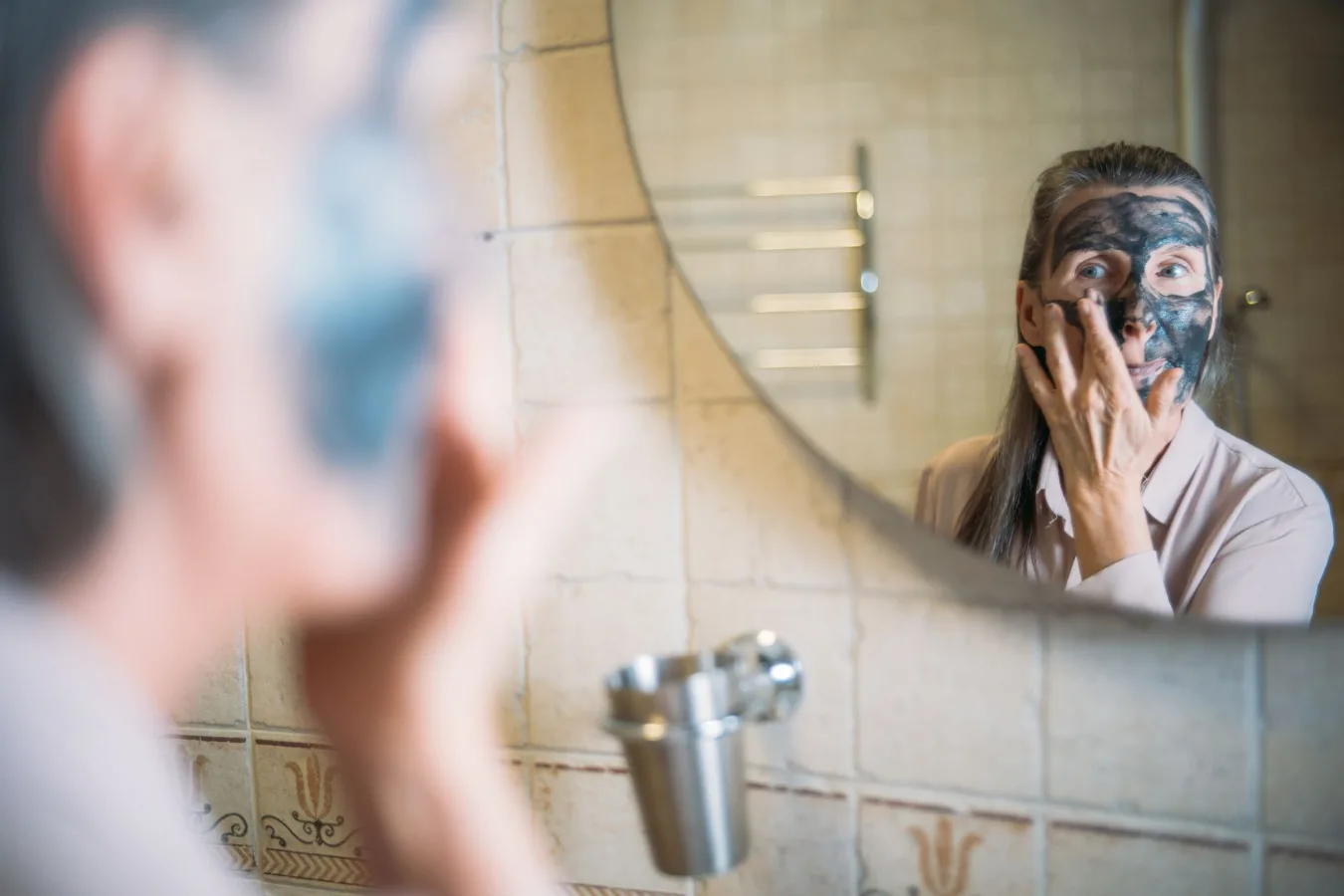
When an Aduro LED face mask makes sense
If you are researching Aduro LED face mask anti-aging treatments, the most useful way to think about it is as a supportive skincare device rather than a miracle solution. An LED face mask may appeal if you want a non-invasive, at-home treatment that can fit into a regular routine without adding much physical effort. how to build an anti-aging skincare routine offers more detail on this point. Secret Collagen Flawless Face LED Mask Guide offers more detail on this point.
That matters because anti-aging skincare is usually about consistency, not dramatic one-time results. People often look at LED masks for goals such as softening the look of fine lines, supporting an overall smoother appearance, or adding a more structured step to their regimen. The key question is not only whether the device sounds appealing, but whether it matches your skin, your routine, and your expectations.
Aduro-style LED masks also tend to interest shoppers who want something simpler than clinic-based light therapy. That convenience is a real advantage, but it comes with trade-offs: at-home devices generally require patience, careful use, and a realistic view of what they can and cannot do.
What to expect from an LED mask, realistically
LED masks use light-emitting diodes to deliver specific wavelengths of light to the skin. In anti-aging conversations, red light is the most commonly discussed mode because it is associated with skin-care routines aimed at supporting a more refreshed look. Some devices also include other light options, but the right choice depends on the model and your skin goals. choosing the right beauty device offers more detail on this point.
The important limitation is that an LED mask is not a replacement for core skincare basics. Cleansing, moisturizing, daily sunscreen, and well-chosen actives still matter. A mask can be an add-on, not the entire strategy. If your routine is inconsistent, even a well-designed device is unlikely to compensate for that.
Another practical nuance: results, if they occur, are usually gradual and easy to overlook day by day. That makes LED masks feel underwhelming for shoppers who expect fast change. They are better suited to people who are comfortable evaluating skincare over weeks rather than after a few uses.
Step-by-step criteria for choosing the right fit
1. Start with your skin goal
Different people search for an anti-aging device because they want different outcomes. Some care most about the appearance of fine lines. Others are focused on a more rested look, support for skin texture, or a gentler routine that does not rely on aggressive products.
Clarifying the goal helps you avoid buying based on features alone. A mask with multiple light settings may sound impressive, but if you only need a simple, repeatable red light routine, extra modes may not add meaningful value.
2. Check skin sensitivity and tolerance
Skin sensitivity is one of the most overlooked decision factors. A device can be appealing in theory and still feel unpleasant in practice if the fit is too tight, the light feels irritating, or the routine clashes with products already in use.
If your skin is reactive, look for a setup that feels easy to layer into a gentle routine. That means paying attention to whether the device is comfortable to wear, whether eye protection or coverage is adequate, and whether the treatment schedule feels sustainable. Convenience only matters if you can actually keep using it.
3. Look closely at fit and coverage
With wearable beauty devices, fit affects more than comfort. A mask that shifts around, sits awkwardly on the nose or cheeks, or feels unstable can make the experience frustrating. Coverage matters too, especially if the lighting pattern leaves you wondering whether key facial areas are being addressed consistently.
For buyers comparing options in the Aduro category, a practical fit check is often more useful than chasing marketing language. If the mask seems hard to wear for a full session, that is a sign it may not become part of your routine.
4. Compare treatment routine, not just features
One common mistake is focusing on lights, modes, or branding without asking how the device fits into a real schedule. A device that looks advanced but feels inconvenient may end up unused.
Ask yourself a few simple questions: How often would you realistically use it? Would you use it after cleansing, before moisturizer, or on a dedicated self-care night? Does the session length fit your lifestyle? The best device is the one you can use consistently without dreading the process.
5. Evaluate long-term value
Long-term value is not the same as the lowest price. For beauty devices, value usually depends on durability, ease of care, and how likely you are to keep using the product after the novelty wears off.
A reusable LED mask may make sense for someone who enjoys a structured routine and wants a device that can be folded into weekly skincare. It may be a poor fit for someone who prefers low-maintenance products or who changes routines often. The more selective you are up front, the less likely you are to buy something that becomes a drawer item.
How to judge whether the treatment is worth adding to your routine
Use the following practical checklist before committing to an Aduro LED face mask or a similar anti-aging device:
- Does it align with your goal? Fine lines, texture support, or general maintenance are more realistic targets than dramatic transformation.
- Can you tolerate regular use? Comfort matters because consistency drives the routine.
- Does your skincare already include sensitizing steps? Strong exfoliants and certain active ingredients may affect how comfortable a light-therapy session feels.
- Is the mask easy to store and clean? Reusable devices need basic care to stay hygienic and functional.
- Would a simpler tool work just as well for you? Not every skincare routine needs a device.
- Are you expecting support, not a cure-all? That mindset helps prevent disappointment.
This is also where many shoppers make a subtle mistake: they buy a device to solve routine inconsistency. In practice, a complicated routine often gets abandoned. A simpler skincare plan with a manageable device can be more effective than a more ambitious setup that never gets used.
Where LED masks fit in an anti-aging routine
An LED mask works best as one part of a broader routine built around skin maintenance. That usually means cleansing first, keeping the skin barrier in good condition, and using sunscreen during the day. If you already use retinoids, acids, or other targeted treatments, it is worth thinking about how the mask will fit around them rather than stacking everything together without a plan.
A thoughtful routine might separate stronger actives from light-therapy sessions, especially if your skin tends to become dry or easily irritated. The goal is to support the skin, not overload it. For many users, the best routine is the one that feels calm, repeatable, and easy to maintain.
Hydration also matters. A mask may feel more comfortable when your skin is not already stressed by over-exfoliation or inconsistent moisturizing. That is one reason LED devices tend to suit buyers who already have a stable base routine and want a refinement step rather than a complete reset.
Common misconceptions to avoid
Misconception 1: More features automatically mean better results. A device can have multiple settings and still be a poor fit if it is uncomfortable or impractical to use.
Misconception 2: An LED mask can replace sunscreen or retinoids. It cannot. Anti-aging skincare still depends heavily on daily protection and overall skin maintenance.
Misconception 3: Fast change is the norm. Skin improvements, when they happen, are usually subtle and gradual.
Misconception 4: Every buyer needs the same setup. Sensitive skin, normal skin, dry skin, and routine-heavy users often have very different needs. A good choice depends on your habits and comfort level, not on a universal “best” device.
Practical examples of who may or may not benefit
A better fit: A buyer who already follows a steady skincare routine, wants a non-invasive add-on, and is comfortable with gradual payoff may appreciate an Aduro LED face mask.
Possibly not a fit: Someone looking for immediate wrinkle reduction, a one-step replacement for clinic treatments, or a device they can use only occasionally may be disappointed.
Also worth reconsidering: If your skin is frequently irritated, if you dislike wearable devices, or if you prefer simple topical skincare, a mask may add complexity without enough benefit.
These examples matter because anti-aging products are often marketed as though every user needs the same solution. In reality, device-based skincare is highly preference-driven. Comfort, habits, and patience often matter more than the idea of advanced technology.
Alternatives worth comparing before you buy
If you are unsure about an LED mask, there are several reasonable alternatives depending on your goal. A well-built topical routine with sunscreen, moisturizer, and a retinoid may be a better first step for many people. For others, a gentler skin-care device such as a facial massager, cleansing brush, or no-device routine at all may make more sense.
Clinical treatments are another category to compare, but they are not automatically better for every shopper. They may suit people seeking supervised care or more intensive options, while at-home devices appeal to those who value convenience and privacy. The best choice depends on budget, commitment level, and how much structure you want in your routine.
It can also be useful to compare the mask against simpler habits that are easy to sustain. Sometimes the most effective skincare upgrade is not a new device, but a more disciplined routine with fewer products and better consistency.
Maintenance, storage, and everyday use
Reusable beauty devices are easiest to live with when cleanup is simple. Check how the mask should be wiped down after use, how it should be stored, and whether the design seems durable enough for regular handling. A device that needs delicate care may be fine for a committed enthusiast but frustrating for an everyday user.
Storage is another overlooked factor. If a mask is bulky or awkward to put away, it may fall out of rotation. That matters because the value of an anti-aging device comes from repeat use, not occasional interest.
For everyday routine planning, consistency usually beats intensity. A manageable session schedule that fits your real life is better than an ambitious plan you abandon after two weeks.
Buying checklist before you choose
- Define the main skincare goal you want support with.
- Decide whether you prefer a simple routine or a feature-rich device.
- Check comfort, fit, and ease of wear.
- Think about how the mask will work with your current products.
- Consider cleaning and storage before you buy.
- Compare the device against topical alternatives and clinic-based options.
- Keep expectations focused on gradual support, not instant change.
If you use that checklist honestly, it becomes much easier to decide whether an Aduro LED face mask belongs in your anti-aging routine. For the right buyer, it can be a practical, low-effort addition. For the wrong buyer, it can be an expensive extra step that never earns its place.
The smartest approach is to treat the device as one piece of a broader skincare plan. That keeps the decision grounded, helps you compare options more clearly, and reduces the chance of choosing a product for the wrong reasons.
