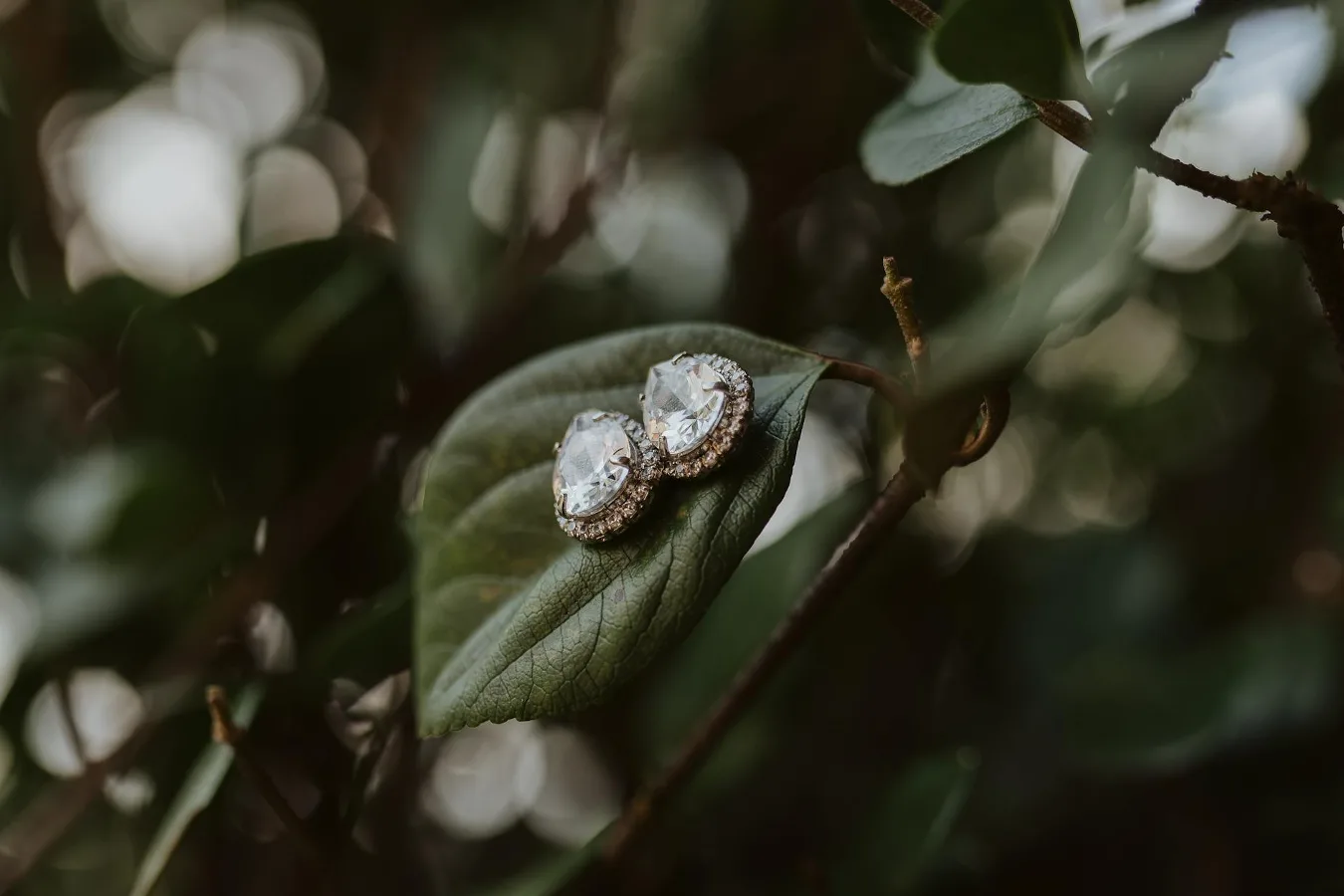
Lab grown diamond earrings are a strong choice for shoppers who want the classic look of diamond jewelry with more flexibility in styling, sizing, and budget. They are real diamonds, but they are created in a controlled environment rather than mined from the earth. Earrings With Pearl Drops: A Smart Buying Guide offers more detail on this point.
For most buyers, the real question is not whether they are “good enough.” It is which pair makes sense for the way you plan to wear them. The right decision depends on cut quality, earring setting, metal, backing style, and whether you want a subtle everyday stud or something more polished for dressier outfits.
Who lab grown diamond earrings are best for
These earrings suit shoppers who want a refined, versatile piece without having to choose from only mined diamond options. They are especially appealing for everyday wear, gifts, bridal jewelry, and anyone building a small but dependable fine jewelry collection.
They also make sense for people who care about visual impact but want to prioritize size or style variety over traditional diamond sourcing. Because earrings do not rely on a single center stone story the way an engagement ring might, many buyers feel comfortable focusing on design, sparkle, and wearability first.
That said, they are not automatically the right answer for every shopper. If you care deeply about long-term resale expectations, highly specific brand prestige, or legacy-style heirloom framing, you may want to compare lab grown and natural diamond options more carefully before deciding.
What matters most when buying them
With earrings, the center of the decision is usually not just the diamond itself. It is the combination of stone quality, setting safety, metal, and comfort. Those details determine how the earrings look on the ear and how often you will actually wear them.
Cut and sparkle
For diamond earrings, cut has a major effect on brightness and overall presence. A well-cut stone tends to return more light and look lively from a normal viewing distance. This matters even more in studs, where the stone is often seen from across a room rather than under a jeweler’s loupe. gold stud earrings gold offers more detail on this point.
Many shoppers focus too much on size and not enough on cut. That is a common mistake. A slightly smaller pair with better proportions can often look more attractive than a larger pair that appears dull or sleepy.
Shape and visual style
Round brilliants are the most familiar option because they maximize sparkle and have a classic appearance. Oval, princess, cushion, and pear-shaped earrings create a different mood, from modern to soft to more distinctive. The shape you choose should match your wardrobe and how often you want the earrings to feel understated versus noticeable.
Round and oval styles are usually the easiest to wear every day. More angular or fashion-forward shapes can feel more personal, but they may be less versatile if you want a pair that works with everything.
Setting type
The setting does more than hold the diamond in place. It changes the look, height, comfort, and security of the earrings. Prong settings are common because they expose more of the stone, while bezel settings offer a more protected, modern profile. Basket settings and martini settings can sit differently on the ear and affect how prominent the stone appears.
If you want a clean, minimal look, a low-profile setting may be appealing. If you want the diamond to feel a bit more elevated, a taller setting may create more presence. Just remember that higher settings can catch more easily on hair, scarves, or collars.
Earring backs and security
Backing style is an overlooked consideration, especially for valuable earrings. Push backs are simple and common, while screw backs add extra security and are often preferred for smaller studs or frequent wear. Some shoppers find screw backs less convenient, but they can be reassuring if the earrings are intended for daily use.
The best choice depends on how often the earrings will be removed, how active the wearer is, and whether security or ease matters more. For a gift, this is worth thinking through carefully, because the most beautiful pair is less useful if the backs feel awkward or insecure.
Metal choice
Metal affects both appearance and maintenance. White gold gives a bright, contemporary look and pairs naturally with diamond sparkle. Yellow gold creates warmer contrast and can make the stones feel a little more classic. Rose gold adds a softer tone and works well if the wearer prefers warmer jewelry overall. Platinum is valued for its durability and cool white color, though it usually comes with a different maintenance profile than gold.
If someone already wears mostly one metal tone, matching the earrings to that wardrobe makes the piece easier to use. That sounds simple, but it is one of the most practical ways to avoid a beautiful pair sitting unworn in a jewelry box.
Trade-offs worth considering before you buy
Lab grown diamond earrings have clear advantages, but they also come with trade-offs that should be understood upfront. The most obvious one is resale value. Jewelry markets can be unpredictable, and buyers should not assume that any diamond earring purchase will hold value in a simple or linear way.
Another trade-off is perception. Some people prefer the traditional story of mined diamonds, while others actively want lab grown stones for sourcing or value reasons. Neither view is inherently right or wrong. The better choice depends on what matters most to the wearer.
There is also a styling trade-off. Larger lab grown diamond earrings can deliver more visual impact for the price, but oversizing can make studs feel less wearable for everyday use. The sweet spot is often a pair that looks refined in daylight, not just impressive in product photos. shopping for everyday stud earrings offers more detail on this point.
One more nuance: because earrings are worn on the face, tiny differences in symmetry, color matching, and setting alignment can be more noticeable than shoppers expect. A pair that looks balanced on paper may still need careful evaluation in person or through clear product imagery and specifications.
How to judge quality without overcomplicating the purchase
You do not need to become a gemologist to choose well, but you do need a basic framework. Start with the stones, then the mounting, then the practical details of wear.
- Look for balanced proportions. The pair should feel visually matched in size and shape.
- Prioritize cut over sheer carat emphasis. Sparkle usually matters more than size alone.
- Check the setting profile. Low-profile earrings often wear more comfortably.
- Choose secure backs if the pair will be worn often. Convenience matters, but so does peace of mind.
- Match the metal to the wearer’s habits. A familiar metal is usually easier to integrate into daily wear.
If you are buying for yourself, think about when the earrings will be worn. Office wear, travel, special occasions, and daily errands all place slightly different demands on the design. If you are buying as a gift, the safest route is usually a classic shape in a metal the wearer already uses often.
Style scenarios that help narrow the choice
For everyday wear
Everyday earrings should be comfortable, secure, and easy to coordinate. Round or oval studs in a modest size usually make the most sense. A low-profile setting and a dependable back style can matter more than chasing the largest possible stone.
For a milestone gift
If the earrings are intended for a birthday, anniversary, graduation, or bridal gift, presentation and versatility become more important. A timeless shape in a classic metal often has the broadest appeal. In this scenario, it helps to choose something that feels special without being difficult to wear.
For dressier occasions
Lab grown diamond earrings can also work for evening wear, where slightly larger stones or more distinctive shapes may be appropriate. In that setting, the visual effect matters, but so does how the earrings move and reflect light with formal clothing, updos, and other jewelry.
Common mistakes shoppers make
One mistake is treating earrings like miniature engagement rings. The priorities are different. With earrings, visible sparkle, symmetry, and comfort usually matter more than technical specs that are only meaningful in a grading report.
Another mistake is ignoring the backing style until after purchase. A pair can be beautiful and still feel impractical if the back is too fiddly or too loose for the wearer’s routine.
Shoppers also sometimes overlook how the earrings will work with other jewelry. If the wearer frequently uses diamond necklaces, stackable rings, or mixed-metal pieces, the earrings should fit into that existing style rather than compete with it.
Finally, some buyers focus on size alone and end up with earrings that feel less versatile than expected. Bigger is not always better, especially for an item that sits close to the face and is worn in many different settings.
Alternatives worth comparing
If you are not fully set on lab grown diamond earrings, a few alternatives can help clarify the decision.
- Natural diamond earrings: better suited to buyers who value traditional diamond sourcing and long-established market perception.
- Moissanite earrings: a strong option for shoppers who want extra brilliance and a different price approach, though the look is not identical to diamond.
- Gemstone studs: useful if color matters more than classic sparkle, especially for personalized gifts.
- Gold earrings without stones: a good choice when everyday ease and low maintenance matter more than diamond presence.
Comparing these options side by side is useful because it turns the decision from emotional to practical. That often leads to a better fit for the wearer’s actual lifestyle.
Maintenance and long-term wear
Diamond earrings are relatively straightforward to care for, but they still benefit from regular attention. Settings can loosen over time, backs can wear, and metal surfaces can pick up residue from lotions, hair products, or cosmetics.
For that reason, periodic inspection matters. Even if the stones themselves are durable, the mounting and backs are what keep the earrings safe. Store them separately so they do not rub against other pieces, and remove them before activities that could stress the settings.
If the earrings are worn often, it is worth getting into the habit of checking both the backs and the stone alignment before putting them on. That small routine can prevent avoidable loss or damage.
What to do next if you are shopping now
Start by deciding the use case. Are you buying for everyday wear, a gift, or a special event piece? Once that is clear, narrow the shape, setting, and metal to the few options that suit the wearer’s habits.
Then compare the details that matter most: cut quality, back style, setting height, and how securely the stones are mounted. If two pairs look similar at first glance, the better choice is usually the one that feels more comfortable, more secure, and more versatile.
Lab grown diamond earrings can be a very smart purchase when the design matches the wearer’s lifestyle. The strongest choices are not the flashiest ones on a listing page. They are the pairs that balance sparkle, practicality, and long-term wearability in a way that feels effortless.
For shoppers building a broader jewelry wardrobe, this category also sits naturally alongside classic diamond studs, wedding jewelry, everyday fine jewelry, and other timeless pieces that rely on clean design rather than trend-driven detail.
