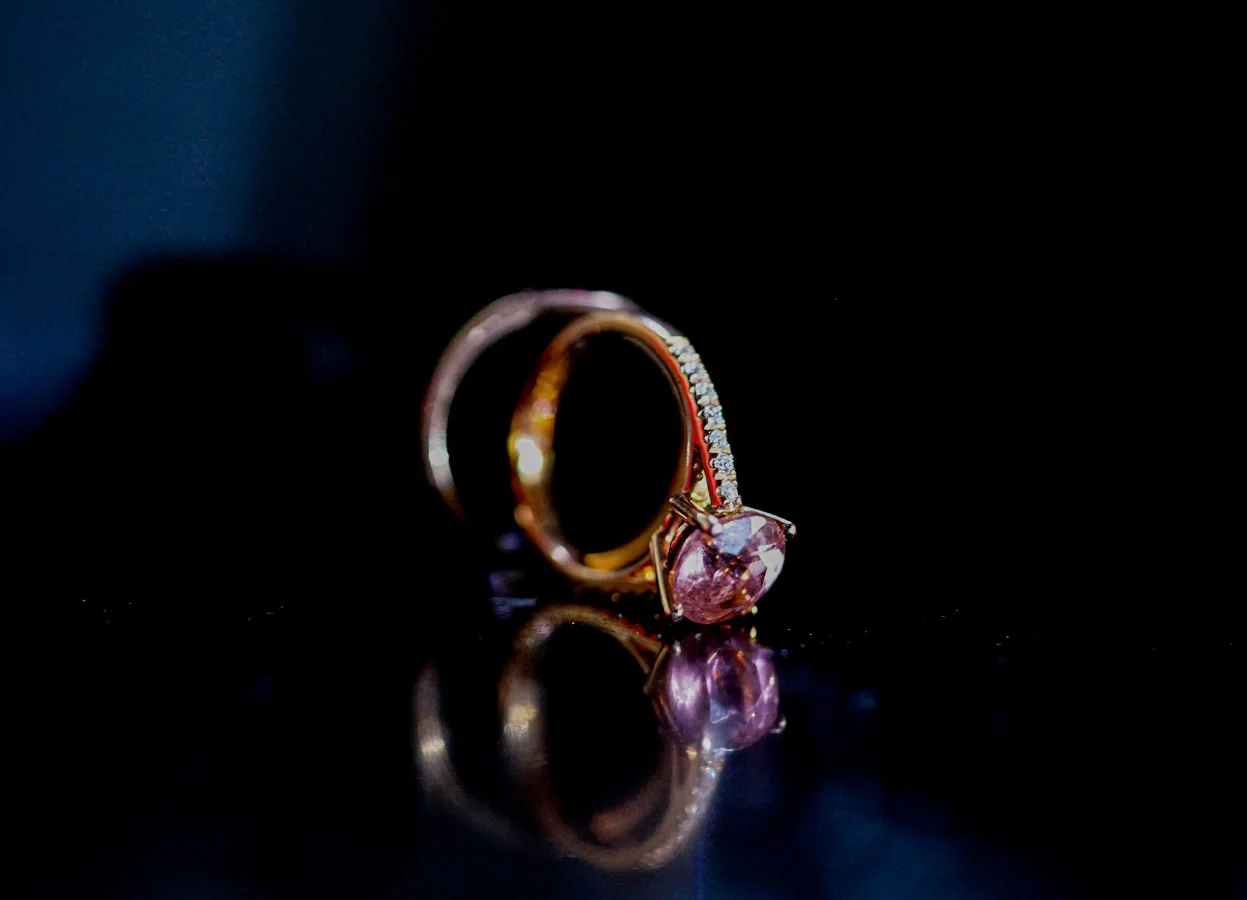
Rose gold engagement rings appeal to shoppers who want something softer than white gold, warmer than yellow gold, and a little less expected than a traditional solitaire in a bright white metal. The look is romantic, but the choice is not just about color. The right rose gold ring depends on alloy color, setting style, stone shape, maintenance expectations, and how the ring will fit into everyday life. how to choose an engagement ring setting offers more detail on this point. what to know about ring durability offers more detail on this point.
If you are comparing options, the most useful question is not whether rose gold is “pretty” but whether it suits the way the ring will actually be worn. That means looking at durability, pairing possibilities, finish, and the overall design of the engagement ring rather than focusing on the metal color alone.
Who rose gold engagement rings tend to suit best
Rose gold is a strong choice for buyers who want a warm metal tone with a bit of personality. It often appeals to people who like vintage-inspired details, softer color palettes, or jewelry that feels distinctive without being flashy.
It is also worth considering lifestyle. A rose gold ring can be a good fit if you want a metal that blends easily with many outfits and does not create the high-contrast look of white metals. The warmth of rose gold can make diamonds appear slightly different from the same stone set in platinum or white gold, so it is worth choosing the metal and stone together rather than separately.
Some shoppers are drawn to rose gold because it complements both classic and modern designs. It can support a simple solitaire, a halo setting, or a more detailed vintage style. That flexibility is one reason it remains a popular choice in the engagement ring category.
The trade-offs worth weighing before you buy
Rose gold has advantages, but it is not the default best choice for everyone. The most useful buying decision comes from understanding what you gain and what you give up.
- Warm tone: The metal creates a softer, more romantic appearance than white metals.
- Style flexibility: It works in minimalist, vintage, and ornate settings.
- Everyday wear: It tends to age in a way many people find attractive, especially in well-made designs.
- Matching challenges: It may not pair as seamlessly with every wedding band or stack as neutral metals do.
- Color variation: Rose gold can look different depending on alloy mix, lighting, and finish.
A common misconception is that rose gold is a separate material with its own performance category. In practice, it is a gold alloy, and the exact color depends on the metals blended into the gold. That means two rose gold rings can look noticeably different even if both are labeled the same way.
Material and spec factors that matter most
14k versus 18k rose gold
For engagement rings, the karat weight is one of the first details to review. 14k rose gold generally contains more non-gold alloy metal than 18k rose gold, which affects both color and practical wear characteristics. 18k rose gold usually has a richer gold content and a slightly softer, more saturated appearance, while 14k rose gold often looks a bit paler and can be a practical choice for daily wear. gold color options for engagement rings offers more detail on this point.
If you prefer a more pronounced blush tone, compare the two in person if possible. Photos can be misleading, especially because rose gold often shifts in appearance under warm indoor lighting.
Alloy color and tone
Not all rose gold has the same hue. Some pieces lean pink, others look more coppery, and some sit very close to yellow gold with only a subtle blush. That difference can matter if you want a ring that reads clearly as rose gold from a distance or one that stays understated.
The tone also affects how the center stone looks. Some diamonds appear brighter against rose gold, while others take on a warmer overall look. The effect is stylistic rather than technical, but it changes the final impression of the ring.
Setting style and stone security
The setting is just as important as the metal. If the ring will be worn daily, the setting should support both comfort and security.
- Solitaire: Clean and timeless, with fewer visual distractions.
- Halo: Adds presence and can make a center stone look larger, though it introduces more small stones and more cleaning points.
- Pavé: Offers sparkle along the band, but requires more attention to upkeep than a plain shank.
- Bezel: Wraps metal around the stone for a more protective feel and a modern look.
- Three-stone: Balances a center stone with side stones for a more substantial profile.
One overlooked consideration is how the setting affects daily practicality. A high-set ring may catch more easily on clothing and gloves, while a lower-profile setting can feel more comfortable for work, travel, or frequent hand use.
Stone shape and metal color
Rose gold works across many diamond shapes, but the effect changes by cut. Round brilliant, oval, cushion, emerald, pear, and marquise cuts all create different visual balances with the warm metal.
For example, an oval or cushion-cut center stone often pairs naturally with rose gold because the softer silhouette complements the metal’s warmth. A round brilliant can feel classic and balanced. An emerald cut can produce a more refined, architectural look, especially in a simpler setting.
How rose gold compares with other engagement ring metals
Many shoppers compare rose gold with white gold and yellow gold before choosing. The right answer depends on aesthetics, maintenance preferences, and whether you plan to stack the engagement ring with a wedding band later.
| Metal | Visual effect | Best for | Watch-outs |
|---|---|---|---|
| Rose gold | Warm, soft, romantic | Vintage-inspired and modern-romantic styles | Color may vary by alloy and lighting |
| White gold | Bright, cool, reflective | High-contrast diamond looks | May require periodic finish maintenance |
| Yellow gold | Classic, rich, traditional | Traditional and heritage-inspired designs | Can feel more traditional than some buyers want |
Rose gold is often chosen by buyers who want some of the warmth of yellow gold without the stronger vintage signal. It can also be a practical middle ground if you want a metal that feels distinct but not overly trend-driven.
Styling questions to answer before choosing
Commercial search intent usually hides a few style decisions beneath the surface. If you answer these questions early, the shortlist becomes much easier.
- Do you want the ring to look delicate or substantial?
- Should the center stone be the focus, or should the setting add more visual detail?
- Will the ring be worn alone, or stacked with a wedding band and anniversary bands?
- Do you prefer a ring that feels classic, vintage-inspired, or more contemporary?
- Will the person wearing it want something low-profile for daily wear?
These are not cosmetic details only. They affect comfort, upkeep, and how versatile the ring will feel over time. A highly detailed ring may look striking, but it can also require more cleaning and more attention to stacking compatibility.
Common mistakes when shopping for rose gold engagement rings
One common mistake is choosing the color based only on product photos. Rose gold can look much pinker online than it does in person, especially if the lighting is warm or the editor has boosted contrast.
Another mistake is treating all rose gold rings as interchangeable. The same metal can look different depending on karat, finish, and surrounding stones. A high-polish band will reflect light differently from a brushed or matte finish, and that changes the ring’s character.
A third issue is overlooking band pairing. Some wedding bands sit beautifully next to rose gold engagement rings, while others create a mismatch in tone or profile. If stacking matters to you, think about the pair as a set, not as separate purchases.
Finally, buyers sometimes focus only on the metal and ignore the setting height. A ring that looks elegant in a photo may feel less practical in day-to-day wear if it sits high or has exposed edges.
Maintenance and care considerations
Rose gold is not a high-maintenance choice in the way some decorative finishes are, but it still benefits from regular care. Fine jewelry accumulates lotion, soap residue, and everyday grime, which can dull the look of the metal and stone.
Practical care usually means gentle cleaning, careful storage, and periodic inspection of prongs or stone security. If the ring has pavé stones, halos, or intricate filigree, cleaning becomes more important because small details can trap buildup more easily.
Scratch resistance is another realistic consideration. Any gold alloy can show wear over time, especially on rings worn daily. That is not a flaw unique to rose gold; it is part of how fine jewelry behaves in normal use. Choosing the right finish and setting style can help the ring age in a way that feels intentional rather than worn out.
Alternatives if rose gold is not quite right
If you like the warmth but want a different look, yellow gold is the most natural alternative. It offers a richer traditional feel and can suit shoppers who want a more classic bridal style.
If you want maximum contrast with diamonds and a cooler, brighter appearance, white gold is worth comparing. It creates a different visual effect and often suits people who prefer a cleaner, more modern presentation.
For buyers who want strong durability considerations and a crisp metal color, platinum is another option commonly compared in engagement ring shopping. It has a distinct feel and appearance, so the decision often comes down to style preference as much as practicality.
For those who want a similar romantic mood without committing fully to a color-forward metal, consider mixed-metal design details, such as a rose gold shank with a white metal setting or accent stones that soften the contrast.
Buyer scenario: how to narrow the choice
If the ring is for everyday wear and the wearer prefers simple pieces, a lower-profile solitaire in 14k rose gold may be a practical starting point. It keeps the look clean and tends to be easier to live with.
If the goal is a more decorative ring with noticeable sparkle, a halo or pavé style in rose gold can add visual impact. Just be aware that more detail usually means more upkeep.
If the buyer wants a ring that feels unique but still easy to match, a medium-profile solitaire with a classic round or oval center stone often offers the broadest styling range.
If the buyer cares deeply about a coordinated bridal set, it is smart to look at wedding band shape and contour early. Some rose gold engagement rings need a fitted band, while others work best with a straight band.
Next steps before you decide
Before making a final choice, compare rose gold with at least one warm metal and one cool metal. That side-by-side comparison helps reveal whether you are responding to the color itself or to the specific design you saw first.
Then check the ring from three angles: how it looks on the hand, how it will wear daily, and how it will pair with a future wedding band. A beautiful ring that does not fit the wearer’s routine is usually the wrong purchase, no matter how appealing it looks in a case.
If you are shopping online, review the setting description carefully, including the band width, stone shape, and any accent-stone details. Those elements often matter more than the headline color when it comes to long-term satisfaction.
Frequently asked questions
Do rose gold engagement rings look pink?
Sometimes, but not always. The exact color depends on the alloy, karat, finish, and lighting. Some rings appear softly blush, while others read closer to a muted gold with warm undertones.
Are rose gold engagement rings good for everyday wear?
They can be, especially if the ring has a practical setting and a comfortable profile. Daily wear suitability depends more on the ring’s construction and design than on the color alone.
What diamond shapes look best in rose gold?
There is no single best shape, but round, oval, cushion, and emerald cuts are especially versatile with rose gold. The final choice depends on whether you want a classic, soft, or more architectural look.
Can rose gold be paired with a white gold wedding band?
Yes, but the contrast may be noticeable. Some people like mixed-metal stacking, while others prefer a closer match. If a seamless set matters to you, keep the wedding band in the same metal family or choose a coordinated design.
Does rose gold require special care?
Not special care, but regular care helps. Gentle cleaning, safe storage, and occasional inspection of the setting are sensible habits for any fine jewelry worn often.
