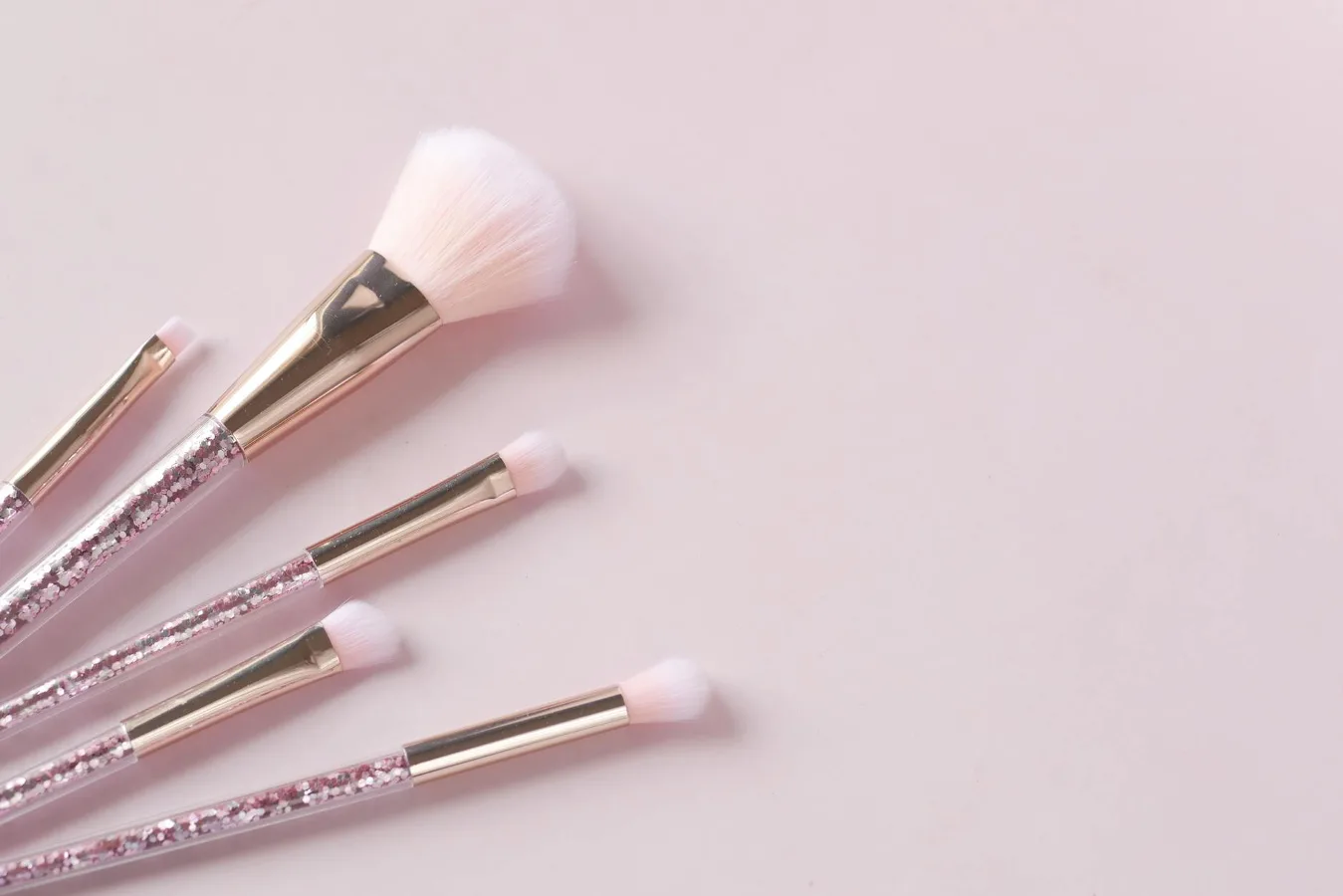
A flat makeup brush is best understood as a brush with a broad, flattened head designed for controlled product placement. It is commonly used for foundation, concealer, cream color, and detail work because the shape helps press, smooth, or place makeup exactly where you want it. If you are trying to decide whether one belongs in your kit, the short answer is simple: a flat brush is useful when precision matters more than speed, and when you want more control than a fluffy blending brush usually gives. best brush kit for makeup offers more detail on this point.
That said, “flat makeup brush” can describe more than one tool. Some are slim and slightly tapered for concealer; others are wider and denser for foundation or cream products. The best choice depends on your product texture, the finish you want, and how much coverage you prefer.
Why people choose a flat makeup brush
The main appeal of a flat brush is control. The shape lets you lay product down in a concentrated way instead of diffusing it immediately. That makes it especially helpful for targeted application, such as covering redness around the nose, placing concealer under the eyes, or smoothing cream product over smaller areas of the face.
It is also a practical choice for people who want a cleaner edge or a more polished finish. A flat brush can help you place product with less waste than fingers in some situations, and it often gives more precision than a sponge when you are working around the eyes, nose, or lips.
Still, a flat brush is not always the best option for every step. If you want a very airy, diffused result, a fluffy brush or sponge may blend more naturally with less effort. The flat brush is more of a placement tool than a finishing tool, although some versions can do both depending on how dense they are.
Buyer scenario: who a flat makeup brush suits best
A flat makeup brush is a smart buy if you regularly use liquid, cream, or stick formulas and prefer deliberate application. It can be especially helpful if you:
- want to apply foundation in thin, controlled layers
- need more precision than a sponge offers
- use concealer for spot correction or under-eye coverage
- like cream blush, bronzer, or highlight placement
- prefer building coverage gradually instead of applying a lot at once
It may be less useful if you mainly use powder products, or if you prefer the fastest possible routine. A flat brush can work well in a minimalist kit, but it does ask for a little more technique than a sponge or a multipurpose fluffy brush.
How shape changes performance
The term “flat” covers a few different brush profiles, and the differences matter. A wide flat brush spreads product over more surface area, which is helpful for foundation or cream base products. A smaller flat brush is better for concealer, color correction, or detail work near the eyes and nose. A tapered flat brush can offer more control at the edges, especially around the under-eye area or along the bridge of the nose.
Density matters just as much as shape. A densely packed flat brush tends to deposit more product and can give fuller coverage, while a less dense version may feel softer and blend more easily. If a brush looks flat but feels sparse, it will behave very differently from a dense paddle-style brush. That is one of the most overlooked considerations for shoppers who focus only on the head shape.
Material and spec factors worth checking
For most makeup users, bristle material is one of the most important decisions. Synthetic bristles are generally the more versatile choice for liquid and cream products because they do not absorb as much product and are easier to clean. They also tend to keep their shape better after washing, which matters if you want crisp placement and a predictable finish.
Natural bristles are sometimes preferred for powder products, but they are not always the best fit for creams or liquids. If a flat brush is meant for foundation, concealer, or other emollient formulas, synthetic fibers often make more practical sense. That does not mean every synthetic brush is equal; fiber softness, density, and edge shape all influence how the brush performs on skin.
Handle length, ferrule construction, and overall balance are also worth considering. A longer handle can feel easier for desktop use, while a shorter handle may be better for travel or tighter vanity setups. A well-attached ferrule and secure handle are practical signs of a brush that should withstand repeated washing better than a loosely built one.
Useful spec differences to think about
- Head width: wider for foundation, narrower for concealer and detail work
- Bristle density: denser for coverage, looser for softer placement
- Bristle edge: straight edges are more precise, slightly rounded edges can blend more easily
- Fiber type: synthetic is usually better for cream and liquid products
- Handle size: choose based on comfort, storage, and whether you travel often
How to use a flat brush without getting streaks
A common misconception is that a flat brush automatically gives a polished finish. In reality, the result depends on how you load and move the brush. If you drag the brush across the face with too much pressure, you can leave visible lines, especially with heavier formulas. A better approach is to use light pressure and short, controlled strokes, or to press and smooth the product into place before lightly refining the edges.
For foundation, start with a small amount of product and build gradually. A flat brush can spread makeup efficiently, which is helpful, but it can also reveal too much texture if you overload it. For concealer, it often works better to place the product first and then use the brush to soften the boundary rather than sweeping it broadly over the area.
If you want a more seamless finish, many people pair a flat brush with a sponge or fingertip blending step. The brush places the product; the sponge or finger softens the surface. That combination can be more forgiving than relying on a flat brush alone.
Trade-offs compared with other makeup tools
A flat brush sits somewhere between fingers and a sponge in terms of control and blendability. Compared with fingers, it gives you more precision and less direct contact with the product, which is useful for hygiene and placement. Compared with a sponge, it can give more coverage with less product absorbed into the tool, but it may leave a more visible finish if not blended carefully.
Compared with a fluffy buffing brush, a flat brush offers better targeted placement but less all-over diffusion. That makes it ideal for certain steps and less ideal for others. If you want one brush to do every job, a flat brush may feel too specialized. If you want one tool for detailed application and controlled coverage, it can be a strong choice.
The most useful way to think about it is as a placement brush. If you already own a fluffy face brush or sponge, a flat brush can fill a gap in your routine rather than replace everything else.
Common mistakes with flat makeup brushes
One frequent mistake is choosing the wrong size for the job. A flat brush that is too wide can be awkward under the eyes, while one that is too small can make foundation application slower than necessary. Another mistake is using the same flat brush for every product without considering texture. A brush that works nicely for concealer may feel too stiff or too narrow for foundation.
Overloading the brush is another problem. Flat brushes make it tempting to pick up a lot of product quickly, but that often leads to uneven coverage and more blending work. It is usually better to apply less product first and add more only where needed.
Cleaning is also commonly overlooked. Because flat brushes are often used with cream and liquid formulas, buildup can happen quickly. If product accumulates near the base of the bristles, the brush can become harder to use, less hygienic, and less responsive over time.
Maintenance and care considerations
If you use a flat brush for liquid or cream makeup, regular cleaning matters. Product residue can stiffen the bristles and change the way the brush lays product down. Gentle cleansing with a brush cleanser or mild soap and lukewarm water is usually enough, followed by careful reshaping and air drying.
Do not soak the ferrule, and avoid storing the brush upright while it is still damp. Water trapped near the metal binding can weaken the adhesive over time. This is a practical durability issue, not just a cleanliness concern.
Flat brushes also benefit from being stored so the head keeps its shape. Tossing them loosely into a bag can bend the bristles and reduce the clean edge that makes the brush useful in the first place. If travel is a priority, look for a protective case or a brush roll.
Alternatives if a flat brush is not the right fit
If you want broader blending with less precision work, a fluffy buffing brush may suit you better. If you prefer a more skin-like finish and quick application, a makeup sponge is often easier to use. For very small correction areas, a tiny concealer brush or pointed brush can be more effective than a standard flat face brush.
There is also a useful middle ground: some angled or paddle-style brushes offer both control and a little more flexibility at the edges. If you are unsure, it can help to think about the product first and the tool second. Liquid foundation, thick concealer, cream contour, and spot concealing do not all demand the same brush shape.
How to narrow down the right one
The best flat makeup brush for you depends on how you apply makeup, not just on the label. Start by matching the brush to the product texture. Synthetic fibers are usually the safer pick for liquids and creams. Then look at the head size and density: larger and denser for foundation, smaller and narrower for detail work. If you like a more polished finish, choose a brush with a smoother edge and moderate density rather than one that is extremely stiff. how to choose the right makeup brush shape offers more detail on this point. Cruelty-Free Makeup Brushes: How to Choose offers more detail on this point.
It also helps to think about your routine. If you do quick everyday makeup, a versatile medium flat brush may be enough. If you do more detailed complexion work, a small flat concealer brush and a separate flat foundation brush may be a better pairing. A single brush can be convenient, but separate tools often perform better when the tasks are very different.
Next steps if you are shopping for one
Before buying, read the product description carefully and look for clues about the brush head, not just the brand name. Terms like paddle, flat shader, concealer brush, foundation brush, or precision brush often hint at how the tool is intended to be used. Check whether the brush is synthetic, how dense it looks, and whether the size matches your main use case.
If you already own a sponge or buffing brush, think about where the flat brush would add value. The most useful purchase is usually the one that solves a specific problem: cleaner placement, easier spot concealing, more controlled cream application, or better coverage in targeted areas. A flat makeup brush is not the only face brush you need, but it can be one of the most practical once you know exactly what job you want it to do.
