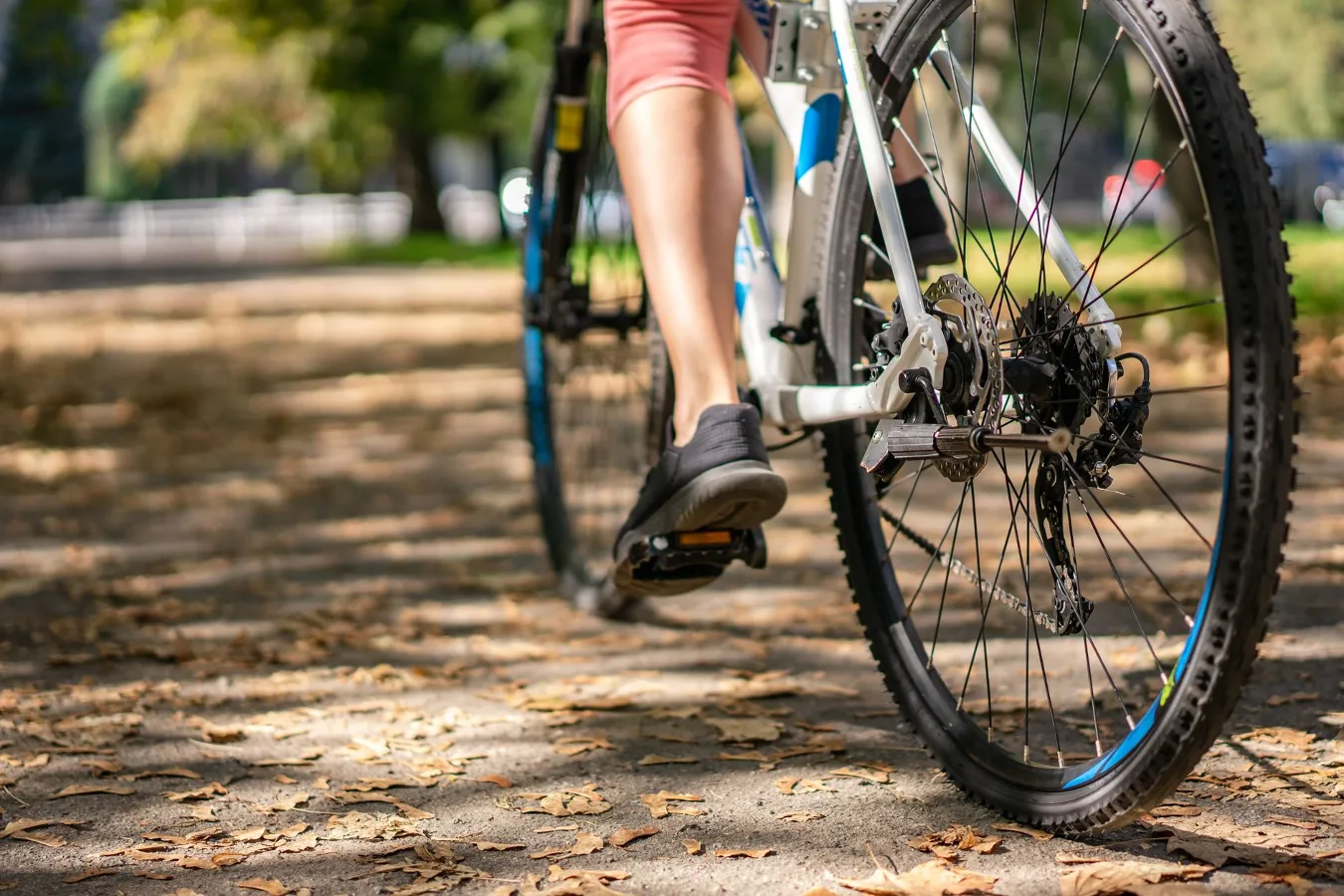
Exercise bike pedals matter more than many buyers expect. They influence how stable your feet feel, how efficient your pedaling is, and whether your workout feels secure or awkward. If you are shopping for exercise bike pedals, the right choice usually comes down to three things: compatibility with your bike, compatibility with your shoes, and the kind of riding you actually do. pooboo exercise bike offers more detail on this point.
For some riders, simple flat pedals with a grippy surface are enough. Others want toe cages or straps for extra security. More experienced indoor cyclists may prefer clip-in systems, especially if they already use cycling shoes. The best option is not always the most advanced one; it is the one that fits your bike, your feet, and your workout habits without creating extra hassle.
Start with your riding scenario
The fastest way to narrow down exercise bike pedals is to think about how the bike is used. A casual rider doing short sessions at home has different needs from someone following structured spin-style workouts. guide to spin bike maintenance offers more detail on this point.
For relaxed cardio and general fitness
If your rides are low to moderate intensity, comfort and ease of use usually matter most. Flat pedals with a textured surface can work well because they are simple, easy to get on and off, and do not require special shoes. If your feet tend to slide, look for pedals with a broad platform or integrated grip features.
For interval training or standing climbs
More intense workouts create more upward and downward force on the pedals. In that setting, toe cages, straps, or clip-in pedals can help keep your feet planted. That security can make standing efforts feel smoother and reduce the need to constantly readjust your foot position mid-ride.
For shared household equipment
If several people use the same exercise bike, flexibility may matter more than performance specialization. A pedal that works with regular athletic shoes is often the least frustrating option. Clip-in systems can be excellent for dedicated riders, but they may be inconvenient if multiple users have different footwear or experience levels.
Compatibility is the first real filter
Before comparing materials or styles, confirm that the pedals will fit your bike. This is the most common place where buyers get stuck. Not every exercise bike uses the same pedal threading or attachment method, and not every indoor bike is designed to accept every style of pedal.
Thread size and axle fit matter because a pedal that does not match the crank arm will not install properly. Many exercise bikes use standard pedal threading, but assumptions can still cause problems. If the bike is already assembled, check the manual or the existing pedal markings before ordering replacements. pedal replacement for exercise bikes offers more detail on this point.
Pedal style compatibility matters just as much. Some bikes are made for flat pedals only, while others support toe cages or clip-in systems. Even when a pedal physically fits, the bike frame, crank position, or belt drive design may affect how practical the upgrade will be.
Shoe compatibility deserves equal attention. A pedal that works well with cycling shoes may feel awkward with regular sneakers, and a toe-cage setup may not be comfortable if your shoes have a bulky sole. Think about the shoes you will actually wear most often, not the ones you might buy someday.
Pedal type: simple, secure, or performance-oriented
Most exercise bike pedals fall into a few broad categories, each with its own trade-offs.
Flat pedals
Flat pedals are the simplest option. They usually suit casual riders, beginners, and households where convenience matters. Their strengths are easy entry and exit, broad compatibility, and low complexity. The main limitation is foot security; if the surface is too smooth or the platform is too small, your foot may shift during harder efforts.
Toe cage pedals
Toe cages add a front enclosure that helps keep the foot in place. They are useful for riders who want more security without moving to cycling shoes. A toe cage can improve stability during faster pedaling, but it can also feel restrictive if the fit is off. If the strap is too tight or the cage is shaped poorly, getting your foot in and out can become annoying.
Strap pedals
Straps are a practical middle ground. They can help hold the foot down during effort while still allowing the rider to use standard shoes. They are especially useful for people who want extra control but do not want to commit to clip-in footwear. The limitation is that straps need adjustment. If you share the bike, or if you frequently switch shoes, that can become tedious.
Clip-in pedals
Clip-in systems are usually chosen by riders who want a more connected feel and already use cycling shoes. They can make the pedal stroke feel more secure, especially during higher-intensity sessions. The trade-off is convenience. You need the right shoes, the right cleats, and a little practice before clipping in and out feels natural. For some users, that learning curve is worth it. For others, it is unnecessary complexity.
Materials and construction: where durability shows up
Exercise bike pedals do not need to be fancy, but they do need to hold up under repeated force. The materials and build quality can affect how stable the pedal feels, how long it lasts, and how much maintenance it may need.
Pedal body material often influences weight and durability. Metal pedals typically feel more rigid and robust, while some plastic or composite pedals can be lighter and less expensive. That does not automatically make one better. A well-designed composite pedal can be perfectly suitable for home use, while a poorly made metal pedal may still feel loose or noisy.
Grip surface matters for safety and control. Texturing, molded patterns, or integrated treads can help keep shoes from sliding, especially if you ride with socks and minimal footwear is not recommended. If the surface is too slick, comfort may suffer even if the pedal is structurally sound.
Bearing quality affects how smoothly the pedal turns. A smooth rotation can make the ride feel more natural and reduce friction. You do not need technical jargon to benefit from this; if a pedal feels rough, wobbly, or uneven under light use, that is a sign to look more closely at build quality.
Straps and cages should also be evaluated as part of construction, not as an afterthought. Thin straps, awkward buckle placement, or a cage that presses on the wrong part of the shoe can reduce comfort even if the pedal body itself is fine.
Comfort is not just about cushioning
People often think pedal comfort means soft padding, but that is only part of the story. On an exercise bike, comfort is mostly about how naturally your foot rests on the pedal and how stable it feels as you ride.
A pedal that is too narrow can create pressure points. One that is too small may make foot placement feel uncertain. If the platform is large enough to support your shoe and the grip is dependable, the ride usually feels better even without any soft materials.
Seat position, crank length, and shoe choice also affect how the pedals feel. A pedal that seems uncomfortable may not be the only problem. Sometimes the issue is alignment, not the pedal itself. That is an overlooked consideration for many buyers: changing pedals can improve the ride, but it will not fix every fit issue.
What most buyers overlook before ordering
One practical mistake is focusing only on pedal style and ignoring installation details. If your exercise bike uses unusual hardware or has tightly integrated components, a replacement may require tools, patience, or a particular adapter. Before buying, it helps to know whether the pedals are user-replaceable or meant to stay with the original setup.
Another common misconception is that more secure always means better. Clip-in pedals can be excellent for committed riders, but they are not automatically the best option for everyone. If your workouts are short, your shoes vary, or you want quick on-and-off access, a simpler setup may actually serve you better.
It also helps to think about maintenance. Pedals that collect sweat, dust, or lint around the threads or straps may need occasional cleaning. If the bike lives in a garage, basement, or humid space, corrosion resistance becomes more relevant. A pedal that looks fine at purchase can feel different after months of regular use if maintenance is ignored.
How to compare exercise bike pedals without overbuying
A useful way to compare pedals is to work from your actual routine backward. Ask what would improve your current rides the most.
- If your feet slip, prioritize grip and platform shape.
- If you want more control during faster sessions, consider toe cages or straps.
- If you already wear cycling shoes, look at clip-in compatibility.
- If the bike is used by multiple people, favor easy entry and broad footwear compatibility.
- If you want the least maintenance, keep the design simple.
That approach prevents overbuying. Many riders do not need the most specialized setup. They need pedals that feel secure, are easy to use, and match the bike they already own.
When replacement makes more sense than upgrading
Sometimes the best move is not to hunt for a more advanced pedal. It is to replace a worn or uncomfortable one with a similar style that fits better. If the original pedals are noisy, have degraded grip, or feel loose, a like-for-like replacement may solve the problem without changing the ride’s character.
Upgrading makes more sense if your needs have changed. A casual rider may later want more stability for intervals. A rider who started with sneakers may decide to use cycling shoes. In those cases, the pedal choice should follow the new workout style rather than the old one.
If the bike is older, it may also be worth checking whether replacement parts are easy to source. A practical pedal that is easy to maintain and replace can be a smarter long-term value than a more specialized setup that is harder to match later.
A simple decision path
If you want a straightforward way to narrow the options, start here:
- Confirm the pedal threading and bike compatibility.
- Decide whether you will use regular shoes or cycling shoes.
- Choose the level of foot security you actually need.
- Check the pedal body, grip surface, and strap or cage quality.
- Consider how easy the pedals are to clean, install, and adjust.
That sequence keeps the decision grounded in reality. It reduces the chance of buying a pedal that looks appealing online but feels wrong once it is on the bike.
What a good choice usually looks like
The best exercise bike pedals are not the flashiest ones. They are the pedals that match your bike, support your shoes, and make your rides feel secure without adding friction to the routine. For some buyers, that means a basic flat pedal with good grip. For others, it means a toe cage or a clip-in setup that supports more structured training.
If you are still deciding, lean toward the option that solves your actual riding problem rather than the one with the most features. Pedal choice should make indoor cycling easier to stick with, not more complicated. Once that is clear, the rest of the setup becomes much easier to evaluate.
