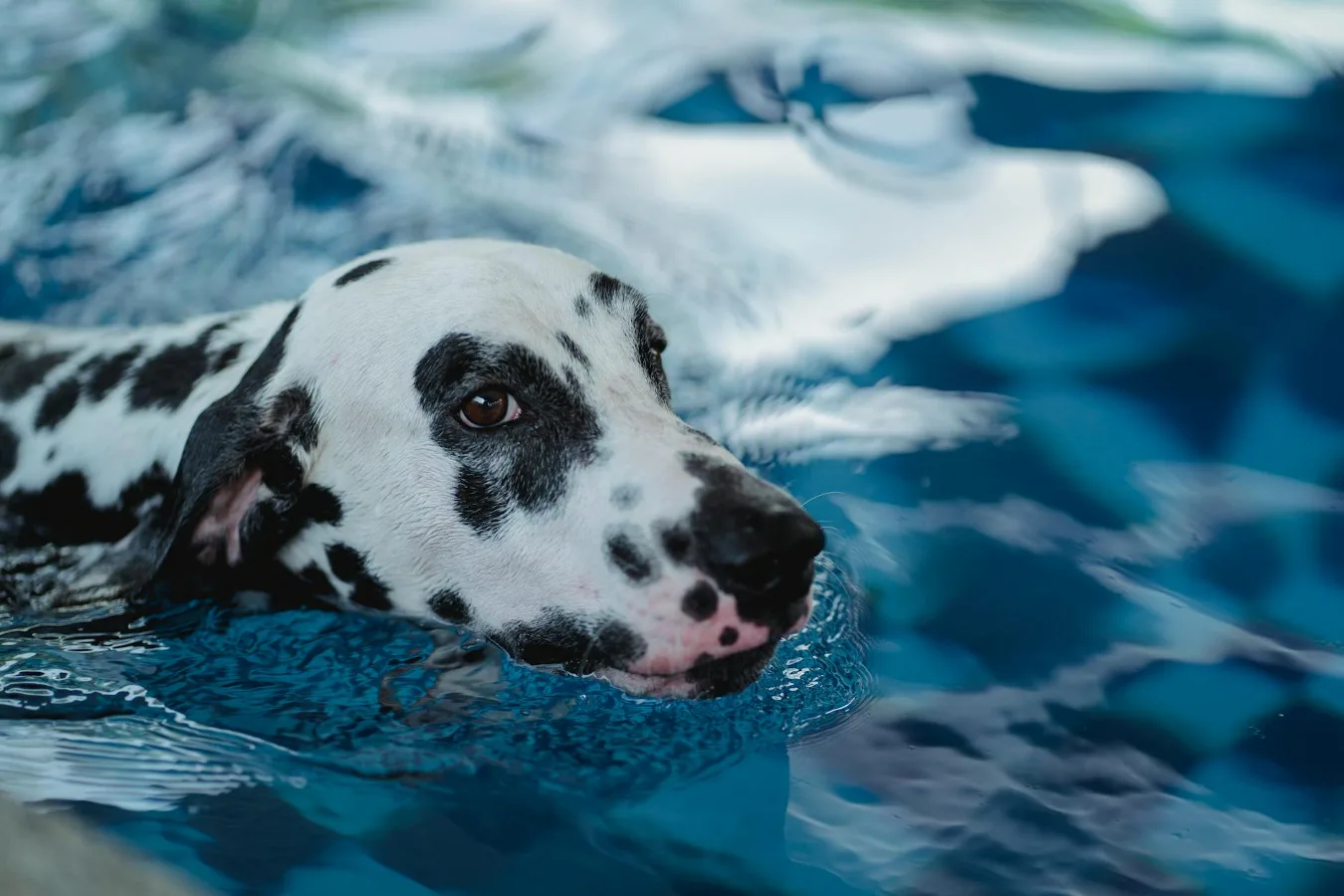
A dog water treadmill is a rehabilitation and conditioning device that lets a dog walk or trot on a moving surface while water adds buoyancy, resistance, and support. In practical terms, it is used to reduce impact on joints while helping with controlled movement, gait work, muscle engagement, and recovery under professional guidance.
For most buyers, the real question is not whether a dog water treadmill sounds impressive. It is whether it fits the dog’s condition, the clinic or facility’s workflow, and the level of supervision required. These systems are usually part of a broader canine rehab setup, not a casual fitness gadget you simply plug in and use at home.
Quick answer: what a dog water treadmill is for
A dog water treadmill is primarily used in veterinary rehabilitation and canine conditioning programs. The water level changes how much body weight the dog carries, which can make movement easier for some dogs and more controlled for others. That makes it useful for a range of goals, including gentle reconditioning, post-injury exercise, mobility support, and gait training.
It is not the same as a regular dry treadmill. Water changes the mechanics of movement, and that difference matters. The buoyancy can reduce stress on joints, while the water resistance can make each step more deliberate. That can be helpful, but only if the dog is an appropriate candidate and the session is supervised with a clear purpose.
One common misconception is that a water treadmill is simply a safer version of a standard treadmill. It can be gentler in many cases, but it still requires careful setup, controlled entry and exit, cleanliness, and attention to the dog’s comfort level. For some dogs, a pool-based therapy session or a land-based rehab plan may be the better fit. underwater therapy for pets explained offers more detail on this point.
How it differs from other canine rehab options
Dog water treadmills sit in the middle of a larger set of canine exercise and rehab tools. Comparing them to other options helps clarify where they shine and where they do not.
| Option | What it offers | Best use case | Main limitation |
|---|---|---|---|
| Dog water treadmill | Buoyancy, resistance, controlled gait work | Rehab, mobility support, low-impact conditioning | Needs supervision, setup, and maintenance |
| Dry treadmill | Consistent walking or trotting on land | General conditioning and structured exercise | More joint impact than water-based work |
| Swimming pool or lap pool therapy | Full-body movement with low impact | Endurance, range of motion, general aquatic therapy | Less control over gait than a treadmill |
| Underwater treadmill enclosure | Controlled aquatic exercise environment | Clinic-based rehab and gradual progression | Usually requires specialized installation |
| Leash walking and targeted exercises | Flexible, low-cost activity | Maintenance, light conditioning, routine mobility | Less precise than rehab equipment |
The biggest distinction is control. A water treadmill allows a therapist or trained operator to influence water depth, speed, and session structure. That makes it especially relevant for dogs that need a measured return to movement rather than open-ended activity.
Who it may help, and who should be cautious
Not every dog benefits from water treadmill work in the same way. The best candidates are usually dogs that need low-impact movement with supervision. That may include dogs recovering from orthopedic procedures, dogs with certain mobility challenges, or dogs that need structured conditioning without heavy joint load.
It can also be useful for older dogs that need help maintaining movement without the jarring effect of fast land exercise. But “older” alone is not a reason to use one. The dog’s heart health, anxiety level, skin condition, wound status, and overall tolerance matter just as much as mobility.
Dogs that are fearful of confinement, sensitive to water, or prone to stress may need a slower introduction or a different rehab strategy. Very small dogs, brachycephalic breeds, and dogs with breathing concerns may also require extra caution because water therapy can add handling and respiratory considerations.
A key nuance is that a dog water treadmill is not automatically appropriate after every injury or surgery. The timing and protocol depend on veterinary direction. In many cases, the question is less “Can the dog use it?” and more “At what stage, at what depth, and for what duration?”
What buyers should evaluate before choosing one
If you are considering a dog water treadmill for a clinic, rehab space, or professional grooming-and-wellness business, the important questions go beyond appearance. The machine should fit the dog population you actually serve and the space you have available.
Access and installation requirements
These systems are not simple add-ons. They typically require space for the unit itself, safe entry and exit, drainage, plumbing, and a workflow that supports clean water management. A facility that cannot easily manage wet floors, drying areas, and regular sanitation may struggle to use the equipment consistently.
Another overlooked issue is the physical pathway around the machine. Staff need room to help dogs in and out safely. That includes handling space for nervous dogs and enough clearance for maintenance and cleaning. A cramped installation can create more risk than benefit.
Dog size and fit
Size compatibility matters more than many buyers expect. A dog water treadmill must accommodate the body length, height, stride pattern, and comfort zone of the dogs it will serve. An undersized unit may restrict movement or make positioning awkward. An oversized one may not provide the support and control needed for smaller dogs. gopet treadmill for small dogs offers more detail on this point.
Think about your real client mix. If most dogs in your setting are medium to large breeds, the feature set you need may differ from a practice that sees many smaller companions. The machine should match the likely population, not just the showcase photos.
Control over water depth and speed
Water depth is not a minor detail. It changes buoyancy, effort, and how much of the dog’s body weight is supported. Speed matters too, because the wrong pace can make the session unproductive or uncomfortable. A useful system should allow measured adjustment rather than rough, one-size-fits-all operation.
For rehab settings, this control supports gradual progression. For conditioning work, it helps prevent overdoing the session too early. Without reliable control, the machine becomes harder to use in a targeted way.
Safety, handling, and supervision
A dog water treadmill should be judged partly by how safely it can be managed around real dogs, not idealized ones. Non-slip surfaces, secure doors or entry points, clear visibility, and easy operator access all matter. So does the ability to monitor the dog’s posture and stress signals during the session.
Safety also includes what happens before and after the workout. Dogs may need wiping, drying, rinsing, paw checks, or skin inspection depending on the therapy plan. If the workflow is inconvenient, sessions can become rushed, and that increases the chance of mistakes. what to know before buying pet fitness equipment offers more detail on this point.
Cleaning and maintenance
Water systems bring sanitation responsibilities. Buyers should ask how the unit is cleaned, how water is managed, and what routine upkeep is required to keep the machine hygienic and functional. If maintenance is complicated, operating costs and downtime can rise quickly.
For clinics, reliability matters as much as features. A sophisticated unit that is difficult to maintain may look appealing but be frustrating in daily use. The best choice is usually the one staff can keep clean, safe, and ready without unnecessary complexity.
Benefits that matter in real use
The value of a dog water treadmill is not just that it sounds advanced. The practical benefits come from how it changes the work a dog’s body has to do.
- Lower impact: Buoyancy can reduce pounding on joints compared with many land exercises.
- Controlled movement: The operator can guide speed and depth for a more structured session.
- Targeted rehab support: It can help when the goal is gradual return to movement rather than high-intensity exercise.
- Useful progression tool: It may bridge the gap between rest and more demanding activity.
- Repeatable sessions: Conditions can be kept more consistent than in open-water or outdoor exercise.
That said, the benefit depends on the dog, the condition being addressed, and the skill of the person using the equipment. A water treadmill is not a cure-all. It is one tool in a structured rehabilitation plan.
Limitations and trade-offs
The biggest limitation is that a dog water treadmill still requires handling, training, and judgment. Some dogs need time to acclimate to the environment, and not all will cooperate calmly. If the dog becomes anxious, the session may be counterproductive.
There is also the practical trade-off of cost versus frequency of use. A machine that looks ideal on paper may not be worth it if your client base will only use it occasionally. In that case, a simpler rehab setup might serve the same needs with less overhead.
Another limitation is that water therapy does not replace the rest of rehabilitation: veterinary evaluation, pain management when appropriate, strengthening exercises, range-of-motion work, and a staged return to normal activity all still matter. A treadmill can support the process, but it does not substitute for the broader plan.
Mistakes to avoid when considering one
Many buyers focus on the equipment itself and overlook the workflow around it. That is where problems often begin.
- Choosing for appearance instead of function: A polished unit is not useful if it does not fit your space or patient mix.
- Ignoring patient handling: Entry, exit, and restraint procedures matter as much as the water chamber itself.
- Underestimating maintenance: Water systems need regular cleaning and attention to stay safe and usable.
- Using it without clear goals: A session should have a reason, whether that is gait work, gentle conditioning, or rehab progression.
- Assuming all dogs will tolerate it: Temperament, anxiety, and medical status can change the entire recommendation.
- Skipping professional guidance: Especially after surgery or injury, veterinary direction should lead the plan.
A practical insight that is easy to miss: the best water treadmill purchase is often the one that supports consistent, boring, repeatable care. Fancy features are less valuable than dependable operation, good cleaning access, and a calm experience for the dog.
Alternatives worth considering
If a dog water treadmill is not the right fit, there are still several effective ways to support canine fitness or recovery.
- Land-based rehab exercises: Sit-to-stand repetitions, controlled leash walking, balance work, and step exercises may be enough in some cases.
- Dry treadmill work: Better for general conditioning when water-based support is not needed.
- Swimming therapy: Useful for some dogs that tolerate open movement better than enclosed equipment.
- Physical therapy protocols: Often include stretching, strengthening, and manual techniques alongside exercise.
- Environmental changes: Ramps, traction aids, and activity management can help reduce strain at home.
These options may be more appropriate if the dog is highly anxious, the facility lacks space for a wet system, or the therapy goal is modest rather than intensive. For many dogs, the right answer is a combination of tools rather than a single piece of equipment.
How to decide whether it is the right investment
For a buyer, the decision should come down to use case, not novelty. Start with the dogs you expect to serve most often. Then ask whether a dog water treadmill meaningfully improves the care you can provide compared with less complex alternatives.
If your setting is a veterinary rehab practice or a clinic that frequently treats orthopedic and mobility cases, the equipment may support a valuable service line. If your need is occasional conditioning or general fitness, simpler options may be more practical. The right answer depends on patient mix, supervision capability, maintenance capacity, and how often the machine will genuinely be used.
For dog owners researching the topic, the most important step is to treat water treadmill use as a structured therapeutic option, not a casual workout trend. The dog’s medical status, comfort, and supervision requirements should lead the decision. If those pieces line up, the treadmill can be a useful part of a broader fitness or recovery plan. If they do not, another approach may serve the dog better.
Used well, a dog water treadmill is less about equipment hype and more about controlled, low-impact movement. That is its real value: not replacing care, but making carefully guided movement possible when ordinary exercise is too much or too blunt.
