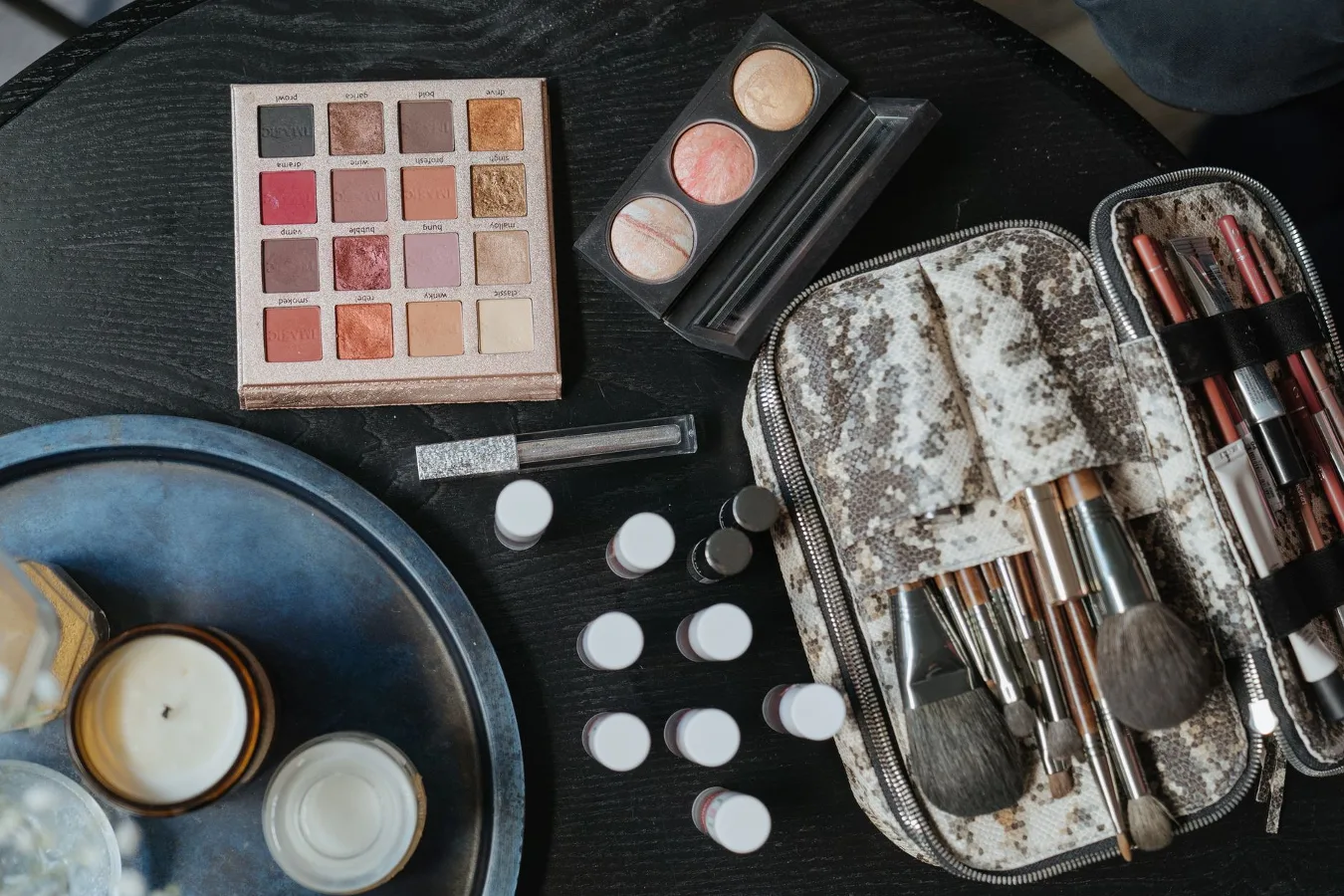
A makeup brush travel case is worth choosing carefully if you want your brushes to stay clean, protected, and easy to reach while you pack or move between destinations. The right case depends less on appearance and more on how many brushes you carry, how delicate the bristles are, and whether you need something slim for a carry-on or roomy enough for a full makeup kit. how to store makeup brushes for travel offers more detail on this point. brush care and cleaning basics offers more detail on this point.
If you travel with only a few everyday brushes, a compact pouch or roll may be enough. If you carry full-face and eye brushes, a structured case with separated slots usually works better because it reduces friction, bending, and loose powder transfer. That practical fit matters more than any decorative detail.
Who a makeup brush travel case is best for
A travel case makes the most sense for anyone who packs brushes regularly and wants a cleaner, more organized setup than tossing them into a makeup bag. It is especially useful for frequent flyers, weekend travelers, makeup artists carrying personal kits, and anyone who keeps brushes in a bathroom or gym bag between uses. best ways to organize travel makeup offers more detail on this point.
It is also helpful for people who use natural hair or high-end synthetic brushes that need more protection. Loose storage can flatten bristles, pick up dust, or leave makeup residue on other items in your bag. A dedicated case creates a barrier between brushes and the rest of your toiletries.
Not every buyer needs a rigid travel case, though. If you mainly carry one powder brush and one concealer brush, a simple brush sleeve or compact zip pouch may be more practical. The key is matching the level of protection to the way you actually travel.
What matters most when comparing options
For this product, the most important buying factors are capacity, protection, portability, cleaning, and closure style. Those are the dimensions that usually determine whether a case feels convenient or annoying after a few trips.
Capacity and brush fit
Brush size is the first thing to check. Some cases are designed for slim eye brushes, while others can handle fuller face brushes or longer handles. A case that looks spacious in photos may still pinch large powder brushes or force handles to bend. If you use different brush sizes, look for flexible interiors or adjustable slots rather than fixed compartments that feel tight.
Also think about how many brushes you need to carry at once. Many people overestimate the number they pack and end up with unnecessary bulk. A smaller case can be easier to manage if you only travel with a core set.
Protection and structure
Brush protection comes from both the outer shell and the way brushes sit inside. Soft pouches are lightweight and flexible, but they offer less shape retention. Semi-rigid and structured cases keep bristles from being crushed in a suitcase, which is useful if you pack densely or want extra security during transit.
An overlooked detail is how the case handles pressure. A zippered bag can keep brushes enclosed, but if it is too soft, the bristles may still get flattened by nearby items. If that is a concern, a case with a firmer base or individual sleeves is usually a better choice.
Closure style
Zippers, snaps, drawstrings, and fold-over designs each create a different user experience. Zippers are common because they feel secure and familiar, but they can snag if the case is overfilled. Drawstring pouches are quick to open and close, though they offer less separation and protection. Roll-up cases are compact and organized, but they may take a moment longer to pack neatly.
The best closure is the one you will actually use without frustration. A case that is technically protective but awkward to open may end up staying at home.
Material and cleaning
Material choice affects both durability and maintenance. Synthetic fabrics are often easier to wipe clean, which matters because brush cases collect powder fallout, foundation residue, and occasional spills. Smooth interiors are especially helpful since they are less likely to trap makeup dust.
Leather-like finishes, coated fabrics, and lined nylon can be practical for travel because they hold their shape and are easier to maintain than delicate textiles. Fabric finishes may look softer and more premium, but they can be less forgiving if you toss brushes in before they are fully clean. If easy maintenance is important, prioritize materials you can wipe down or spot clean without much effort.
Portability and packing style
Think about where the case will live most often. A case that works well in a checked suitcase may feel too bulky for a small tote or personal item. If you like minimal packing, a flat brush roll or slim zip case may be the most efficient. If you prefer all-in-one organization, a larger structured organizer can be worth the extra space.
Weight matters too, especially for carry-on packing. Heavy hardware, thick padding, and rigid shells improve protection but can add bulk. That trade-off is acceptable if your brushes are expensive or fragile, but not always necessary for a basic travel routine.
Trade-offs worth considering before you buy
Most makeup brush travel cases involve a balance between protection and convenience. The more protective the case, the less flexible it usually becomes. The lighter and more packable the case, the more careful you need to be about pressure and crushing.
Soft cases are easier to slip into a makeup bag or suitcase pocket, but they may not preserve brush shape as well. Hard or semi-rigid cases are better for bristle protection, yet they take up more room and can feel less adaptable if your brush collection changes. If you buy once and rarely change your routine, a structured design can be the smarter long-term choice. If you travel lightly and value space over rigidity, a softer option may fit your habits better.
Another trade-off is organization versus speed. Cases with individual slots keep brushes separated and easier to find, but they can be slower to pack if you are in a hurry. A simple pouch is faster, though the brushes may shift more during transit. The right answer depends on whether you care more about neatness or quick packing.
There is also a common misconception that a travel case is only for long trips. In practice, short overnight stays, work travel, and even gym use can be where a brush case proves most useful. Short trips often involve less luggage, which means brushes are more likely to get crushed unless they have their own dedicated space.
Common material and design choices
Several design types show up often in makeup brush travel cases, and each suits a different kind of user.
- Brush pouch: lightweight and simple, good for minimal packing.
- Brush roll: separates brushes neatly and folds compactly for travel.
- Zip case: secure and versatile, often easier to toss into a larger bag.
- Structured organizer: best when you want stronger protection and more defined storage.
- Clear or wipeable case: useful for easy inspection and faster cleaning.
Brush rolls are often overlooked, but they can be a smart middle ground. They usually keep handles separated without adding much bulk, and they pack flat when empty. Their main limitation is that they may not suit very bulky brushes or unusually long handles.
Structured organizers can be a better fit for people who carry face brushes, eye brushes, and a few other tools together. The downside is that they often behave more like a small beauty bag than a slim brush case, so they are less ideal for minimal packing.
How to choose based on your routine
The best makeup brush travel case depends on how you use your brushes day to day. A frequent business traveler often needs compact protection that fits inside a carry-on with minimal fuss. A weekend traveler may prefer something simple and easy to open because the same kit gets packed and unpacked often. A makeup enthusiast with a larger brush collection may need a more structured layout to avoid messy mixing.
If your routine includes powder-heavy products, a case with easy-to-clean lining becomes more valuable because residue builds up quickly. If you use cream products or foundation brushes, separation matters more so that residue does not transfer between tools. If you carry only clean backup brushes, a simpler design may be enough.
For people who switch between daily use and travel, it can help to choose a case that works in both settings. That reduces clutter and keeps the same organizational system wherever you are.
Practical mistakes to avoid
One of the most common mistakes is buying a case before checking brush length. Long-handled brushes may fit visually in product photos but still press against seams or closures in real use. Another mistake is choosing a case that is too small and then overstuffing it, which can bend handles and flatten bristles.
People also sometimes forget to account for brush cleanliness. Packing brushes with product still on them can stain the interior and make the case harder to maintain. Even the best case is not a substitute for routine brush care.
A third mistake is selecting a case based only on appearance. A pretty exterior can be appealing, but travel use depends more on closure quality, interior layout, and how easily the case fits into your luggage. Beauty storage works best when the design supports your packing habits instead of fighting them.
What to do after you choose one
Once you pick a makeup brush travel case, test it with the brushes you use most often rather than with random extras. That gives you a better sense of whether the fit is comfortable and whether the closure stays secure without squeezing the contents.
Keep the case clean by emptying loose powder, wiping the interior regularly, and letting any damp brushes dry fully before storing them. If a case has removable dividers or sleeves, check them during cleaning so buildup does not hide in seams.
If you are still unsure, start with the simplest option that matches your current packing style. Many people do not need a large complicated organizer; they need a well-sized, easy-to-clean case that keeps a small brush set safe. If your routine expands later, you can move up to a more structured design without wasting a purchase.
For broader beauty storage planning, a makeup brush travel case works best as part of a system: brushes in one place, liquids in another, and fragile tools protected from pressure. That approach keeps packing easier and helps your brushes last longer.
