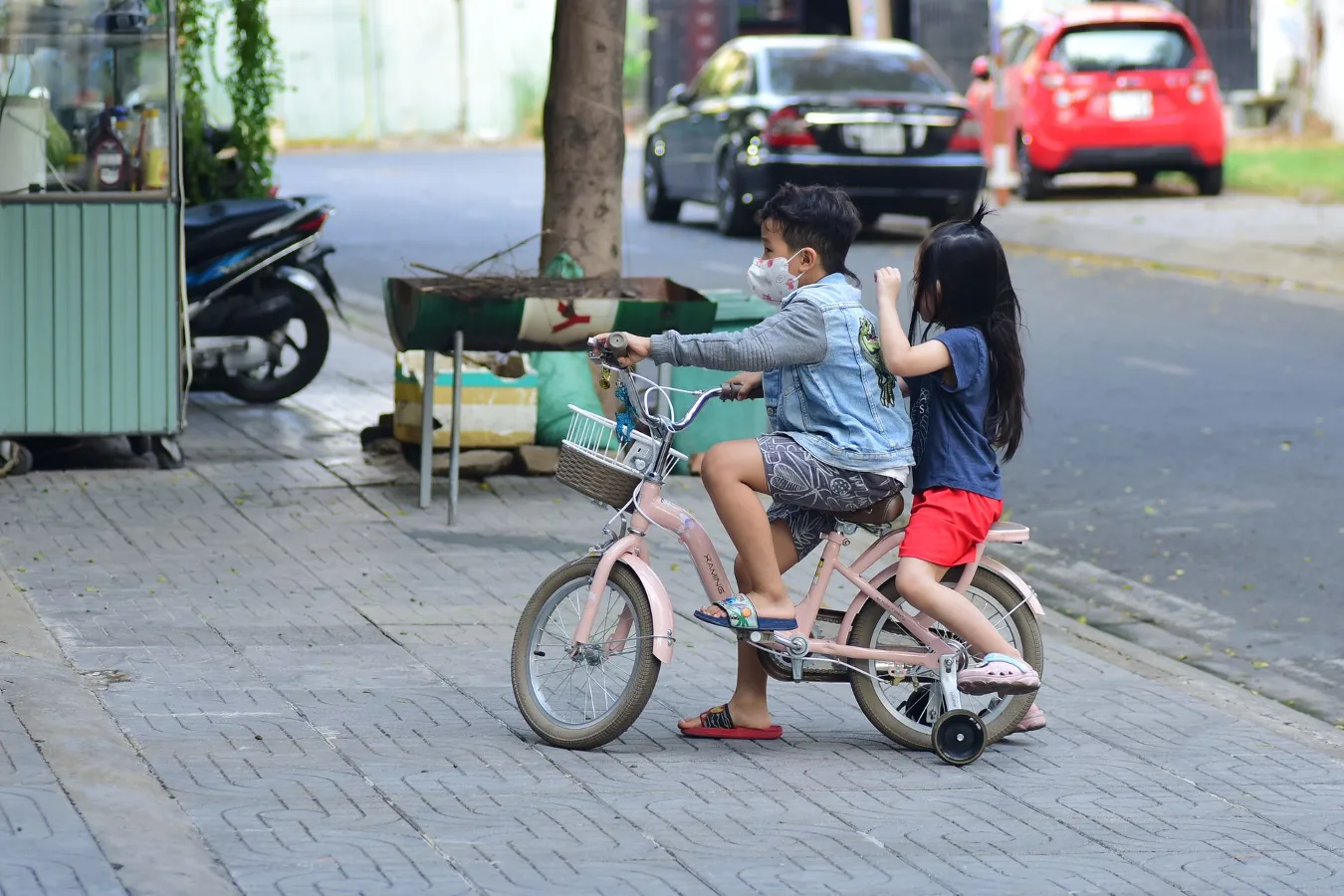
A children’s exercise bike can make indoor movement feel more like play than training. For many families, that is the main appeal: it gives kids a way to burn energy, practice coordination, and stay active without needing a large space or a screen. learn more about matrix treadmill offers more detail on this point. recumbent stationary exercise bike offers more detail on this point. How to Choose Exercise Bike Pedals offers more detail on this point.
The best choice is not just the one with the most features. For a child, fit, stability, age appropriateness, and ease of use matter more than flashier extras. A bike that looks fun but feels awkward or unsafe will not get used for long.
When a children’s exercise bike makes sense
This type of equipment fits best when you want a structured indoor activity that still feels playful. It can be useful during bad weather, in small apartments, or in homes where kids need a predictable way to move between homework, screen time, and downtime.
It is especially worth considering if your child already likes riding, pedaling, or motion-based toys. Some children naturally enjoy repetitive movement, and a bike gives that movement a clearer purpose. For others, the appeal is lower, and a simpler active play option may be a better fit.
A children’s exercise bike is not a substitute for outdoor play, sports, or general movement. Think of it as one tool in a broader activity mix rather than the centerpiece of a child’s fitness routine.
What matters most before you buy
Parents often focus on appearance first, but the more important question is whether the bike matches the child’s size, temperament, and environment. A few practical details matter more than brand style.
Fit and adjustability
Seat height and handle position should allow the child to sit comfortably without reaching awkwardly. If the bike is too large, kids may lose interest quickly or struggle to pedal smoothly. If it is too small, it may feel cramped and become frustrating as they grow.
Adjustability is helpful, but only if the adjustment range is realistic for your child’s current size. A bike that claims to work for a broad age range is not automatically a good match if your child is near the lower end and cannot place their feet securely.
Stability and base design
For children, stability is one of the most overlooked considerations. A wider base, low center of gravity, and sturdy frame can make a big difference in confidence and safety. Wobbly equipment may discourage use, especially with younger children who are still developing balance and coordination.
Look closely at how the bike sits on the floor. If your child will use it on hardwood, tile, or carpet, the surface can affect how steady it feels. A bike that slides or rocks on the floor is more trouble than it is worth.
Pedal feel and resistance
Some children’s exercise bikes are very simple, while others add resistance. More resistance is not automatically better. For younger children, the goal is usually smooth movement and easy pedaling, not a demanding workout.
If resistance is included, it should be easy enough that the child can pedal comfortably without strain. Too much resistance can turn the bike into a frustrating toy instead of a useful activity tool.
Safety details
Safety should include more than the obvious frame shape. Look for enclosed moving parts, secure pedals, stable handles, and a design that reduces the chance of pinched fingers or slipping feet. Quiet operation can also matter, since a noisy bike often gets used less in shared living spaces.
It is also worth checking whether the bike encourages safe posture. A child who has to lean too far forward or twist to reach the pedals is more likely to feel discomfort over time.
How to match the bike to the child
The right bike depends on who will use it and how often. A preschooler, an early elementary child, and a bigger grade-school child may all need different features.
For younger children
Younger children usually need simplicity. They benefit from easy mounting, predictable movement, and a design that feels more like a toy than a machine. In this group, safety and confidence matter more than workout intensity.
If the child is still learning basic coordination, a too-advanced bike may not be the best starting point. In some cases, a ride-on toy, push toy, or balance activity may support development better than a pedal-based product.
For older children
Older children may want something that feels a bit more like real exercise equipment. At that stage, better adjustability, sturdier construction, and a more natural pedaling motion become more relevant. A child who has already outgrown beginner ride-on toys may appreciate a more substantial setup.
For this age group, think about use-case suitability. Is the goal short movement breaks, a daily routine, or a way to keep active indoors during winter? The answer changes what features matter most.
Useful features versus unnecessary extras
Some features add value. Others mainly add cost and complexity.
- Helpful: adjustable seat, stable frame, easy assembly, quiet pedals, simple display, secure footing
- Nice to have: lightweight design, easy-to-clean surfaces, compact footprint, transport wheels if the bike is moved often
- Often less important for kids: elaborate digital tracking, high resistance levels, oversized consoles, features that require frequent setup
A common misconception is that more adult-like features automatically make a children’s bike better. In practice, the best model is usually the one that is easiest to use consistently. If setup is annoying, if the bike is too tall, or if the controls are confusing, use tends to drop quickly.
Practical examples of the right fit
Different homes need different solutions. Here are a few simple scenarios that show how the decision changes.
Small apartment with limited space
Choose a compact model with a stable base and a footprint that does not block walkways. Foldability can help, but only if the bike remains sturdy when in use. In smaller homes, storage matters as much as pedaling comfort.
Child who needs a screen-free activity break
Look for a bike that is easy to hop on and off without adult setup. The best option here is usually one that reduces friction: no complicated pairing, no app, no learning curve. Simple wins.
Family that wants shared movement time
If several children will use the same bike, adjustability becomes more important. So does durability. Shared equipment needs to tolerate different sizes and habits, which is where sturdier construction often pays off.
Common mistakes parents make
Buying the wrong children’s exercise bike usually comes down to a few predictable errors.
- Choosing by age label only: Age ranges are a starting point, not a guarantee of fit.
- Ignoring height and reach: A child’s proportions matter as much as age.
- Prioritizing novelty over usability: Bright graphics do not compensate for poor stability.
- Overestimating workout value: This is usually about active play and movement habits, not athletic training.
- Skipping floor compatibility: A bike that slides on your flooring will not feel secure.
- Buying too much resistance: Heavier pedaling can discourage younger children.
One overlooked consideration is how the child likes to move. Some children enjoy repetitive motion and will use a bike often. Others prefer jumping, climbing, dancing, or outdoor riding. Matching the equipment to the child’s natural preferences matters more than chasing a product category.
Alternatives worth considering
A children’s exercise bike is only one option for indoor movement. Depending on your goal, another product may be a better fit.
- Ride-on toys: often better for younger children who need simpler movement and more play value
- Balance bikes: useful for coordination and confidence, especially before a child is ready for a pedal bike
- Mini trampolines: can offer energetic indoor play, though they require clear safety rules and supervision
- Activity mats or obstacle-course toys: good for children who prefer variety over repetitive pedaling
- Traditional bicycles: better if the goal is outdoor riding skill and broader long-term use
The trade-off is simple: a bike gives structured pedaling, while other tools may better support different movement styles. If your child gets bored quickly with repetitive exercise, a more varied active play setup may be the smarter choice.
A simple checklist before you buy
Use this quick checklist to narrow the options.
- Does the bike fit your child’s current height and reach?
- Is the frame stable enough for your flooring and space?
- Are the pedals, seat, and handles comfortable for short sessions?
- Is the design simple enough for your child to use without constant help?
- Does it support the kind of movement your child actually enjoys?
- Will it be easy to store, clean, and move if needed?
- Does it feel safe enough to encourage repeat use?
If you answer “no” to the first or second question, keep looking. Those are the hardest things to fix after purchase.
Maintenance and day-to-day use
Children’s exercise equipment usually works best when it stays simple. Wiping down the seat and handles regularly, checking for loose parts, and keeping the bike in a dry area can help it stay usable longer.
It also helps to set expectations early. A children’s exercise bike is often most effective when it is part of a loose routine rather than a strict requirement. Short, frequent sessions may work better than trying to turn it into a formal workout.
If the bike starts to feel like a chore, the problem may not be the child’s motivation. It may be that the equipment is uncomfortable, too difficult, or not aligned with how your family already uses active play.
Who should skip it
This type of product is not the best choice for every household. If your child strongly prefers open-ended movement, if you have very limited floor space, or if the bike would mainly sit unused, another active toy may offer better value.
It is also a poor fit if the model seems too complex for the age group. Kids need equipment they can understand quickly. If a parent has to explain and adjust everything every time, the bike may lose its appeal.
For many families, the best decision is not the most feature-rich one. It is the one that fits the child’s size, the room, and the way your home already handles movement and play.
A well-chosen children’s exercise bike should feel safe, simple, and inviting. If it does, it can become a useful part of a broader family fitness routine without needing much effort to keep it relevant.
