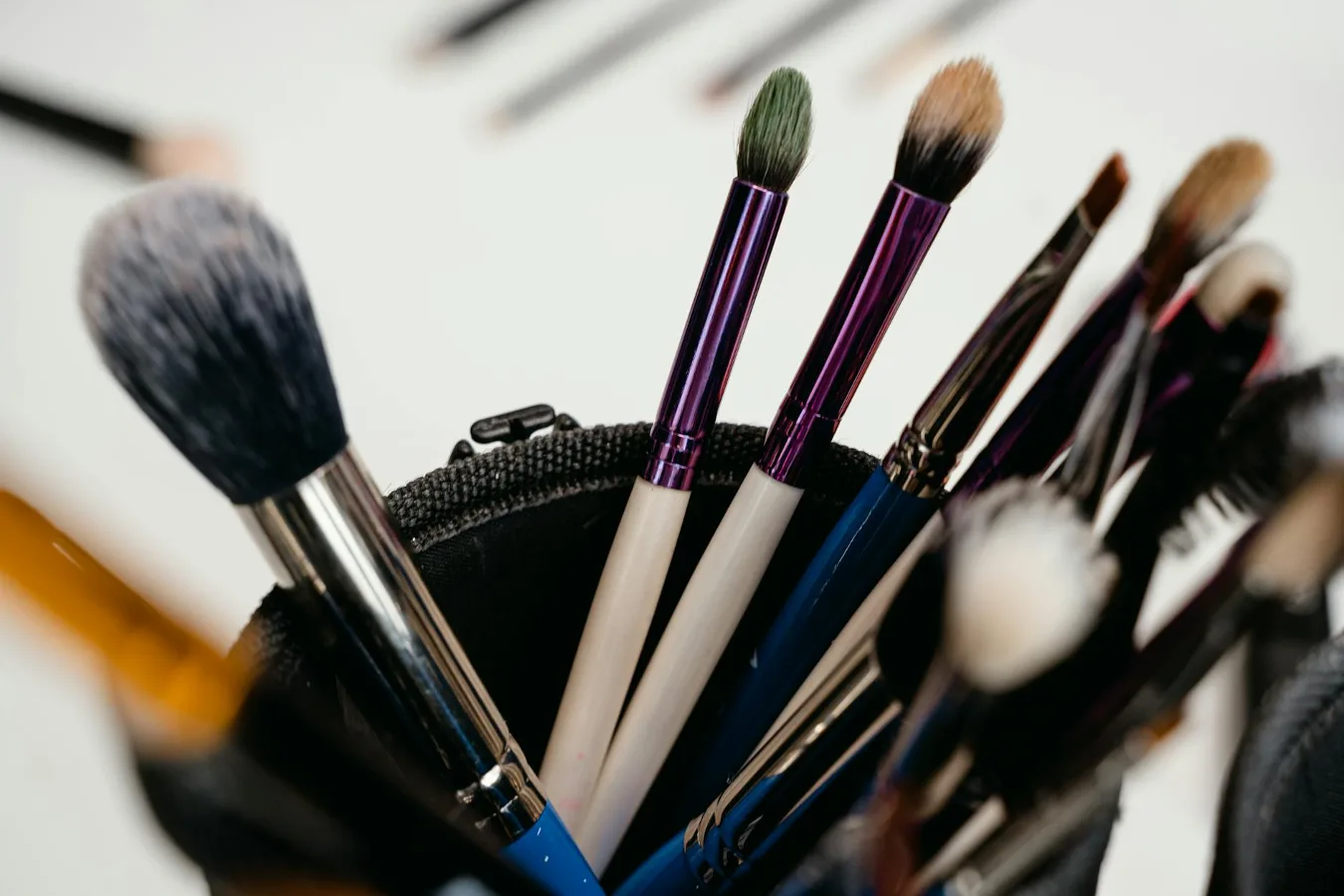
If you’re comparing the best rated makeup brush sets, the smartest place to start is not the star rating itself but the set’s fit for your routine. A good brush set should cover the products you actually use, feel comfortable in the hand, and be easy to clean without losing shape too quickly. Best Makeup Brush Sets With Case offers more detail on this point.
The best rated options usually earn attention for a mix of practical qualities: useful brush variety, decent bristle density, reliable construction, and a layout that makes everyday makeup simpler rather than more cluttered. If you only wear light base makeup and a bit of eye color, a large kit can be overkill. If you build full-face looks often, a smaller set may leave gaps. The right choice depends on use case, not just the number of brushes in the package. how to build a simple brush kit offers more detail on this point. face brushes vs eye brushes offers more detail on this point.
What makes a makeup brush set worth rating highly?
For beauty tools, high ratings typically reflect how well a set performs across several everyday tasks. The most useful sets tend to balance coverage and clarity: enough brushes to handle foundation, powder, blush, bronzer, concealer, brows, and eyeshadow, but not so many duplicates that the extras go unused.
Here are the core factors that usually matter most when comparing sets:
- Brush variety: Does the set include the shapes you actually need, such as a fluffy powder brush, a denser foundation brush, and at least one blending brush?
- Bristle type: Synthetic fibers are generally the more flexible choice for cream and liquid products, while some users still prefer certain textures for powder application.
- Handle comfort: A brush can be well made but still awkward if the handle is too short, too slippery, or poorly balanced.
- Ferrule quality: The metal connector should feel secure. Loose ferrules can lead to shedding and faster wear.
- Ease of cleaning: Brushes that clean up well are often the ones people end up using consistently.
- Storage and portability: Sets that include a case or compact layout can be especially useful for travel or small vanities.
One common misconception is that more brushes automatically means a better set. In practice, a smaller, better-edited set is often more useful than a large kit full of near-duplicates. Many shoppers are happier with a set that covers the essentials cleanly than one that tries to do everything.
Step-by-step criteria for choosing the right set
1. Match the set to your product routine
The best rated makeup brush sets are usually the ones that fit a clear use pattern. If you wear mostly powder products, look for soft, airy brushes that diffuse pigment without streaking. If you use foundation, concealer, and cream blush, prioritize denser synthetic brushes that move product smoothly and are easy to wash.
For an everyday routine, the most practical brush categories often include:
- a foundation or complexion brush
- a concealer brush
- a powder brush
- a blush or bronzer brush
- at least one blending brush for the eyes
- a smaller detail brush for precise work
If you do more detailed eye makeup, a set with multiple eye brushes can be worth it. If not, too many specialty eye tools may just create storage clutter.
2. Choose bristle type based on formula, not trend
Brush material matters because it changes how product sits on the skin and how easy cleanup becomes. Synthetic bristles are typically the more practical choice for modern makeup routines, especially when liquids, creams, or stick formulas are involved. They usually absorb less product and can be easier to wash thoroughly.
Natural bristles can still appeal to users who prefer a certain feel with powders, but they are not automatically better. The key question is whether the brush moves the formula evenly without creating patchiness or absorbing too much product. For most shoppers, a well-made synthetic set is the safer all-purpose option.
3. Check whether the brush shapes cover real use cases
A set can look impressive and still leave out the shapes that make daily application easier. A fluffy blending brush is useful if you wear shadow often, but it does not replace a flat shader brush. Likewise, a large powder brush is comfortable for finishing touches, but it won’t help much with precise concealer placement.
Before buying, compare the brush shapes to the products you use most:
- Foundation: flat, angled, buffing, or dense duo-fiber styles
- Powder: large fluffy brushes for setting and soft finish
- Blush and bronzer: medium, tapered, or slightly angled brushes for controlled placement
- Concealer: smaller, firmer brushes for precision
- Eyes: blending, packing, smudging, and detail brushes
If you’re building a kit from scratch, the set should cover these categories without forcing you to buy additional pieces immediately.
4. Look at balance, grip, and control
Brush performance is not only about the head of the brush. Handle shape affects control more than many buyers expect. A brush that feels too lightweight may seem fine for quick touch-ups but less stable during detailed work. A handle that is too thick or too slick can make blending less comfortable over time.
This is one of the more overlooked considerations. People often focus on softness and ignore how the brush feels during a full routine. If you apply makeup for several steps in a row, hand fatigue and grip quality matter more than they seem at first glance.
5. Think about cleaning and long-term maintenance
Brush sets that are easy to care for tend to get used more often. If bristles trap product heavily or take too long to rinse clean, the set can become frustrating even if it performs well at first. That matters because makeup residue can affect application and may shorten the usable life of the brushes.
When possible, look for brushes that keep their shape after washing and dry without splaying. A set that starts out soft but deforms quickly is usually a poor long-term value, especially if you use it often.
Examples of set types that suit different users
Best for beginners
A beginner-friendly set usually focuses on the essentials rather than specialized extras. The goal is to make application easier to learn, not to overwhelm the user with brushes that require practice.
Look for:
- clear brush variety for face and eyes
- synthetic bristles for easier maintenance
- simple labeling or intuitive shapes
- a manageable number of pieces
A common mistake for beginners is buying a large professional-style kit before understanding which tools they actually use. That often leads to unused brushes and a more confusing routine.
Best for cream and liquid makeup
If your routine relies on foundation, concealer, cream blush, or contour, the best rated makeup brush sets for you will usually lean synthetic and slightly denser. These brushes tend to help spread product smoothly and reduce streaking when used with liquid formulas.
In this case, prioritize compact precision brushes and a strong base brush over an oversized eye assortment.
Best for travel
Travel-friendly sets are usually compact, protected, and easy to sort. A case matters here, not just for convenience but for brush shape retention. Brushes tossed loosely into a bag can pick up lint, bend at the tips, or become harder to clean later.
If you travel often, a smaller set with reliable face basics is often more practical than a full vanity kit.
Best for a full-face routine
For users who do complexion, eyes, and finishing touches regularly, a broader set makes sense. The most useful full-face sets tend to include separate brushes for powder, blush, bronzer, base, brows, and eye blending, with enough variation to prevent cross-use of dense and fluffy tools.
That said, a full set should still stay organized. Too many similar brushes can slow you down instead of helping.
Common trade-offs to expect
Even highly rated sets come with compromises. Knowing them helps you avoid disappointment.
- Large sets vs. simplicity: More pieces can mean more flexibility, but also more storage needs and more brushes to wash.
- Softness vs. precision: Very soft brushes can feel pleasant, but firmer brushes often give more control.
- Budget vs. durability: Lower-cost sets can be useful, but construction details often separate short-term convenience from long-term value.
- Specialization vs. versatility: A brush designed for one product may excel there but be less helpful elsewhere.
Shoppers sometimes assume that a highly versatile set is always the best choice. In reality, the better option is usually the one that matches your routine without adding unnecessary complexity.
Checklist before you buy
Use this quick checklist to narrow down your options:
- Does the set cover the products you use most?
- Are the bristles appropriate for your formulas?
- Are there enough face and eye brushes for your routine?
- Does the handle feel practical for daily use?
- Will the set be easy to wash and dry?
- Do you actually need every brush in the package?
- Does the set include storage or travel protection if you need it?
If you can answer yes to most of these, the set is likely a better fit than one that simply looks impressive on the product page.
Maintenance tips that protect value
Good brush care matters because even a strong set loses performance when product buildup starts affecting texture and shape. Clean brushes regularly with a gentle cleanser that suits makeup tools, and let them dry fully before reuse.
A few practical habits help extend their life:
- do not soak the ferrule for long periods
- shape the bristles gently after washing
- store brushes where tips will not get crushed
- separate face brushes from eye brushes if hygiene is a concern
If you skip upkeep, even the best rated makeup brush sets will eventually feel scratchy, uneven, or less precise. That is not a failure of the set so much as a normal maintenance issue.
Useful FAQs
How many brushes do I actually need?
Most people need fewer brushes than they expect. A small, well-chosen set that covers foundation, powder, blush, and basic eye application is enough for many routines.
Are synthetic brushes better than natural brushes?
Neither is universally better. Synthetic brushes are often the more practical choice for liquid and cream formulas, while some users still prefer different textures for powder products.
Should beginners buy a large brush set?
Usually no. Beginners often do better with a smaller set that covers the essentials clearly, because it is easier to learn what each brush does.
What is the biggest mistake people make when buying brush sets?
The most common mistake is choosing a set based on the number of brushes instead of the brush shapes, materials, and how they fit the products already in use.
Do I need separate brushes for every product?
Not always, but separating key brushes by product type can improve application and make cleaning easier, especially for cream and liquid makeup.
If you approach the best rated makeup brush sets with a practical checklist instead of a quantity-first mindset, it becomes much easier to choose a set that will stay useful long after the initial purchase. The strongest options are usually the ones that simplify your routine, match your formulas, and hold up to regular cleaning without creating unnecessary clutter.
