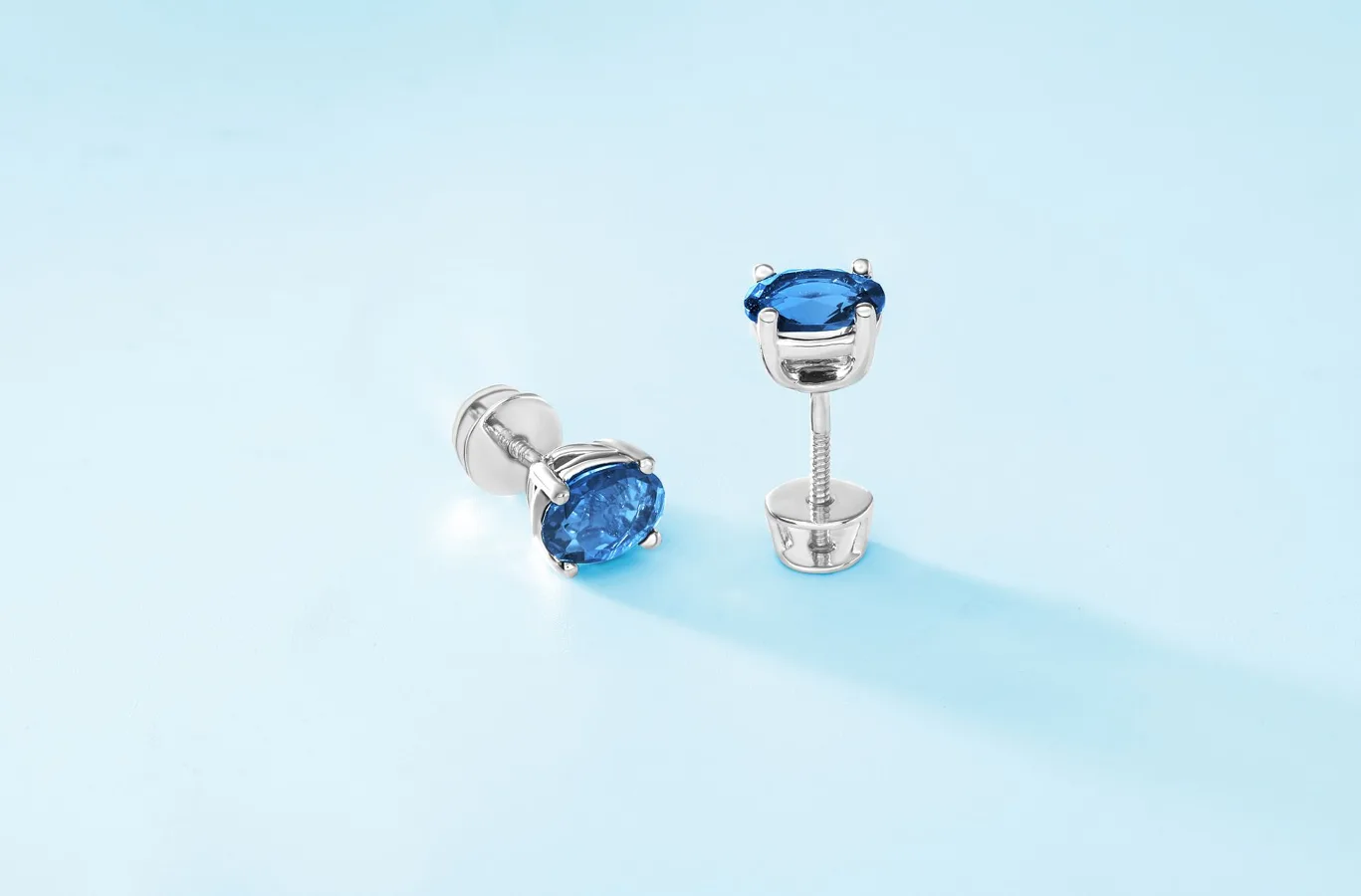
What flat back stud earrings are, and why people choose them
Flat back stud earrings are earrings with a smooth, low-profile backing that sits flush against the back of the ear instead of using a traditional butterfly clutch. That simple design change makes a noticeable difference in comfort, especially for people who wear earrings all day, sleep in them, or have piercings in areas where a bulky backing can press into the skin.
They are commonly associated with labret-style jewelry and are often used in cartilage piercings such as the tragus, helix, and conch, as well as some lobe piercings. The appeal is practical: less snagging, less irritation, and a cleaner feel behind the ear. For many shoppers, that is the real reason to look at flat back studs before anything else.
They are not automatically the best choice for every piercing or every wearer, though. The right fit, material, and fastening style matter just as much as the shape of the backing. A flat back can be comfortable in one piercing and awkward in another if the post length or jewelry style is not matched well to the ear.
The main factors that matter before you buy
Fit and post length
Fit is the first decision point. Flat back studs need enough post length to sit comfortably without pinching, but not so much that the jewelry shifts, catches, or feels loose. This is especially important for fresh piercings, swollen tissue, or cartilage placements where healing can change the way jewelry sits over time.
A common mistake is choosing jewelry only by design and overlooking length. If the post is too short, pressure can build behind the ear. If it is too long, the stud may rotate more than you want or create a gap that catches on hair and clothing. For piercings that are still healing, the safest option is usually to follow the guidance of a professional piercer on sizing.
Material choice
Material matters for comfort, skin tolerance, and long-term wear. People with sensitive ears often look for metals that are commonly used in body jewelry, such as implant-grade titanium, solid gold, or other skin-friendly options recommended for piercings. The right choice depends on your sensitivity, your piercing stage, and how often you plan to wear the earrings. guide to earrings for sensitive ears offers more detail on this point. How to Build Better Earring Stacks offers more detail on this point.
For everyday wear, the material should be considered more carefully than the decorative front. A beautiful stone or bezel setting is less useful if the backing or post irritates your skin. If you have a history of reacting to mystery metals, avoid assuming that all earrings marketed as “hypoallergenic” are equal. Look closely at the actual base material and finish.
Backing style: threadless, threaded, or push-in
Flat back earrings are sold with different fastening systems. Threadless styles use tension to hold the decorative front in place, while threaded options screw together. Some people prefer threadless designs because they can feel easier to insert and remove once you understand the mechanism. Threaded pieces can feel secure, but they may be more fiddly, especially if you have to change them often.
The right choice depends on how you plan to wear the jewelry. If you want something semi-permanent and low fuss, a secure flat back in a material you tolerate well can be a strong option. If you swap styles frequently, ease of handling may matter more than the security of the fastening. For first-time buyers, this is an overlooked detail that can make the difference between a piece you wear constantly and one that stays in a drawer.
Where you plan to wear them
Flat back studs are often chosen for lobe piercings, but they are especially useful in cartilage and other placements where a protruding backing causes pressure. If you want earrings for sleeping, headphones, helmets, or close-fitting hats, a flat back is usually more practical than a traditional stud.
That said, the exact placement changes the best shape and size. A larger decorative front may look balanced in a lobe piercing but feel too heavy or snag-prone in a tragus or helix piercing. The more delicate the placement, the more useful a minimal design tends to be.
Why flat back stud earrings feel different from traditional studs
The most obvious difference is the back itself, but the comfort advantage comes from several small factors working together. A flat back reduces pressure points behind the ear. It also lowers the chance of the earring digging into the skin when you lie on your side. For people with multiple piercings, the lower profile can make stacking easier because pieces sit closer together without crowding.
Another benefit is reduced snagging. Traditional backs can catch on hair, clothing, scarves, or masks. Flat backs are less likely to do that, which matters if you wear your jewelry during active days or in situations where the ear is frequently brushed against something.
The trade-off is that some flat back designs are more specialized than standard studs. They may require a little more attention when putting them in, and certain fastening systems can feel less intuitive at first. If you are used to simple push-through earrings, the learning curve may be noticeable.
How to choose the right flat back stud for your needs
For sensitive ears
If your ears react easily, start with the material rather than the style. Look for the most skin-friendly base you can comfortably afford, then choose a simple front that will not add unnecessary weight or irritation. The fewer variables you introduce, the easier it is to identify what works for your skin.
A practical approach is to keep the design minimal at first. Gem-heavy styles, textured backs, and overly ornate settings can be attractive, but they can also create more surfaces that trap product buildup or cause friction. Simplicity is often the safer starting point for sensitive ears.
For healing or newly pierced ears
Fresh piercings need extra care, and jewelry choice can affect how comfortable the healing process feels. Flat backs are often used in healing piercings because they are less likely to press into the skin. But comfort alone is not enough; the post length and material must still be appropriate for healing tissue.
New piercings can swell, so a snug-looking piece may become too tight. This is one reason a professional fitting matters. Choosing jewelry that looks polished but lacks room for swelling is a common mistake, and it can create unnecessary irritation.
For sleeping and daily wear
If you plan to leave earrings in for long stretches, comfort and reliability should outrank visual detail. A smooth back, secure fastening, and low snag risk matter more than an elaborate front. Flat back studs are often favored for this reason: they are designed to stay out of the way.
For daily wear, also think about maintenance. Earrings that are easy to wipe clean and inspect are more practical than delicate styles with intricate settings. The more often you wear a piece, the more important simple upkeep becomes.
Style considerations that still matter
Flat back stud earrings are often chosen for comfort, but style still plays a role. The front of the earring can range from tiny metal disks to gemstones, pearls, bezel-set stones, or geometric shapes. The best choice depends on where the piercing sits and how visible you want the jewelry to be. how to choose everyday stud earrings offers more detail on this point.
Small, minimal fronts tend to work well for cartilage placements and layered ear looks. Slightly larger or brighter designs can make a lobe piercing feel more intentional without overwhelming the ear. If you are building an ear stack, flat backs are useful because they keep each piece visually tidy from the side and back.
One practical nuance: the more intricate the front, the more likely it is to catch on hair or collect residue from skincare and hair products. If you use oils, sprays, or rich moisturizers near your ears, a simpler front is easier to maintain.
Common drawbacks to consider
Flat back stud earrings are not perfect. The biggest drawback is that they can be less familiar to people who are used to traditional earrings. Some fastening systems take a little practice. Removal can also be more involved, especially if the fit is snug or if you are managing multiple piercings at once.
Another limitation is that not every flat back earring is appropriate for every situation. A fashion-oriented flat back design may look appealing but still be the wrong choice for a healing piercing if the material or sizing is not suitable. The format itself is only one part of the decision.
There is also a comfort misconception worth clearing up: flat backs are not automatically comfortable just because they are flat. A poorly fitted post, low-quality metal, or overly heavy front can still cause irritation. Shape helps, but construction and fit are what make the difference.
How flat backs compare with other earring types
| Type | Best for | Trade-off |
|---|---|---|
| Flat back stud earrings | Sleeping, cartilage piercings, sensitive ears, low-snag wear | Can require more attention to sizing and fastening style |
| Traditional butterfly-back studs | Easy everyday lobe wear and familiar styling | Can press into the skin and catch on hair or fabric |
| Hoops | Visible style and flexible everyday fashion | May move more and are not always ideal for healing piercings |
| Huggies | Compact styling with a close fit | Still may not offer the same low-profile comfort as a flat back |
This comparison is useful because many shoppers are not really asking for a specific mechanism; they are looking for a comfort solution. If your main issue is pressure behind the ear, flat backs are usually the most direct answer. If your priority is visible statement styling, another format may make more sense.
Practical buying guidance
Start with your piercing placement, then narrow down the material, then choose the decorative style. That order helps prevent impulse buys that look good online but do not work well in the ear. A beautiful earring is not useful if it is uncomfortable, difficult to clean, or poorly suited to the piercing.
Pay attention to whether the product is described as labret-style, threadless, or threaded. Those terms tell you how the earring is built and how it will feel to use. If the listing does not clearly explain the fastening system, that is a sign to look more closely before buying.
If you are shopping for a gift, flat back studs are safest when the recipient already prefers minimal jewelry and you know their piercing placement. Without that information, the risk of choosing the wrong post length or metal is fairly high. For gift buying, understated designs are usually the least risky.
Maintenance and care
Flat back studs are easy to overlook once they are in, which is exactly why routine care matters. Regular cleaning around the ear helps prevent buildup from skincare, shampoo, hair products, and natural skin oils. The goal is not elaborate maintenance; it is consistency.
Check the backing periodically to make sure it still sits securely and feels comfortable. If a piece starts to feel tight, rubs unexpectedly, or moves more than it should, do not ignore it. Small fit changes often signal that the size or fastening may need attention.
For people who sleep in flat back earrings, this is especially relevant. Pressure from sleeping positions, pillow friction, and movement during the night can gradually make a once-comfortable piece feel irritating. A quick inspection now and then is worth the effort.
Who flat back stud earrings are best for
Flat back stud earrings are a strong choice for anyone who values comfort, low profile wear, and reduced snagging. They are especially useful for:
- people with sensitive ears
- new or healing piercings, when professionally appropriate
- cartilage placements such as helix, tragus, and conch
- sleeping and all-day wear
- minimal or layered ear styling
They may be less appealing if you want a very familiar earring mechanism, change jewelry often, or prefer larger statement pieces that are easier to handle. Those are not flaws so much as signs that another style may fit your routine better.
A simple way to decide
If your main concern is comfort behind the ear, flat back stud earrings are one of the most practical choices available. If your main concern is visible fashion detail, you should still consider them, but only after confirming the fit, fastening type, and material.
The best approach is to think about how the earrings will actually be worn, not just how they look in a product photo. That means accounting for sleep, movement, sensitivity, maintenance, and the specific piercing location. When those factors line up, flat back studs can be one of the most useful earring styles in a jewelry collection.
