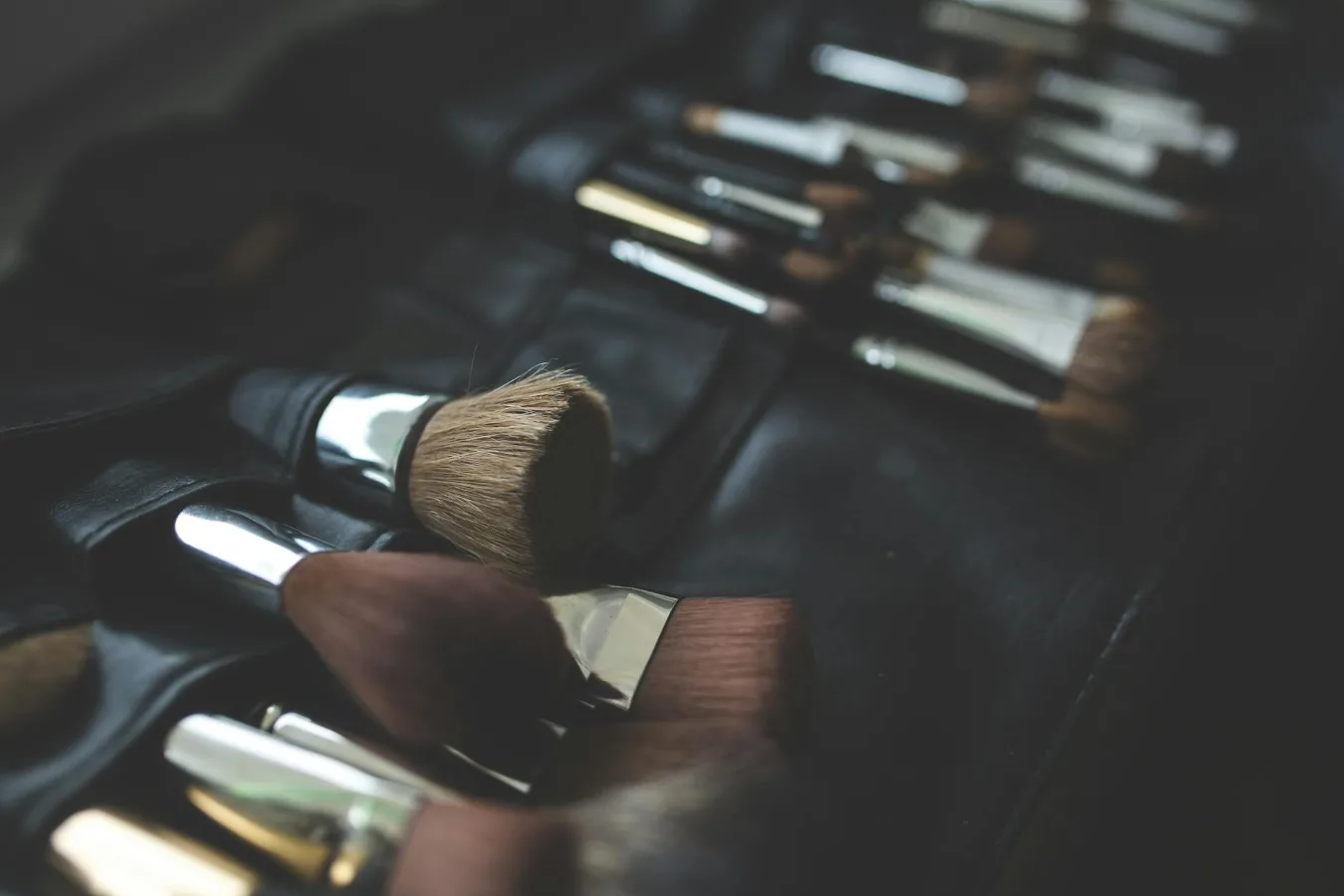
What a body brush makeup tool is for
A body brush makeup tool is designed to help you apply products to larger areas of skin more smoothly than a small face brush or your hands alone. People use it for body makeup, lotion, bronzer, shimmer, self-tan touch-ups, and other products that need an even, blended finish on the arms, legs, shoulders, chest, and collarbone. Blush Brush Makeup Buying Guide offers more detail on this point.
The main advantage is control. A good body brush can spread product without streaking, reduce patchiness, and make it easier to blend around curves and dry areas. That said, the right brush depends on the formula you plan to use. A brush that works beautifully with body shimmer may feel too dense for lotion, while a fluffy brush can be too loose for cream coverage.
If you are shopping for one, think of it less as a single “best” brush and more as a tool matched to a task.
Start with the product, not the brush
One of the most common mistakes is choosing a brush first and then trying to make it work with every body product. The formula should guide the tool.
Creams and liquid body makeup
For body makeup with more coverage, such as tinted body products, transfer-resistant formulas, or cream bronzers, a dense synthetic brush usually gives the most control. Synthetic bristles tend to handle liquid and cream products better than natural hair brushes because they do not absorb as much product.
Powders and shimmer
For loose body shimmer, bronzing powder, or finishing powder on the body, a softer, fluffier brush often creates a more diffused result. The goal is usually a light, even veil rather than a packed-on layer.
Lotion and body oils
For lotion or glow-enhancing body products, a large, flexible brush can help distribute product without leaving obvious lines. Some people prefer using their hands for these formulas, but a brush can be useful when you want more even placement or less mess.
The features that matter most
Not every brush labeled for the body is actually practical. A few details matter more than marketing language.
Brush size
A larger brush covers more skin quickly, which is useful for legs, arms, and the torso. But oversized brushes can become awkward around smaller areas like the collarbone or ankles. If you want one brush that does most jobs, a medium-large shape is often more versatile than a very large paddle.
Bristle density
Density changes how much product the brush picks up and how much pressure it gives to the skin. Denser brushes usually work better for blending cream formulas into an even finish. Looser brushes are better for soft diffusion, bronzing, and powder application. If a brush feels too stiff, it may drag; if it feels too airy, it may not build coverage well.
Shape
Flat brushes can press product on and help with fuller coverage. Rounded brushes are often better for buffing. Angled or tapered shapes can help around the shoulders, clavicles, and other contours. There is no universal winner, but shape should match how precise you want the application to be. how to choose a makeup brush shape offers more detail on this point.
Bristle material
Synthetic bristles are usually the safer pick for body makeup because they work well with creams, liquids, and many hybrid products. They are also easier to clean after heavier formulas. Natural bristles can work for powder, but they are less practical for many modern body products.
Handle length and grip
Body application can involve longer strokes and awkward angles. A handle that feels balanced and easy to hold matters more than many buyers expect. If the brush is too short or slippery, it can be harder to control on the legs and back of the arms.
How to use a body brush for a smoother finish
Good technique matters as much as the tool itself. Even an excellent brush can leave streaks if the product is applied too heavily or in the wrong motion.
- Prep the skin first. Dry patches, flaky areas, and rough texture can make body makeup look uneven. Light exfoliation and basic moisturizing can help, but let lotion settle before applying makeup so the product does not slide around.
- Use less product than you think. Body makeup often looks better in thin layers. Start with a small amount and build only where needed.
- Work in sections. Apply to one arm, one leg, or one side of the torso at a time so you can blend before the product sets.
- Buff, don’t scrub. Small circular motions or gentle sweeping motions usually blend more cleanly than hard back-and-forth brushing.
- Check from different angles. Natural light and side lighting reveal streaks that are easy to miss in a mirror.
For creamier body makeup, some people prefer to press the product in first and then lightly buff the edges. That combination often gives a more polished result than brushing from the start with heavy pressure.
Where a body brush helps most
A body brush makeup setup is especially useful in a few real-world situations.
Evening out exposed skin
If you want a more uniform look on the arms, legs, chest, or shoulders, a brush can make application more consistent than fingertips alone. This is especially helpful when you are layering body makeup over a moisturizer or primer. Pink Makeup Brush Set: What to Look For offers more detail on this point.
Blending bronzer and glow products
A brush can help diffuse bronzer or shimmer so the result looks intentional rather than striped or concentrated in one spot. This matters most on broad areas where uneven edges are easy to see.
Touching up self-tan or body color
For small corrections, a body brush can help soften the line between tan and untanned skin. It is not a replacement for a careful self-tan routine, but it can make minor touch-ups look cleaner.
Applying makeup to hard-to-reach areas
The back of the arms, shoulders, and upper back can be easier to reach with a longer-handled or larger-format brush than with hands alone. That can reduce missed spots and uneven blending.
Common mistakes to avoid
Body brush makeup looks effortless when the application is controlled. The wrong habits can make it look heavy or patchy.
- Using too much product at once. This is the fastest way to create streaks and buildup.
- Choosing a brush that is too small. A small face brush can work in a pinch, but it often makes body application slow and uneven.
- Using the same brush for every formula. A powder brush and a cream brush usually should not be treated as interchangeable.
- Ignoring dry skin texture. Brushes can emphasize flaking if the skin is not properly prepped.
- Forgetting to clean the brush. Product buildup can affect blending and make the brush feel rough over time.
A less obvious issue is pressure. Many people press harder to force product to spread faster, but that often creates more visible brush marks. A lighter touch usually works better, especially on the chest and legs where texture can show easily.
How to compare body brushes before buying
If you are choosing between options, focus on how the brush will actually be used rather than how dramatic it looks in photos.
| What to compare | Why it matters | Best for |
|---|---|---|
| Brush density | Affects coverage and blending power | Cream body makeup, bronzing, buffing |
| Brush shape | Changes precision and ease of use | Contours, shoulders, larger areas |
| Bristle material | Impacts product pickup and cleaning | Liquid, cream, and powder formulas |
| Handle design | Influences comfort and control | Longer application sessions, harder-to-reach areas |
| Size | Affects speed and precision | Quick coverage vs detailed blending |
If you want one brush for multiple body uses, a medium-to-large synthetic buffing brush is usually the safest starting point. If you mostly use powder shimmer, a softer, looser brush may be the better fit.
Cleaning and care
Body brushes can pick up more product than face brushes, especially when used with creams, oils, and tinted formulas. Regular cleaning helps preserve performance and keeps the brush from feeling stiff.
A basic approach is to clean the brush with a gentle brush cleanser or mild soap and lukewarm water, then reshape the bristles and let it dry flat or angled downward so water does not collect near the ferrule. Avoid soaking the handle. If the brush is used for heavier body products, it may need cleaning more often than a brush used only for powder.
Care also affects longevity. Rough drying, harsh cleansers, and storing a damp brush in a closed space can shorten its usable life.
Practical alternatives if a body brush is not the right fit
A body brush is helpful, but not always necessary. Depending on the formula and the finish you want, other tools may work just as well or better.
- Hands: good for lotions, oils, and light glow products when warmth and speed matter more than precision.
- Makeup sponge: useful for pressing in cream body makeup and softening edges, especially on smaller areas.
- Powder puff: helpful for certain powders when you want a more diffused, set finish.
- Application mitt: often better for self-tan or transfer-prone products than a brush.
The best choice depends on the formula, the body area, and whether you want coverage, speed, or a softened finish.
How to decide what type of body brush you need
If you want one simple decision rule, start here: choose dense synthetic bristles for cream or liquid body makeup, and softer looser bristles for powder or shimmer.
Then narrow by use case:
- For fuller coverage: choose a dense buffing brush or kabuki-style body brush.
- For glow and bronzing: choose a larger, fluffier brush that blends without obvious lines.
- For detailed body contour or smaller areas: choose a rounded or tapered brush with enough control.
- For the easiest all-around option: choose a medium-large synthetic brush with a comfortable grip.
The right brush should feel easy to maneuver, not just look good in a product listing. If a brush is difficult to control, too soft to move product, or too dense to blend, it may slow you down more than it helps.
FAQ
Can you use a face brush for body makeup?
You can, but it is usually less efficient. Face brushes are often too small for larger areas and may make body makeup take longer to blend.
What kind of brush is best for cream body makeup?
A dense synthetic brush is usually the best starting point because it handles cream and liquid formulas well and helps build even coverage.
Do you need a special brush for body shimmer?
Not always. A fluffy brush that can lightly diffuse product usually works well, especially if you want a soft, even glow.
How often should a body brush be cleaned?
It depends on the formula and how often you use it. Brushes used with creams or oils usually need cleaning more often than those used only with powder.
Is a body brush better than your hands?
Neither is always better. Hands can be faster for lotion and light glow products, while a brush is often better for more even coverage, blending, and less mess.
