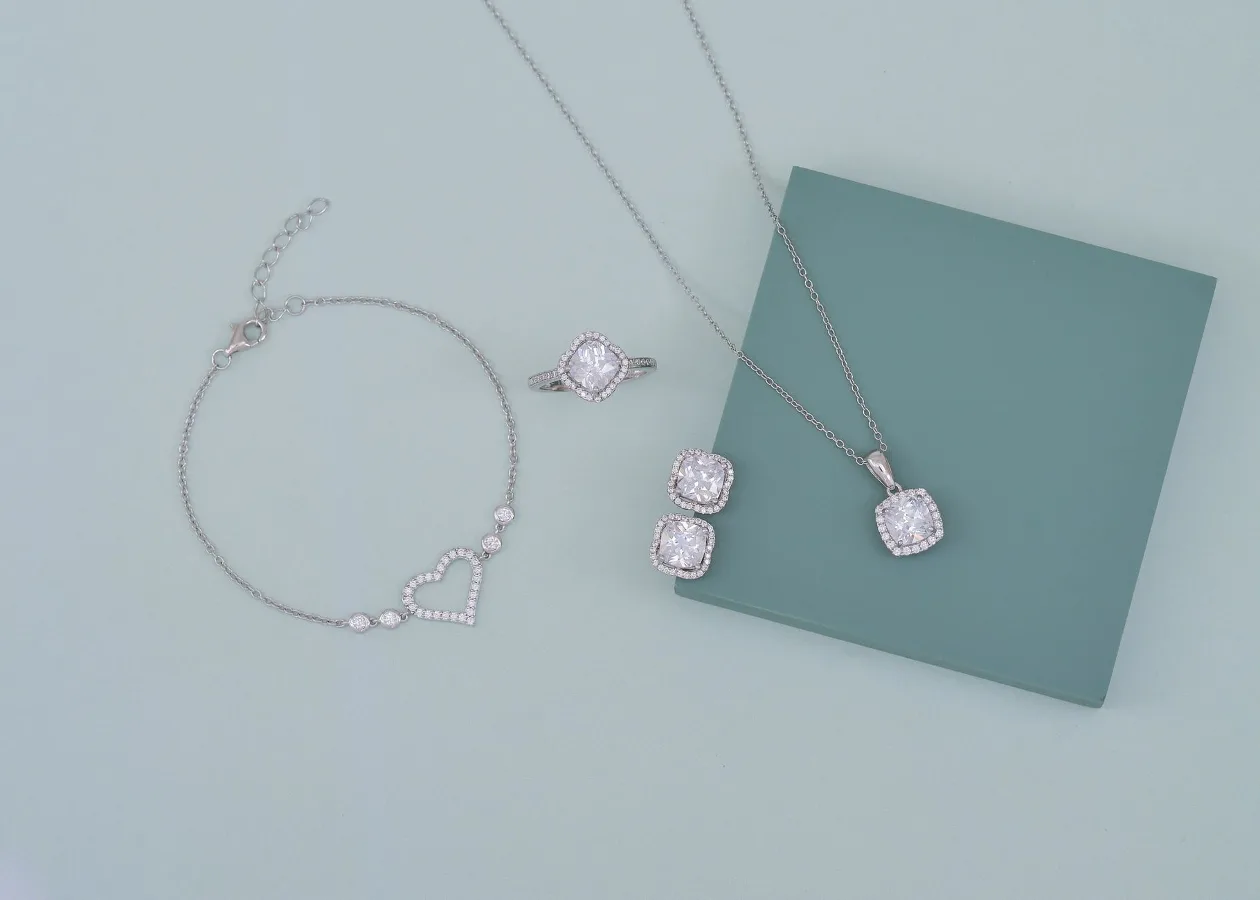
A diamond heart necklace is usually chosen for one of two reasons: it feels personal, and it is easy to wear. That combination makes it a strong gift option, but it also means the best choice depends on more than the heart shape alone. Metal, diamond quality, pendant size, and chain length all affect how the piece looks and how often it gets worn. diamond pendant buying guide offers more detail on this point. necklace chain length guide offers more detail on this point.
If you are comparing options, the most useful approach is to think about the wearer first. A delicate necklace for daily wear calls for different choices than a bold, dressier pendant. The setting matters too, because it changes both the look and the level of protection around the stones.
Who a diamond heart necklace suits best
This style works well for someone who likes jewelry with a sentimental feel but does not want something overly formal. A diamond heart necklace can fit a wide range of ages and personal styles, especially when the design is simple and the proportions are balanced.
It is often a good match for:
- someone who wears necklaces regularly and wants a recognizable but versatile shape
- a gift for a partner, family member, or milestone occasion
- someone who prefers smaller, meaningful pieces over statement jewelry
- a wearer who likes romantic motifs but still wants something polished
The main limitation is that heart-shaped jewelry is a distinct style choice. If the wearer prefers clean geometry, classic solitaires, or modern minimalism, a diamond heart necklace may feel too decorative. In that case, a simple diamond pendant or a plain chain may be the better buy.
What to compare before you buy
The heart shape gets most of the attention, but the everyday experience comes down to construction. A well-made necklace will feel comfortable, sit properly on the neckline, and hold up better over time. Poorly chosen details can make even a beautiful design frustrating to wear.
Metal choice
Most diamond heart necklaces are made in white gold, yellow gold, rose gold, sterling silver, platinum, or a combination of metals. Each one changes the overall look.
- White gold gives a bright, contemporary appearance and tends to blend naturally with diamond sparkle.
- Yellow gold creates a warmer, more traditional feel and can make a heart design look softer.
- Rose gold adds a romantic tone that often pairs well with heart motifs.
- Platinum is a premium option for buyers who prioritize durability and a white-metal look.
- Sterling silver can be attractive for budget-conscious shoppers, but it usually needs more care to keep its finish looking fresh.
The practical trade-off is simple: the more durable and premium the metal, the higher the cost is likely to be. If the necklace will be worn often, the finish and durability matter more than chasing the flashiest appearance.
Diamond quality and visual impact
For a necklace, the diamonds may be small enough that the visual impression matters more than technical perfection in isolation. That does not mean quality is unimportant. It means the right balance is different from what you might choose for a center-stone ring.
Key factors include:
- Cut affects sparkle and overall liveliness.
- Color influences how white or warm the diamonds appear against the metal.
- Clarity matters, but tiny inclusions may be less visible in smaller accent stones.
- Carat weight should be considered as part of the pendant’s total look, not as a standalone number.
A common misconception is that a larger diamond setting automatically looks better. In heart necklaces, proportion usually matters more. A well-proportioned pendant with modest stones can look more refined than an oversized design that overwhelms the chain or sits awkwardly at the collarbone.
Setting style
The setting affects both appearance and wearability. Prong settings can show more of the stone and help maximize sparkle, but they may expose edges more than protective styles. Bezel settings surround the stone and can offer a smoother, more secure feel, though they create a different visual effect.
If the necklace is intended for everyday wear, think about how often it will contact clothing, hair, or other jewelry. A more protective setting can be a smart choice for someone active or for someone who dislikes delicate pieces that catch easily. how to choose fine jewelry metals offers more detail on this point.
Chain length and proportion
Chain length changes where the pendant falls and whether it layers well with other necklaces. A shorter chain places the heart closer to the collarbone, which can feel classic and neat. A longer chain creates a softer drape and may suit a more relaxed style.
The best length depends on neck size, neckline preferences, and whether the wearer likes layering. A pendant that looks balanced on one length may feel visually heavy or too small on another. If you are buying as a gift and cannot measure, a medium-length chain is often the safest starting point for versatility.
Buyer scenarios: matching the necklace to the wearer
The easiest way to narrow the options is to think in use cases instead of product labels.
- Everyday wear: Choose a modest pendant size, a sturdy chain, and a setting that will not snag easily.
- Romantic gift: A rose gold or yellow gold heart can emphasize warmth and sentiment.
- Dressy occasions: A brighter metal and more visible diamond presence can create a stronger visual effect.
- Minimalist style: Look for a simple outline or a small paved heart rather than a highly ornate design.
- Layering with other necklaces: Choose a flatter pendant profile and a chain length that will not compete with other pieces.
One overlooked consideration is pendant thickness. Two heart necklaces may look similar in a product photo, but a thinner piece can flip more easily or feel less substantial, while a thicker design may hang better and resist distortion. This matters more if the necklace will be worn often.
Trade-offs worth thinking through
Buying a diamond heart necklace is partly about style, but it is also about compromise. A piece that looks delicate may be less practical for everyday use. A more durable design may appear less airy or refined. A lower price point may come with simpler finishes or a less substantial chain.
Here are the main trade-offs to keep in mind:
- Delicate vs. durable: Slim chains and tiny pendants look elegant, but they can be more vulnerable to wear.
- Decorative vs. versatile: A highly detailed heart can stand out, but a simpler design may work with more outfits.
- Budget vs. metal quality: Lower-cost options can still be attractive, but the metal choice and construction may be less robust.
- Natural vs. lab grown diamonds: Either can suit a heart necklace; the better choice depends on budget, preference, and the buyer’s priorities.
There is also a practical reality many shoppers miss: the chain often fails before the pendant does. If the necklace looks beautiful but comes with a flimsy chain, the overall value may be weaker than a more modest pendant paired with better construction.
Material and specification factors that matter most
Because this is a necklace rather than a ring, a few specifications deserve special attention.
Chain style and clasp
The chain should complement the pendant instead of disappearing under it. Some chains are designed to feel delicate, while others are built for more daily wear. The clasp should be easy enough to manage without being overly loose or fragile.
If the wearer often puts jewelry on and off alone, usability matters. Small clasps can be frustrating. If layering is important, the chain should sit smoothly and avoid tangling too easily with other necklaces.
Diamond placement
Some diamond heart necklaces feature pavé stones across the heart outline, while others use a single center diamond or a small cluster. Pavé styles tend to sparkle more from a distance, but they also contain more small stones that can require careful handling. A simpler design may be easier to maintain and less likely to show wear.
Finish and surface texture
Polished metal gives a brighter, more classic finish. Matte or brushed surfaces can feel softer and more modern. The finish should suit the overall style of the piece and the personality of the wearer. High polish can look striking, but it may also show fine marks more readily than a subtler finish.
Setting height
A lower-profile pendant usually wears more comfortably and is less likely to catch. A higher setting can create visual lift and a more noticeable profile, but it may be less practical under scarves, jackets, or fitted tops.
Common mistakes shoppers make
Many buyers focus on the heart shape and overlook details that determine long-term satisfaction.
- Choosing style without checking chain strength. The pendant may be attractive, but the necklace still needs to support it well.
- Ignoring scale. A pendant that looks elegant online may feel too small or too large in person.
- Picking a finish that clashes with the wearer’s other jewelry. If someone mostly wears yellow gold, a white-metal heart may not get worn often.
- Assuming every diamond heart necklace is delicate by design. Some are meant for everyday wear; others are better reserved for special occasions.
- Forgetting maintenance needs. Small stones, bright finishes, and fine chains may need more frequent care.
A practical way to avoid disappointment is to compare the necklace against the wearer’s current favorites. If their most-worn necklaces are short, simple, and sturdy, choose something in that same lane rather than a dramatic departure.
Styling considerations
A diamond heart necklace works best when it complements the outfit rather than fighting it. It usually pairs well with open necklines, simple tops, tailored blouses, and layered looks. If the pendant is highly detailed, keep the surrounding jewelry restrained.
For layering, start with one shorter chain and one pendant that does not sit too low. If the heart is ornate, let it be the focal point. If it is small and minimal, it can sit comfortably with another thin chain without looking crowded.
For a cleaner everyday look, choose a pendant that echoes the wearer’s usual metal tone and jewelry scale. That creates better odds that the piece will actually be worn instead of stored away for special occasions only.
How to care for it
Fine jewelry lasts longer when it is stored and cleaned consistently. A diamond heart necklace should be kept away from tangling chains, harder gemstones, and abrasive surfaces. Wiping it gently after wear can help preserve the finish, especially if it is exposed to lotions, perfume, or makeup.
If the piece includes many small stones, periodic inspection is wise. Loose settings are easier to address early than after a stone is lost. For softer metals and more delicate chains, extra care during storage can prevent unnecessary wear.
Alternatives if a diamond heart necklace is not the right fit
Some shoppers want the sentiment of a heart shape without committing to a diamond-forward design. In that case, consider these alternatives:
- Plain heart pendant: keeps the theme but simplifies maintenance and cost.
- Diamond solitaire pendant: offers a more classic and less decorative look.
- Initial necklace: feels personal without relying on a heart motif.
- Birthstone pendant: adds meaning while giving the wearer another way to coordinate with other jewelry.
These alternatives can be especially useful if you are buying for someone with a very specific style or if you want something more understated for daily wear.
What to do next
Before you buy, narrow your choice by answering four questions: Who is wearing it? How often will it be worn? Which metal does the wearer already prefer? And should the necklace feel delicate or substantial?
Once you know that, compare the chain, setting, pendant size, and overall finish rather than focusing only on diamond count or heart shape. That approach usually leads to a better purchase and a piece that gets worn more often.
If the necklace is a gift, simple versatility is often the safest path. If it is for personal wear, choose the version that fits the wardrobe and lifestyle already in place. That is usually the difference between a necklace that looks good in a box and one that becomes a regular favorite.
FAQ
What does a diamond heart necklace symbolize?
It is commonly associated with love, affection, and sentimental gifting. The exact meaning depends on the wearer and the occasion, but the heart shape is generally chosen for its romantic and personal feel.
Is a diamond heart necklace good for everyday wear?
It can be, if the chain is sturdy, the pendant is not overly bulky, and the setting is low-profile enough for regular use. Smaller, simpler designs are usually easier to wear every day.
Should I choose white gold, yellow gold, or rose gold?
The best choice depends on the wearer’s existing jewelry and style. White gold feels bright and modern, yellow gold is warmer and more classic, and rose gold adds a softer romantic tone.
Are lab grown and natural diamonds both suitable for this style?
Yes. Either can work well in a diamond heart necklace. The decision usually comes down to budget, personal preference, and the qualities that matter most to the buyer.
What is the most overlooked part of the necklace?
The chain and setting are often overlooked, but they have a major effect on comfort, durability, and how often the necklace will actually be worn.
