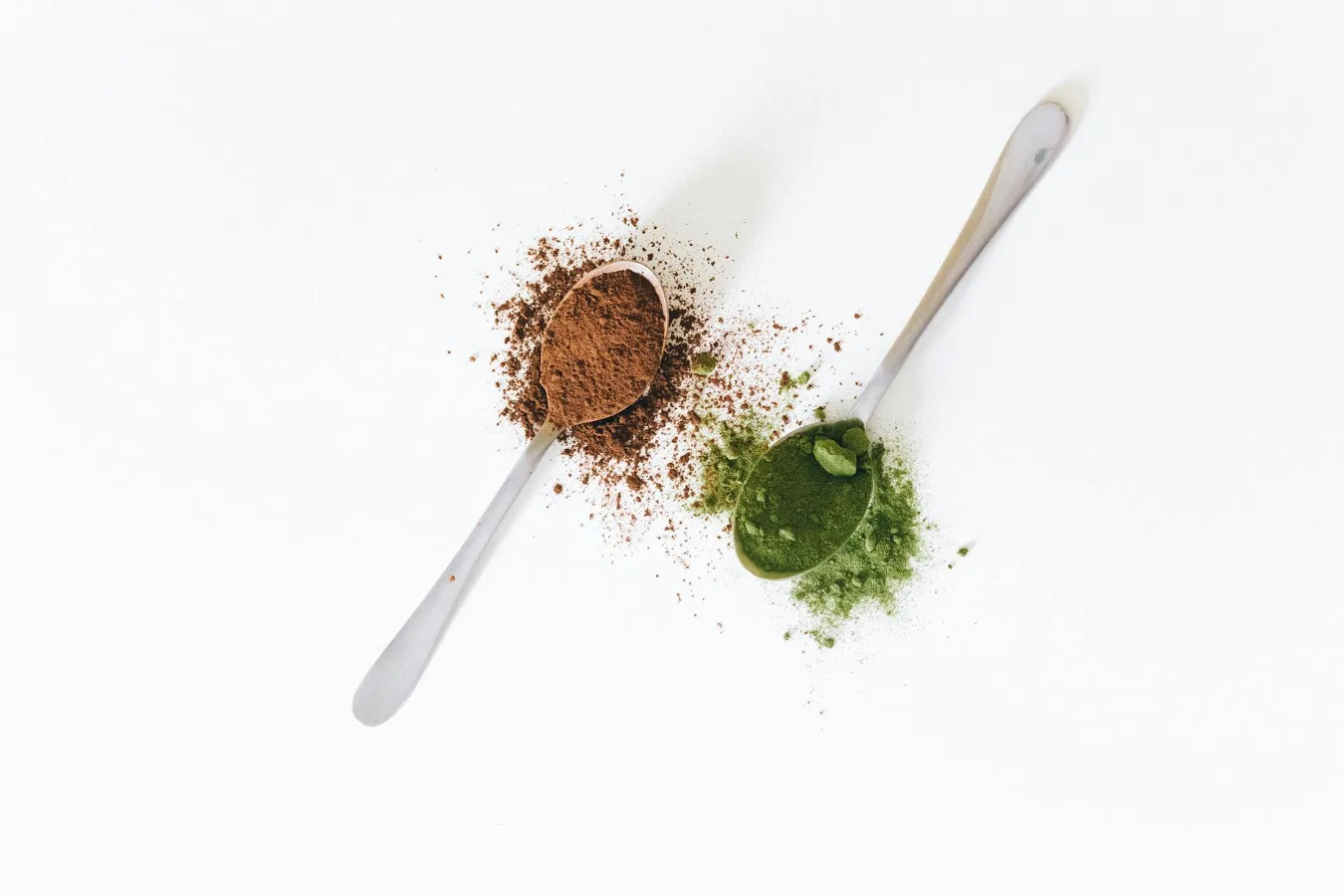
If you are choosing between a multivitamin and a greens powder, the short answer is this: a multivitamin is usually the better choice for basic vitamin and mineral coverage, while a greens powder is better viewed as a supplement to a food pattern that already needs more produce. They are not direct substitutes, and many people use them for different reasons. ballerina farm protein powder tips offers more detail on this point. Greens Gummies vs Powder: Which Fits You? offers more detail on this point. greens powder pregnancy offers more detail on this point.
A multivitamin is typically designed to help cover common micronutrient gaps such as vitamin D, B vitamins, vitamin C, zinc, and sometimes iodine or selenium. A greens powder usually focuses on plant-based ingredients like spinach, kale, wheatgrass, spirulina, chlorella, or fruit and vegetable blends. Some products also add probiotics, enzymes, adaptogens, or fiber, but those extras do not automatically make it a replacement for real vegetables or a complete nutrient solution.
If your main concern is missing key vitamins and minerals because your diet is inconsistent, a multivitamin is usually the more practical starting point. If you already eat reasonably well but want a convenient way to add more plant compounds to your routine, a greens powder may feel more relevant. The better pick depends on your diet quality, goals, and tolerance for capsules versus mixed powders.
Who each option tends to suit
The easiest way to compare them is by use case. These products solve different problems, and that is where many shoppers get tripped up.
Choose a multivitamin if you want straightforward nutrient coverage
A multivitamin tends to make sense for people who want a simple daily backup for their diet. That includes busy adults, people with irregular meal patterns, anyone who eats from a limited food list, and shoppers who want a familiar supplement format with a clear purpose.
Multivitamins are also easier to evaluate because the label usually lists specific nutrients and amounts. That makes it simpler to compare formulas and notice whether a product leans toward basic coverage, higher-potency formulas, or gender- and age-specific blends.
Choose a greens powder if your main goal is adding plant ingredients
Greens powders are more appealing to people who already think in terms of smoothies, morning routines, and functional ingredients. They can be useful for those who struggle to eat enough produce, want a beverage format, or prefer a supplement that feels closer to a food-based blend.
That said, a greens powder is often less precise than a multivitamin. Ingredient lists can be long, but the amounts of individual vitamins and minerals may be modest, unclear, or not standardized in a way that makes direct comparison easy. Many formulas are built more for broad wellness positioning than for targeted micronutrient correction.
The trade-offs that matter most
This comparison is less about which product is universally “better” and more about which compromise you are willing to make.
Multivitamin trade-offs
A multivitamin is usually the more practical option for coverage, but it has limits. It cannot make up for a poor diet, and it does not replace the fiber, water, and variety you get from whole foods. Some formulas also include nutrients you may not need, or amounts that are more than your routine requires.
Another common misconception is that more ingredients automatically mean more value. In reality, the usefulness of a multivitamin depends on whether it fits your diet, age, sex, and any specific needs you have. A product packed with extras is not automatically superior to a simpler formula.
Greens powder trade-offs
Greens powders can feel like an easy shortcut, but they come with their own limitations. A powder made from dried greens and botanical blends is not the same thing as eating a serving of vegetables. Dry processing, formula design, and serving size all affect what you are actually getting.
Many greens powders also lean on blended ingredient lists that can make the label harder to interpret. A long list of plant ingredients may look impressive, but without meaningful amounts of key nutrients, the practical value may be less than it appears. Some formulas also taste strong or earthy, which matters more than people expect when a product is meant to be used daily.
Ingredient and label factors to compare
If you are trying to decide between the two, the label matters more than the category name. A well-chosen product in either category can be more useful than a flashy one with vague positioning.
For multivitamins, check the nutrient profile first
Look for the vitamins and minerals that align with your needs rather than assuming more is better. Many shoppers focus on the front of the bottle, but the Supplement Facts panel tells the real story.
- Nutrient coverage: Does it include the vitamins and minerals you are actually looking for?
- Form of nutrients: Some forms may be easier to tolerate or absorb than others, depending on the nutrient.
- Serving size: A product that requires multiple capsules may be less convenient than a single serving.
- Added extras: Some formulas include herbs, antioxidants, or blends that may not be necessary for your goals.
- Potential overlap: Check whether it duplicates nutrients from other supplements you already take.
For greens powders, focus on transparency and realism
Greens powders vary widely. Some are simply blended vegetable and algae powders, while others add probiotics, fiber, sweeteners, enzymes, or functional botanicals. The question is not how crowded the formula looks, but whether the ingredients are disclosed clearly enough to be useful.
- Ingredient disclosure: Are the individual ingredients and amounts clearly listed, or buried inside a proprietary blend?
- Plant variety: Does the formula emphasize leafy greens, algae, mushrooms, fruit powders, or herbal add-ins?
- Added sugar or sweeteners: If you plan to use it daily, flavoring matters.
- Digestive tolerance: Some people do better with simpler formulas than with blends that include many extras.
- Purpose: Is the product trying to act like a produce booster, a general wellness powder, or a functional beverage?
An overlooked consideration is that a greens powder can look nutrient-dense while still being poorly matched to your actual gap. If your diet is low in vitamin D or B12, a leafy-green blend may not be the most efficient fix. If you need more produce intake, it may still be useful, but for a different reason.
How the two fit different nutrition goals
Rather than asking which one is healthier, it is more useful to ask what problem you are trying to solve.
For covering common gaps
Multivitamins generally have the edge when the goal is basic coverage. They are designed to address common shortfalls in a way that is easy to understand and easy to take consistently.
This can be especially relevant if your diet changes a lot from day to day, if you eat on the go, or if you know your food choices are not especially varied. A multivitamin is not a substitute for diet quality, but it is built for this kind of practical backup role.
For adding plant-based variety
Greens powders are more relevant when the goal is to bring plant ingredients into a routine that lacks them. That can be helpful for people who find vegetables inconvenient, repetitive, or hard to include daily.
Still, a greens powder is best treated as an adjunct, not a replacement. Whole vegetables and fruits bring texture, water, fiber, and a broader food matrix that powders do not fully mimic. If produce intake is low, a powder can be a bridge, but it should not be mistaken for a complete solution.
For convenience
Convenience cuts both ways. A multivitamin is usually easier to carry, store, and take consistently. A greens powder requires mixing, shaking, or blending, and that extra step can matter if you are trying to build a routine that actually lasts.
On the other hand, some people simply dislike swallowing capsules. For them, a drinkable powder is more realistic. The right choice is often the one you are most likely to use regularly, not the one with the longest ingredient list.
Limitations you should not ignore
Both products have boundaries, and being realistic about them can save money and disappointment.
- Neither product replaces a balanced diet. Supplements can support nutrition, but they do not replace meals built around protein, produce, whole grains, and healthy fats.
- Greens powders are not automatically equivalent to vegetables. Processing, portion size, and ingredient concentration make that comparison too simplistic.
- Multivitamins are not a fix for poor lifestyle habits. Sleep, hydration, and consistent eating patterns still matter more than any single supplement.
- More ingredients do not guarantee better results. Complex formulas may be harder to assess and sometimes harder to tolerate.
- Not every product suits every person. Age, sex, dietary pattern, and medication use can all affect what makes sense.
A practical rule is to start with the most specific need. If you need vitamin and mineral coverage, pick a multivitamin that matches that goal. If you need a convenient way to consume more plant-based ingredients, consider a greens powder. If you need both, you may eventually use both, but only if that combination is actually justified by your diet and routine.
Common mistakes buyers make
Many supplement shoppers compare these products by marketing language instead of function. That is where confusion starts.
- Assuming greens powder is a multivitamin replacement: It often is not, especially if the formula is light on core vitamins and minerals.
- Choosing by front-label claims: Terms like superfood, detox, or wellness blend do not tell you much about actual utility.
- Ignoring your real diet pattern: A supplement should address a gap, not just feel healthy.
- Overlooking tolerance and taste: A product that is unpleasant to take will not stay in your routine.
- Stacking too many overlapping supplements: This can lead to unnecessary duplication and a cluttered routine.
A simple way to decide
If you want a straightforward decision framework, use this:
- If your main concern is missing vitamins and minerals, start with a multivitamin.
- If your main concern is low vegetable intake or you want a plant-based drink mix, consider a greens powder.
- If you want both, make sure the products do not duplicate the same nutrients in unhelpful ways.
- If you already eat a wide, varied diet, you may not need either product every day.
- If you have a medical condition, take medications, or follow a restrictive diet, review the label carefully before adding anything new.
That final point matters more than people think. The best supplement is not the one with the most claims; it is the one that fits your actual pattern of eating, budget, tolerance, and long-term routine.
Next steps before you buy
Before choosing a multivitamin or greens powder, pause and review your diet honestly. Ask yourself whether you need coverage, convenience, or more plant-based ingredients. Those are different needs, and they lead to different products.
Then compare labels with a skeptical eye. Look for clear ingredient disclosure, a serving size you can realistically use, and a formula that fits your goal without unnecessary extras. If a product promises too much, that is usually a sign to slow down.
If you are still unsure, the safer default for many people is a simple multivitamin chosen for their life stage and diet pattern. Greens powders can still have a place, but they make the most sense when you already understand what they do well and what they do not do at all.
The smartest choice is the one that supports your routine without pretending to replace it.
