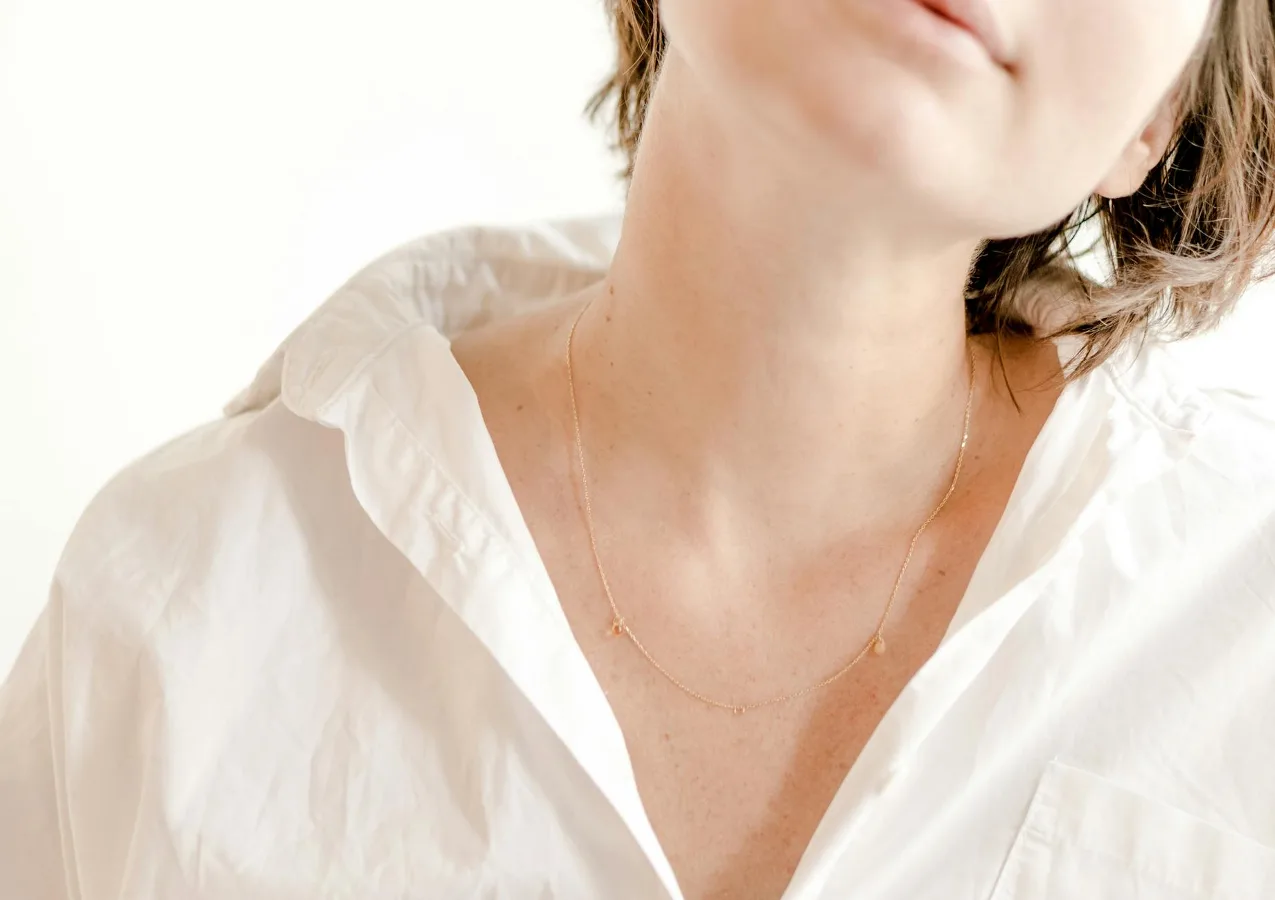
A momma necklace is usually a sentimental necklace designed for a mother figure, often featuring the word “momma,” a name, initials, a heart motif, or another personal detail. For many shoppers, the appeal is less about a trend and more about finding a piece that feels warm, wearable, and specific to the person receiving it.
If you are comparing options, the main decision is not just the design. It is how the necklace looks on the body, what it is made from, how much care it needs, and whether it suits everyday wear or a more occasional sentimental gift. Those details matter because a necklace that looks lovely in a product photo can feel very different once it is worn regularly. everyday necklace care tips offers more detail on this point.
Start with the buyer scenario
The best momma necklace depends on why you are buying it. A gift for Mother’s Day, a new mom, a grandmother, or a partner who wears sentimental jewelry every day all call for slightly different choices. personalized jewelry guide offers more detail on this point.
If the goal is everyday wear, a simpler pendant or script name style often works best because it is easier to pair with other jewelry and less likely to feel too dressy. If the necklace is meant as a keepsake, you may care more about personalization, engraving, or symbolic details such as a birthstone or child’s name.
That buyer scenario also helps you avoid a common mistake: choosing the most decorative option instead of the most wearable one. A larger pendant may look special, but if the person already prefers minimal jewelry, a smaller and lighter design may get worn far more often.
What a momma necklace usually communicates
“Momma” is a casual, affectionate word. That tone matters. Compared with “mother” or “mama,” it often feels more intimate, homespun, and emotionally direct. For some people, that makes it perfect. For others, it can feel too informal depending on personal style or family language.
That is why the wording itself is part of the purchase decision. A necklace that says “momma” may feel especially fitting for a gift from children, a partner, or a close family member, while a more understated “mom” design may suit someone who prefers clean, minimal sentiment over a more personal phrase.
Another overlooked consideration is emotional longevity. A trend-driven design may be appealing now, but a simple word pendant or nameplate style usually has a longer wear life because it is less tied to a specific fashion cycle.
Material and finish matter more than most shoppers expect
For jewelry like this, the material often determines whether the necklace feels like a lasting keepsake or a short-term accessory. Common options include sterling silver, gold-plated metals, gold-filled pieces, solid gold, and stainless steel. Each has a different balance of appearance, maintenance, and cost.
Sterling silver
Sterling silver is a popular choice because it has a clean look and works well with both casual and dressy outfits. It can darken over time if not cared for, so it suits buyers who are comfortable with occasional polishing and proper storage.
Gold-plated and gold-filled styles
Gold-plated jewelry can offer the look of gold at a lower cost, but the finish may wear sooner with frequent friction, moisture, or perfumes. Gold-filled pieces generally provide better durability than standard plating, which can make them a stronger choice for regular wear if the design is available.
Solid gold
Solid gold is usually the most durable and low-maintenance of the classic precious metal options, though it also tends to be the highest-cost choice. For a meaningful lifelong keepsake, it can be worth considering if the budget allows and the wearer likes fine jewelry.
Stainless steel and other base metals
These can be practical for buyers who want a simple, sturdy necklace for occasional wear or a lower-cost gift. The trade-off is that they may not have the same heirloom feel as precious metals, which matters if the piece is meant to mark a major family moment.
The important point is not that one metal is universally better. It is that the best material should match how the necklace will actually be worn. A beautiful finish is less useful if the wearer needs something more durable, less fussy, or better suited to sensitive skin.
Length, scale, and how the necklace sits
Necklace length changes the entire look. A shorter chain can make a pendant sit higher on the neckline, which is useful for layering and for keeping the design visible. A longer chain can create a softer, more relaxed feel and may suit someone who prefers a lower pendant placement.
The size of the word or charm should also be considered alongside the chain. A small “momma” pendant can feel subtle and refined, while a larger script design makes more of a statement. The right scale depends on the wearer’s wardrobe, hairstyle, and comfort level with noticeable jewelry.
One practical nuance: a necklace that looks balanced in isolation may feel too busy if the person already wears hoops, stackable rings, or layered chains. If the goal is versatile everyday wear, a cleaner silhouette is usually easier to integrate.
Personalization choices: what actually adds meaning
Many shoppers search for a momma necklace because they want something personal. Personalization can be as simple as the word itself, or it can include initials, children’s names, a date, a birthstone, or an engraving on the back of a pendant.
More personalization is not always better. A design with too many names or decorative elements can become hard to read, visually crowded, or too specific to wear with different outfits. Sometimes the most meaningful choice is also the simplest one.
Birthstones are a good example of a feature that adds significance without overpowering the piece. They can represent children or family members while still keeping the design elegant. Engraving, meanwhile, is often best when the front of the necklace is intentionally minimal and the personal message is meant to feel private.
Style direction: subtle, sentimental, or more visible
There are three broad style directions shoppers usually move toward.
- Minimal and understated: A small script pendant, initial charm, or simple disc. Best for daily wear and layering.
- Sentimental and obvious: A clear “momma” word pendant, often chosen for its emotional clarity and gift-ready feel.
- Decorative and statement-oriented: Designs with extra sparkle, stones, or larger charm work. Best when the necklace is meant to be noticed.
Choosing between them depends on the wearer’s usual jewelry habits. Someone who rarely wears necklaces may appreciate a readable, meaningful pendant that stands on its own. Someone who already layers jewelry may prefer a smaller design that fits into a larger style system. how to layer delicate necklaces offers more detail on this point.
A common misconception is that sentimental jewelry has to look delicate to feel meaningful. In reality, some wearers prefer a stronger, more visible piece because it communicates family pride rather than quiet sentiment.
Comfort and daily wear considerations
A necklace can be emotionally important and still be uncomfortable if the chain is stiff, the pendant flips constantly, or the clasp is awkward. For a piece that may be worn often, comfort should be treated as a core buying factor.
Look at whether the pendant has sharp edges, whether the chain feels likely to tangle, and whether the size is practical for the wearer’s routine. Parents who are active, hold children often, or move through busy days may prefer a lightweight design that does not catch easily.
Also think about maintenance habits. Some finishes require more care than others. If the wearer likes low-effort jewelry, a design that needs frequent polishing or special storage may become more frustrating than sentimental.
Common limitations worth considering before you buy
Even a well-made momma necklace has limitations, and they are worth weighing honestly.
- Personalized styles can be harder to exchange: If a name, date, or custom engraving is involved, returns may be limited.
- Very delicate chains can be fragile: Slim chains may look elegant but are not always ideal for constant wear.
- Plated finishes need more care: They may show wear sooner if exposed to moisture, perfume, or heavy friction.
- Statement designs may not suit every wardrobe: A bold pendant can be beautiful but less versatile than a smaller piece.
These are not reasons to avoid the category. They are simply reasons to match the necklace to the person, not just the occasion.
Good alternatives if “momma” is not the exact fit
If the word “momma” does not feel quite right, there are many related styles that keep the same sentiment with a different tone. “Mama,” “mom,” “mother,” and “ma” each carry slightly different emotional and stylistic cues.
Other alternatives include:
- an initial necklace with children’s initials
- a birthstone necklace representing family members
- an engraved disc pendant with a date or short phrase
- a name necklace using the wearer’s own name or children’s names
- a locket style for a more traditional keepsake feel
These options are useful when the buyer wants a meaningful gift but needs more control over style, tone, or wearability. They are also worth considering if the recipient already owns a lot of word jewelry and would prefer something different.
How to judge quality without overcomplicating it
You do not need a technical background to evaluate a necklace sensibly. A few details tell you a lot.
- Check the material description carefully. Look for clarity about sterling silver, gold-filled, plated, or solid metal construction.
- Look at chain type and clasp details. These affect comfort and everyday usability.
- Consider the finish. High-polish, matte, brushed, and stone-accented styles each create a different mood.
- Read the personalization limits. Some designs are better for names, others for short words or initials.
- Match the piece to the wearer’s habits. Minimalist, classic, or statement styles each serve different people well.
A useful rule: if the listing makes the material and personalization details hard to understand, that is usually a sign to slow down and compare alternatives.
Next steps before purchasing
Before buying a momma necklace, narrow your choice with three questions: Who is wearing it, how often will it be worn, and what feeling should it carry? Those answers make the rest of the decision much easier.
If the necklace is for daily use, prioritize comfort, durability, and a simpler silhouette. If it is a keepsake gift, prioritize meaning, finish, and the quality of the personalization. If you are unsure, choose the most versatile version of the design rather than the most ornate one.
That approach helps you avoid the two most common mistakes: buying something too decorative to wear often, or buying something too minimal to feel special. A well-chosen momma necklace should do both jobs at once. It should feel personal enough to matter and practical enough to live in the jewelry box you actually open again and again.
