Choose a cartridge based on the water problem first
A water filter cartridge should be chosen for the issue you actually want to solve, not just for a brand name or a low price. If your main concern is sediment, a cartridge designed for particulate removal makes more sense than one focused on taste and odor. If your water has chlorine taste, an activated carbon cartridge is usually more relevant than a fine sediment cartridge.
That simple distinction matters because a cartridge can be excellent in one role and a poor fit in another. Many buyers run into trouble by assuming any replacement filter will improve every aspect of water quality. In practice, cartridge choice comes down to the contaminant type, the system it has to fit, and the level of maintenance you are willing to keep up with. how to choose a replacement filter cartridge offers more detail on this point.
Common buyer scenarios
For municipal water with taste or odor concerns
If your tap water is already treated by a city system but still tastes or smells unpleasant, a carbon-based cartridge is often the most relevant category to look at. These cartridges are commonly used to reduce chlorine taste and odor, and they can make water more pleasant for drinking and cooking. They are not a universal fix, though. A cartridge designed for taste improvement may not address fine sediment, hardness, or dissolved minerals.
For cloudy water or visible particles
When water looks hazy or leaves grit in fixtures, a sediment cartridge is usually the first place to start. These cartridges are rated by micron size, which describes how small a particle they can capture. A lower micron rating generally means finer filtration, but it can also mean slower flow and more frequent clogging. That trade-off is easy to miss, especially for households that want cleaner water without reducing pressure.
For well water
Well water often requires more than one stage of filtration, because the issue may involve sediment, iron, sulfur smell, or bacteria concerns depending on the source. A single cartridge rarely solves every problem. For buyers in this situation, the best approach is usually to identify the main water issue first and then choose cartridges as part of a broader system rather than as a stand-alone solution.
For an under-sink drinking water setup
Under-sink systems are usually chosen for targeted drinking and cooking water at one faucet. In that setting, the cartridge choice often centers on taste, odor, and specific contaminant reduction goals. Compatibility becomes especially important because a cartridge must fit the housing exactly and work at the intended flow rate. A cartridge that is technically effective can still be frustrating if it does not fit the system or if it causes the tap to run too slowly for daily use.
Trade-offs that matter before you buy
The most important trade-off is usually filtration level versus flow. Finer filtration can catch smaller particles, but it may restrict water movement more than a coarser cartridge. That can be acceptable in a low-flow drinking-water system, yet inconvenient in a whole-house setup where pressure matters more.
Another trade-off is capacity versus maintenance. Some cartridges are designed to last longer between changes, but longer service life does not automatically mean better value. If a cartridge becomes clogged before its expected interval because your water carries more sediment than average, replacement costs and maintenance time may be higher than you planned.
There is also the issue of purpose-built performance. A carbon cartridge may improve taste and odor but do little for particles. A sediment cartridge may protect plumbing and downstream filters but leave chlorine taste unchanged. For many homes, the best solution is not a single “best cartridge” but a staged setup that uses each cartridge for a distinct job.
Spec factors that are worth checking closely
Micron rating
Micron rating is one of the first specifications buyers see, but it is easy to misunderstand. Smaller ratings usually mean finer particle capture. That can be useful for polishing water or protecting appliances, but it can also shorten cartridge life if the incoming water carries a lot of sediment. For some applications, a multi-stage approach with a more open prefilter upstream is a better long-term choice than forcing one fine cartridge to do everything. micron ratings for home water filters offers more detail on this point.
Filter media
Different media serve different goals. Activated carbon is commonly used for improving taste and odor. Sediment media are used for particles such as sand, silt, and rust. Some cartridges combine media layers for broader performance, but combined media does not guarantee equally strong results across every contaminant type. Reading the cartridge description carefully helps you avoid buying a general-purpose filter when you really need a targeted one.
Housing and size compatibility
Compatibility is one of the most overlooked buying factors. A cartridge may look similar to your current one yet still fail to fit properly because of length, diameter, end-cap design, or sealing style. Homeowners often focus on filtration claims first and discover fit problems later. Checking your housing model and dimensions before purchase prevents returns and avoids leaks or bypass issues.
Flow rate
Flow rate affects everyday usability more than many shoppers expect. A filter that cleans well but slows the faucet too much can become annoying fast, especially in a busy kitchen. For whole-house systems, flow becomes even more important because a restrictive cartridge can affect showers, laundry, and appliances. The right cartridge should match your household demand rather than just the water-quality goal.
Replacement interval
Replacement timing depends on water quality, usage, and the cartridge’s design. There is no universal schedule that fits every household. Buyers should look for cartridges with replacement guidance that makes sense for their usage pattern, while also understanding that heavy sediment, frequent cooking use, or larger households may shorten practical lifespan.
Material and build quality considerations
The cartridge body and internal construction affect how reliably the filter performs over time. Some cartridges are designed to hold up better under heavier sediment loads, while others are optimized for taste reduction in cleaner municipal water. A well-built cartridge should maintain its shape, seal correctly in the housing, and resist premature channeling, where water finds easy paths through the media instead of being evenly filtered. water filter media types explained offers more detail on this point.
For buyers comparing options, it helps to think less about packaging claims and more about how the cartridge will behave in your system. If your water supply is inconsistent, durability and clog resistance may matter more than maximum fine-filtration capability. If your water is relatively clean and you mostly want better taste, a simpler cartridge may be the more practical choice.
How to narrow the choice without overbuying
- Identify the main water issue first: sediment, taste, odor, or a broader treatment need.
- Check the exact cartridge size, end style, and housing compatibility.
- Match the micron rating or media type to the problem instead of choosing the smallest number available.
- Consider how much flow loss your household can comfortably accept.
- Estimate how often you are realistically willing to replace the cartridge.
This sequence helps prevent a common mistake: buying a cartridge because it sounds more advanced, even though it may not suit the system or the water source. The most expensive option is not always the most useful one.
Practical limitations to keep in mind
A filter cartridge is not the same as a complete water treatment plan. If your concern involves dissolved contaminants, hardness, or microbial safety, a basic cartridge may not be enough. Some cartridges are also designed only for prefiltration, meaning they protect later stages rather than solving the problem on their own.
Another limitation is that real-world water quality can vary. A cartridge that performs well in one home may clog quickly in another because the source water is different. That is why replacement intervals and practical maintenance matter as much as the headline filtration claim.
It is also worth remembering that clearer water is not always the same as safer water. A sediment cartridge may make water look cleaner, but appearance alone does not tell you whether it addresses the specific issue you care about. Knowing the category of contaminant you are dealing with leads to better buying decisions than relying on visual improvement alone.
Alternatives worth considering
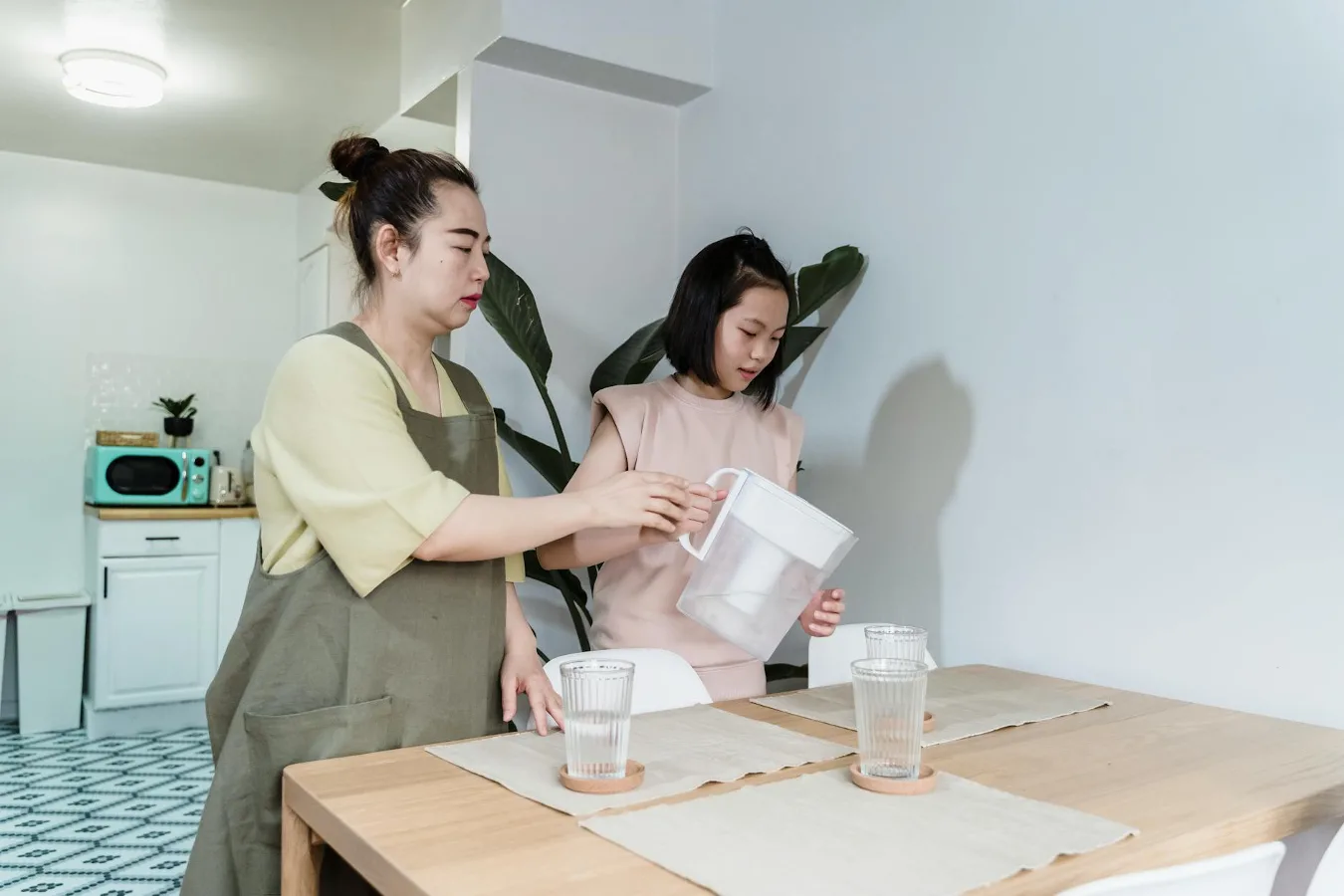
If you are unsure whether a single cartridge is enough, there are a few sensible alternatives. A multi-stage system can separate sediment removal from taste-and-odor treatment. A whole-house system may be more practical if the issue affects every tap. For renters or people who want a low-commitment option, a pitcher or faucet-mounted filter may be easier to manage than a housing-based cartridge setup.
Each alternative comes with its own trade-offs. Pitchers are convenient but usually limited in capacity. Faucet-mounted filters are simple but may not fit every sink setup. Whole-house filtration covers more water but typically costs more to install and maintain. The right answer depends on whether you want targeted drinking water improvement or broader household treatment.
What to do next before placing an order
Before buying a water filter cartridge, compare three things side by side: what your water needs, what your system accepts, and how much maintenance you are willing to take on. That simple check narrows the field quickly and reduces the chance of buying a cartridge that looks right on paper but performs poorly in practice.
If you already know your system model, match the cartridge to that housing first. If you are still diagnosing the water problem, start by separating sediment issues from taste-and-odor issues, then build from there. That approach tends to produce better results than shopping by claims alone.
For most households, the best water filter cartridge is not the one with the most aggressive specifications. It is the one that fits the system, addresses the real water issue, and stays practical to maintain over time.
