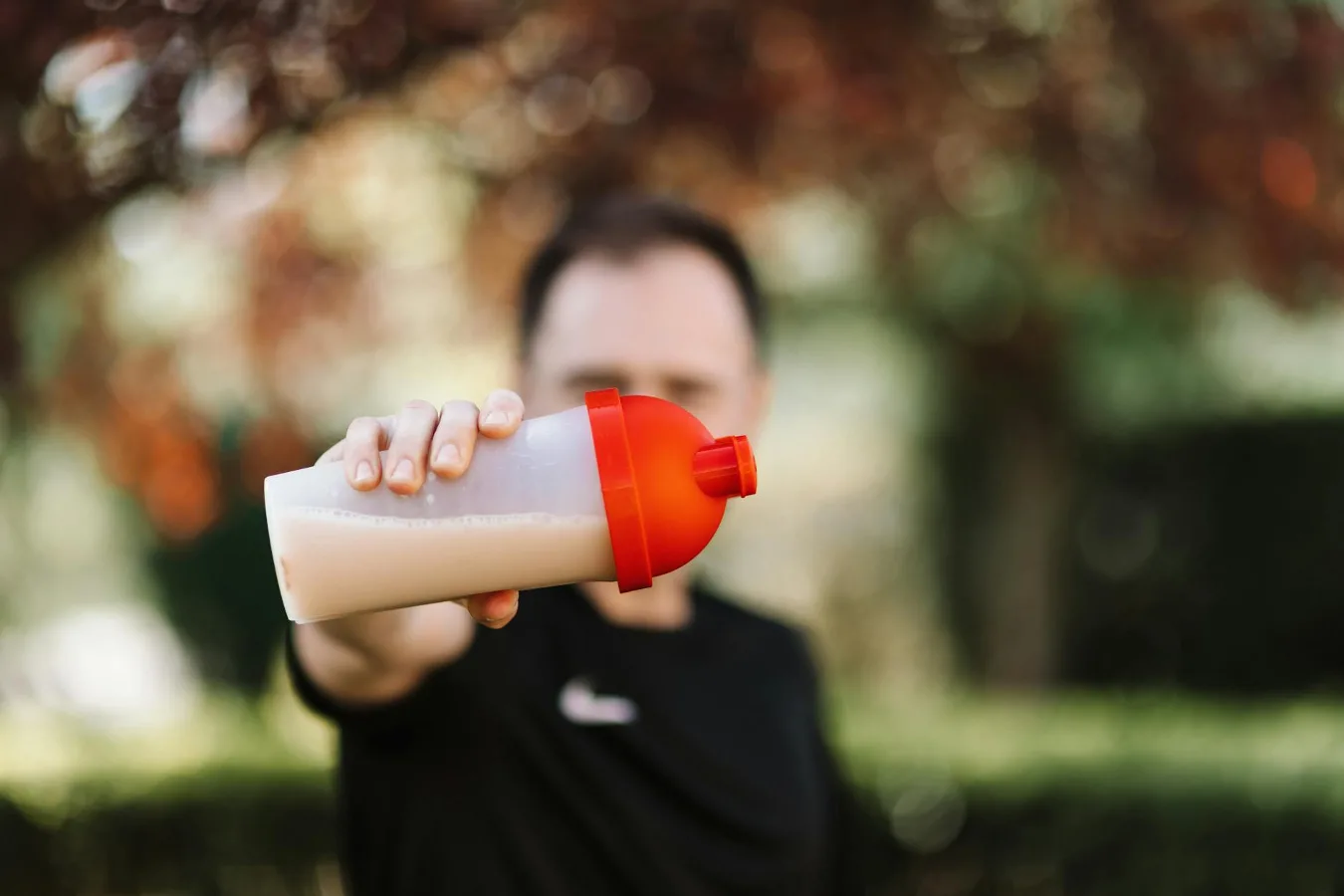
Selecting protein powder is less about finding the single “best” tub and more about matching the product to your body, your routine, and your preferences. The right choice depends on what you want protein powder to do for you: support muscle repair, fill a gap in your diet, make breakfast easier, or simply give you a convenient high-protein option you can digest comfortably.
If you want the short answer, start with three filters: your protein source preference (dairy or plant-based), your digestive tolerance (especially lactose and sweeteners), and your use case (post-workout shake, meal add-on, or recipe ingredient). Those three decisions eliminate most of the noise fast.
When protein powder matters most
Protein powder is most useful when convenience matters. That includes busy mornings, travel, post-exercise recovery, or days when whole-food protein is hard to fit in. It can also help people who struggle to eat enough protein through meals alone, though it should still complement the rest of the diet rather than replace it entirely.
It matters less if you already eat enough protein comfortably from food and do not need the convenience. In that case, the best choice may be no powder at all, or a very simple one used occasionally. A common misconception is that every active person needs a protein supplement. Many do not. The real question is whether a powder solves an actual problem in your routine. how to read a protein powder label offers more detail on this point.
Another practical nuance: protein powder is often chosen for the wrong reason. People focus on brand hype or flavor first, then discover the formula does not agree with them. A better order is: purpose, digestion, ingredients, then taste.
Step-by-step criteria to narrow your options
1. Start with the protein source
The source shapes the product’s behavior, taste, and digestibility.
- Whey protein is a dairy-derived option that is widely used because it mixes easily and tends to work well in shakes.
- Casein is also dairy-based but is typically chosen by people who want a slower-digesting protein for longer gaps between meals.
- Plant-based blends often combine pea, rice, soy, or other sources to improve the amino acid profile and texture.
- Egg white protein can be a useful alternative for people who want a non-dairy animal protein.
If you are comparing whey versus plant-based protein, do not assume one is universally superior. Whey often has a smoother texture and a complete amino acid profile, but plant blends can be the better fit for people avoiding dairy, eggs, or certain allergens. The best choice is the one you can digest, enjoy, and use consistently.
2. Match the formula to your digestive comfort
Digestive tolerance is one of the most overlooked considerations in the category. A powder can look ideal on paper and still be a poor buy if it causes bloating, stomach discomfort, or an unpleasant aftertaste.
If you are lactose sensitive, a whey isolate may be easier to tolerate than a whey concentrate, though individual tolerance varies. If you are sensitive to sugar alcohols, gums, or certain non-sugar sweeteners, scan the ingredient list carefully. Many people blame the protein source when the real issue is a flavoring system or a thickener.
For plant-based powders, texture and digestion can vary widely. Some are gritty, some are earthy, and some blend better than others depending on the protein mix. If you use a blender or make smoothies with fruit and nut butter, a slightly grainier powder may be easier to live with than it would be in plain water.
3. Decide how you plan to use it
Protein powder behaves differently depending on whether you shake it with water, blend it into smoothies, stir it into oatmeal, or bake with it.
- For simple shakes: look for mixability and a flavor you can tolerate repeatedly.
- For smoothies: texture matters less because fruit, yogurt, or nut butter can help mask rougher formulas.
- For baking or oatmeal: a plain or lightly flavored powder is usually more versatile.
- For meal replacement use: protein alone is not enough; you may also want fiber, fats, and carbohydrates from the rest of the meal.
This is where many buyers misjudge value. A powder that tastes great in a blender may be disappointing in water. A powder that seems bland in a shaker may actually be the most flexible option for recipes. Consider the form you will use most often, not the one pictured on the front label.
4. Read the label for more than protein grams
Protein content matters, but it should not be the only number you notice. Look at the serving size, the ingredient list, sweeteners, and the overall composition of the powder.
A practical label check includes:
- Protein source: whether the powder uses whey, casein, soy, pea, rice, egg, or a blend.
- Sweeteners: sugar, stevia, monk fruit, sucralose, or other additives that may affect taste and tolerance.
- Added extras: enzymes, vitamins, fiber, or caffeine, which may be useful or unnecessary depending on your goal.
- Allergens: dairy, soy, gluten, nuts, or other ingredients relevant to your needs.
- Serving size: whether one scoop is actually a modest dose or a larger serving disguised by a big scoop count.
A common mistake is comparing products only by protein per scoop without checking the scoop size. Two powders can appear similar while one includes more fillers, more flavoring, or a larger serving to make the protein number look better. Reading the full panel helps you compare honestly.
5. Think about flavor, but treat it as a usability issue
Flavor is not cosmetic. If a powder tastes unpleasant, it will sit in the cabinet. The best protein powder is the one you are likely to keep using.
Some people prefer unflavored powders for maximum flexibility. Others want chocolate, vanilla, or coffee-style flavors because they make the routine more enjoyable. Sweetness level also matters. A powder that tastes rich in a single serving may become cloying after daily use.
If you are unsure, a smaller container or sample size can reduce the risk of buying something you cannot finish. That is especially useful if you are choosing between a milder plain formula and a more aggressively flavored one.
6. Consider value as long-term fit, not just sticker price
Price matters, but value is broader than cost per container. A cheaper powder that upsets your stomach or tastes so bad you abandon it is not a good value. Likewise, an expensive formula is hard to justify if it offers no meaningful advantage for your use case.
Think in terms of long-term fit: Does it solve a problem you actually have? Does the ingredient profile suit your diet? Will you use it regularly? Those questions matter more than claims of being the “cleanest” or “highest quality” option on the shelf.
Another overlooked factor is how much flexibility the powder gives you. A neutral, well-tolerated formula can work in shakes, oatmeal, and baking, while a heavily sweetened product may only suit one use. Versatility often improves everyday value.
Examples of choosing by goal
If your goal is post-workout convenience
A fast-mixing powder that you digest comfortably is usually more important than a complicated formula. Many people in this situation prefer whey-based products, but a plant blend can also work if it fits your diet and stomach. The key is consistency after training, not chasing the trendiest ingredient list.
If your goal is staying full between meals
Look beyond protein alone. Powders with more substance, or those used in smoothies with fiber-rich ingredients, may feel more satisfying than a thin shake. Casein or a thicker plant blend may suit this use better than a very light, fast-digesting formula.
If your goal is a dairy-free routine
Plant-based protein is the obvious starting point, but not all plant proteins behave the same. Soy tends to have a different nutritional profile and texture from pea or rice. Blends can improve completeness and mouthfeel, but they can also introduce more ingredients. Simplicity versus texture is often the trade-off.
If your goal is recipe flexibility
Unflavored or lightly flavored powders usually work best. They are less likely to clash with oats, pancakes, muffins, or coffee drinks. This is a practical choice for people who want protein powder to disappear into a recipe rather than define it. Birthday Cake Protein Powder Guide offers more detail on this point.
Common limitations worth accepting up front
Protein powder is convenient, but it is not magical. It does not automatically make a diet better, and it cannot compensate for poor overall food quality. It also may not be the best tool if you prefer chewing your food and feeling full from meals rather than drinking calories.
There are trade-offs with every type:
- Whey can be a poor fit for people who avoid dairy or are sensitive to lactose.
- Plant powders may have a more noticeable flavor or grittier texture.
- Heavily flavored formulas can become tiring if used every day.
- Very minimal formulas may mix well but taste plain or chalky to some people.
These are not flaws so much as design choices. The right question is whether the trade-off fits your routine.
A practical checklist before you buy
- Choose the protein source that fits your diet and digestion.
- Check the ingredient list for sweeteners, thickeners, and allergens.
- Decide whether you want a shake-only formula or something versatile for recipes.
- Match the texture and flavor to how often you will use it.
- Compare serving size and protein content with the full label in mind.
- Think about whether you need a simple protein powder or one with added extras.
- Pick the option you are most likely to tolerate regularly.
If you are comparing a handful of products, this checklist usually reveals the best choice faster than brand names or marketing language. Many buyers focus on the front of the tub and ignore the details that determine daily satisfaction.
Step-by-step shortlist for smarter selection
- Identify your main use: recovery, meal support, cooking, or convenience.
- Pick a protein base: whey, casein, plant blend, soy, or egg white.
- Screen for dietary limits: lactose, dairy, soy, gluten, or artificial sweeteners.
- Decide whether you want flavored, lightly flavored, or unflavored.
- Check whether the texture fits water, milk, or smoothie use.
- Review the ingredient list for unnecessary extras.
- Choose the powder you can realistically use several times a week.
This process is less glamorous than choosing by label design, but it is much more likely to lead to a product you keep using.
What to avoid
Some buying mistakes show up again and again. The most common is selecting a protein powder because it is popular rather than because it fits your needs. Another is assuming that more ingredients automatically mean better nutrition. Extra fiber, vitamins, or digestive enzymes can be useful, but they are not universally helpful.
A second mistake is ignoring tolerance until after purchase. If you know certain sweeteners, dairy ingredients, or thick textures bother you, do not hope that this product will be different. Read the label first.
Finally, avoid treating protein powder like a meal replacement by default. If you use it that way, build the rest of the meal thoughtfully. Protein alone is rarely enough for a balanced eating pattern.
Choosing the right powder for the long run
The best protein powder is usually not the one with the loudest claims. It is the one that aligns with your goals, suits your digestion, tastes acceptable to you, and fits naturally into your routine. If a powder is comfortable, convenient, and flexible, you are much more likely to keep using it. choosing protein for your fitness goal offers more detail on this point.
For most shoppers, that means starting with the protein source, checking the ingredient list, and deciding how you want to use the powder day to day. From there, flavor and value become easier to judge. A well-chosen protein powder should feel like a practical tool, not a compromise you have to force yourself to finish.
