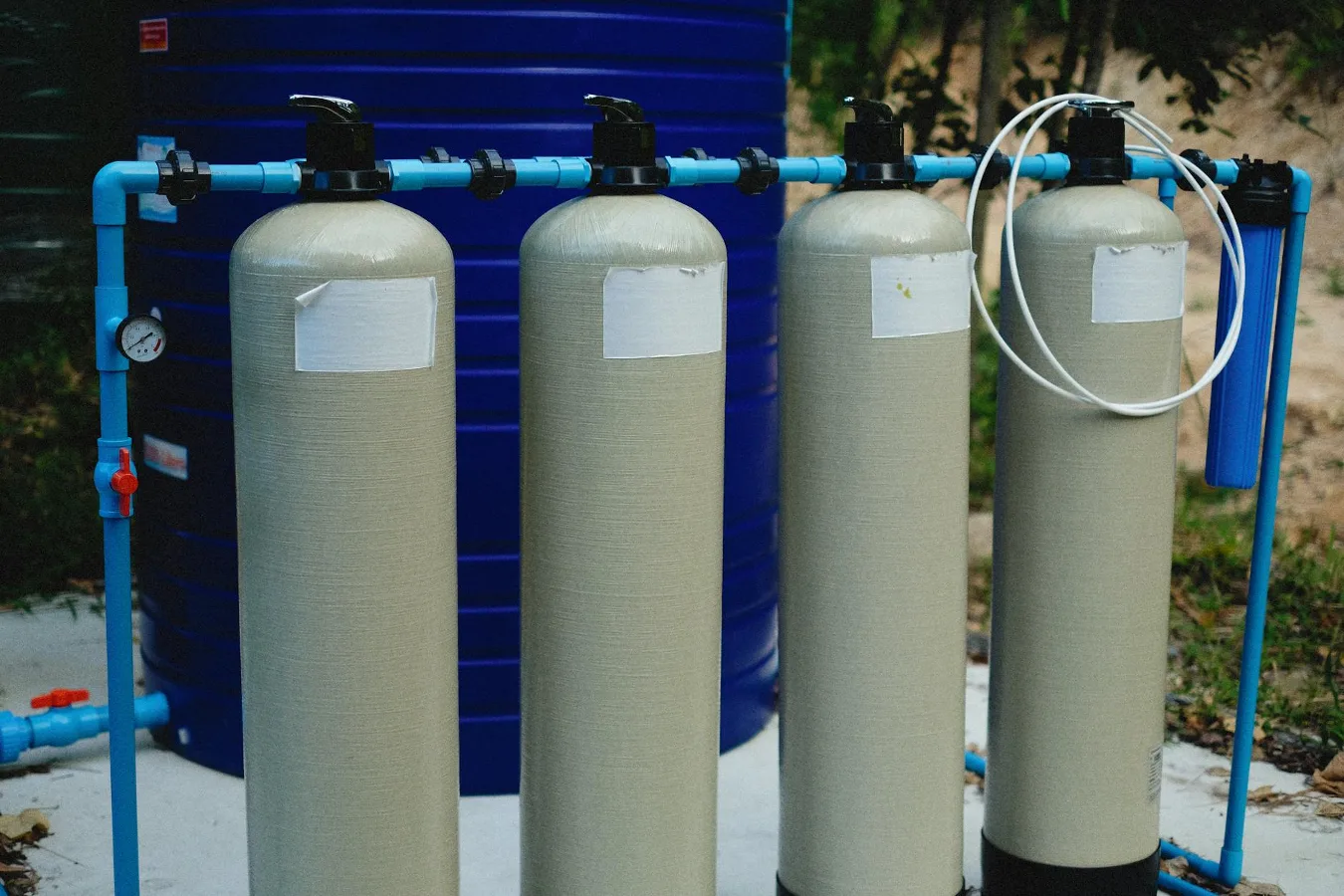
What to look for in a water filter for hard water
If your goal is to deal with hard water, the most important decision is whether you need a filter, a water softener, or a combination of both. That distinction matters because hard water is caused mainly by dissolved minerals such as calcium and magnesium. A standard filter can improve taste, odor, sediment, chlorine, and some contaminants, but it usually does not remove the minerals responsible for scale. alexapure water pitcher replacement filter pack offers more detail on this point.
That is the main reason many shoppers end up disappointed: they buy a “hard water filter” expecting softer water at the faucet, then still see white spots, soap scum, or mineral buildup. If you want to reduce those effects, look closely at the treatment method rather than the label alone.
The right product depends on where the problem shows up most. For drinking and cooking, an under-sink system may be enough. For laundry, showers, and appliances, a whole-house solution is often more useful. Some homes need both.
When a water filter helps, and when it does not
A water filter is useful when hard water is only part of the problem. Many households also want better taste, less chlorine odor, or fewer particles in tap water. In those cases, carbon filtration, sediment filtration, or reverse osmosis can make a noticeable difference at the point of use.
But if your main complaint is scale on fixtures, cloudy shower doors, stiff laundry, or appliance buildup, filtration alone may not solve it. Hardness minerals are not the same as the contaminants most filters are designed to target. This is the overlooked detail that drives many buying mistakes.
Think of it this way:
- Choose filtration if you want cleaner-tasting water, less odor, or targeted contaminant reduction.
- Choose softening if you want to reduce the effects of hardness minerals across the home.
- Choose both if your water has hardness plus taste, odor, or sediment issues.
Step-by-step criteria for choosing the right system
1. Start with the real problem
Before comparing products, identify what you are trying to fix. Drinking water concerns, shower comfort, scale on fixtures, and appliance protection are not the same purchase decision. A system that improves taste may do little for scale. A softener may help with scale but not necessarily improve chlorine taste unless it is paired with filtration. best filtration options for drinking water offers more detail on this point.
If you are unsure, a water test from your utility report, a home test kit, or a professional test can help you see whether the issue is hardness alone or a broader water quality concern. how hard water affects your home offers more detail on this point.
2. Decide where treatment should happen
Point-of-use systems treat water at one location, such as a kitchen sink. These are often a good fit when the goal is better drinking water without changing the whole house plumbing setup.
Whole-house systems treat water as it enters the home. These are better for scale control, showering, laundry, and protecting water-using appliances. They usually involve more installation and maintenance, but they address the problem everywhere instead of just at one tap.
3. Match the technology to the goal
Different technologies solve different problems. A buyer guide should make that clear, because “filter” is too broad a word on its own.
- Activated carbon is commonly used to improve taste and reduce chlorine-related odor.
- Sediment filtration helps with sand, rust, and visible particles.
- Reverse osmosis is a stronger point-of-use option for many dissolved substances and is often chosen for drinking water.
- Ion exchange is the core technology in traditional water softeners and is designed to reduce hardness.
- Salt-free scale control systems may reduce scale formation in some situations, but they do not work the same way as softeners and are not interchangeable with them.
The practical takeaway: if you want softer-feeling water and less scale, softening technology is usually more directly relevant than a basic filter.
4. Check compatibility with your home
Installation space, plumbing layout, water pressure, and maintenance access all matter. A whole-house system may be ideal on paper, but it can be a poor fit if you have limited space or do not want regular upkeep. Under-sink systems can be easier to add, but they only treat one faucet.
Also consider your appliances. If your dishwasher, coffee maker, or humidifier is suffering from mineral buildup, a whole-home solution may be more practical than treating drinking water alone.
5. Think about maintenance before you buy
Any system that works well will eventually need service. Replacement cartridges, resin regeneration, pre-filter changes, and membrane upkeep all affect long-term convenience. A common mistake is focusing only on the initial purchase and ignoring the ongoing routine.
For busy households, the best system is often the one that is easiest to maintain consistently. A slightly less aggressive system that gets maintained on schedule can outperform a more advanced one that is neglected.
Common hard-water solutions and how they compare
| Option | Best for | Main limitation |
|---|---|---|
| Activated carbon filter | Taste, odor, chlorine reduction | Does not usually soften water |
| Reverse osmosis | Drinking water at a single tap | Point-of-use only and more maintenance |
| Water softener | Reducing scale and hardness effects | Not a complete solution for taste or sediment |
| Salt-free scale control | Possible scale management in some homes | Not the same as true softening |
| Whole-house filter plus softener | Broader home protection | More cost, more space, more upkeep |
This comparison highlights a useful shopping principle: do not buy the most aggressive system automatically. Buy the one that matches the problem you actually have. If your water tastes fine but leaves mineral spots everywhere, a drinking-water purifier alone may not be enough.
Examples of better matches by household need
If you mainly want better drinking water
An under-sink reverse osmosis system or a good carbon-based drinking water filter may be the right place to start. These are practical if the main complaint is taste, smell, or overall drinking-water quality at the kitchen sink.
If you mainly want less scale in the bathroom and kitchen
A water softener is usually the more direct option. It addresses the mineral cause of hardness, which helps with soap performance, fixture spotting, and buildup on glass and appliances.
If you want broader home improvement
A whole-house setup can be the best fit when several issues occur at once: hardness, sediment, chlorine taste, and appliance wear. In many homes, a sediment pre-filter plus softener, or a filter-softener combination, is more useful than a single device.
If you rent or want a simpler setup
Portable or point-of-use systems are often more realistic than plumbing changes. They will not solve every hard-water issue, but they can still improve a specific tap, shower, or appliance without a major installation.
What shoppers often miss
Misconception 1: a filter and a softener do the same job. They do not. A filter can improve water quality in several ways, but hardness reduction is a separate function.
Misconception 2: any “hard water filter” will fix soap scum and scale. Only systems designed to reduce hardness or scale formation are worth considering for that purpose.
Misconception 3: one system should solve every water concern. In reality, different systems handle different issues. That is why many homeowners combine sediment filtration, carbon filtration, and softening.
Practical nuance: if your water has moderate hardness plus chlorine taste, a hybrid approach may be more satisfying than trying to force one product to do everything.
A simple buyer checklist
- Identify the main problem: taste, odor, sediment, scale, or appliance buildup.
- Confirm whether you need point-of-use or whole-house treatment.
- Decide if you need filtration, softening, or both.
- Check installation space and plumbing compatibility.
- Review maintenance requirements and cartridge or media replacement needs.
- Consider how the system affects drinking water, bathing, laundry, and appliances.
- Compare long-term upkeep, not just the first purchase.
- Look for systems that fit your household size and water-use habits.
Trade-offs worth accepting
There is usually no perfect all-in-one answer. Stronger treatment often means more maintenance. Simpler systems may be easier to live with but less effective against scale. Whole-house systems are more convenient once installed, but they require more planning. Reverse osmosis can improve drinking water quality significantly, but it is not the right solution for every hard-water complaint.
That trade-off is normal. A good purchase is not the product with the longest feature list; it is the one that solves the right problem with the least friction for your household.
Choosing with confidence
If you are shopping for a water filter for hard water, start by separating two goals: improving water quality and reducing hardness effects. That single decision will narrow your choices quickly. For taste and odor, filtration is often enough. For scale and mineral buildup, softening or scale-control technology is usually the more relevant path. For many homes, the best answer is a combination of both.
The smartest buyers compare systems by use case, maintenance, installation, and long-term fit rather than by the broad promise on the box. That approach leads to a setup that works in everyday life, not just on a product page.
