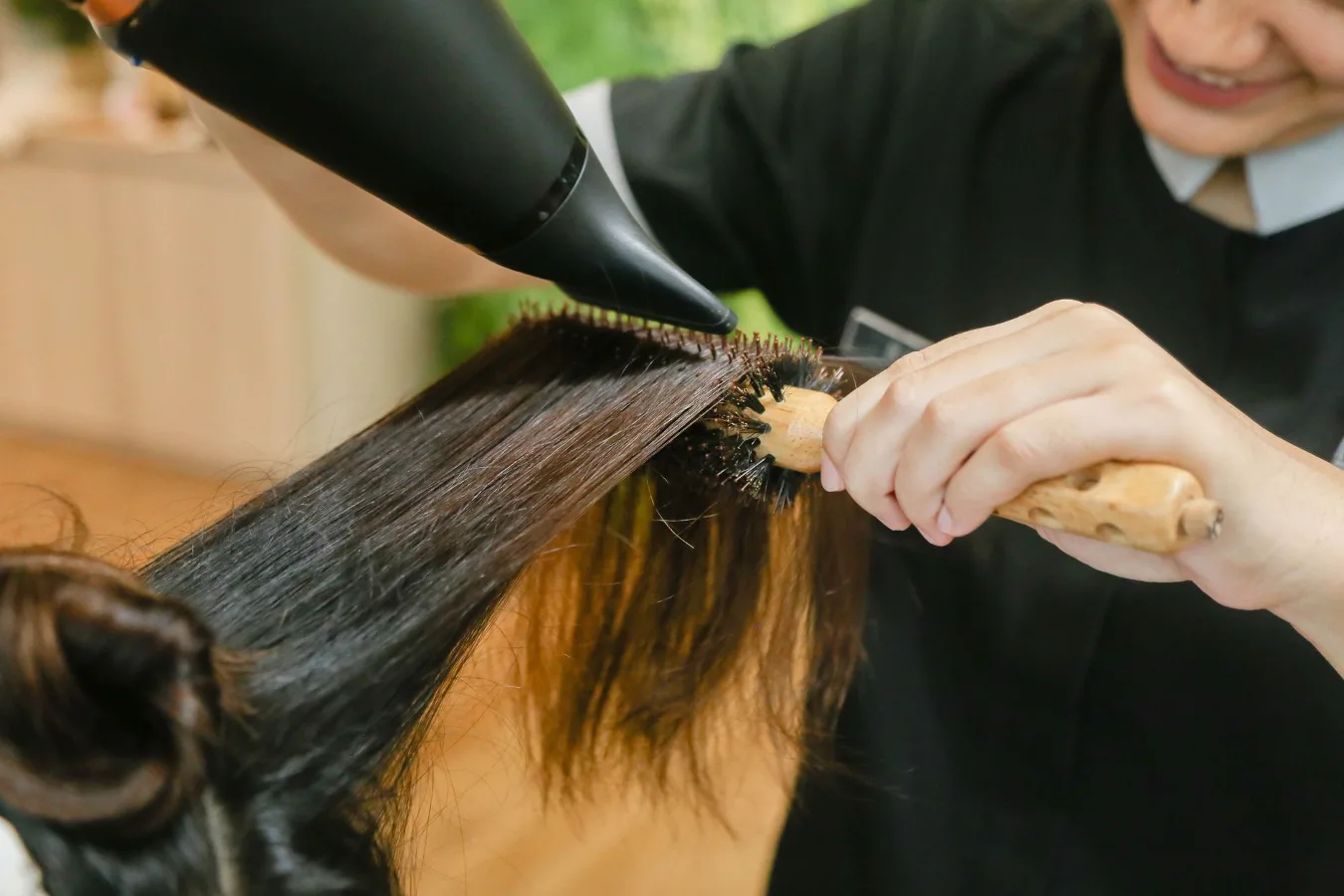
If you’re shopping for a twin turbo hair dryer, the short answer is this: it usually refers to a dryer designed for stronger airflow and faster drying, often with a more powerful motor or dual-airflow design. For buyers, that can mean less time spent styling, but only if the dryer also fits your hair type, styling routine, and comfort preferences.
The phrase itself is a little loose in the beauty market. Different brands may use “twin turbo” as a model name, a performance label, or a marketing term. That makes the buying process less about chasing the name and more about understanding the features behind it: airflow, heat control, weight, attachments, and how the dryer handles everyday use.
Who a twin turbo hair dryer is best for
This type of dryer tends to make the most sense for people who want quicker drying without sacrificing styling control. It can be especially appealing if you have thick hair, long hair, dense curls, or a routine that involves smoothing the hair in sections. Strong airflow can also help reduce the time a dryer needs to stay on one area, which many people see as a practical comfort benefit.
It is not automatically the best choice for everyone. If your hair is fine, fragile, very short, or prone to flyaways, a powerful dryer may feel like more tool than you need. In those cases, having a reliable low-heat setting and good nozzle control matters more than raw drying power.
What the “twin turbo” idea usually signals
Because brands do not all use the term the same way, the safest way to interpret it is as a cue to look for strong airflow and faster drying potential. In real buying terms, that often points to a dryer aimed at people who style frequently, want a more salon-style finish, or need to dry substantial amounts of hair in fewer passes.
The common misconception is that more power always equals better results. It doesn’t. A dryer with aggressive airflow but poor heat control can make styling harder, not easier. What matters is balance: enough force to move water off the hair efficiently, plus enough control to shape the finish you want. what ionic technology means for frizz control offers more detail on this point.
Buyer scenario: when it makes sense to choose one
A twin turbo hair dryer is worth considering if your current dryer feels slow, heavy, or uneven. It may also be a good fit if you often use a round brush, smoothing brush, or diffuser and want a tool that responds well to different techniques.
- For thick hair: stronger airflow can shorten dry time and help you work in sections more efficiently.
- For curly or textured hair: a dryer with a diffuser and adjustable heat can support definition while limiting disruption.
- For straight or fine hair: the main value is control, not maximum output, so look closely at the lowest settings.
- For frequent styling: comfort, grip, and attachment quality matter more than the label on the box.
For many shoppers, the real decision is not whether a twin turbo hair dryer is powerful enough. It usually is. The better question is whether that power is manageable for your hair and your arms.
Trade-offs worth weighing before you buy
High-performance dryers often come with a few practical compromises. They may be louder, heavier, or more expensive than a basic model. Some also feel less forgiving if you are new to blow-drying or if you prefer low-effort styling.
Another trade-off is heat exposure. Faster drying can be gentler in some routines because the dryer spends less time on the hair, but only if the setting is appropriate. Too much heat, especially paired with close nozzle use, can leave hair feeling dry or rough over time.
There is also the matter of handling. A dryer that feels good on paper may still be uncomfortable in use if the grip is awkward or the balance is front-heavy. That matters more than many buyers expect, especially if you dry your hair several times a week.
Material and spec factors that matter most
For this category, the most useful comparison points are not flashy extras. They are the parts that influence how the dryer actually performs in daily use.
Airflow and heat control
Strong airflow is usually the core appeal. Look for a dryer that offers multiple speed settings and at least a few heat options, so you can adapt it to your hair texture and styling goal. A cool shot button is useful for setting a style once the hair is dry enough to hold shape.
Motor design and build quality
Motor type affects how the dryer feels, how long it may remain comfortable during use, and how consistent the airflow stays. You do not need to chase technical jargon if you don’t want to, but you should expect a dryer in this category to feel stable rather than flimsy. Housing, switch placement, and cord strain relief are also worth checking.
Weight and balance
Weight is one of the most overlooked buying factors. A lightweight dryer can still feel tiring if the balance is awkward. If you style with a brush, the dryer should feel easy to angle and hold without forcing your wrist into an uncomfortable position.
Attachments
For many buyers, attachments are where a dryer becomes genuinely useful. A concentrator nozzle helps direct airflow for smoother blowouts. A diffuser matters for curls and waves because it spreads airflow more gently. If the dryer includes attachments, check whether they feel secure and easy to rotate or remove.
Heat-protective materials and finish options
You will often see ceramic, tourmaline, and ionic features mentioned in this category. These terms are usually linked to smoother airflow behavior, even heat distribution, or frizz reduction. They are not magic solutions, but they can help if your main concern is a polished finish rather than maximum volume. ceramic vs tourmaline hair dryers offers more detail on this point.
| Factor | Why it matters | What to look for |
|---|---|---|
| Airflow | Affects drying speed and styling efficiency | Adjustable speed settings, consistent output |
| Heat control | Helps reduce unnecessary heat exposure | Multiple heat levels, cool shot |
| Weight and balance | Influences comfort during brushing and sectioning | Manageable hand feel, stable grip |
| Attachments | Shape airflow for different styles | Nozzle, diffuser, secure fit |
| Hair type fit | Determines whether the dryer feels controlled or too aggressive | Settings that match fine, thick, curly, or straight hair |
How to match the dryer to your hair type
Hair type changes how a twin turbo-style dryer behaves in practice. The same tool can be efficient for one person and overwhelming for another.
Thick hair: prioritize strong airflow, a smoothing nozzle, and a dryer that does not overheat during longer sessions. The goal is efficient drying without repeated passes over the same section.
Fine hair: look for gentler settings and dependable temperature control. Too much airflow can create tangling or a flat finish if the dryer is not easy to manage.
Curly or coily hair: a diffuser and controlled heat matter more than top-end power. You want definition and even drying, not a blast that disrupts curl pattern.
Frizzy or porous hair: ionic or smoothing-oriented features may help, but technique still matters. A dryer that works well with a brush and a lower heat setting is often more useful than a hotter model.
Short hair or quick touch-ups: a very powerful dryer may be unnecessary unless you also value styling precision and lightweight handling.
Common mistakes buyers make
One frequent mistake is choosing a dryer based only on speed claims. Drying faster is helpful, but only if the dryer still gives you enough control to shape the result. A quick dry with poor finish quality can create more work afterward.
Another mistake is overlooking attachments. A strong dryer without the right nozzle or diffuser can be less useful than a moderate one that comes with the tools your routine actually needs.
People also underestimate the importance of noise, cord length, and button placement. These are not headline features, but they affect how often you enjoy using the dryer. If the controls are easy to bump mid-style, or if the cord feels too short for your setup, the experience becomes frustrating fast.
Finally, buyers sometimes ignore storage and maintenance. Hair dryers collect lint and dust over time, especially around the air intake. A model that is difficult to clean may lose efficiency sooner than expected.
Alternatives if twin turbo power is more than you need
If you want a simpler option, a standard ionic or ceramic dryer may be enough. These can offer good everyday performance without the feel of a heavy-duty styling tool. They are often better for users who dry their hair quickly and do not need salon-style control.
For curly hair, a dedicated diffuser dryer or a lighter motorized dryer with strong low-heat performance may be a better fit. For travel, compact dryers with dual voltage can be more practical than a larger high-output model.
If your main goal is reducing frizz, a dryer with controlled airflow and good nozzle design may matter more than a “turbo” label. In other words, match the tool to the job instead of assuming the most powerful choice is the best one.
What to check before you add one to cart
Before buying, review the product page with a practical eye. Ask how you actually style your hair and what your current dryer lacks. That simple comparison often reveals whether a twin turbo hair dryer is a genuine upgrade or just a louder version of what you already have.
- Does it have enough heat and speed settings for your hair type?
- Does it include the attachment you are most likely to use?
- Will the weight feel comfortable during longer sessions?
- Is the handle shape friendly for brush styling?
- Can it be cleaned easily enough to maintain performance?
- Does the design suit everyday use, travel, or occasional styling?
If you are shopping for a household dryer, think beyond your own routine. A dryer that works well for one person may not be the best shared option if hair types and styling habits differ widely.
Next steps
Start by narrowing your needs: faster drying, smoother blowouts, curl-friendly airflow, or a more comfortable everyday tool. Then compare twin turbo hair dryer options using the factors that actually affect results—airflow, heat control, weight, attachments, and ease of handling. best blow dryer features to compare offers more detail on this point.
If you already know your hair type and styling habits, the choice becomes much easier. A powerful dryer is only valuable when it is also controllable, comfortable, and suited to the way you use it.
