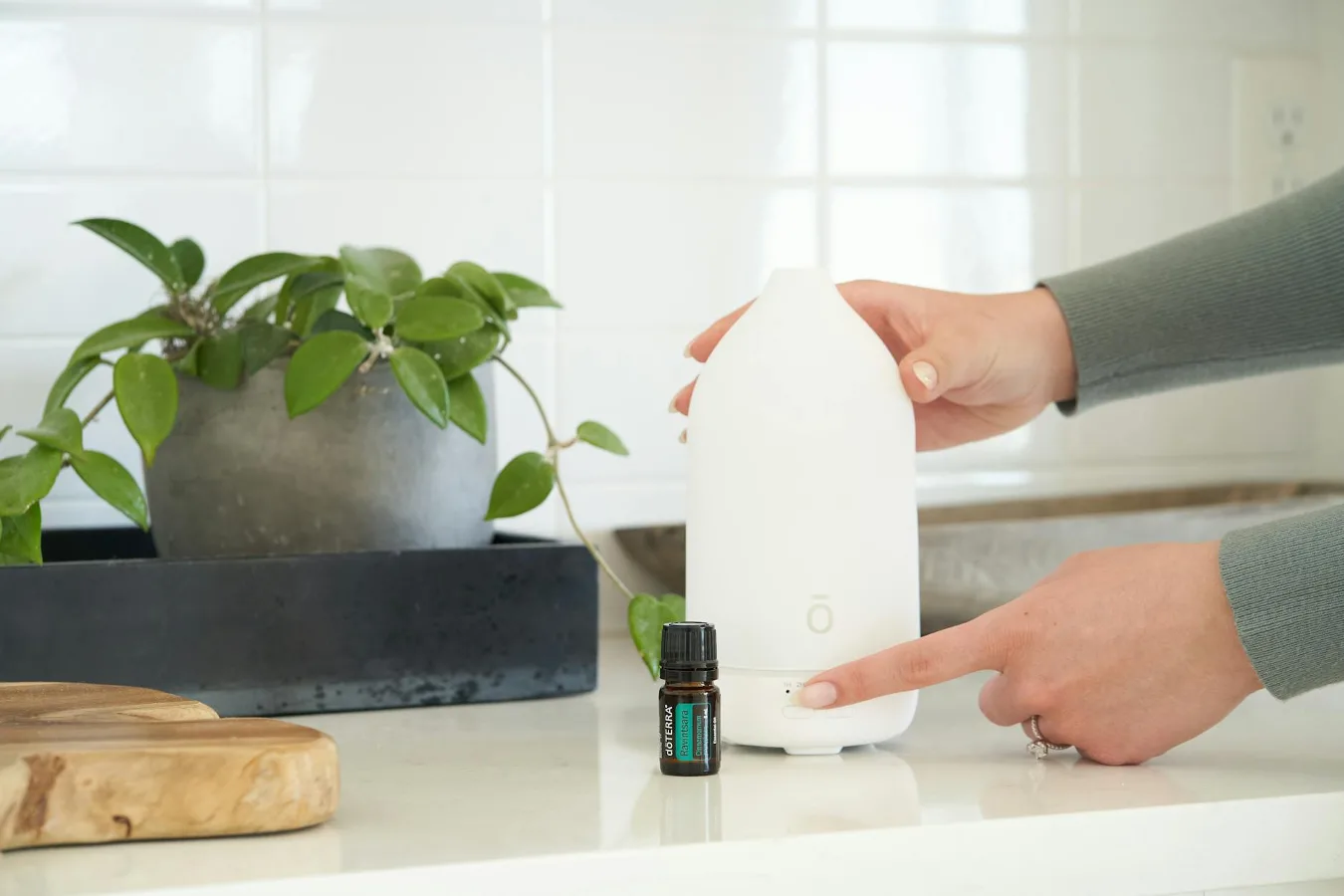
A waterless essential oil diffuser is a diffuser that disperses essential oils without diluting them with water. For shoppers who want a stronger scent experience, less mess, and a more compact setup, it is often a better fit than a traditional ultrasonic diffuser. Oil Diffuser Oils: How to Choose Wisely offers more detail on this point. how essential oil diffusers work offers more detail on this point.
The right choice depends on where you plan to use it, how much maintenance you want, and whether you prefer pure oil diffusion or a softer, more humidifying style of aroma. Below, the practical differences matter more than the marketing language.
Quick answer: who a waterless diffuser is best for
If you want a diffuser that uses essential oil directly, usually with no water tank to fill or empty, a waterless model is worth considering. These diffusers are often chosen for:
- Small rooms where concentrated scent can be useful
- Low-maintenance routines because there is no water reservoir to manage
- Portable use in an office, bedroom, or travel setting
- People who prefer pure oil diffusion over mist-based diffusion
The trade-off is that waterless diffusers are not always the best choice for large open spaces, and they do not add moisture to the air. If you want a gentle mist and a humidifying effect, a water-based ultrasonic diffuser may be a better match.
How a waterless essential oil diffuser compares
Not every diffuser works the same way, and that difference affects scent strength, maintenance, and the user experience. The three most common categories are waterless nebulizing diffusers, ultrasonic diffusers, and reed or passive diffusers.
| Diffuser type | How it works | Best for | Key limitation |
|---|---|---|---|
| Waterless nebulizing diffuser | Breaks essential oil into a fine airborne mist without water | Strong aroma, pure oil diffusion, small to medium spaces | Can use oil faster and may need more cleaning |
| Ultrasonic diffuser | Uses water and ultrasonic vibration to create a scented mist | Gentler scent, added humidity, everyday home use | Requires water and regular tank cleaning |
| Reed or passive diffuser | Relies on wicks, reeds, or evaporation | Continuous background scent with no power source | Less control over intensity |
The term waterless essential oil diffuser is often used to describe a nebulizing diffuser. That matters because nebulizing models typically deliver the most concentrated fragrance, which is useful in certain spaces but not ideal for everyone.
What to compare before buying
The most useful comparison factors are not decorative features. They are the details that affect how the diffuser fits your space and your routine.
1. Scent intensity and coverage
A waterless diffuser is usually chosen for stronger aroma output. That can be a benefit in a bedroom, bathroom, entryway, or compact office. It can also be too much if you are sensitive to fragrance or plan to use it in a small enclosed area for long periods.
Instead of assuming stronger is better, think about how you want the room to feel. Some users want a noticeable scent burst. Others want something subtle in the background. A waterless diffuser tends to favor the first use case.
2. Oil compatibility
Not every essential oil behaves the same way. Thicker blends, heavily diluted products, or oils with added carrier oils may not perform the same as pure essential oils. Before buying, check whether the diffuser is designed for pure oils only and whether the manufacturer lists any oil restrictions.
This is one of the most overlooked details. A diffuser may look simple, but the wrong oil can affect performance and cleaning.
3. Cleaning and upkeep
Waterless does not mean maintenance-free. In fact, some nebulizing diffusers need more regular attention because essential oil is used directly. Residue can build up in the glass reservoir, nozzle, or internal components.
If you do not want to clean parts frequently, choose a model with a simple design and accessible components. A diffuser that is easy to disassemble is usually easier to keep functioning well over time.
4. Noise level
Some waterless diffusers are quiet enough for a bedroom or desk area, while others produce a faint operational sound that is noticeable in a silent room. Noise can matter more than many shoppers expect, especially if the diffuser will run during sleep, meditation, or focused work.
If quiet operation is a priority, look for product descriptions that clearly mention low-noise design rather than assuming all waterless diffusers are silent.
5. Power source and portability
Waterless diffusers may be corded, rechargeable, or designed for travel-style portability. This changes where they can be used. A rechargeable unit may be convenient for flexible placement, while a plugged-in model may be better for longer daily use.
For a desk, nightstand, or guest room, portability can be a meaningful advantage. For a main living area, stable placement and consistent power may matter more.
6. Run time and control options
Look for practical controls such as timers, intermittent modes, and intensity adjustments. These features help you match output to the room and avoid overwhelming a small space.
The most useful control is often the simplest one: the ability to reduce output when the scent feels too strong.
Where a waterless diffuser makes the most sense
Waterless diffusers are especially useful when you want fragrance without extra moisture. That makes them a good fit for spaces where you want the scent to be present but not humid.
- Home offices: helpful when you want a noticeable but contained aroma
- Bedrooms: useful if you prefer a compact device and controlled output
- Bathrooms: a common choice for short, focused scenting sessions
- Entryways: good for a welcoming fragrance near the door
- Travel or temporary setups: convenient if you move the diffuser from room to room
They are less compelling in large open-plan spaces where the scent can disperse too quickly. In those settings, a water-based diffuser, multiple scent points, or another fragrance method may be more effective.
Common mistakes to avoid
A lot of dissatisfaction with diffusers comes from mismatched expectations rather than bad products. These mistakes are easy to avoid once you know what to watch for.
Choosing based on looks alone
Minimalist styling is appealing, but the internal design matters more. A beautiful diffuser with hard-to-clean parts can become frustrating quickly.
Using the wrong type of oil
Some users assume any scented oil will work. That is not always true. Essential oils, fragrance oils, and blends with carrier oils can behave differently. Always check what the diffuser is designed to handle.
Expecting whole-home coverage
A waterless diffuser is often best for targeted scenting, not broad coverage across multiple rooms. If your goal is whole-house fragrance, set realistic expectations or consider using more than one fragrance point.
Skipping cleaning
Even though there is no water tank to descale, oil residue still matters. If you let buildup accumulate, output can weaken and the diffuser may become harder to use.
Running it too long at once
Because waterless diffusers can feel stronger, long continuous sessions may be unnecessary. Intermittent use is often more practical and more comfortable.
When a different diffuser type may be better
A waterless essential oil diffuser is not automatically the best option just because it sounds more advanced. The better choice depends on the kind of experience you want.
- Choose ultrasonic if you want a softer scent, added humidity, and a gentler overall effect
- Choose waterless nebulizing if you want pure oil diffusion and a stronger fragrance presence
- Choose reed diffusion if you want a low-effort, power-free background scent
One practical nuance: many buyers are really deciding between convenience and control. Waterless diffusers often give more scent control, but they may ask for a little more care in return.
Safety and placement considerations
Like any home fragrance device, placement matters. Keep the diffuser on a stable surface away from edges, direct sunlight, and anything sensitive to concentrated oils. It is also sensible to keep oils out of reach of children and pets.
If you are scent-sensitive, start with shorter sessions and see how the room feels before increasing runtime. That simple step is often more useful than trying to find the strongest setting right away.
Also consider ventilation. A small, closed room can hold scent much more intensely than a larger space with airflow. The same diffuser can feel balanced in one room and overpowering in another.
FAQ
What is a waterless essential oil diffuser?
It is a diffuser that disperses essential oil without mixing it with water. Many waterless models use nebulizing technology to turn the oil into a fine mist for direct scent delivery.
Is a waterless diffuser better than an ultrasonic diffuser?
Neither is universally better. A waterless diffuser is usually better if you want stronger scent and no water tank. An ultrasonic diffuser is usually better if you want a softer aroma and a mist that can slightly increase humidity.
Do waterless diffusers use more essential oil?
They can, especially when used on higher intensity settings or for longer sessions. That is one reason it helps to match the diffuser to the room size and your preferred scent strength.
Are waterless diffusers hard to clean?
They are not necessarily hard to clean, but they do require regular upkeep. Since oil is used directly, residue can build up if the diffuser is not maintained according to the manufacturer’s instructions.
Can I use any essential oil in a waterless diffuser?
Not always. The safest approach is to check the diffuser’s instructions and use oils that are compatible with direct diffusion. Some blends may be too thick or contain additives that affect performance.
Final take
A waterless essential oil diffuser is a strong option if you want pure oil diffusion, simple setup, and a more concentrated scent experience. It is especially useful in smaller spaces and for users who do not want to deal with water tanks or mist-based diffusion.
The best choice comes down to how much scent you want, how much maintenance you are willing to do, and whether you need humidity at all. If you compare those factors first, the right diffuser type becomes much easier to spot. choosing the right diffuser type offers more detail on this point.
