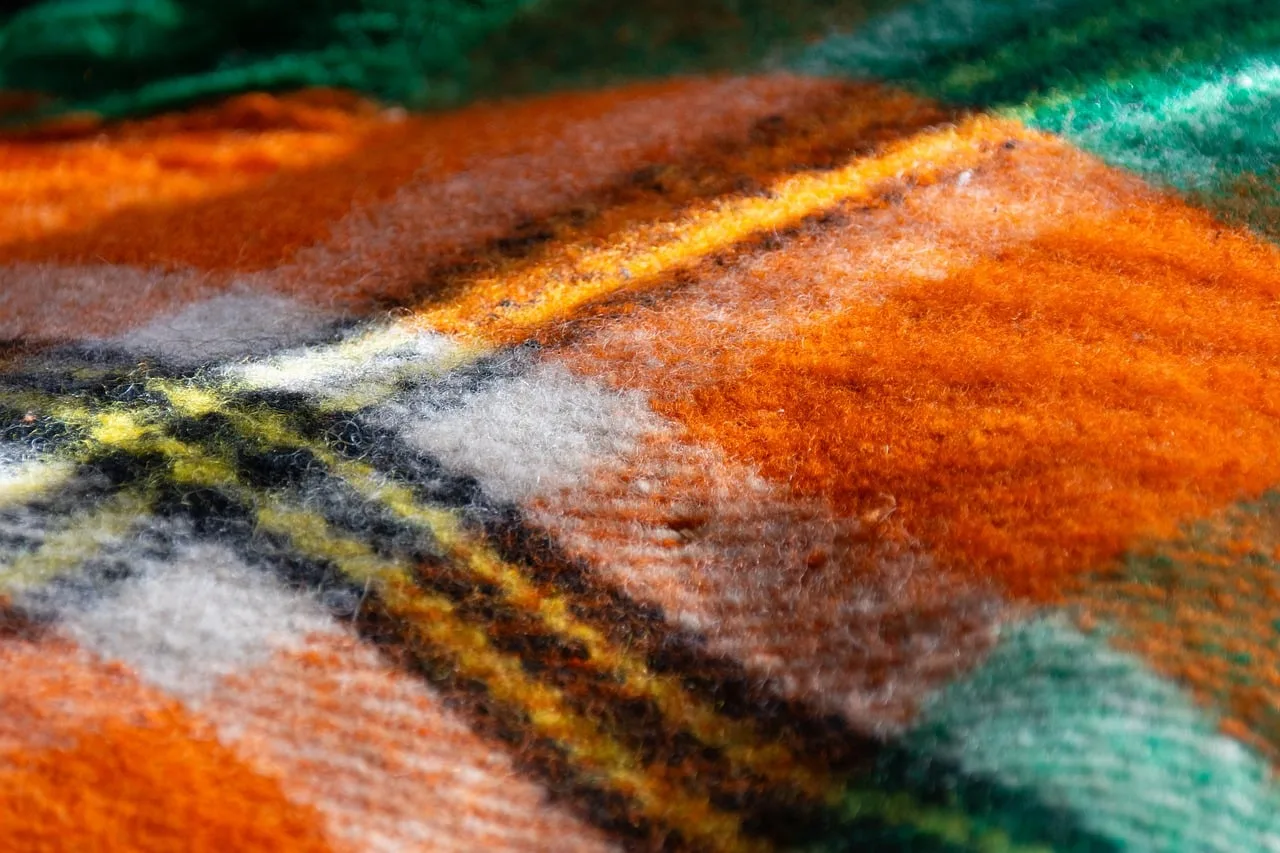
A removable cover weighted blanket is a weighted blanket system with a separate outer cover that can be taken off for washing or seasonal changes. For most shoppers, that cover is the main reason to choose this style: it can make the blanket easier to maintain, easier to adapt for warm or cool weather, and easier to keep looking tidy over time. weighted blanket filling types offers more detail on this point.
If you are comparing options, the best version is usually the one that balances three things: the weight insert, the outer cover material, and the way the cover attaches. Those details affect comfort, breathability, cleanup, and whether the blanket feels manageable in daily use.
Why a removable cover changes the experience
The removable cover is not just a cosmetic add-on. It changes how the blanket fits into real life. A weighted insert on its own can be awkward to wash, dry, and store, especially if it is large or filled with dense materials. A cover gives you a washable layer that absorbs the bulk of everyday use, while the weighted insert stays protected underneath.
That practical advantage matters most for people who expect regular use. If the blanket will live on a bed, move between rooms, or be used often by children or adults with sensory preferences, a cover usually makes long-term care simpler. It also gives you more flexibility if you want to switch from a warmer winter cover to a lighter summer one.
The trade-off is that a cover adds another layer, and another layer can change the feel. Some covers make the blanket warmer, heavier in feel, or slightly less drapey. That does not make them a poor choice, but it does mean the cover material matters almost as much as the insert itself.
Key factors to compare before buying
Cover material and temperature feel
The outer fabric is one of the most important choices. Cotton covers are often favored for a more classic, breathable feel. Minky and plush covers feel softer and cozier, but they can hold more warmth. Linen blends, bamboo-derived fabrics, and other lightweight textiles may feel cooler, though product labels vary and the hand-feel can differ widely.
For hot sleepers, breathability usually matters more than a plush surface. For colder rooms or people who like a nest-like feel, a softer cover may be the better fit. If you are sensitive to texture, pay attention to whether the cover feels smooth, fuzzy, slick, or textured. That tactile experience can matter as much as the blanket’s weight.
Attachment method
How the cover stays in place is an overlooked detail. Ties, snaps, zippers, interior loops, and corner anchors are all common approaches. A secure attachment helps keep the weighted insert from bunching, shifting, or sliding inside the cover.
Zippers can make removal easier, but the zipper placement should feel comfortable against the body. Ties and loops may take a little more effort to attach, yet they can provide a stable fit if designed well. The best option is usually the one that combines easy removal with reliable alignment after washing.
Insert compatibility
Not every removable cover weighted blanket system is interchangeable. Some covers are made for a specific insert shape, fill type, or size range. If you plan to buy a cover separately or replace one later, confirm that the dimensions, fastening points, and fill distribution match the insert. weighted blanket size guide offers more detail on this point. Weighted Blanket Slipcover Buying Guide offers more detail on this point.
This is where shoppers sometimes run into disappointment. A cover may look universal, but if the insert shifts too much or the blanket no longer drapes correctly, the comfort can suffer. Compatibility is especially important for weighted blankets used on smaller beds, where an overly loose cover can feel bulky.
Ease of laundering
A removable cover is only helpful if cleaning it is realistic. Check whether the cover is machine washable, whether it should be tumble dried, and whether the insert requires spot cleaning or more careful handling. Even when a cover can be washed easily, the blanket may still be too heavy for some home machines.
For that reason, some buyers focus less on the insert’s care instructions and more on whether the cover can handle the frequency of everyday washing. If the blanket will be used by children, pets, or anyone with allergies or sensitive skin, easier laundering becomes a major benefit.
Stitching and construction
Weighted blankets rely on even distribution. The cover does not replace the insert’s construction, but it can affect how stable the system feels. Look for strong seams, reinforced closures, and a cover that lies smoothly over the insert rather than twisting around it.
Well-made construction is especially important if the blanket will be moved often or used as a shared household item. Weak seams, loose stitching, or awkward closure design can shorten the usable life of the blanket even if the insert itself is fine.
Practical reasons people choose a removable cover
- Cleaning is simpler: You can wash the cover more often than a full weighted insert.
- Seasonal flexibility: Different covers can make the same blanket feel warmer or cooler.
- Better longevity: The insert is protected from direct wear and daily grime.
- Style changes: A new cover can refresh the look of the blanket without replacing the whole system.
- More manageable care: The blanket is easier to maintain if the insert is difficult to launder at home.
That said, the added convenience is not automatic. If the cover is hard to remove, difficult to reattach, or incompatible with the insert, the advantage becomes less useful. Convenience only matters if the system is simple enough to live with regularly.
Common drawbacks to weigh honestly
Removable cover weighted blankets are practical, but they are not perfect for everyone. The extra layer can slightly change the blanket’s feel, and for some people that change is enough to matter. A blanket that once felt airy may feel denser with a cover on it.
There is also the issue of bulk. A cover can make the blanket seem thicker and sometimes less flexible at the edges. If you prefer the most direct contact with the insert, or if you want the blanket to feel as minimal as possible, a covered system may not be the best match.
Another common misconception is that any cover automatically improves comfort. In reality, the wrong cover can make the blanket warmer, noisier, or more slippery than expected. The benefit is not just the presence of a cover; it is the right cover for the room, season, and sleeper.
How to choose the right one for your use case
For hot sleepers
Prioritize breathable cover fabrics and simple construction. Lighter materials and smoother finishes usually feel less insulating than plush options. If you already sleep warm, avoid assuming that the weighted insert is the only factor. The cover can make a noticeable difference in how much heat stays around the body.
For colder bedrooms
Plush or fleece-like covers may be more appealing in a cool room, especially if the weighted blanket is used as a comfort layer rather than a year-round essential. In this case, warmth may be a feature rather than a downside. Just keep in mind that warmth and breathability are a trade-off, not a free upgrade.
For kids or family use
Choose easy-to-clean materials, secure closures, and a size that the intended user can handle safely and comfortably. For shared household use, removable covers help with hygiene and turnover. Still, the blanket should remain easy to remove, wash, and reassemble without frustration.
For sensory comfort
Texture matters a lot. Some people prefer the smoothness of cotton or a soft woven fabric. Others find comfort in a plush, cuddly outer layer. If tactile sensitivity is part of the reason for choosing a weighted blanket, the cover should be selected with that sensitivity in mind rather than treated as an afterthought.
Alternatives worth considering
A removable cover weighted blanket is not the only low-maintenance option. If your main concern is care, you might also look at a weighted blanket that is fully machine washable, though size and weight can make that less practical. Some shoppers prefer a duvet-style insert and a separate cover that is easier to remove like regular bedding.
If you only want occasional pressure and not a full-coverage blanket, a weighted lap pad or smaller throw may be easier to manage. These can be useful for reading, desk work, or travel, especially when a full-size blanket feels too large or too warm.
For people who mainly want softness and routine comfort rather than weight, a plush throw or a quality comforter may make more sense. The right choice depends on whether the weighted sensation itself is the goal or whether the goal is simply a calming bedtime layer.
Common mistakes to avoid
- Choosing the wrong cover fabric: A plush cover can feel cozy but may trap too much heat.
- Ignoring attachment details: A cover that shifts constantly undermines the benefit of the system.
- Buying by size alone: Fit, drape, and compatibility matter just as much as dimensions.
- Assuming all covers are interchangeable: Some systems are designed around a specific insert.
- Overlooking cleaning logistics: If the cover is easy to remove but difficult to dry, maintenance can still be frustrating.
One practical nuance is that people often focus on the weighted insert and treat the cover as secondary. For removable-cover models, that is backwards. The cover is part of the sleep experience, not just packaging.
How to decide if a removable cover is worth it
Choose a removable cover weighted blanket if you want easier cleaning, more flexibility across seasons, or a cleaner long-term care routine. It is especially useful if the blanket will be used frequently, shared among household members, or kept for years rather than treated as a short-term comfort item.
You may prefer a simpler design if you want the lightest possible feel, dislike extra layers, or rarely plan to wash the blanket. In that case, a plain weighted insert or a different type of bedding may suit you better.
The best decision usually comes down to how you will actually use the blanket, not just how it looks on a product page. A thoughtful choice here can save time later and make the blanket far easier to enjoy.
FAQ
What is a removable cover weighted blanket?
It is a weighted blanket with a separate outer cover that can be removed for washing or seasonal changes. The cover protects the insert and makes routine care easier.
Do removable covers make weighted blankets hotter?
They can, depending on the fabric. Plush covers usually feel warmer, while lighter cotton or breathable blends tend to feel cooler.
Can I use any cover with any weighted blanket?
Not always. The cover should match the blanket’s size, shape, and attachment style so the insert does not shift or bunch inside.
Are removable cover weighted blankets easier to clean?
Usually yes, because you can wash the cover more often than the full insert. That said, the ease depends on the cover fabric and your machine’s capacity.
Is a removable cover worth paying attention to if I only want comfort?
Yes, because the cover affects temperature, texture, and day-to-day convenience. For many people, those details shape comfort as much as the weight itself.
