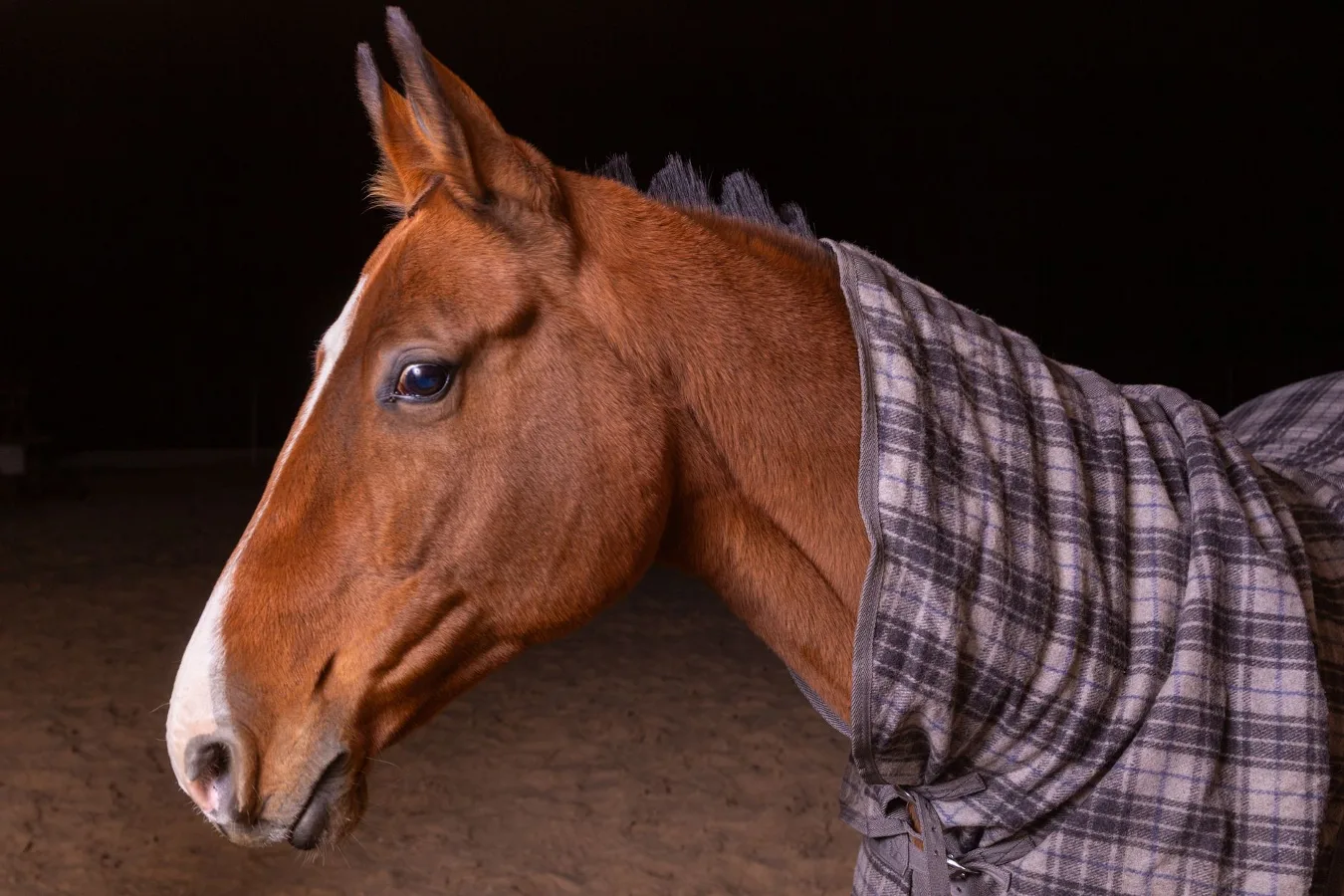
A medium weight blanket for horses is usually the middle option people reach for when a horse needs more warmth than a sheet or lightweight turnout can provide, but not the bulk of a heavy winter blanket. The right choice is less about a single temperature number and more about the horse’s coat, clip level, shelter, activity, and how much weather protection the blanket needs to provide. Light Weight Horse Blanket Guide offers more detail on this point. winter horse blanket basics offers more detail on this point.
If you are trying to decide whether a medium weight blanket belongs in your winter setup, the most useful question is simple: does your horse need insulation, weather protection, or both? That answer shapes everything from fill level to fabric durability to whether a turnout version makes more sense than a stable blanket.
When a medium weight blanket makes sense
A medium weight blanket is often the practical choice for horses that lose some natural insulation, live in changeable winter conditions, or need help staying comfortable without being over-bundled. It tends to fit a few common buyer scenarios: horse blanket fit guide offers more detail on this point.
- horses that are partially or fully clipped
- older horses that may struggle to maintain body condition in cold weather
- horses in cold, damp, windy climates where a sheet is not enough
- horses that need a step up from a lightweight blanket but not a very heavy one
- horses turned out for long periods in winter and needing both warmth and weather resistance
The category is useful because it sits in a middle zone. That is also its biggest limitation. A medium weight blanket can be perfect for one horse and too warm or too little protection for another, even in the same barn.
The biggest trade-off: warmth versus flexibility
The appeal of a medium weight blanket is balance. It can reduce the need to swap between very light and very heavy coverings as the weather changes. For many owners, that means fewer gear changes and a simpler winter routine.
But balance comes with trade-offs. A blanket that is warm enough for a clipped horse on a cold day may be too much for an un-clipped horse on a sunny afternoon. Overheating is one of the most overlooked issues in blanket selection because people often focus on cold stress and ignore how quickly a horse can get uncomfortable once the weather shifts, especially if the horse is active.
This is why medium weight blankets work best when they are chosen as part of a larger winter plan, not as a one-size-fits-all answer.
What to look at before buying
1. Fill and warmth level
For horse blankets, “medium weight” usually refers to the amount of insulation inside the blanket, often called the fill. The exact meaning can vary by brand, so the label alone is not enough. A blanket that one company calls medium may feel different from another company’s version.
Rather than treating the category name as a guarantee, compare how the blanket is intended to be used: mild cold, sustained cold, clipped horses, or variable winter conditions. That context tells you more than the term “medium weight” by itself.
2. Turnout versus stable use
Not every medium weight blanket is designed for the same job. A turnout blanket is built for outdoor use and usually includes waterproofing and tougher outer fabric. A stable blanket is for indoor or protected settings and is not meant to stand up to rain, mud, or rough turnout conditions.
This distinction matters more than many first-time buyers expect. A warm stable blanket may sound appealing, but if the horse spends time outside, it can quickly become the wrong tool for the job.
3. Outer fabric and durability
Blanket outer material affects how well it holds up to rubbing, weather, and everyday barn use. Stronger outer fabrics tend to resist tears and abrasion better, which can matter a lot for horses that roll, play, share fence lines, or move through brushy turnout areas.
Durability is not only about toughness. A stiffer or heavier fabric can sometimes feel less comfortable or less flexible. Owners often have to choose between more robust construction and a softer feel, depending on the horse and turnout situation.
4. Fit and shoulder freedom
Fit is one of the most important factors in any blanket, and it becomes even more important when the blanket carries more insulation. A poor fit can cause rubbing at the shoulders, pressure at the withers, or twisting during turnout.
Look for enough room for the horse to move naturally, but not so much extra space that the blanket shifts or sags. Horses that are broad through the chest, have prominent withers, or are between sizes often need extra attention during fitting.
Blanket fit is also where many buyers make avoidable mistakes. Choosing warmth first and fit second often leads to returns, discomfort, or a blanket that is technically the right weight but practically unusable.
5. Closure design and coverage
Chest closures, surcingles, leg straps, and tail flaps all affect how securely a blanket stays in place and how much coverage it provides. More coverage is not automatically better. Extra flaps and straps can help in harsh weather, but they can also create more points of friction or complicate cleaning and adjustment.
The right design depends on the horse’s build, the level of turnout, and how much movement the horse gets. A horse that is active in the field may need a different setup than one that stands quietly in a paddock or spends more time in a stall.
How horse type and care routine change the choice
Clipped horses usually need more insulation
A horse with a clipped coat has less natural protection from cold weather, so a medium weight blanket is often more relevant than it would be for a full-coated horse. The degree of clipping matters. A trace clip, for example, does not create the same need as a full body clip.
That means the blanketing decision should match the clip, not just the calendar. A clipped horse in dry cold may be comfortable in a medium weight option, while another horse with more coat may need only a lighter layer or none at all.
Older horses may need more consistent coverage
Older horses can be less efficient at staying warm, especially if they struggle to maintain body condition. For them, a medium weight blanket can be a useful part of winter management. Still, the blanket should not be treated as a substitute for good nutrition, dental care, and regular condition monitoring.
This is a useful reminder: blankets manage environmental stress, but they do not solve underlying health or feeding issues.
Turnout conditions matter as much as temperature
Cold rain, wet snow, wind, and mud can make a horse feel much colder than dry still air at the same temperature. That is why a medium weight turnout blanket often makes more sense in wet, windy climates than in dry, sheltered ones.
For horses with access to a well-built shelter, the blanket may not need to work as hard. For horses exposed to the elements for long stretches, weatherproofing becomes just as important as warmth.
Common mistakes buyers make
- Choosing by temperature alone. The same temperature can feel very different depending on wind, rain, humidity, coat condition, and turnout time.
- Ignoring fit in the shoulders and withers. A blanket that rubs is not a good blanket, no matter how well it is insulated.
- Assuming all medium weight blankets are the same. Brand terminology and construction can vary.
- Using a stable blanket outdoors. Indoor blankets are not designed for wet turnout.
- Overlooking layering needs. In some setups, a lighter blanket with flexible layering may be more practical than one medium-heavy option.
- Forgetting to reassess conditions. A horse that needed medium weight in early winter may need less or more as weather, coat, or workload changes.
Layering can be smarter than chasing one perfect blanket
Some owners assume they need one blanket that works for the entire season. In practice, layering is often a better strategy. A lighter turnout sheet paired with a liner or additional layer can offer more flexibility than a single medium weight blanket, especially in places where temperatures swing widely.
Layering can also make care easier if one piece needs cleaning or repair. The downside is added complexity. More layers mean more adjustment, more fit checks, and more chances for shifting if the system is not well matched.
For horses that move between stall and turnout, or for climates with frequent temperature swings, this flexibility can be worth the extra effort. For a horse with simple needs, a single medium weight blanket may be the cleaner choice.
Material and spec factors that matter most
When comparing medium weight blankets for horses, these are the specifications worth paying attention to:
- Outer fabric durability: helps the blanket stand up to turnout wear, rubbing, and everyday handling
- Waterproofing or water resistance: essential for turnout use in wet conditions
- Breathability: helps reduce trapped heat and moisture buildup
- Lining material: affects comfort against the coat and may influence rubbing
- Closure system: affects security, adjustability, and ease of use
- Neck coverage: useful in windy or wet climates, but not necessary for every horse
- Compatibility with liners: helpful if you want seasonal flexibility
Not every horse needs every feature. The smartest purchase is usually the one that matches the horse’s actual routine rather than the most feature-rich model on the market.
How to decide between medium, lightweight, and heavy options
If you are deciding where medium weight fits, think in terms of the horse’s real-world comfort, not the label. Lightweight blankets are often enough when the horse has a full winter coat, mild weather, or good shelter. Heavy blankets are more often reserved for sustained cold, limited coat, or horses with greater warmth needs.
A medium weight blanket tends to land in the middle for horses that need a noticeable step up in insulation without moving into the warmest category. It is often the most versatile choice for mixed conditions, but versatility does not replace observation. Checking the horse’s condition, behavior, and coat after turnout remains essential.
Practical next steps before you buy
If you are shopping for a medium weight blanket for horses, a calm decision process helps more than comparing marketing language. Start with the horse’s coat status, turnout pattern, shelter access, and local winter weather. Then narrow the field by fit, durability, and whether you need a turnout or stable design.
Before buying, it also helps to review a few practical questions:
- Will the horse wear it mostly indoors, outdoors, or both?
- Does the horse have a clipped coat or a full winter coat?
- Is the climate cold and dry, or cold, wet, and windy?
- Does the horse rub easily or need a broader shoulder shape?
- Would a layering setup be more flexible than one blanket weight?
If the answers are still unclear, the safest approach is usually to start with the most functional version for the horse’s routine, then monitor fit and comfort closely during the first uses. A medium weight blanket is only useful if it stays in place, suits the weather, and supports the horse without creating new problems.
For many horses, that makes the medium weight option a sensible middle ground. For others, it is simply the wrong middle. The best choice is the one that matches the horse in front of you, not the category on the tag.
