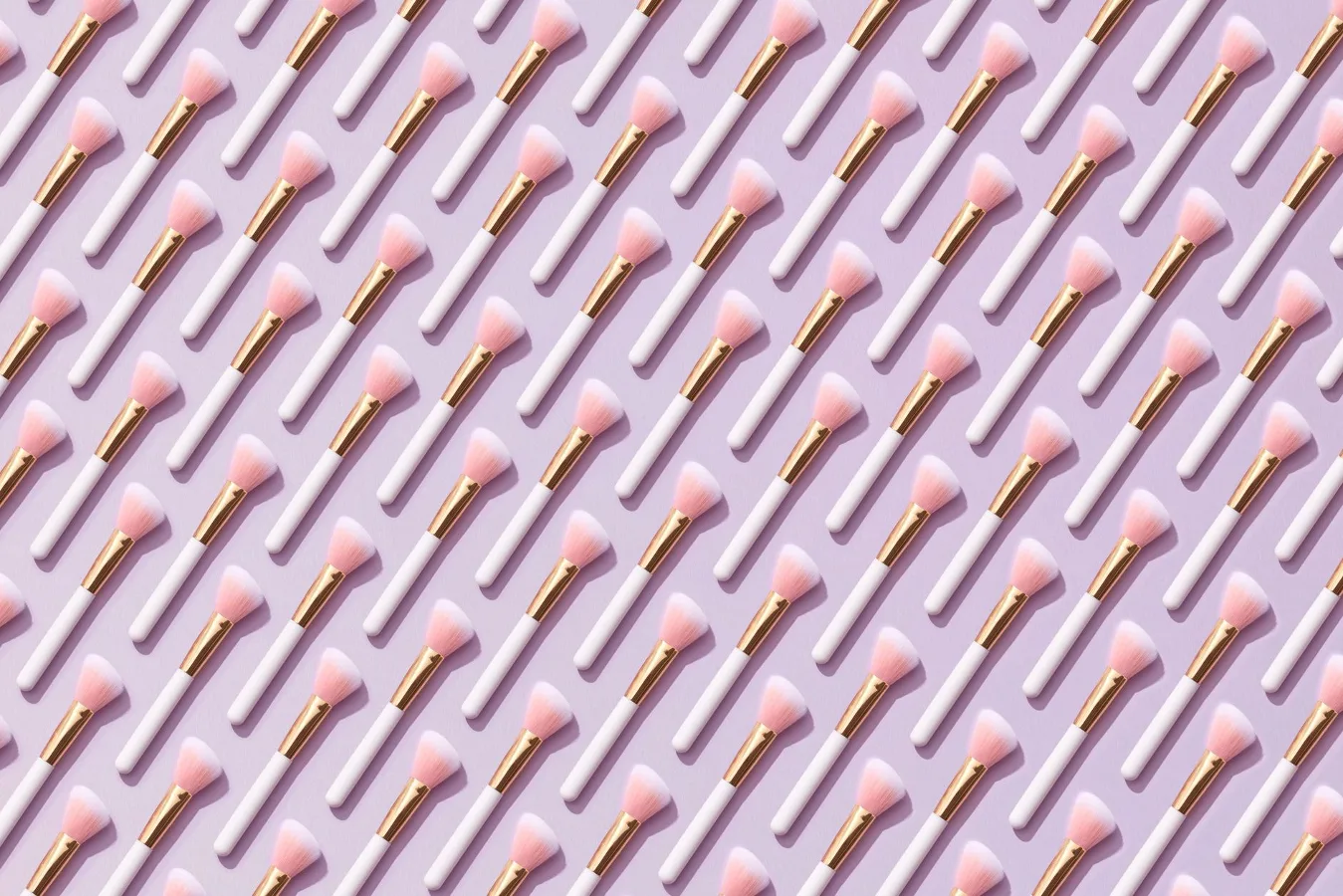
Pink makeup brushes are usually chosen for one of two reasons: they look polished on a vanity, and they help build a coordinated brush kit without being hard to spot in a bag or drawer. But color should be the last thing you judge. For everyday use, the better question is whether the brushes are comfortable to hold, easy to clean, and suited to the formulas you actually wear.
If you are shopping for pink makeup brushes, focus first on bristle type, brush shape, handle feel, and how complete the set really is. A pretty finish can be a bonus, but the right set should make application easier, not just look nice on social media. how to choose makeup brushes offers more detail on this point.
When pink makeup brushes are worth choosing
Pink brushes make sense when you want a set that is easy to identify, visually cohesive, and simple to store with other beauty tools. They are especially appealing for people building a first brush collection, anyone organizing a makeup station, or shoppers looking for a giftable beauty item that feels more personal than a plain black set.
The color itself does not change performance, but the finish can affect how the brushes feel in use. Some pink handles have matte coatings that are easier to grip. Others use glossy or metallic finishes that look attractive but may show fingerprints or wear more quickly. The better choice depends on how much handling, travel, and daily cleaning the set will see.
One overlooked point: pink makeup brushes can vary a lot in shade and finish. Soft blush pink, hot pink, ombré styles, and rose-gold combinations all create a different look. If you care about a coordinated vanity setup, it helps to think about whether you want a subtle cosmetic-tool look or a more decorative display piece.
What matters most when buying them
Bristle type and product compatibility
The most important decision is whether the bristles are synthetic or natural. For most modern makeup routines, synthetic bristles are the safer starting point because they work well with cream, liquid, and powder formulas, and they are generally easier to wash. They also tend to be a better fit for people who prefer vegan beauty tools.
Natural bristles can feel different on the skin and may suit some powder applications, but they are not always the best choice for liquid or cream products. If you use dewy foundation, cream blush, or contour sticks, look for dense synthetic brushes that can move product without soaking it up. brushes for liquid foundation offers more detail on this point.
A common misconception is that softer always means better. Very soft brushes can feel luxurious, but if they are too floppy they may not place product precisely. For blending, a little flexibility helps. For packing color or working with cream formulas, more density usually performs better.
Shape and intended use
Brush shape matters more than color. A fluffy powder brush is useful for setting makeup, while a tapered blush brush places color more precisely on the cheeks. Flat foundation brushes, angled contour brushes, and small eyeshadow brushes each solve different problems. A good set should include a mix of large face brushes and smaller detailing brushes, not just multiple versions of the same shape.
If you buy a pink brush set because it looks complete, check whether the included brushes actually cover your routine. Some sets lean heavily toward eye brushes and leave out the face tools you will use most. Others include oversized tools that sound impressive but are less useful for detailed work. Think about the products you own now, not the list of brushes in the box.
Handle comfort and control
Handle shape affects more than appearance. A brush with a comfortable grip is easier to control around the nose, under the eyes, and along the jawline. Lightweight handles are good for quick makeup routines and travel. Slightly heavier handles can feel more balanced for people who like slower, more deliberate application.
If possible, look at handle length as a practical detail rather than a style feature. Longer handles can feel more like professional tools and may give more reach at a mirror. Shorter handles are usually easier to pack. For a set that will stay on a vanity, length matters less than balance and grip.
Set size and what you actually need
Pink makeup brush sets often look appealing because they include many pieces, but more brushes are not always better. A large set can be useful if you work with different textures or like a full-face routine. For simple daily makeup, a smaller edit may be more practical and easier to keep clean.
Before buying, compare the set against your routine:
- If you wear foundation and powder daily, prioritize base brushes.
- If you use eye makeup often, make sure the set includes blending and detail brushes.
- If you prefer minimal makeup, a few multitasking brushes may be enough.
- If you travel often, compact sets with protective cases are usually more useful than oversized collections.
Shedding, shape retention, and cleaning
Brushes that shed early or lose shape quickly create more frustration than value. While you cannot verify long-term wear from a product page alone, you can look for signs of thoughtful construction: securely set ferrules, evenly trimmed bristles, and brush heads that appear dense where they need support.
Cleaning is another practical filter. Pink handles can make buildup more visible, which is helpful for hygiene but means you may notice staining sooner. Dark pigments, cream products, and long wear formulas can leave residue in the bristles. If easy maintenance matters to you, choose brushes that can be washed regularly without becoming misshapen.
How to compare pink brush sets without getting distracted by color
A simple way to compare sets is to rank them by use case instead of appearance. Ask what the set gives you that you do not already have, and whether that feature solves a real gap in your routine.
- Start with your products. Liquid, cream, and powder formulas each benefit from different brush textures.
- Check the brush shapes. Make sure the set includes the face and eye tools you will actually use.
- Look at brush density. Denser brushes usually suit creams and precise placement; looser brushes help with blending.
- Review the handle design. Choose a grip and length that match your storage and routine.
- Consider maintenance. Pick materials that fit how often you clean your tools.
- Think about portability. If the set is meant for travel, size and protection matter more than extra decorative pieces.
This approach helps prevent a very common mistake: buying a beautiful set with several unused brushes and still needing to purchase the ones you actually rely on.
Examples of the best-fit setup for different users
For beginners
A beginner-friendly pink brush set should be simple, not overwhelming. The most useful brushes usually include a foundation brush or sponge alternative, a powder brush, a blush brush, one blending brush, and one small detail brush. That covers basic face and eye makeup without turning your routine into a guessing game.
Beginners often benefit from synthetic bristles because they are forgiving with liquids and creams and are easier to clean. A set with clear brush names or intuitive shapes can also reduce the learning curve.
For daily full-face makeup
If you wear makeup most days, choose brushes that support consistency. Look for sturdy base brushes, a reliable blending brush, and a brush that places powder evenly without disturbing foundation. In this case, the pink finish is a preference, but the construction should feel dependable enough for repeated use.
Daily users should also think about drying time and maintenance. If you clean brushes frequently, dense brush heads and glued ferrules need to hold up under regular washing.
For travel or compact storage
Travel-friendly pink makeup brushes are usually shorter, lighter, and fewer in number. A compact set with a pouch or case may be better than a large desk-style collection. The key trade-off is coverage versus convenience: a small set saves space, but you may need to multitask with each brush.
If you pack makeup often, avoid sets that are mostly decorative or oversized. A sturdy compact brush set is more practical than an elaborate one that takes too much room and is difficult to keep clean on the go.
For gift buying
Pink brushes are popular gifts because they feel thoughtful and easy to personalize. To choose well, consider the recipient’s routine rather than selecting the most extensive set. Someone who loves minimalist makeup may prefer a few essentials in a nice pouch, while a makeup enthusiast may appreciate a larger assortment with a variety of shapes. makeup brush shapes explained offers more detail on this point.
Gift buyers should also pay attention to whether the set includes a storage case, because presentation matters, but protection matters too.
Common mistakes shoppers make
- Choosing only by color. A pretty pink set can still be poorly suited to your products.
- Buying too many duplicate brushes. Several near-identical fluffy brushes are less useful than a balanced mix.
- Ignoring bristle type. Synthetic and natural fibers behave differently with cream, liquid, and powder formulas.
- Overlooking handle comfort. A brush can look elegant and still feel awkward in daily use.
- Assuming a large set is better value. More pieces only help if you will actually use them.
- Forgetting maintenance needs. Brushes that are hard to clean become a problem over time.
Care and upkeep for longer use
Good care helps any brush set last longer, whether the handles are pink, white, black, or metallic. Clean brushes regularly with a method that suits the bristle material, then reshape them and let them dry flat or angled downward so moisture does not collect in the ferrule.
For painted or coated pink handles, gentle handling matters. Avoid soaking the entire brush and focus on the bristles rather than the handle when cleaning. That reduces the chance of loosening glue or dulling the finish. If a set includes decorative coatings, it is worth treating them as cosmetic features rather than durable protective layers.
Storage also affects lifespan. Brushes tossed loosely into a drawer may bend at the tips or pick up dust and product residue. A holder, cup, pouch, or roll case can help preserve shape and keep the pink finish cleaner.
Alternatives if pink is not the right fit
If you like the performance idea behind pink makeup brushes but are unsure about the style, consider neutral tones, clear-accent handles, or compact brush kits with labeled slots. Some shoppers prefer to mix a pink set with a few specialized tools from another line instead of buying one oversized collection.
Beauty sponges are another useful alternative for certain base applications, especially if you prefer a sheerer finish or want less brush texture on the skin. They do not replace every brush, but they can reduce the number of tools you need.
For people who want a more sustainable routine, the better choice may be a smaller set of versatile brushes rather than a large color-themed bundle. Fewer tools, used well and maintained properly, often deliver better long-term value than a set that looks complete but rarely leaves the drawer.
A practical checklist before you buy
- Does the set match the makeup formulas you use most?
- Are the bristles synthetic, natural, or a blend that suits your routine?
- Does the set include the brush shapes you actually need?
- Do the handles feel easy to grip and store?
- Is the set easy to clean and dry?
- Will you use enough of the brushes to justify the bundle?
- Does the finish fit your vanity, travel bag, or gift purpose?
Pink makeup brushes are at their best when style and utility line up. If you choose based on brush shape, bristle type, and everyday convenience first, the color becomes a bonus rather than the reason you bought a set that does not suit your routine.
