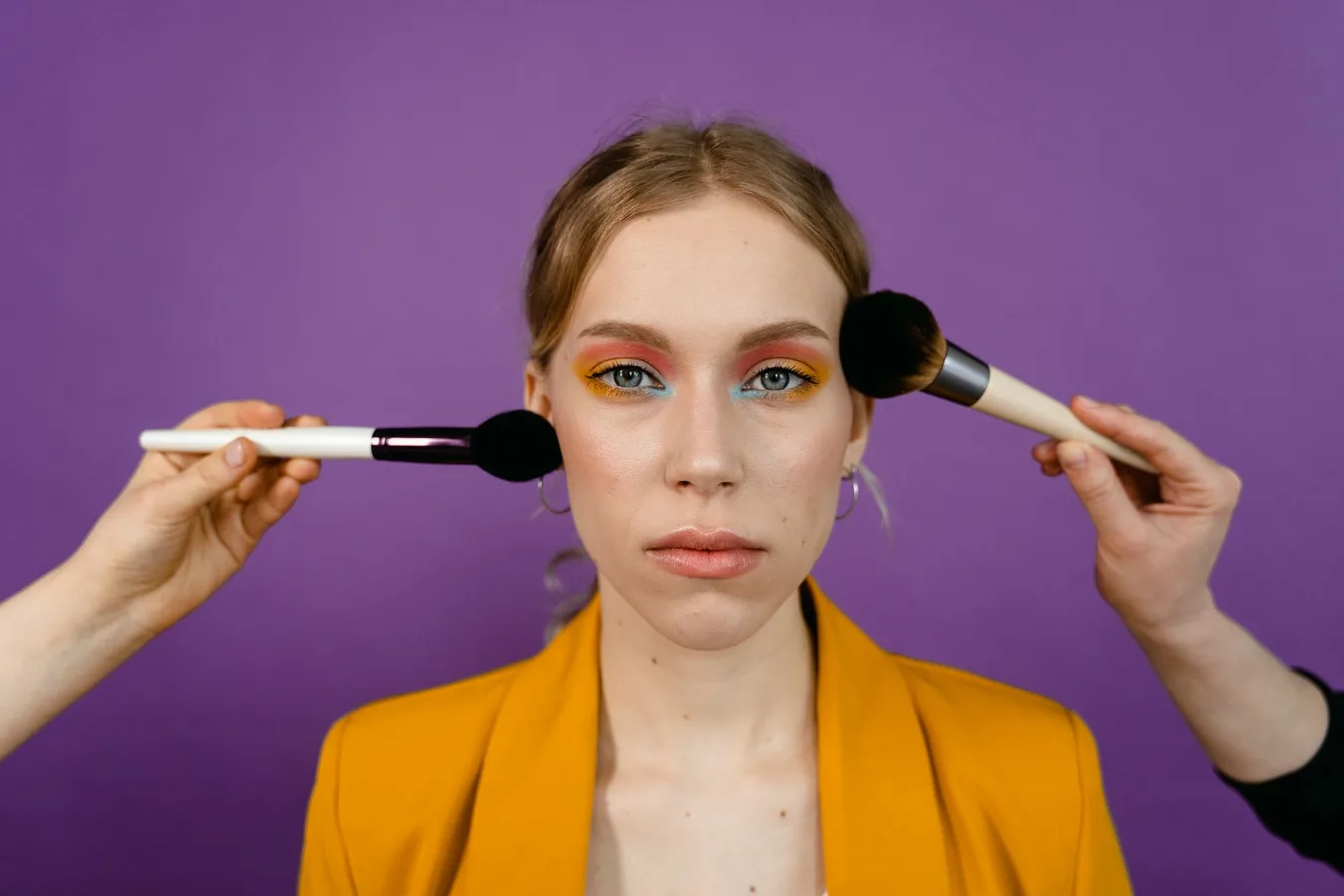
If you are trying to find the best eye makeup brushes, start with this simple rule: choose brushes for the way you actually apply makeup, not the largest set on the shelf. A strong eye brush kit usually covers blending, packing color, detail work, and liner or brow definition without feeling bloated or redundant. how to choose a blending brush offers more detail on this point. eyeshadow brush basics offers more detail on this point.
The most useful eye makeup brushes are the ones that match your formulas, your skill level, and the looks you wear most often. If you favor soft neutral shadow, a compact set may be enough. If you build layered smoky eyes or use cream products, you will benefit from more specialized shapes and denser bristles.
What makes an eye makeup brush worth buying
The best eye makeup brushes are judged less by brand claims and more by how well the brush performs a specific task. Eye makeup is one area where brush shape really matters. A brush that is excellent for blending can be frustrating for packing pigment, and a liner brush that creates precision can feel too small for transition shades.
Look for brushes that balance these practical qualities:
- Shape that matches the job: blending, packing, smudging, defining, or lining.
- Bristle density suited to the formula: softer and fluffier for diffusion, denser for stronger color payoff.
- Control around the lash line and crease, where a small change in shape makes a big difference.
- Comfort in the handle and ferrule, especially if you do your makeup often.
- Easy cleaning so product buildup does not change performance over time.
A common misconception is that more brushes automatically means better makeup. In practice, a small number of well-chosen brushes often gives better results than a large set full of duplicates. Too many similar blending brushes can create clutter without adding much value.
The essential eye brush types and what they do
If you are building a kit from scratch, these are the core brush categories worth understanding. You do not need every variation, but each one solves a different problem.
Blending brush
A blending brush is usually soft, fluffy, and slightly tapered. Its purpose is to diffuse edges, soften color transitions, and make shadow look seamless in the crease or above it. If you wear powder shadows regularly, this is one of the most important brushes to own.
For hooded eyes or smaller lids, a more compact blending brush often works better than a large fluffy one because it gives you control without spreading product too high.
Packing brush
A packing brush is denser and flatter. It helps place color on the lid with less fallout and more intensity. This is the brush to reach for when you want shimmer, metallic shadow, or a stronger base layer before blending.
Many people mistake packing brushes for blending brushes because they can look similar at a glance. The difference is in density and edge shape: packing brushes deposit, while blending brushes diffuse.
Detail brush
A detail brush is small and precise. It is useful for inner-corner brightness, lower-lash line color, spot correction, and fine work in the crease. This is one of the most overlooked tools in a beginner kit, yet it can make eye makeup look much more intentional.
Smudge brush
A smudge brush is short, compact, and meant to soften pencil liner or shadow along the lash line. It gives a lived-in, smoky effect without needing a lot of product. If you like quick eye looks, this brush often earns a permanent place in the routine.
Angled brush
An angled brush is useful for eyeliner, brows, and sometimes precise shadow placement. It is especially helpful for people who prefer a sharper edge or want one brush that can serve more than one purpose.
Spoolie
A spoolie is not just for brows. It is also useful for separating lashes, brushing out brow product, and softening overly harsh lines. It is a small tool, but it supports a cleaner finish across the eye area.
Brush materials: synthetic vs. natural bristles
One of the most important buying decisions is the bristle material. The best choice depends on the formulas you use and how you want the brush to feel on the skin.
Synthetic bristles are generally a strong choice for cream formulas, liquid liners, and many modern powder products. They are typically easier to clean and can be more versatile for different textures. If you want a lower-maintenance kit or use cream shadow often, synthetic brushes are usually the safer bet. brushes for cream and powder formulas offers more detail on this point.
Natural bristles have traditionally been favored for some powder applications because they can feel very soft and airy. That said, quality varies widely, and a well-made synthetic brush can perform beautifully for powder shadow too. The most practical approach is to choose by formula first, then by feel.
For most shoppers, the better question is not “natural or synthetic?” but “does this brush hold and release product the way I need?” A brush that is too soft may not pick up enough pigment; one that is too dense may make blending harder.
How to choose eye brushes for your routine
The best eye makeup brushes for one person may be the wrong purchase for another. Match the brush to your routine rather than collecting shapes that sound useful in theory.
If you mostly wear simple everyday makeup
A compact set with a blending brush, packing brush, smudge brush, and angled brush usually covers the essentials. That is enough for neutral shadow, liner, and brow touch-ups without overcomplicating your kit.
If you like smoky or layered eye looks
Look for more than one blending shape. A larger soft blender can handle transitions, while a smaller tapered brush gives control in the outer corner and crease. A dense packing brush also becomes more valuable because layered looks often need stronger lid payoff before blending.
If you use cream shadows or liners
Synthetic bristles tend to be the most practical choice. Cream products can load brushes quickly, so easier cleaning and firmer bristle structure matter. An angled brush and a dense detail brush are especially helpful here.
If you have hooded eyes or a smaller lid space
Brush size matters more than many shoppers expect. Large fluffy brushes can place shadow above the intended area, making blending feel messy instead of refined. Smaller, more tapered brushes often give better control and reduce product drift.
Common mistakes shoppers make
Buying eye makeup brushes is easy to overthink, but a few mistakes show up repeatedly.
- Choosing only by set size instead of brush function.
- Buying oversized blending brushes that overwhelm smaller eye shapes.
- Ignoring bristle density, which affects how product is applied and diffused.
- Overlooking a detail or smudge brush and then struggling with precision work.
- Mixing formulas without cleaning brushes, which can dull color and change performance.
- Assuming every eye brush is interchangeable; many are not.
Another practical mistake is choosing a set with too many specialized brushes before learning which looks you actually wear. A smaller kit that works consistently is more useful than a large collection that only partly fits your routine.
Comparison points that matter before you buy
When comparing the best eye makeup brushes, focus on a few decision factors instead of getting lost in packaging or brush-count marketing.
| Comparison factor | What to look for | Why it matters |
|---|---|---|
| Brush shape | Fluffy, flat, tapered, angled, or small precision head | Determines whether the brush blends, packs, defines, or smudges |
| Bristle density | Light, medium, or firm | Affects pigment pickup, diffusion, and control |
| Formula compatibility | Powder, cream, gel, or pencil products | Helps the brush perform well with your usual makeup |
| Handle feel | Balanced, lightweight, or longer grip | Can improve precision and comfort during application |
| Cleaning ease | Brushes that release product without excessive staining or clumping | Supports hygiene and keeps performance more consistent |
| Kit coverage | Essential shapes versus duplicate brushes | Prevents waste and keeps your collection practical |
For many buyers, the best value comes from a small kit that covers core tasks well rather than a large set with many near-identical blending brushes. If you already own a few good eye brushes, a targeted single purchase may make more sense than replacing everything at once.
What an efficient starter kit usually includes
If you are not sure where to begin, a useful starter eye brush kit often includes:
- one medium blending brush
- one smaller tapered blending brush
- one flat packing brush
- one small detail brush
- one smudge brush
- one angled brush
- one spoolie
This combination covers most everyday techniques without forcing you to overbuy. It also leaves room for growth if you later want to add more specialized brushes for precision cut crease work, graphic liner, or complex smoky eyes.
Cleaning and care affect performance more than many people expect
Even the best eye makeup brushes lose quality if they are not cleaned properly. Product buildup can make bristles stiff, reduce blending ability, and create patchy application. Cream formulas tend to require more frequent cleaning than powders, especially on detail and liner brushes.
Brush care is also a safety issue for the eye area. A clean brush is less likely to transfer old product, debris, or bacteria back onto sensitive skin. If you wear eye makeup often, keep your essential brushes in rotation so they can dry fully after washing.
Careful storage matters too. Tossing brushes loosely into a makeup bag can bend the bristles and change the shape over time. A simple cup, sleeve, or case helps preserve the original form of the brush head.
How to avoid paying for the wrong type of brush set
Not every set labeled as eye-focused is a good purchase. Some include too many duplicates, while others lean too heavily toward gimmicky shapes that do not help most users. A better strategy is to ask whether the set gives you real functional coverage.
Useful sets usually offer a clear spread of tasks: blending, packing, precision, and liner or brow work. Less useful sets often feature several brushes that only differ slightly in size, which can feel impressive at first but add little day-to-day value.
If you already know you use specific techniques, shop for those needs directly. A single excellent detail brush or smudge brush can improve your routine more than another oversized set of nearly identical fluffy brushes.
Choosing the best eye makeup brushes for long-term value
Long-term value is not just about price. It is about how often you reach for the brush, how well it performs across different looks, and whether it still feels useful as your technique evolves. A brush that serves multiple roles without sacrificing precision often gives better value than a more specialized tool you rarely use.
Pay attention to versatility, but do not confuse versatility with compromise. A good blending brush should blend well. A good packing brush should place color cleanly. A good angled brush should offer control. The best eye makeup brushes earn their place by doing one job especially well, then supporting a few others if needed.
If you want to build a dependable eye brush collection, start with function, then narrow by formula, eye shape, and the kinds of looks you wear most often. That approach leads to a kit that is easier to use, easier to clean, and more likely to stay useful over time.
