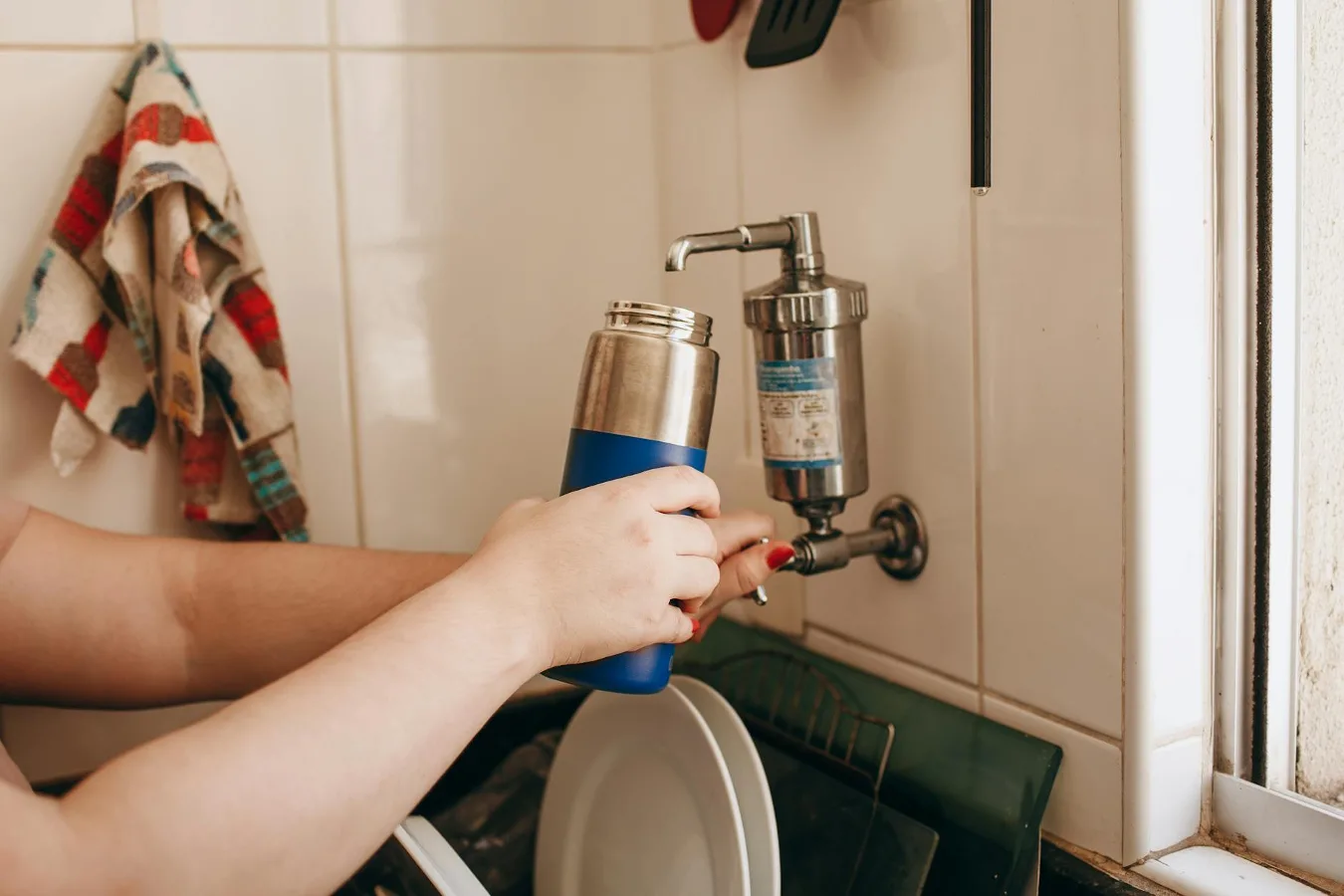
When a UV water filter system makes sense
A UV water filter system is best understood as a disinfection tool, not a complete replacement for all water treatment. It uses ultraviolet light to inactivate microorganisms such as bacteria and certain viruses, but it does not remove sediment, chlorine, dissolved minerals, pesticides, or many other chemical contaminants. sediment water filter offers more detail on this point. well water treatment basics offers more detail on this point.
That distinction matters. If your main concern is microbial safety—especially for a private well, a cabin, or a home where water quality can change—UV can be a smart part of the setup. If your water has taste, odor, hardness, or visible particles, you will usually need additional filtration before or alongside UV.
The most common buyer mistake is treating UV as a stand-alone cure-all. It is not. UV works best in a system that already controls turbidity, sediment, and other factors that can block light from reaching microorganisms.
Start with the water problem, not the product
Before comparing models, identify what you are trying to solve. A UV water filter system is usually chosen for one of these reasons:
- private well water with a concern about microbial contamination
- a desire for added protection beyond standard filtration
- a point-of-use setup for drinking water safety
- a whole-house system designed to disinfect incoming water
If you are on municipal water, a UV system may still be useful in some situations, but it is less commonly the first upgrade people need. Municipal water is already disinfected, so many households get more value from a carbon filter for taste and chlorine reduction, or from a filter targeted at lead or PFAS if those are the real concerns.
For well water, the equation changes. Wells can be vulnerable to intrusion after heavy rain, pump issues, construction activity, or other site-specific conditions. In those cases, UV can be a practical layer of protection, provided the system is matched to the water quality and maintained correctly.
How a UV water filter system actually works
UV systems send water through a chamber where a UV lamp exposes the flow to light at a germicidal wavelength. The goal is to disrupt the DNA or RNA of microorganisms so they cannot reproduce effectively.
That mechanism explains both the strength and the limitation of UV treatment. It is very focused. It can be excellent for disinfection, but it does not physically strain contaminants out of the water. For that reason, the water needs to be clear enough for the light to do its job.
In a typical home setup, the UV unit may be installed after a sediment filter and sometimes after carbon filtration. That order helps protect the lamp sleeve, improve light penetration, and reduce the chance that suspended material shields microbes from UV exposure.
Step-by-step criteria for choosing the right system
1) Confirm what is in the water
The best buying decision starts with water testing or at least a clear understanding of the likely contamination risk. For private wells, test results can help show whether the concern is microbial, chemical, or both. For homes with changing water sources, seasonal differences can matter.
Do not assume that a UV unit is the right answer just because the water “seems unsafe.” If the real issue is iron staining, sulfur odor, chlorine taste, or hardness, UV will not address those problems by itself.
2) Decide whether you need whole-house or point-of-use treatment
A whole-house UV system treats water entering the home, which can make sense when the goal is to protect showers, faucets, appliances, and drinking water at every tap. A point-of-use UV purifier focuses on one location, usually a kitchen sink or dedicated drinking tap.
Whole-house systems are broader in coverage but usually require more planning, more installation space, and proper sizing for household flow. Point-of-use systems are simpler and may be enough if your concern is only drinking and cooking water. point-of-use purification for drinking water offers more detail on this point.
3) Check water clarity and prefiltration needs
One of the most overlooked considerations is turbidity, or how cloudy the water is. UV light works best when water is clear. Suspended particles can reduce effectiveness by blocking the light path or creating shadowing around microorganisms.
That is why sediment prefiltration is often essential. Depending on the water source, you may need a sediment filter, a spin-down filter, or a combination of prefilters before UV. If your water has iron, manganese, or heavy sediment loads, those conditions may need to be handled first.
4) Match the system to household flow demands
A UV system must be able to treat water at the flow rate you actually use. If the system is undersized for the home, water may move too quickly through the chamber for effective disinfection. This is a common limitation buyers overlook because the unit may look similar to another model on paper.
Instead of choosing by appearance alone, think about your real-world usage: simultaneous showers, laundry, dishwashing, and drinking water demand all matter. A system that works well for a small household may not be ideal for a larger home with higher peak flow.
5) Consider installation and power requirements
UV systems depend on electricity, so they are not purely passive filters. If your home experiences outages or the unit loses power, UV disinfection stops. Some buyers prefer to pair UV with other treatment layers so the system is still useful even when one component is unavailable.
Installation also matters. Many UV systems need enough room for a vertical or horizontal chamber, service clearance for lamp replacement, and access to a drain or shutoff point. If space is tight, that can influence the best product type more than marketing claims do.
6) Evaluate maintenance realistically
A UV water filter system is low-maintenance compared with some treatment methods, but it is not maintenance-free. Lamps need periodic replacement, quartz sleeves can foul, and prefilters need regular attention. If you are unlikely to keep up with service, the system may not protect water the way you expect.
This is where long-term value is decided. A lower-cost system that is hard to service can become frustrating. A better-designed system with simpler lamp access, visible alerts, and easy filter changes may be a better fit even if it seems less exciting at purchase time.
What UV does well, and what it does not
| Category | UV systems are good for | UV systems do not address well |
|---|---|---|
| Microbial control | Bacteria and other microorganisms within the system’s design limits | Physical removal of contaminants |
| Water clarity | Works best with clear, prefiltered water | Cloudy, sediment-heavy water without pretreatment |
| Taste and odor | Neutral; does not usually change taste | Chlorine, sulfur, and many taste issues |
| Chemical contaminants | None directly | Lead, PFAS, nitrates, VOCs, hardness, iron |
That table highlights a useful rule: UV is a disinfection stage, not a general purification stage. If your water problem is broader than microbiological risk, combine UV with the appropriate filter media rather than expecting one device to do everything.
Common system types and who they suit
Whole-house UV systems
These are best for homes that want water treated at the point it enters the building. They are especially relevant for private wells and households that want consistent protection at every tap. The trade-off is that whole-house systems typically require more planning, more installation space, and careful sizing.
Under-sink or point-of-use UV systems
These are a better fit when the main goal is safer drinking and cooking water. They can be more compact and easier to justify for households that do not need whole-home treatment. The limitation is obvious: only the selected tap gets UV protection.
Combination systems
Many practical setups use sediment filtration, carbon filtration, and UV together. This is often the most balanced option because each stage handles a different issue. Sediment protects the UV chamber, carbon improves taste and may reduce certain chemicals, and UV addresses microbial risk.
The common misconception is that “more filters” always means “better water.” In reality, the best system is the one that fits the problem, the plumbing, and the maintenance habits of the household.
Checklist before buying
- Identify whether the main concern is microbial, chemical, or aesthetic.
- Review any water test results you already have.
- Decide between whole-house and point-of-use coverage.
- Confirm that prefiltration is adequate for your water clarity.
- Check household flow needs and peak usage patterns.
- Verify space for installation and lamp service access.
- Plan for replacement parts and ongoing maintenance.
- Think about backup protection during power outages.
- Compare whether a combined system would solve more of your actual water issues.
Examples of better-fit scenarios
Private well with recurring microbial concern
A UV water filter system can be a strong fit when the well water is otherwise acceptable but disinfection is a priority. In this scenario, sediment prefiltration and regular maintenance are not optional extras; they are part of the system’s effectiveness.
Home with chlorine taste and no microbial issue
UV is usually not the first choice here. A carbon filter may be more relevant because it directly addresses taste and odor, while UV adds complexity without solving the main complaint.
Household wanting drinking water only
A point-of-use UV system can make sense if the goal is focused protection at the kitchen sink. This is often a more practical path than treating every gallon of water in the house.
Cloudy well water with sediment
UV alone is a poor match. The better approach is to fix the prefiltration and water clarity first. Otherwise, the UV chamber may not deliver reliable disinfection performance.
Limitations worth keeping in mind
UV water treatment is highly useful, but it has boundaries that shoppers should respect.
- It depends on electricity. If power is out, the disinfection step is not operating.
- It needs clear water. Sediment and turbidity can interfere with treatment.
- It does not improve mineral content. Hardness, iron, and similar issues need different solutions.
- It requires upkeep. Lamps and prefilters need attention to stay effective.
- It is part of a system. It often works best when paired with other treatment stages.
These are not reasons to avoid UV. They are reasons to buy with a realistic plan instead of assuming the unit is self-sufficient.
How to compare options without getting lost in specs
For most shoppers, the clearest comparison method is to focus on fit rather than feature lists. Ask these questions:
- Does this system fit my water quality problem?
- Can it handle my household’s peak flow needs?
- Will I be able to maintain it on schedule?
- Does it need prefiltration or additional treatment?
- Is it for one tap or the entire home?
If a product page spends more time on branding than on water conditions, that is a warning sign. The right UV water filter system should be explained in the language of usage, maintenance, and compatibility, not just lamp wattage or promotional claims.
What a smart purchase usually looks like
The best buying decision is rarely the simplest or the most expensive one. It is the one that aligns with your water source, your plumbing, and your willingness to maintain the system.
For many homes, that means a layered setup: sediment filtration first, carbon if taste or certain chemicals matter, and UV where microbial protection is the priority. For other homes, a smaller point-of-use system is enough. The right answer depends less on the label “UV” and more on the job you want the system to do.
If you approach the purchase that way, the system is much more likely to deliver meaningful value over time instead of becoming another appliance that looks reassuring but is poorly matched to the water it treats.
