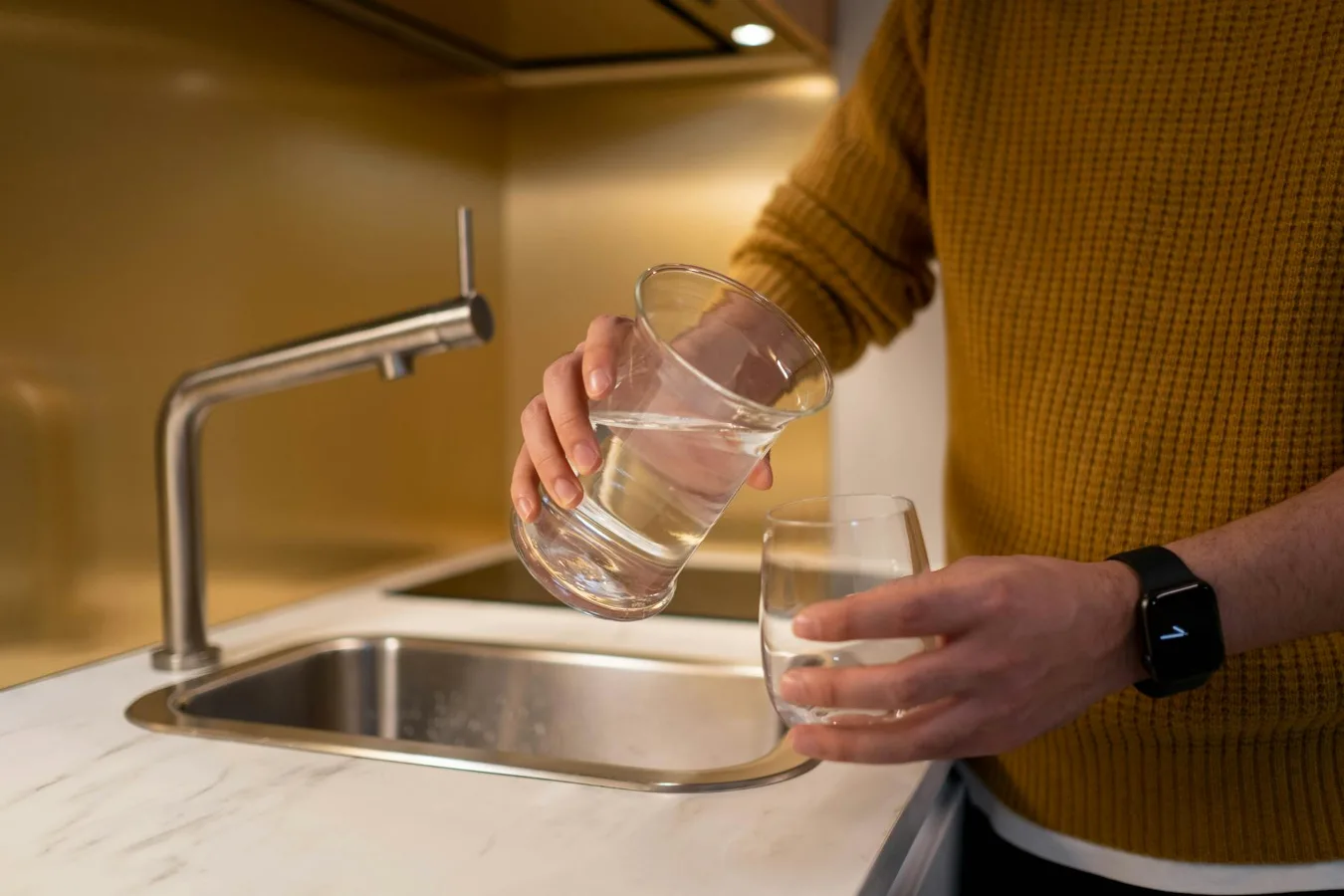
If your main concern is microplastics in drinking water, a reverse osmosis system is one of the most practical home filtration options to consider. In general, RO systems are designed to push water through a semi-permeable membrane and multiple pre- and post-filters, which makes them well suited for reducing very small particles along with many other common tap-water contaminants. how reverse osmosis works in home water filters offers more detail on this point.
The important part is not just whether reverse osmosis can help, but whether it is the right fit for your water source, kitchen setup, and maintenance habits. For many homes, it is best used as a point-of-use drinking water solution rather than a whole-house answer.
When reverse osmosis makes sense for microplastics
Reverse osmosis is worth a closer look when you want a dedicated filter for water you actually drink and cook with. Microplastics are tiny enough that a basic pitcher filter or standard faucet filter may not be the most reassuring option if your goal is broader particle reduction. RO systems are typically chosen because they combine several filtration stages, with the membrane doing the heavy lifting.
This matters most in homes where people rely on tap water every day, want a more complete filtration setup under the sink, or are already comparing water treatment options for taste, odor, and contaminant reduction at the same time. If you only need a light improvement in taste, RO may be more system than you need. If you want a more robust barrier against small particles, it becomes much more compelling.
How the filtration process helps
In a typical reverse osmosis system, water first passes through sediment and carbon prefilters. Those stages help trap larger debris, chlorine, and compounds that can affect taste or shorten membrane life. Then the water moves across the RO membrane, which is the core filtration stage.
That layered design is one reason RO systems are often discussed in conversations about microplastics. The membrane and the surrounding filter stages are intended to remove or reduce a broad range of unwanted material, not just one contaminant type. In practical terms, that means you are usually evaluating the whole system, not a single filter cartridge.
One common misconception is that any filter labeled “multi-stage” is automatically enough. For microplastics, the details matter: prefilter quality, membrane performance, housing design, and maintenance all affect how well the system continues to work over time.
Step-by-step criteria for choosing a system
1. Start with the installation style
Most homeowners looking for microplastic reduction will be comparing under-sink reverse osmosis systems. These are popular because they treat water at one point of use, usually for the kitchen sink or a dedicated dispenser. Countertop options exist too, but under-sink units often offer a more seamless setup if you have the cabinet space.
Think about your kitchen layout first. If cabinet height is tight, plumbing access is limited, or you rent and cannot make permanent changes, installation convenience may matter as much as filtration performance.
2. Look at the full filter train, not just the membrane
A good RO system is more than the membrane alone. Sediment prefilters help catch grit and larger particles. Carbon stages reduce chlorine and improve taste. Some systems add a remineralization stage for a less flat flavor.
For microplastics, the membrane is central, but the supporting stages are still important because they protect performance and support overall water quality. If a system skips meaningful prefiltration, the membrane may clog sooner or lose effectiveness faster.
3. Consider maintenance commitment
RO systems are not set-and-forget devices. Prefilters and postfilters need periodic replacement, and the membrane itself has its own service life. If those intervals are ignored, water flow can slow, taste can change, and the system may not perform as intended. ice maker water filter offers more detail on this point.
This is an overlooked consideration for busy households: the best filtration setup is the one you can actually keep up with. If you prefer very low maintenance, a simpler filter may fit your habits better, even if it does not offer the same level of treatment. best filter setup for apartment kitchens offers more detail on this point.
4. Check water waste and storage needs
Many RO systems produce wastewater as part of the purification process, and they often use a storage tank. That does not automatically make them a poor choice, but it is a real trade-off. People comparing models should think about cabinet space, daily water usage, and whether a tanked or tankless setup fits their routine.
If you fill large bottles, cook often, or want water ready on demand, storage design matters. A system that looks compact on paper may still be awkward if it crowds under-sink plumbing or makes filter changes difficult.
5. Match the system to the rest of your water concerns
Microplastics may be the headline concern, but many households are also dealing with chlorine taste, sediment, hard water, or general concerns about tap-water quality. RO can address several issues at once, but it is not a universal fix for every water problem.
If hard water is your biggest issue, for example, you may need a softening solution instead. If your goal is simply better taste, activated carbon alone might be enough. If you want broader drinking-water treatment, RO may be the better match.
What to compare before buying
Instead of focusing on brand claims, use a short decision checklist:
- Filtration stages: Does the system include sediment and carbon prefiltration plus a reverse osmosis membrane?
- Installation type: Will it work under your sink, or do you need a countertop or portable option?
- Maintenance schedule: How easy is it to replace filters and keep track of service intervals?
- Water taste: Does the system include remineralization if you prefer a less stripped taste?
- Space: Will the tank, cartridges, and housing fit comfortably in your cabinet?
- Usage pattern: Are you filtering water for drinking only, or also for cooking and ice?
- Water pressure and flow: Will the system meet your household demand without feeling slow?
These details often separate a system you keep using from one that becomes frustrating after a few months.
Where reverse osmosis has clear strengths
The biggest appeal of RO is breadth. It is often chosen by people who want a more comprehensive drinking-water setup, not just a quick taste fix. For microplastics, that broader filtration approach is a major reason it gets recommended so often.
RO also works well for households that want to centralize their drinking water treatment at one sink instead of relying on multiple pitchers or bottles. That can reduce guesswork and make it easier to keep one consistent routine.
Another practical benefit is that RO systems often improve taste by reducing chlorine-related flavor and other dissolved substances. For many households, the improvement in drinking experience is part of the decision, not an afterthought.
The trade-offs you should not ignore
Reverse osmosis has real downsides, and overlooking them can lead to disappointment. The most common ones are maintenance, wastewater, slower output, and the stripped taste some people notice after filtration.
Another practical issue is installation. Even if a system is marketed as easy to install, under-sink plumbing can be cramped, and some kitchens are simply not ideal for a tank plus filters plus lines. If you are renting or need something temporary, the convenience story changes quickly.
There is also a misconception that RO is always the best choice for every household. In reality, it is best when you want a high level of drinking-water treatment and are willing to accept the extra upkeep that comes with it.
Alternatives if reverse osmosis is not the right fit
Not every household needs RO to address microplastics concerns. Depending on your priorities, one of these may fit better:
- Activated carbon filters: Good for improving taste and reducing some contaminants, but usually less comprehensive than RO.
- Faucet-mounted filters: Convenient and simple, though often limited in filtration depth and capacity.
- Pitcher filters: Low commitment and easy to use, but typically slower and less robust for broader contaminant reduction.
- Whole-house systems: Useful for broad treatment at the point water enters the home, though they are usually a bigger investment and are not always the best match for microplastics specifically.
For many readers, the deciding question is not “Is RO good?” but “Do I need RO, or is a simpler filter enough for my water and habits?”
A practical checklist before you choose
- Decide whether you want a dedicated drinking-water solution or whole-home treatment.
- Check whether you have enough under-sink space for the tank and filter housing.
- Think about how much maintenance you are willing to manage.
- Compare whether the system includes meaningful prefiltration and a true RO membrane stage.
- Consider whether you want remineralization for taste.
- Confirm that the setup matches your daily water use and kitchen layout.
- Choose the simplest system that meets your actual water-quality goals.
A few common mistakes to avoid
Buying on membrane claims alone: The membrane matters, but the rest of the system affects performance and longevity.
Ignoring maintenance: Filters that are overdue for replacement can undermine the whole setup.
Overbuying: If your main goal is just better taste, a full RO system may be more than you need.
Underestimating installation: Tight cabinets, drain connections, and storage tanks can turn a simple purchase into a hassle.
Skipping water-use planning: A system should fit how much filtered water your household actually uses, not just an ideal scenario.
Who benefits most from reverse osmosis for microplastics
RO tends to make the most sense for people who want a stronger home drinking-water solution, are comfortable with routine filter changes, and prefer a dedicated under-sink setup. It is also a good fit for households that want one system to improve taste and address a broader set of concerns at the same time.
If your needs are lighter, a simpler filtration method may be more practical. If your goal is to reduce microplastics as part of a more complete water-treatment strategy, reverse osmosis is one of the strongest household options to evaluate.
The key is to choose with clear expectations: RO is a serious filter with real benefits, but it works best when the installation, maintenance, and daily usage all line up with the way you live.
