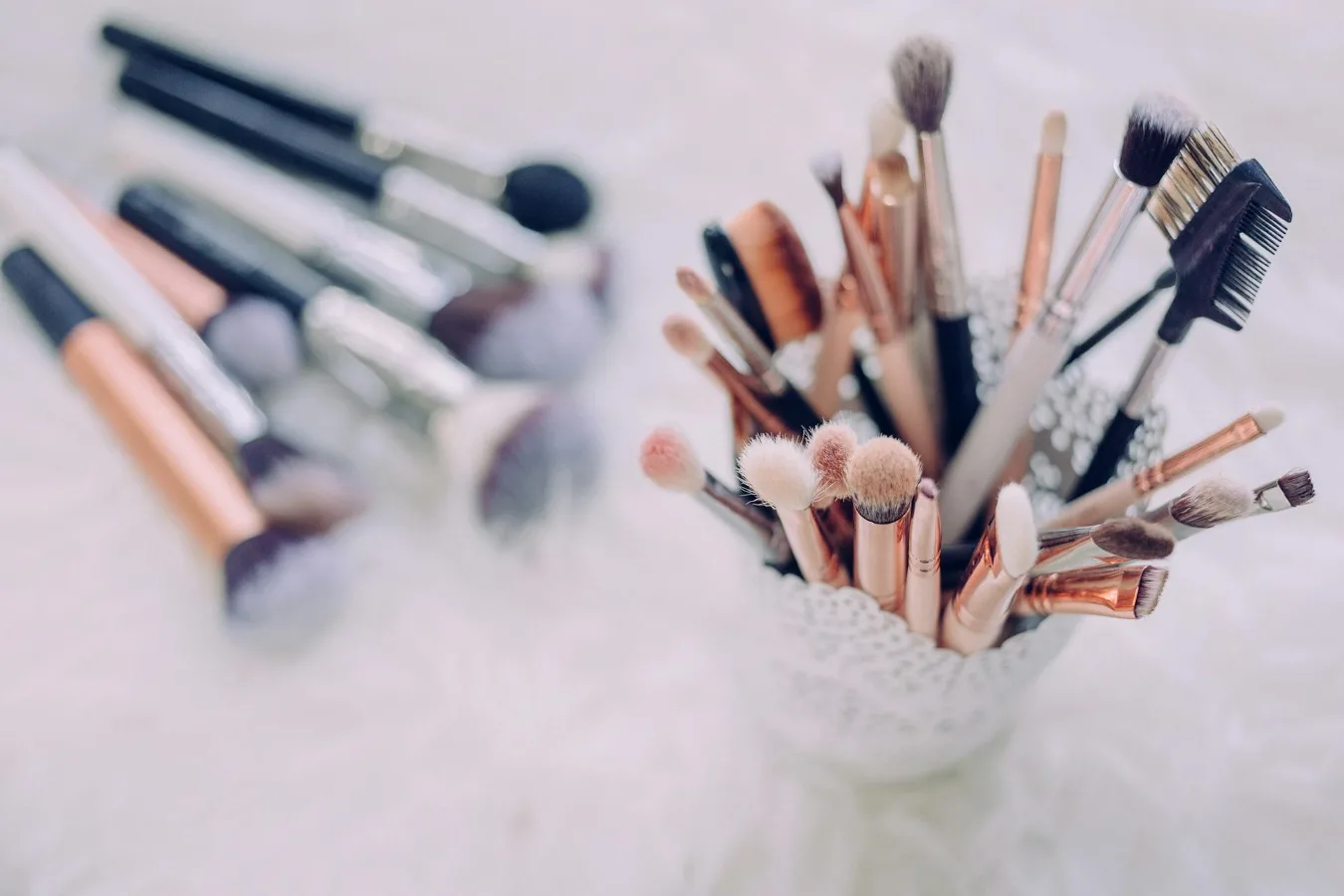
What actually makes a low-cost makeup brush worth buying
If you are looking for the best low cost makeup brushes, the goal is not to find the cheapest set on the shelf. It is to find brushes that apply product evenly, feel comfortable to use, and hold up after regular washing. A good budget brush can do all of that without the premium price tag. Pink Makeup Brushes: Buyer’s Guide offers more detail on this point.
The strongest value usually comes from brushes with soft synthetic bristles, a secure ferrule, and a handle that feels balanced in the hand. For many people, especially beginners, a small, well-chosen brush collection is more useful than a large set filled with duplicates.
Low-cost brushes make the most sense when you want to build a basic routine, replace worn-out tools, or try new techniques without a big commitment. They are less ideal if you want highly specialized shapes, dense luxury bristle packs, or a long-term set that will be washed very frequently.
The key is to judge them by function, not by the number of pieces in the box.
Start with the brush types you will actually use
A common mistake is buying a big set because it looks complete, then using only three or four brushes. A better approach is to think about your routine first. The best low cost makeup brushes are the ones that fill a real gap in how you apply makeup.
For face makeup
Most people can build a practical face brush kit around a few basics:
- A foundation brush or buffing brush for liquid and cream base products
- A powder brush for setting powder or light bronzer
- A blush brush that deposits color without harsh edges
- A concealer brush for small areas that need precision
If you prefer cream makeup, look for denser synthetic brushes that can move product without soaking it up. If you use loose powder often, a softer, fluffier brush will usually make application easier and more controlled.
For eye makeup
Eye brushes matter less by quantity and more by shape. A basic budget eye kit can include a blender brush, a smaller packing brush, and a detail brush. That is enough for many everyday looks.
Very cheap eye brush sets sometimes include many tiny tools that are difficult to tell apart. If you are comparing options, prioritize clear shape differences rather than a long list of nearly identical brushes.
Step-by-step criteria for choosing the right set
When comparing affordable makeup brushes, use the same decision path you would use for any beauty tool. These criteria are the most helpful for separating a useful brush from a frustrating one.
1. Check the bristle material
Synthetic bristles are usually the safest starting point for low-cost brushes. They tend to work well with liquid, cream, and powder products, and they are often easier to clean than natural hair brushes. They also align well with vegan or cruelty-free preferences when that matters to you. guide to canine hair dryer offers more detail on this point.
The feel matters, too. Soft is good, but overly floppy brushes can lose control, while very stiff brushes may drag on the skin. A brush should have enough structure to place product where you want it without scratchiness.
2. Look at the ferrule and handle
The ferrule is the metal part that connects the bristles to the handle. On budget brushes, this is one of the areas where quality often shows up. If the ferrule feels loose or the handle wobbles, the brush is unlikely to last long.
Handle comfort is easy to overlook. A brush can have decent bristles but still feel awkward if the handle is too short, too slippery, or poorly balanced. If you do makeup often, small comfort issues add up quickly.
3. Match the brush density to the product
Densely packed brushes are often better for cream and liquid products because they help press and blend product into the skin. Looser brushes usually work better for powders because they diffuse color more naturally.
This is one reason a single brush set may not suit every product in your routine. A low-cost brush can still be excellent if its density matches its purpose.
4. Judge shape, not just softness
Brush shape affects how controlled your application feels. A rounded blush brush, a tapered powder brush, and a flat foundation brush all do different jobs. Softness alone does not guarantee good performance.
For beginners, versatile shapes are usually the smartest buy. Very specialized brushes can be useful, but they are not always necessary if you want a simple routine.
5. Think about cleaning and maintenance
Brushes that shed heavily, trap product at the base, or dry slowly can become annoying fast. Easy-to-clean brushes are especially important for low-cost purchases because you want to preserve them as long as possible.
Synthetic bristles usually make this easier. Even so, a budget brush set still needs regular washing, careful reshaping, and proper drying. No brush is truly low maintenance if it is not cared for.
Examples of smart low-cost brush choices
Not every affordable brush set is built the same way. The examples below are not product endorsements, but they show the kinds of decisions that usually make sense for different users.
If you wear makeup every day
Choose a compact set with a foundation brush, powder brush, blush brush, and one or two eye brushes. Daily users usually benefit more from fewer, better-shaped tools than from a huge assortment.
This kind of set is practical because it covers the most common steps without adding clutter to your vanity or makeup bag.
If you are a beginner
Look for simple shapes and clear labeling. Beginner-friendly brush sets often work better when the roles are obvious. A fluffy blending brush, a concealer brush, and a medium face brush are easier to learn with than an oversized kit with unclear descriptions.
A beginner also benefits from brushes that are forgiving. Brushes that are too large, too dense, or too pointed can make application harder than it needs to be.
If you travel often
Portability matters more than full range. A smaller set with protective caps or a compact case may be more useful than a larger at-home kit. Handles that are not too long also make storage easier in a cosmetic bag or carry-on pouch.
For travel, a brush that is easy to clean and quick to dry is especially practical.
If you mostly use cream products
Choose synthetic brushes with firmer density and smooth edges. Cream formulas often apply more cleanly with brushes that can pick up product without absorbing too much of it.
Very fluffy budget brushes can work for blending, but they may not give the same control for precise placement.
What low-cost brushes can do well, and where they fall short
Affordable brushes can be a strong value, but they do have limits. Knowing those limits helps you avoid disappointment and buy more strategically.
Where they often perform well
- Everyday powder application
- Basic foundation blending
- Soft blush and bronzer placement
- Simple eye looks
- Backup brushes for travel or makeup bags
Where they may struggle
- Extreme precision for detailed eye work
- Very dense or high-end-feeling bristles
- Long-term durability under heavy washing
- Perfect consistency across a large multi-piece set
A common misconception is that budget brushes are automatically poor quality. That is not always true. Another misconception is that a large set is better than a small one. In practice, a few reliable brushes often beat a drawer full of unused extras.
A practical checklist before you buy
Use this checklist to narrow down the best low cost makeup brushes for your needs:
- Does the set include the brush shapes you will actually use?
- Are the bristles soft without feeling overly flimsy?
- Do the handles feel comfortable and stable?
- Are the brushes labeled clearly enough to understand their purpose?
- Will the materials work with your product types, especially cream or liquid formulas?
- Does the set look easy to wash and dry?
- Are there duplicates that add cost without adding value?
- Would a smaller set do the job better than a larger one?
If you can answer yes to most of those questions, the brush set is more likely to be a good value than a bargain that turns into clutter.
Maintenance tips that help budget brushes last longer
Low-cost brushes can be a better investment when you care for them properly. Gentle cleaning removes makeup buildup, reduces shedding risk, and helps the bristles keep their shape.
After washing, reshape the bristles and let the brushes dry flat or with the head angled downward if possible. Standing them upright while wet can allow moisture to collect near the ferrule, which is not ideal for longevity.
Avoid soaking the entire brush, especially the handle and ferrule. That can weaken the adhesive over time. You do not need specialty products to keep brushes in good shape; mild cleanser and careful drying are usually enough.
Storage also matters. Tossing brushes loosely into a bag can bend the bristles and shorten their useful life. A simple cup, pouch, or brush roll can help a budget set last noticeably longer.
How to compare sets without getting distracted by marketing
Many inexpensive brush sets look appealing because they promise more than you need. To compare them more effectively, focus on the actual use case rather than the packaging.
Ask yourself whether the set is built for face makeup, eye makeup, or a mixed routine. Check whether the included shapes are distinct and useful. Look for signs that the brush set was designed around real application needs instead of simply filling a box with extra pieces. eye makeup brush basics offers more detail on this point.
Also pay attention to what is missing. A polished-looking set may skip the exact brush you use most often. If that happens, a smaller and more focused option may be the better value.
FAQ
Are cheap makeup brushes worth it?
Yes, if you choose them carefully. Affordable brushes can be worth it when the bristles are soft, the handle feels sturdy, and the brush shapes match your routine. The best value usually comes from practical basics rather than oversized sets.
What type of makeup brush is most important to buy first?
That depends on your routine, but many people start with a foundation or buffing brush, a powder brush, and a blending brush for eyes. Those cover a large share of everyday makeup use.
Are synthetic bristles better for budget brushes?
Often, yes. Synthetic bristles are common in affordable brushes because they work well with many formulas and are usually easier to clean. They are also a good fit if you want vegan options.
How can I tell if a brush set is low quality?
Watch for shedding, loose ferrules, uneven cuts, scratchy bristles, and too many near-identical brushes. If the set looks impressive but does not serve clear purposes, it may not be a good buy.
Do I need a full brush set?
Not necessarily. Many people are better off buying a few individual brushes or a small starter set. That is often the smarter route if you want lower cost, less clutter, and more control over quality.
Final buying advice
The best low cost makeup brushes are the ones that fit your routine, feel comfortable in use, and hold up well enough to justify their price. Focus on brush shape, bristle material, handle stability, and ease of cleaning before you focus on the number of pieces.
If you are trying to stretch your budget, a small set of useful basics is usually the safest choice. From there, you can add specialized brushes only when you know you need them. That approach keeps your kit practical, your spending controlled, and your makeup application easier to manage.
