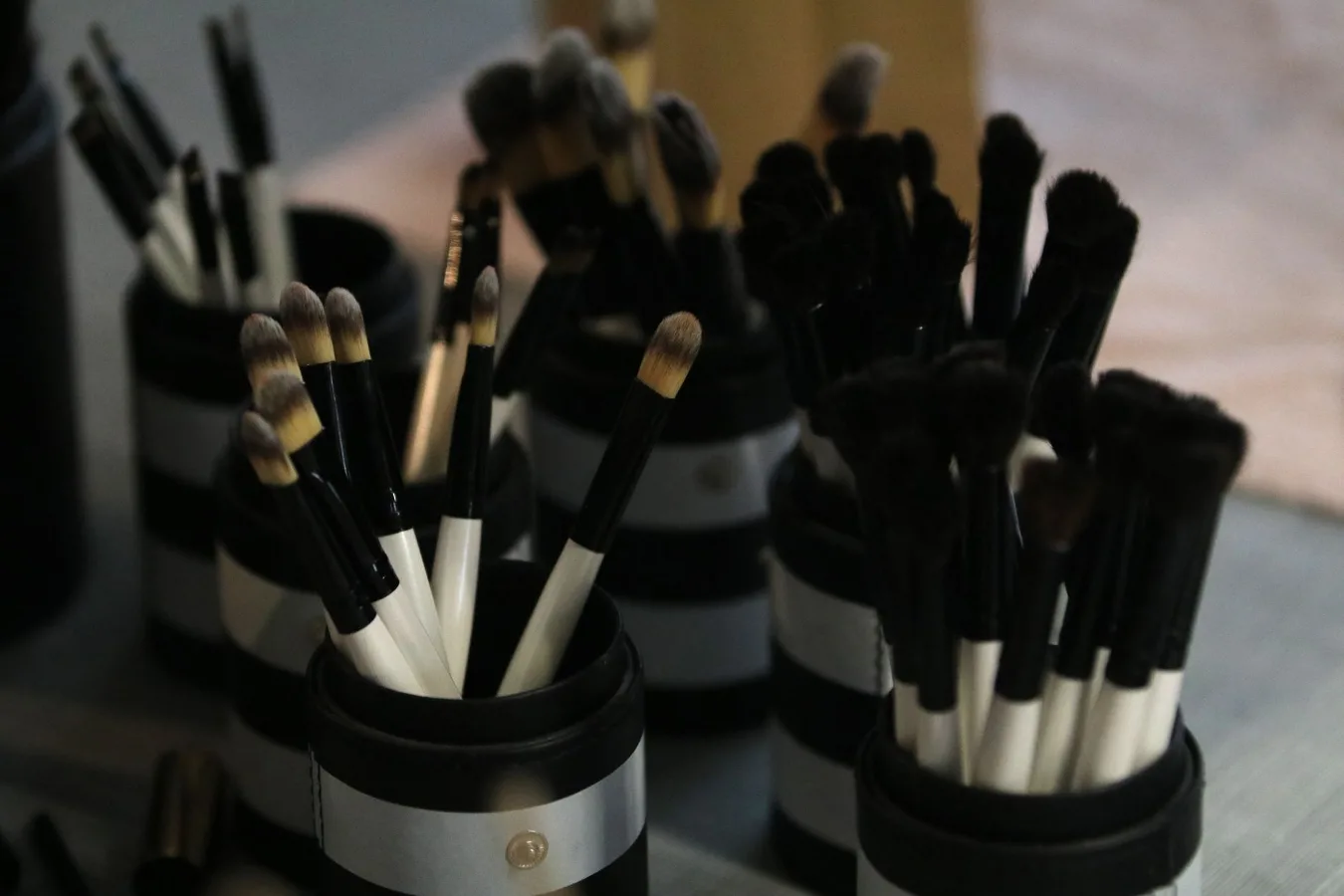
Japanese makeup brushes: the practical answer
Japanese makeup brushes are makeup brushes made by Japanese brands or artisans known for careful construction, refined fiber selection, and precise shaping. For many shoppers, the appeal is not just the country of origin but the way these brushes tend to balance softness, control, and durability in everyday use.
If you are deciding whether they are worth buying, the short answer is this: Japanese makeup brushes are a strong option when you want controlled application, especially for powder, blush, eyeshadow, and detailed work around the eyes and nose. They are not automatically better for every person or every product, though. The best brush depends on the texture you use most, how much control you want, and whether you prefer ultra-soft pickup or firmer placement. best low cost makeup brushes offers more detail on this point. Retractable Makeup Brush Buying Guide offers more detail on this point.
That makes them a smart category to shop by function instead of by brand name alone. A well-made Japanese brush can improve blending, reduce product waste, and make lighter application easier, but only if the brush shape and fiber type match your routine.
What tends to set Japanese makeup brushes apart
People often search for Japanese makeup brushes because they have a reputation for fine craftsmanship. In practice, that usually means attention to details such as bristle cut, ferrule balance, handle feel, and how the brush distributes product on the skin. The result is often a brush that feels controlled rather than bulky.
Another common strength is precision. Many Japanese brush designs are known for elegant shapes that suit targeted placement: soft tapered blush brushes, small blending brushes, detailed concealer tools, and airy powder brushes. That makes the category especially attractive for makeup users who like a polished finish instead of heavy coverage.
Still, craftsmanship is only one part of the equation. The most useful brush is the one that works with your formulas. A plush brush that performs beautifully with powder may not be the best choice for thick cream products. Likewise, a very dense brush can place foundation smoothly, but it may feel less forgiving for beginners.
How to compare Japanese makeup brushes before buying
Shopping well means looking beyond the label. For this category, the most relevant comparison points are fiber type, shape, density, size, and maintenance needs. Those factors have more impact on day-to-day performance than marketing language does.
| What to compare | Why it matters | Best for |
|---|---|---|
| Fiber type | Changes softness, pickup, and compatibility with liquid, cream, or powder formulas | Choosing between synthetic and natural-feel performance |
| Brush shape | Determines how product is placed and blended | Foundation, blush, contour, eyeshadow, detail work |
| Density | Affects coverage, blending, and control | Light wash versus more concentrated application |
| Size | Impacts precision and speed | Full-face use or focused work around smaller areas |
| Handle balance | Influences comfort and control during long routines | Daily use and more detailed application |
| Maintenance needs | Affects long-term value and hygiene | Buyers who clean brushes regularly |
Fiber type is one of the biggest decisions. Many modern makeup brushes use synthetic fibers because they can work well with liquid and cream products and are usually easier to clean. Some shoppers still prefer natural hair for certain powder applications, but there is no universal winner. The better choice depends on the product and the finish you want.
Shape matters just as much. A rounded fluffy brush can diffuse powder beautifully, while a tapered brush gives more control near the crease or under the eye. A flat brush may place product quickly, but a domed brush may blend more naturally. When a brush looks elegant but has no clear use case, that can be a warning sign that it is being sold for style more than function.
Density changes the way product builds. Dense brushes tend to deposit more product and create more coverage. Looser brushes usually give a softer finish and are easier to use for blending. If you are buying Japanese makeup brushes for the first time, a moderately dense brush often offers the most flexibility.
Which brush types are worth prioritizing
If you are building a set, some brush types are more useful than others. Not every kit needs every shape, and a focused selection usually delivers better value than a large bundle filled with duplicates. how to build a starter brush set offers more detail on this point.
Face brushes
A powder brush is often the most versatile face brush to start with. Look for one that feels airy enough to dust product evenly without streaking. A blush brush with a slight taper can help place color accurately while still blending the edges. If you use liquid foundation, a denser foundation brush or a brush designed for buffing can be useful, but the finish will depend on your preferred formula and technique.
For concealer, smaller precision brushes can help with targeted coverage around the eyes or blemishes. A brush that is too large can make detailed correction harder, especially around the nose and inner corner.
Eye brushes
Japanese eye brushes are often especially appealing because small differences in shape make a big difference near the eye area. A soft blending brush helps diffuse edges in the crease, while a smaller packing brush can place pigment more directly on the lid. A detail brush is helpful for lower-lash application, outer-corner work, or tight lining with shadow.
For many users, eye brushes are where the precision of Japanese craftsmanship is most noticeable. The reduced size and clean shaping can make the learning curve easier, especially if you prefer controlled placement over dramatic, high-drama finishes.
Who benefits most from this category
Japanese makeup brushes are a strong match for people who value control, softness, and a polished result. They can be especially useful if you wear makeup daily, prefer lighter layers, or like to refine the edges of powder and cream products carefully.
They also make sense for beginners who want tools that are intuitive and forgiving. A well-shaped brush can simplify blending, which matters more than many shoppers expect. A brush that distributes product evenly often helps compensate for an uneven hand.
On the other hand, if you prefer fast, heavy coverage and minimal brush care, some Japanese brushes may feel more delicate or specialized than you need. In that case, a simpler synthetic set may be a better fit.
Common trade-offs to keep in mind
There is a real trade-off between refinement and versatility. Some Japanese brushes excel at specific tasks but are less universal than all-purpose makeup brushes sold in broad kits. That can be a strength if you want precision, but it can also mean you need more thought when building a collection.
Another trade-off is care. High-quality brushes can last well when maintained properly, but they still need regular cleaning and careful drying. If a brush has a very soft or finely shaped head, rough washing can distort the form and reduce performance over time.
Price can also be a consideration. Many shoppers look to Japanese makeup brushes for quality, but quality can come with a higher entry cost than basic drugstore brushes. The key is to think in terms of usefulness per brush rather than trying to buy a large set all at once.
Mistakes shoppers make with Japanese makeup brushes
One of the most common mistakes is buying by reputation alone. A brush may be beautifully made and still be the wrong size, density, or fiber type for your routine. A premium brush that does not suit your products will not solve a technique mismatch.
Another mistake is assuming that softer automatically means better. Ultra-soft brushes can feel luxurious, but if the brush lacks enough density for the task, product may disperse too lightly or blend away when you want coverage. Softness and control need to be balanced.
A third mistake is treating all brushes in a set as equally useful. Many people end up using only a few favorites. If you are shopping with a budget, it usually makes more sense to buy the two or three brush types you will reach for most often rather than chasing a large bundle.
Finally, some buyers overlook maintenance. A brush that looks perfect in the package can quickly underperform if it is washed harshly, stored while damp, or left coated with product. Good care matters as much as initial quality.
How to decide between Japanese brushes and other options
If you are comparing Japanese makeup brushes with other brush styles, start with your actual routine. For powder-heavy makeup, a soft, well-shaped brush may be the most important priority. For cream products, synthetic fiber performance and easy cleaning may matter more than origin. For detailed eye work, shape and precision usually matter more than size or brand prestige.
There are also good alternatives worth considering. Korean makeup brushes, Western prestige brush lines, and silicone applicators all serve different needs. A silicone tool may be useful for certain cream or liquid applications, while a simpler synthetic brush set can be more practical for everyday use and easier upkeep.
The best decision is often a mixed approach. Many users benefit from one or two standout Japanese brushes for precision and one or two sturdier everyday brushes for faster application. That gives you targeted performance without forcing every tool to do the same job.
Care and longevity: where value is really decided
Brush care is a major part of long-term value. Even a well-made brush can lose performance if residue builds up in the fibers. Regular cleaning helps preserve softness, product pickup, and the original shape of the head.
Wash brushes gently, reshape them after cleaning, and let them dry fully before storing them. Avoid soaking the ferrule for long periods, since that can loosen adhesives over time. If a brush has a carefully tapered head, rough handling can also flatten or splay the tips.
Storage matters too. Keeping brushes in a pouch, cup, or drawer where the bristles are not crushed will help preserve their form. That is especially important for finely shaped eye brushes and tapered face brushes.
What to look for on product pages
When reading a product listing, look for concrete details instead of vague claims. Useful information includes brush type, intended use, fiber description, handle material, and whether the brush is meant for powder, cream, or liquid formulas. Clear usage guidance is usually a better sign than broad promises about luxury or performance.
If the listing is light on practical details, pause before buying. A quality brush should make its function easy to understand. The more clearly a seller explains what the brush is designed to do, the easier it is to judge whether it belongs in your kit.
Japanese makeup brushes are at their best when they solve a specific problem: smoother powder placement, cleaner eye blending, better control, or a softer finish. If you focus on that use-case fit, you are much more likely to choose a brush that earns its place in your routine.
