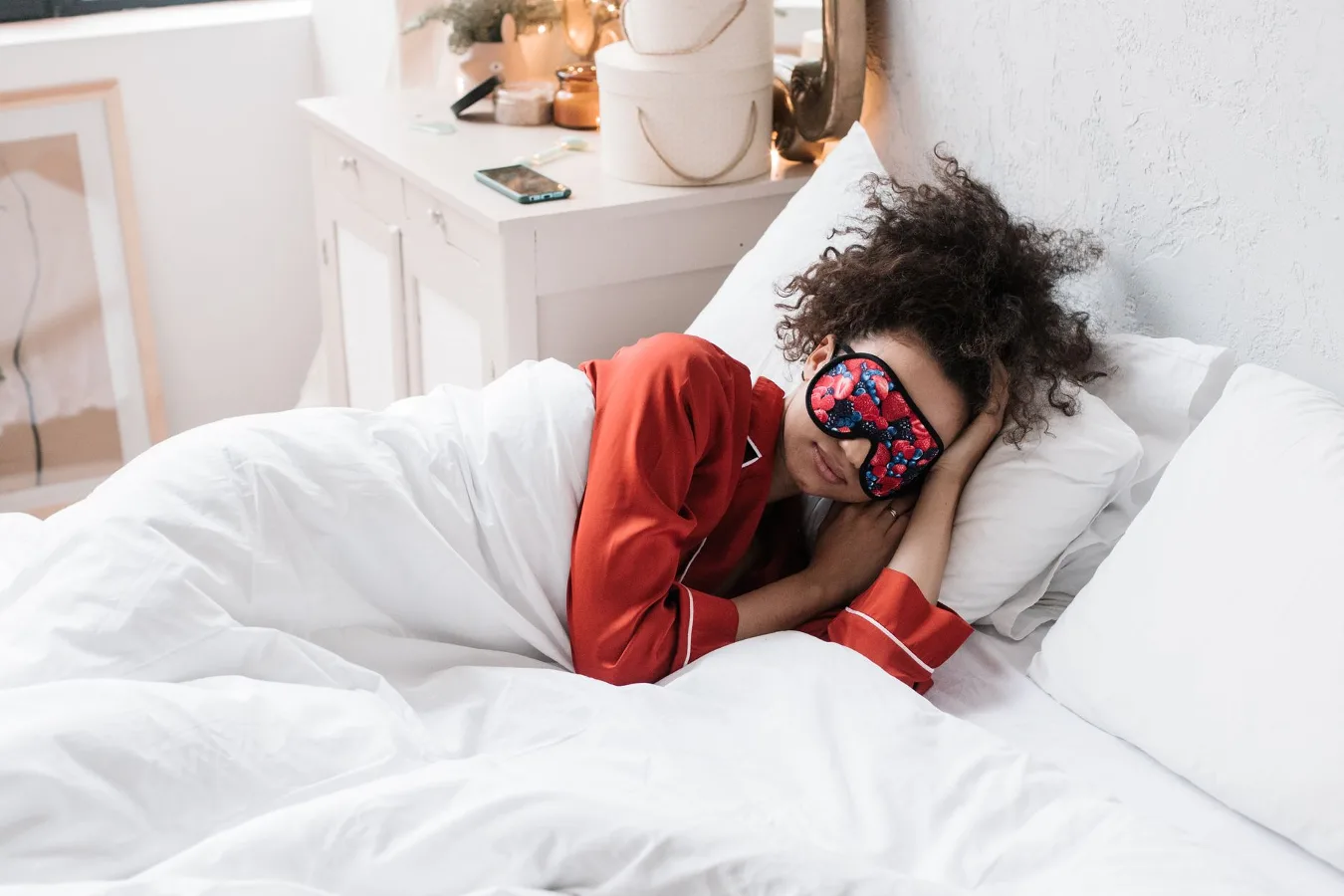
Who custom sleep masks are for
Custom sleep masks make the most sense when you want one product to do more than block light. They can support a brand, turn into a useful gift, or help create a more personal travel or bedtime routine. For buyers, the real question is not whether a mask can be customized, but whether customization adds value for the person who will actually wear it.
That value looks different depending on the use case. A spa may want a soft, polished mask that feels calm and giftable. A business may want a simple branded item that travels well and stays visible. A consumer shopping for themselves may care far more about fit, pressure around the eyes, or whether the material feels cool and breathable through the night.
If you are comparing options, the first step is to decide what the mask needs to accomplish. Some custom sleep masks are meant to be promotional merchandise. Others are designed as premium wellness accessories. A few are better suited to everyday sleep at home, where comfort matters more than appearance. The best choice depends on that context. materials that work best for sleep accessories offers more detail on this point.
The main trade-off: personalization versus sleep comfort
The most common mistake buyers make is assuming a more decorated mask is automatically better. In reality, customization can improve a sleep mask or make it less comfortable, depending on how it is done. A large printed logo, stiff stitching, or bulky decoration can interfere with the feel of the mask against the face. Even a well-designed custom mask needs to preserve the basics: effective light blocking, a comfortable fit, and materials that do not feel irritating after extended wear. choosing a comfortable sleep mask offers more detail on this point.
That trade-off matters most if the mask will be worn overnight. A design that looks polished in photos may still be a poor choice if it presses on the eyes, slides around during sleep, or traps heat. On the other hand, a simpler custom approach can be ideal if the goal is brand visibility without sacrificing usability.
Think of customization in layers. The mask shape, padding, strap style, and material affect comfort first. The imprint method, thread detail, packaging, and color treatment affect presentation second. Good buying decisions balance both.
Material choices that shape the experience
Material is usually the biggest factor in how a custom sleep mask feels and performs. Different fabrics and inner constructions change softness, breathability, temperature feel, and durability. The right pick depends on how the mask will be used.
Common material considerations
- Silk: Often chosen for a smooth, premium feel and a more delicate touch on skin and hair.
- Satin: Usually selected for a sleek look and accessible price point, though quality can vary widely by construction.
- Cotton: A familiar option that can feel breathable and practical, especially for casual or everyday use.
- Foam or padded interiors: Can improve light blocking and reduce pressure when shaped well.
- Polyester blends: Common in promotional products because they are easy to print and can be budget-friendly.
The outer fabric is only part of the story. The lining, padding, seam quality, and backing all affect comfort. A mask with a soft outer finish can still feel disappointing if the edges are rough or the elastic is too tight. For buyers focused on comfort, these small construction details matter as much as the headline material.
Breathability is another practical nuance. Some users prefer a cooler, lighter feel, especially if they sleep warm or use the mask while traveling. Others want a more cushioned, insulated feel that creates a darker, more enclosed experience. There is no single best material for everyone, which is why buyer intent should guide the choice.
Fit, strap style, and pressure points
Fit is one of the least glamorous parts of shopping for custom sleep masks, but it is often the difference between a product that gets used and one that gets tossed in a drawer. A mask that is too tight can create pressure at the temples or behind the ears. A mask that is too loose can shift during sleep and let in light.
When reviewing options, pay attention to strap style. Elastic straps are common because they are simple and adjustable enough for many users. Some masks use wider bands for a softer feel, while others use slimmer bands for a lighter profile. A strap that feels fine for a few minutes may still become noticeable overnight, especially for side sleepers.
The shape of the mask also matters. Flat masks are straightforward and often lighter, but molded or contoured designs may reduce pressure on the eye area and create more room for blinking. That can be helpful for some sleepers, though it may also change how compact the mask is for travel or packaging.
A useful rule is to think about who will wear the mask most often:
- Travelers often want compactness, reliable light blocking, and easy packing.
- Gift buyers usually value appearance, presentation, and a soft feel.
- Brand buyers may prioritize printable surfaces and a clean, recognizable look.
- Everyday sleepers usually care most about comfort, stability, and breathability.
Customization methods and what they mean
Not all custom sleep masks are personalized in the same way. The customization method affects appearance, durability, and how the product should be used. Buyers should match the method to the purpose instead of choosing purely by appearance. how branding affects wellness products offers more detail on this point.
Common customization approaches
- Printing: Useful for logos, patterns, and color-focused designs. It can work well for brand visibility, but the feel and durability depend on the printing process and fabric.
- Embroidery: Often creates a more elevated look, though it may add texture or stiffness in the decorated area.
- Woven labels or sewn tags: A subtle option that can support branding without covering the full surface.
- Monogramming: Popular for gifts and small-batch personalization, especially when a more personal finish is the goal.
One overlooked consideration is how the decoration affects the sleep surface. If a logo is placed where the mask touches the face, it can change the feel significantly. For comfort-focused buyers, decoration is usually best kept away from high-contact areas unless the product is specifically designed around that feature.
Another nuance is color reproduction. A design that looks strong on a screen may not translate exactly the same way on fabric. For brand use, ask how the artwork will appear on the chosen material and whether the background color supports clear visibility.
Buyer scenarios: which type fits which use case
The best custom sleep mask for a spa giveaway is not necessarily the best one for an airline amenity kit or a personal gift set. Thinking through the buyer scenario makes the choice much easier.
For brands and promotional campaigns
If the main goal is brand exposure, choose a mask with a clean branding area and a design that people will actually keep. A useful promotional item should feel comfortable enough to reuse. If the mask is flimsy or irritating, the branding may be seen only once, which limits its value.
For hospitality, spas, and wellness services
Presentation matters here. A custom sleep mask can support a calming, elevated experience, especially when paired with other wellness items. Soft materials, understated branding, and good packaging usually work better than loud graphics.
For gifts and retail-style personalization
Gift buyers often want a personal touch without making the item feel overly promotional. Monograms, names, or subtle color choices can work well. The product should still feel useful, not just decorative.
For travel and personal use
Comfort and packability usually come first. A lightweight mask that blocks light effectively and stays in place is more valuable than one with elaborate customization.
Common mistakes to avoid
Many custom sleep mask purchases go wrong for predictable reasons. Avoiding those mistakes usually leads to a better product and fewer regrets.
- Choosing decoration before comfort: A mask should still be wearable for a full night.
- Ignoring face shape and fit: One size may not feel the same on every sleeper.
- Overlooking strap comfort: A poor strap can ruin an otherwise good design.
- Assuming all soft fabrics feel the same: The finish, lining, and seams matter too.
- Using a busy design on a small surface: The mask may look cluttered instead of polished.
- Forgetting about intended use: A display-friendly gift product and a sleep-first product are not always the same item.
A particularly common misconception is that darker or thicker always means better. That is not necessarily true. Better light blocking can help, but too much thickness can add heat, weight, or pressure. The best mask is the one that balances coverage with wearability.
Practical quality checks before you order
Before committing to custom sleep masks, look closely at the details that are easy to miss in product photos. These checks help separate a thoughtful product from a purely decorative one.
- Edge finishing: Smooth seams are usually more comfortable and more durable.
- Padding level: Enough to block light, not so much that the mask feels bulky.
- Strap adjustment: Simple adjustability can improve fit across different users.
- Surface feel: The mask should feel pleasant against both skin and hairline.
- Decoration placement: Branding should not create a pressure point.
- Packaging: Important if the mask is being given as a gift or used in hospitality settings.
If you are ordering for a group, try to think beyond the sample image. A design that looks perfect on a flat mockup may behave differently once worn. Factors like seam placement, stretch, and the way the mask curves around the face are hard to judge from artwork alone.
How to compare options without overbuying
It is easy to over-spec a custom sleep mask. Buyers sometimes add premium materials, extra decoration, and elaborate packaging when the actual use case does not need all of that. A smarter approach is to match the product to the purpose and the audience.
If your priority is practicality, focus on comfort, durability, and clear branding. If your priority is gifting, focus on tactile quality and presentation. If the mask is meant to support a wellness message, choose details that reinforce calm and simplicity rather than visual complexity.
It also helps to think about lifecycle. Some custom masks are meant to be kept for years, while others are intended for short-term promotional use. A premium material may make sense for a retail-style gift, but a simpler construction may be more appropriate for high-volume distribution.
Alternatives worth considering
Custom sleep masks are not the only option for branded or personalized wellness items. Depending on your goal, another product may be a better fit.
- Personalized pillowcases: Better for home use and more visible in a bedroom setting.
- Travel pouches: Useful when you want branding with more practical everyday value.
- Lavender sachets or relaxation kits: Better for gift bundles focused on calming routines.
- Reusable earplugs or travel accessories: More functional for frequent travelers who need a broader sleep kit.
If your goal is brand recall, a sleep mask is strong because it is directly tied to rest and self-care. If your goal is broader utility, a different item may see more consistent use. The best choice depends on whether you want a highly visible wellness object or a more general-purpose accessory.
Next steps for choosing the right custom sleep mask
Start with the buyer scenario, then narrow the options by material, fit, and customization method. For most buyers, the right order is simple: decide who will use the mask, decide what experience you want that person to have, and only then choose the design details.
If you are buying for a brand or event, ask whether the mask should feel premium, practical, or promotional. If you are buying for yourself or as a gift, focus on comfort first and decoration second. In both cases, the best custom sleep mask is the one that feels easy to wear, supports the intended use, and still looks good after the novelty wears off.
That is the real test. A good custom sleep mask should not need constant explanation. It should make sense at a glance, feel comfortable in use, and fit the purpose without unnecessary trade-offs.
FAQ
What makes a custom sleep mask worth buying?
A custom sleep mask is worth buying when personalization adds something useful, such as brand visibility, gifting value, or a more polished wellness presentation. It should still be comfortable enough to wear regularly.
Which material is best for custom sleep masks?
There is no universal best material. Silk and satin are often chosen for a smoother feel, cotton can be practical, and polyester blends are common for promotional use. The right choice depends on comfort, presentation, and budget goals.
Do custom sleep masks work for side sleepers?
They can, but fit matters. Side sleepers may prefer slimmer straps, smoother edges, and a profile that does not create pressure at the temples or around the eyes.
What is the biggest mistake buyers make?
The most common mistake is focusing on decoration while ignoring comfort. A custom mask should still block light well and feel wearable for the full time someone is sleeping.
Are custom sleep masks good for business gifts?
Yes, if the design is tasteful and the quality is high enough that recipients will keep and use it. A practical, comfortable mask usually performs better than one that is overly branded or visually busy.
