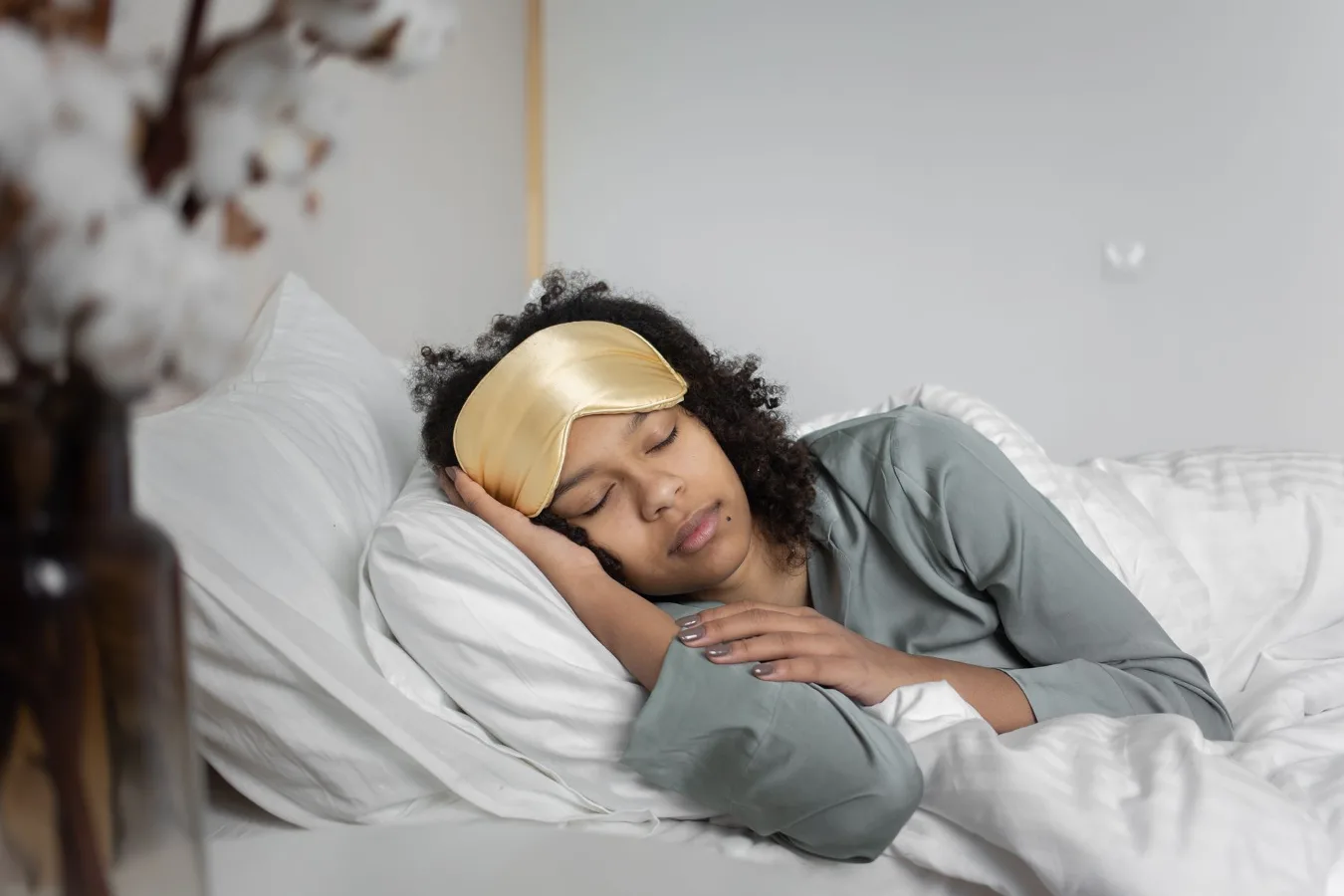
What a BIA sleep mask is meant to do
If you are looking at a BIA sleep mask, the main question is usually simple: will it make sleep more comfortable and block enough light to matter? For most shoppers, the answer depends less on the brand name alone and more on the mask’s fit, material, shape, and how it behaves during an ordinary night.
A good sleep mask is not just a piece of fabric over the eyes. It is a small comfort tool that can help reduce early morning light, support a more consistent bedtime routine, and make naps or travel sleep feel less interrupted. That said, a mask that feels great in theory may still be frustrating if it presses on the eyes, slips around, traps heat, or does not work well with your sleep position.
This guide focuses on the practical side of choosing a BIA sleep mask: what matters, what does not, and how to judge whether it fits your needs.
The factors that matter most
Fit and adjustability
Fit is the first thing to consider because even a well-made sleep mask can become annoying if it shifts during the night. A secure but gentle fit matters especially if you move around in your sleep, sleep on your side, or want to use the mask for travel.
Look for details such as an adjustable strap, a low-bulk design around the head, and a shape that stays in place without needing to be pulled tight. Too much pressure can leave marks, create discomfort around the temples, or make the mask feel distracting rather than calming.
One common misconception is that tighter automatically means better light blocking. In practice, a better-shaped mask often blocks light more effectively than a tight strap alone.
Light blocking
For many people, light blocking is the entire reason to buy a sleep mask. If your room gets early sunlight, if you share a space with another person using a lamp, or if you travel frequently, a mask that seals out ambient light can make a noticeable difference in comfort.
What matters here is not only darkness at the eye area but also coverage around the nose bridge and sides of the face. Gaps near the nose are a frequent reason sleep masks underperform. Some designs use a contoured shape to create space around the eyes while still limiting stray light. Others rely on a flatter profile that may work well for some faces and poorly for others.
Think of light blocking as a fit problem as much as a material problem. A soft, well-shaped mask usually does more than a thick one that does not sit properly.
Material and skin feel
The face and eye area are sensitive, so material choice matters more than many buyers expect. A mask that feels smooth in the hand may still feel warm, rough, or irritating after a full night. choosing the right eye mask material offers more detail on this point.
Common priorities include softness, breathability, and whether the surface feels comfortable against the skin. If you tend to sleep hot, a breathable fabric is worth more than a plush feel that traps heat. If you are sensitive to textures, a smoother finish may be easier to live with than a padded style.
Another overlooked detail is how the material interacts with skincare. A mask that absorbs products easily may need more frequent washing, while a slicker surface may feel cleaner but less cozy. The right choice depends on whether you value a plush, hotel-like feel or a cooler, lower-maintenance option.
Shape and eye clearance
There are two broad styles to think about: flat masks and contoured masks. Flat masks are simple and often compact. Contoured masks create space around the eyes, which can help reduce pressure on the eyelids and lashes.
Eye clearance is particularly helpful if you dislike anything touching your eyes or if you want a mask that feels less compressed. It can also be useful for people who are sensitive to pressure while sleeping. On the other hand, contoured designs may take up more space, look bulkier, or fit differently under blankets and travel pillows.
If you have worn masks that felt claustrophobic or pressed too hard, eye clearance is worth paying attention to before any other feature.
How to judge whether it fits your routine
Side sleepers, back sleepers, and mixed sleepers
Your sleep position changes how a mask behaves. Side sleepers often need a lower-profile design so the mask does not feel bulky against the pillow. Back sleepers may have more flexibility and can often use a wider variety of shapes. Mixed sleepers usually benefit from a lightweight mask that stays stable without constant adjustment.
If you move a lot at night, a mask that seems perfect while you are awake may still be a poor fit after a few hours. A slightly more secure strap, a smoother edge, or a mask that sits closer to the face can help with this.
Home use versus travel use
For home use, comfort usually matters most. For travel, portability and packability become more important. A travel sleep mask should be easy to store, quick to put on, and comfortable enough to wear in awkward seating positions.
Frequent travelers may also care more about how the mask handles changing environments. On a plane, for example, a mask that stays put and blocks cabin light without constant adjustments is usually more useful than a bulky option that feels luxurious but takes up space. care tips for reusable wellness accessories offers more detail on this point.
If you want one mask for both settings, aim for the middle ground: compact, adjustable, and soft enough for repeated use.
Nighttime comfort and heat
Heat buildup is a real issue with some sleep masks, even though it gets overlooked in product listings. A mask that feels pleasant for ten minutes can become irritating over several hours if it traps warmth around the eyes or forehead.
If you sleep warm, prioritize breathability and avoid overly dense padding unless the rest of the design is clearly ventilated or very lightweight. If you sleep in a cool room and prefer a more cushioned feel, a slightly softer mask may be worth the trade-off.
Practical ways to choose the right one
Start with your biggest sleep annoyance
Instead of trying to find the “best” sleep mask in the abstract, start with the issue you want to solve. If your main problem is sunrise light, focus on coverage and nose fit. If discomfort is the problem, focus on softness, shape, and strap design. If you travel often, focus on compactness and ease of use. best sleep accessories for light control offers more detail on this point.
This approach prevents one common mistake: buying the most feature-rich option when a simpler design would work better. Extra padding, built-in earbuds, cooling features, or premium-looking materials are not always improvements if they interfere with comfort.
Pay attention to the nose area
The nose bridge can determine whether a mask feels like it truly blocks light or merely covers the eyes. Many masks look similar from the front but differ a lot in this small area. A better seal near the nose can make a modest mask feel far more effective.
If a product description includes a shaped nose contour, that may be more useful than broad claims about “total blackout.” The fit around the nose is one of the clearest real-world differences between decent and disappointing masks.
Think about strap design
Straps are not glamorous, but they affect comfort every night. A strap that is too narrow can dig in, while one that is too loose can let the mask drift. Some designs use elastic, some use adjustable closures, and some use broader bands that spread pressure more evenly.
For long wear, a smoother strap design often matters more than decorative details. If you are sensitive to tension around your head, choose adjustability over novelty.
Consider maintenance before you buy
Sleep masks need care, especially if they touch skincare products, sweat, or hair products. Before choosing one, think about how easy it is to wash, how quickly it dries, and whether the materials seem likely to hold their shape.
A mask that is difficult to clean may become less appealing over time, even if it feels good initially. If you plan to use it nightly, low-maintenance care is not a minor detail; it is part of long-term comfort.
Where a BIA sleep mask may fall short
No sleep mask solves every problem. A BIA sleep mask may help with light blocking and bedtime comfort, but it will not fix noise, temperature issues, stress, or inconsistent sleep habits. That matters because many shoppers expect one accessory to do more than it reasonably can.
Another limitation is personal fit. Face shape, nose height, head size, hair volume, and sleep position all affect comfort. A design that works beautifully for one person may feel awkward for another. That is not a flaw unique to one product; it is simply how sleep masks work.
Also, if you are highly sensitive to pressure around the eyes, even a soft mask may still feel intrusive. In that case, a contoured style or a lighter, less structured option may be better.
Alternatives worth considering
If a standard sleep mask does not seem like the right answer, there are a few practical alternatives.
- Contoured sleep masks: Better if you want space around the eyes and less direct pressure.
- Blackout curtains: Useful if the real issue is a bright room rather than a need for portable light blocking.
- Travel pillows and eye shades: Helpful for flights and train rides where neck support matters too.
- Bedtime light control: Dimming lamps, reducing screen brightness, or changing room lighting can sometimes solve the problem without a mask.
For many people, the best solution is a combination: a decent sleep mask plus a darker room and a calmer pre-sleep routine.
How to decide if a BIA sleep mask is the right fit
Choose a BIA sleep mask if your priorities are straightforward: better light blocking, a comfortable nighttime accessory, and a simple way to improve sleep conditions without changing your entire setup. It is especially worth considering if you travel, sleep in a shared room, wake up easily from early light, or prefer a small and portable wellness item.
Skip it or look at alternatives if you are very sensitive to pressure, dislike anything on your face, or need a solution for problems that are not light-related. In that case, the better purchase may be a room-darkening upgrade, a contoured design, or a different sleep aid entirely.
The most useful question is not whether a sleep mask sounds good in general. It is whether this particular style matches your sleep position, comfort preferences, and lighting conditions. If those three things line up, a BIA sleep mask can be a practical, low-effort addition to your nightly routine.
