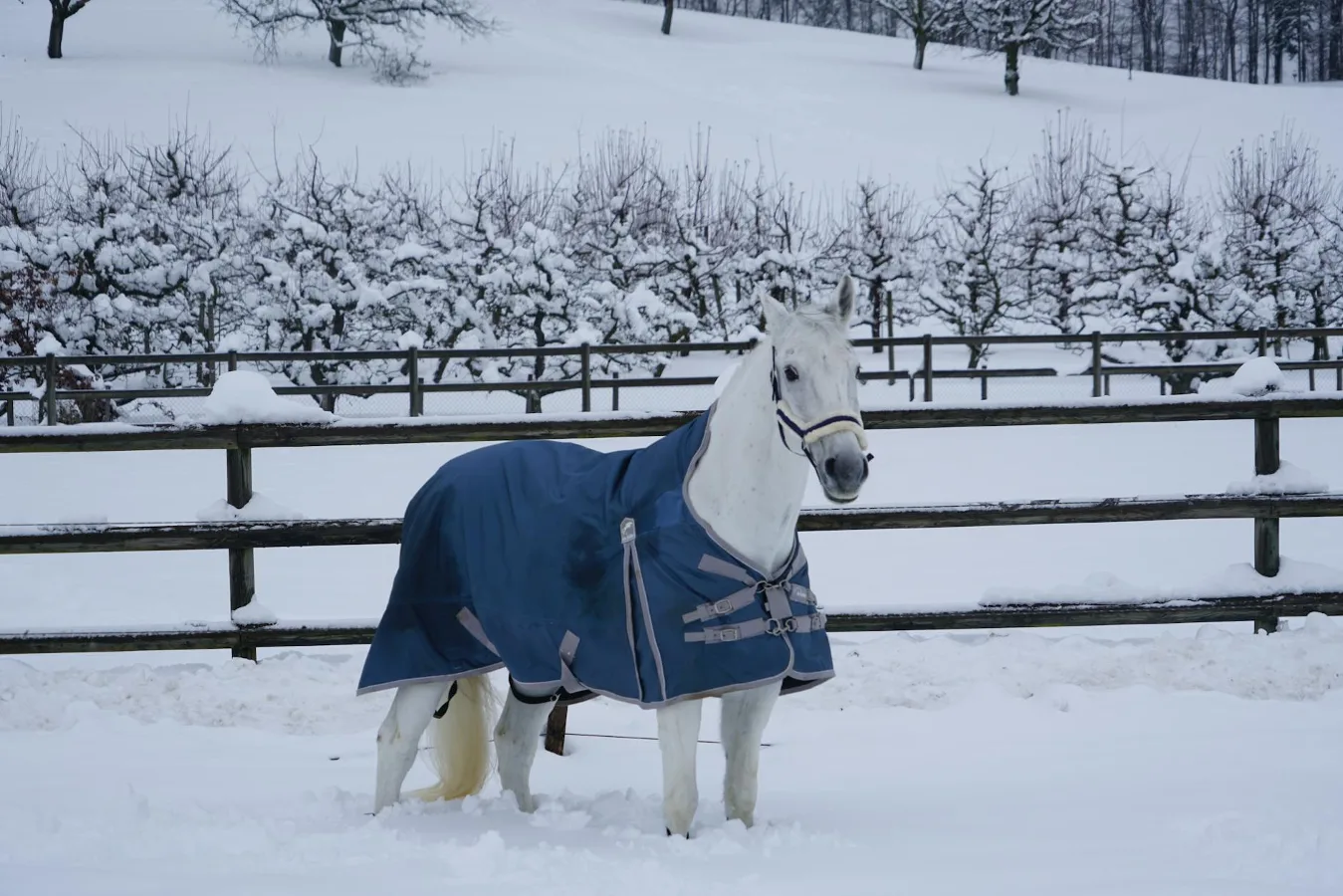
A heavy weight horse blanket is best understood as a winter solution for horses that need substantial insulation in cold weather, especially during turnout or in drafty barns. It is not the default choice for every horse, and that matters: the right blanket depends on temperature, wind, precipitation, the horse’s body condition, coat, and how much time the horse spends outside. custom weighted blanket offers more detail on this point.
If you are deciding whether a heavy weight option is appropriate, think of it as the end of the blanketing spectrum. It offers more warmth than a sheet or midweight blanket, but it can also create problems if the horse is already warm, lives in a sheltered stable, or has a dense natural coat. Choosing well is less about buying the warmest blanket and more about matching protection to conditions.
When a heavy weight horse blanket makes sense
A heavy weight horse blanket is most useful when sustained cold exposure is part of the routine. That often means horses that are clipped, thin-skinned, elderly, underweight, recovering from weather stress, or turned out in cold, windy, wet conditions. Horses with limited shelter may also benefit more than horses with access to a well-bedded stable or run-in shed.
The key question is not simply whether the weather feels cold to you. It is whether your horse can maintain comfort and body condition without working harder to stay warm than is practical. Horses with a full winter coat can often tolerate more cold than people expect, while clipped horses lose insulation and may need more help sooner. LED Diffuser: A Practical Wellness Guide offers more detail on this point.
Another clue is daily routine. If your horse is blanketed only for turnout and brought in to a warm barn later, the blanket should support that short exposure. If it is worn for long hours, breathability and fit become even more important because trapped heat and friction can matter as much as warmth.
What “heavy weight” usually means in practice
Brands do not always define heavy weight the same way, which is one reason blanket shopping can feel inconsistent. In general, the label points to a higher level of insulation than light or medium blankets, often intended for colder weather rather than transitional seasons. The exact warmth depends on fill, outer fabric, liner, cut, and whether the blanket is meant for turnout or stable use.
That means the phrase itself should be treated as a category, not a guarantee. Two blankets both described as heavy weight may behave differently once you factor in fit, shoulder gussets, neck coverage, and fabric quality. A poorly fitted blanket with a thick fill can still be less comfortable than a well-designed midweight blanket.
Step-by-step criteria for choosing the right one
1. Start with the horse, not the label
Before comparing products, assess the horse’s actual needs. Consider body condition, age, workload, clipping status, coat thickness, and whether the horse tends to run cold or stay comfortably warm. A horse that is clipped for work usually has different blanketing needs from a pasture horse with a natural coat.
It also helps to account for how your horse behaves in cold weather. Some horses remain active and generate body heat efficiently. Others stand still more, lose weight more easily, or seem stiff and uncomfortable in winter weather. Those differences often matter more than blanket marketing language. how to measure your horse for a blanket offers more detail on this point.
2. Match the blanket to the environment
Heavy insulation is only one part of the equation. If the blanket is for turnout, it should also handle moisture, wind, and movement. That usually means looking for a turnout design rather than a stable blanket, since stable blankets are not built for the same outdoor conditions.
Think through the full environment: dry cold, wet cold, wind exposure, mud, snow, and shelter access. A horse in a dry barn aisle is not in the same situation as a horse in an open paddock. The more exposed the horse is, the more important waterproofing, secure closures, and durability become.
3. Check fit before warmth
Fit is one of the most overlooked parts of blanket selection. A blanket that is too tight can rub at the shoulders, withers, chest, or hindquarters. A blanket that is too loose can shift, gape, or snag. Either problem can reduce comfort and make a heavy blanket less effective than it should be.
Pay attention to shoulder freedom, neck opening, chest closure, belly coverage, and length along the body. Horses with prominent withers, broad chests, or sloping shoulders can need a different cut than a more average build. The right fit should allow movement without excess sliding.
4. Understand fill and fabric trade-offs
More fill generally means more warmth, but also more bulk. That can be helpful in very cold conditions and less ideal if the horse is active, prone to sweating, or sensitive to restriction. Outer shell materials matter too, because a tough exterior can resist wear in turnout, while a lighter shell may be more comfortable indoors.
Breathability is easy to underestimate. A heavy blanket that traps moisture can leave a horse damp under the insulation, which defeats part of the purpose. For horses moving between indoors and outdoors, a balance of warmth and moisture management is more useful than maximum insulation alone.
5. Think about hardware and closures
Closures, surcingles, leg straps, and chest adjustments affect both comfort and security. Hardware should be sturdy enough for turnout conditions, but not so bulky that it creates pressure points. This matters especially on a heavy blanket, where extra weight and thickness can amplify poor design.
If the horse rolls often or moves with force in turnout, dependable closures are not a minor detail. They are part of keeping the blanket in place and reducing the chance of twisting, shifting, or rubbing.
Common misconceptions that lead to poor choices
Heavier is always better. Not necessarily. If a horse gets too warm, the blanket can cause sweating, discomfort, or moisture buildup. A horse that is warm and damp can cool down uncomfortably once activity stops.
One blanket works for every winter day. Weather changes, and horse conditions change too. A heavy blanket may be appropriate during deep cold, but too much on milder days. Some owners do better with multiple blanket weights rather than one oversized solution.
A thick blanket can replace fit. It cannot. A heavy blanket that does not fit well can create more problems than a lighter one that sits correctly.
Waterproof means warm. Waterproofing helps with wet conditions, but it does not automatically mean the blanket is insulated well enough for cold weather. Warmth and weather protection are related, not identical.
Examples of situations where a heavy weight blanket is a good fit
A clipped horse in regular turnout during cold, windy weather is one of the clearest use cases. Without a natural coat, that horse may benefit from stronger insulation, especially if the cold is persistent rather than brief.
An older horse that loses condition in winter may also need more protection, particularly if it lives outdoors part of the day. In that case, comfort and body condition support often matter as much as warmth itself.
A horse in a drafty barn with limited shelter can also be a candidate, especially if bedding is minimal or the barn stays cold through the night. Here, a stable blanket or heavy turnout blanket may be appropriate depending on whether the horse is indoors or outside.
On the other hand, a healthy, unclipped horse with a dense coat and access to shelter may not need a heavy weight blanket at all. For that horse, blanketing too early can be more of a management habit than a welfare benefit.
Alternatives worth considering before you buy
If you are unsure about going straight to a heavy weight horse blanket, consider whether a lighter option would handle most of your needs. A turnout sheet can be enough for wind and rain without adding unnecessary insulation. A midweight blanket may be a better balance for horses that need warmth but not maximum fill.
Layering can also be useful in some settings, but only if the blanket system is designed for it and the horse tolerates it well. Layering is not automatically better; it can add bulk, complicate fit, and increase rubbing if the pieces move against each other.
For horses that run hot or live in variable conditions, flexibility is often more valuable than a single heavy blanket. Seasonal adjustment is usually smarter than assuming one blanket will solve every temperature shift.
Maintenance and care considerations
A heavy weight blanket needs routine checks, not just seasonal storage. Look for broken stitching, damaged closures, worn lining, and spots where dirt or sweat can build up. Even small fit changes can become more noticeable once the horse wears the blanket for long periods.
Cleaning matters too. Mud, sweat, and hair can affect both comfort and the blanket’s performance over time. A dirty blanket can feel heavier, hold moisture poorly, and contribute to rubbing. Follow the care instructions for the specific material and remember that washing or reproofing may be needed to preserve waterproof performance on turnout styles.
Storage also deserves attention. A damp or improperly stored blanket can develop odors, wear unevenly, or lose its shape. Drying fully before storage is a simple but important habit.
Quick checklist before you choose
- Does the horse actually need heavy insulation, or would a lighter blanket be enough?
- Is the blanket for turnout, stable use, or both?
- Will the horse be clipped, in full coat, or somewhere in between?
- Does the fit allow shoulder movement without shifting?
- Does the environment require waterproofing, breathability, or both?
- Are the closures and straps suitable for regular use?
- Is there shelter available in the paddock or barn?
- Will you need flexibility for changing temperatures?
How to avoid the most common buying mistakes
One common mistake is shopping by temperature alone and ignoring the horse’s condition. Two horses in the same barn may need different blanket weights because of clipping, age, or body type. Another is buying for the coldest possible day instead of the most frequent conditions. That usually leads to overheating on more typical winter days.
A second mistake is underestimating fit issues in broad or narrow horses. A blanket that looks right on paper can still create pressure points once the horse moves, lies down, or rolls. This is where shape and adjustment options matter as much as insulation.
A third mistake is treating the blanket as a substitute for management. Shelter, bedding, nutrition, hydration, and grooming all affect winter comfort. The best blanket supports those basics; it does not replace them.
What to look for on the product page
When comparing a heavy weight horse blanket, focus on practical details rather than broad claims. Look for whether it is designed as turnout or stable wear, the type of fastening system, the general cut, and whether the shell is described as waterproof and breathable if it will be used outdoors. Those details tell you more than a generic warmth label.
Also pay attention to sizing guidance, return policies, and compatibility with liners or neck covers if those features matter to you. A blanket that can be adjusted or layered may offer more long-term value than one that only works in a narrow weather window.
The decision in one sentence
Choose a heavy weight horse blanket only when your horse’s coat, condition, workload, and environment truly call for substantial winter insulation, and prioritize fit and weather suitability before chasing maximum warmth.
Final checklist for buyers
- Match the blanket to the horse’s actual winter needs
- Prefer proper fit over extra fill
- Choose turnout or stable construction based on use
- Check waterproofing and breathability if the horse is outdoors
- Make sure hardware and closures are secure and comfortable
- Plan for changing weather rather than one fixed temperature range
- Inspect, clean, and store the blanket properly to extend usable life
