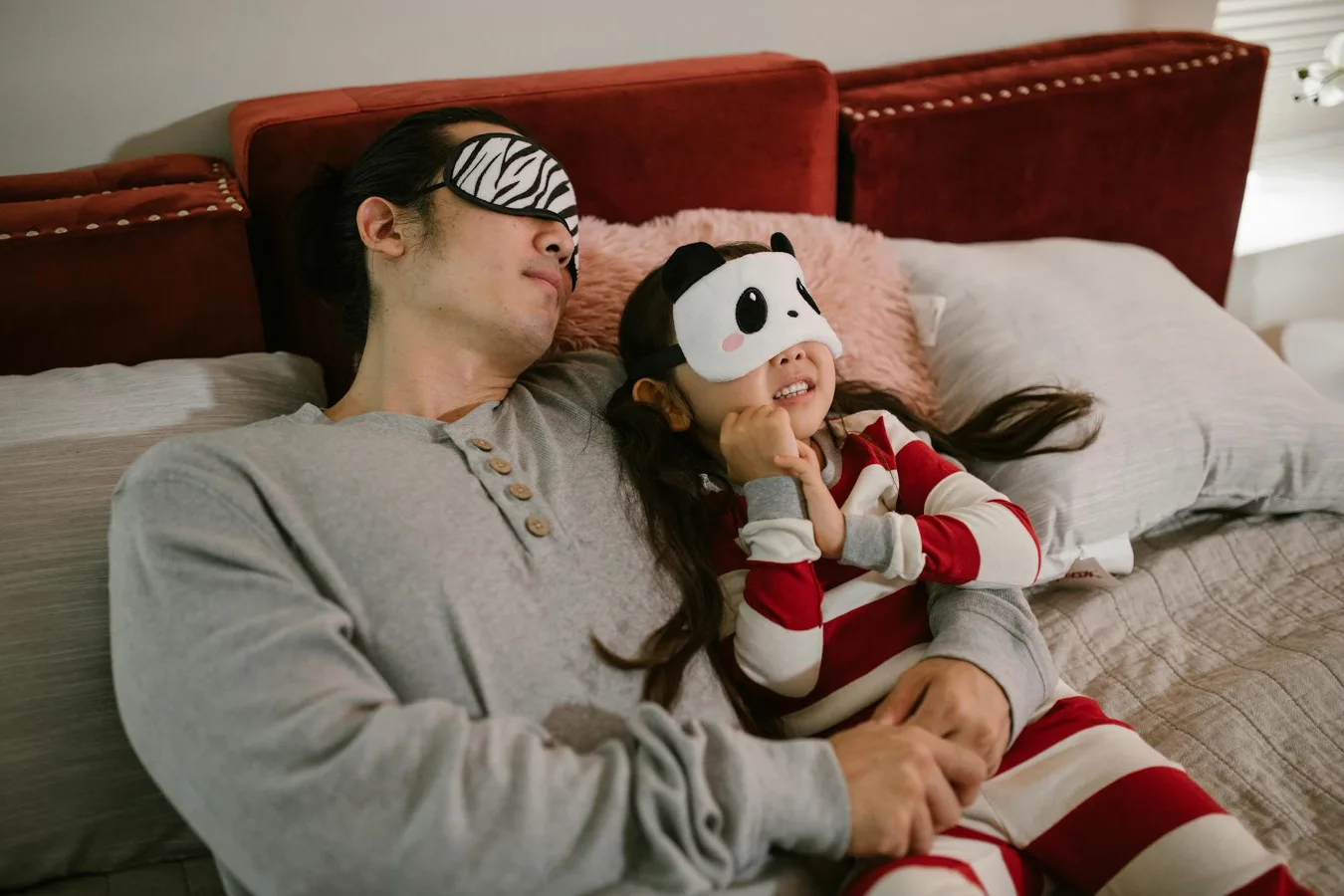
Why a customizable sleep mask matters
A customizable sleep mask makes sense when a standard eye mask does not fit your face comfortably or does not block enough light. The goal is not novelty; it is fit. A mask that can be adjusted, shaped, or configured to your face is often more useful for light-sensitive sleepers, travelers, side sleepers, and anyone whose bedtime routine depends on darkness. travel-friendly wellness essentials offers more detail on this point. Sleep Eye Mask with Eyelashes: Buyer Guide offers more detail on this point.
The word customizable can mean several things. It may refer to adjustable straps, removable or replaceable parts, a contoured shape, different fabric options, or features that let the mask sit more precisely around the nose, eyes, and temples. Some masks are customizable in a practical sense rather than a decorative one: they are designed to improve comfort, reduce light leakage, or avoid pressure on the eyelids.
That distinction matters. A customizable sleep mask is not automatically better than a well-made simple one. The right choice depends on how you sleep, how sensitive you are to light, and whether you need a mask for nightly use, travel, naps, or shift-work rest.
What customization usually means
Before comparing products, it helps to understand the most common forms of customization. These features affect fit and comfort more than appearance.
- Adjustable straps: Let you loosen or tighten the mask for a secure fit without digging into the head.
- Shape customization: Some masks use contoured cups or flexible materials that adapt to facial structure.
- Nose bridge fit: A molded or adjustable nose area can help reduce light leaking from below the eyes.
- Fabric choice: Some versions offer different covers or materials for people who want a cooler, softer, or more breathable feel.
- Padding or structure: Extra structure can keep the mask away from the eyelids, which some sleepers prefer.
- Removable parts: Washable covers, inserts, or strap components make maintenance easier and may extend the mask’s useful life.
Not every product uses all of these features. In fact, part of the buying challenge is deciding which kind of customization solves your actual problem.
When a customizable sleep mask is worth it
A customizable sleep mask is especially useful in a few situations. If any of these sound familiar, a more adaptable design may be worth prioritizing.
You struggle with light leakage
If light creeps in around the nose or temples, a basic flat mask may never feel fully effective. A customizable option with a better nose fit, a wider coverage area, or a more structured edge can help create a more consistent dark environment.
You wear a mask for long stretches
Short naps are one thing. Wearing a mask through a full night is another. Longer wear makes pressure points, heat buildup, and strap irritation more noticeable, so adjustability becomes more important.
You sleep on your side
Side sleepers often need a mask that stays put without feeling bulky against the pillow. A slimmer profile, softer strap, or contoured design can make a large difference here. Flat masks can bunch, shift, or press into the face.
You are sensitive to pressure near the eyes
Some people dislike any contact over the eyelids. For them, a mask with raised eye cups or a pressure-relief design may be more comfortable than a fully flat mask that rests directly on the eyes.
You travel frequently
Travel changes sleep conditions fast. Cabin light, unfamiliar rooms, and disrupted routines can all make mask comfort more important. A customizable design can be easier to adapt across different environments, from airplanes to hotels.
You have an unusual fit challenge
Faces vary more than many product pages suggest. If standard masks ride up, slide off, or leave gaps, customization can be the difference between a helpful sleep accessory and one that stays in a drawer.
Step-by-step criteria for choosing the right one
A good buying decision starts with your sleep problem, not the product feature list. Use this order when comparing options.
1. Identify the main problem
Ask what you want the mask to fix. Is it light blocking, pressure relief, staying in place, or easier travel use? The main issue should determine the design you pick. A mask chosen for style alone often disappoints in real use.
2. Decide whether you need structure
Flat masks are simple and compact. Contoured masks create space around the eyes and may feel better if you dislike fabric touching your eyelids. The trade-off is that structured masks can feel bulkier and may not pack as small.
3. Look closely at the strap system
Straps often determine whether a mask feels customized or generic. An adjustable strap can be helpful, but the material and placement matter too. A strap that is adjustable on paper may still slip if it is too smooth, too stretchy, or positioned poorly.
4. Check the nose area
The nose bridge is one of the most overlooked parts of a sleep mask. Many light leaks come from this area, not from the sides. If darkness is your priority, this detail deserves attention. A more adaptive nose fit can matter more than extra padding elsewhere.
5. Consider breathability and temperature
Comfort can change depending on room temperature and your skin sensitivity. Softer fabrics may feel better, but some trap heat more easily than others. If you sleep warm, choose materials and construction that do not feel overly dense.
6. Think about maintenance
A customizable sleep mask is only helpful if you can keep it clean. Check whether the cover is washable, whether the materials are delicate, and whether the adjustable parts are easy to maintain. For frequent use, easy care is a real advantage.
7. Match the mask to how you sleep
Someone who uses a mask for plane naps has different needs than someone who wears one all night beside a bedside fan and blackout curtains. Try to match the product to the actual setting, not the idealized one.
Examples of customization styles and who they suit
Different customization styles serve different sleep needs. These examples can help narrow your search.
- Adjustable flat mask: Best for people who want a simple feel with a better strap fit.
- Contoured mask: Useful if you want less fabric against the eyes and more room for blinking.
- Nose-adjustable design: Helpful for reducing light gaps around the bridge of the nose.
- Wraparound or wide-coverage mask: Better for travelers or light-sensitive sleepers who want more coverage.
- Fabric-selectable or cover-change design: Good for people who care about feel, care routines, or seasonal comfort.
The key is to avoid assuming that more features equal better performance. Sometimes the best option is the simplest one that solves your one main problem without adding bulk.
Common mistakes shoppers make
Many buyers focus on features that look impressive but do not matter much in daily use. These mistakes can lead to disappointment.
- Choosing by appearance alone: A stylish mask may still slip, leak light, or feel too warm.
- Ignoring the nose bridge: This is a common cause of poor light blocking.
- Overvaluing extra padding: More padding does not always mean more comfort, especially for side sleepers.
- Assuming adjustable means comfortable: A strap can be adjustable and still feel scratchy, tight, or unstable.
- Forgetting about care: If a mask is hard to clean, it may not stay in regular rotation.
- Buying too bulky for travel: A highly structured design may work at home but be inconvenient in a carry-on.
A useful rule: prioritize the feature that solves your biggest problem and be cautious of extras that add complexity without improving sleep.
Balanced pros and limitations
Customizable sleep masks have clear strengths, but they are not the right answer for everyone.
Pros: Better fit, improved light blocking, more comfort for unusual face shapes, more options for side sleepers, and a greater chance of finding a mask you will actually wear consistently.
Limitations: Some customizable designs are bulkier, may take longer to adjust, can cost more than basic masks, and may have more parts to clean or replace. A more complex design can also introduce new pressure points if the fit is not right.
There is also a common misconception that the most expensive mask will automatically be the most comfortable. Comfort is highly personal. What works well for one sleeper may feel awkward for another, even if both masks are marketed as premium.
Alternatives if a customizable mask is not the right fit
If you are unsure about a customizable sleep mask, there are practical alternatives worth considering.
- Simple adjustable eye mask: Good if you only need a small fit improvement.
- Blackout curtains or shades: Better for home use when light control in the room is the main issue.
- Earplugs or white noise: Helpful if your sleep problem is not just light.
- Travel pillow and blanket setup: Useful for travel comfort, though it will not replace light blocking.
- Contoured or pressure-free mask: A middle ground if you want comfort without full customization.
These alternatives can also work alongside a sleep mask. For example, a room-darkening setup may let you choose a simpler mask, which can improve comfort and reduce bulk. how to choose a sleep mask for comfort offers more detail on this point.
Quick checklist before you buy
Use this checklist to compare options without getting distracted by marketing language.
- Does it solve your main sleep problem: light leakage, pressure, or fit?
- Will the strap stay comfortable for your usual sleep position?
- Does the nose area look shaped to reduce gaps?
- Is the mask flat or contoured, and which do you actually prefer?
- Will the material feel comfortable in your room temperature?
- Can you clean it easily and often enough?
- Is it compact enough for travel if you plan to pack it?
- Does the design seem likely to stay in place overnight?
If a product checks most of these boxes, it is probably a better candidate than one that merely looks premium.
FAQ
What makes a sleep mask customizable?
It usually means the mask can be adjusted or configured in some way, such as through strap length, shape, nose fit, fabric choice, or removable parts.
Is a contoured sleep mask better than a flat one?
Not always. Contoured masks help if you dislike pressure on the eyes, but flat masks can feel lighter and more packable. The better choice depends on your comfort preference and how you sleep.
How do I know if I need better light blocking?
If you wake easily from small amounts of light or notice gaps around the nose and cheeks, a more structured or better-fitted mask may help.
Are customizable sleep masks good for side sleepers?
They can be, especially if the mask is slim, stable, and adjustable. Bulky designs may shift or press into the pillow.
What should I prioritize first: comfort or blackout performance?
For most people, comfort comes first because a mask that feels good is more likely to be worn consistently. If you are highly light-sensitive, blackout performance may deserve equal weight.
