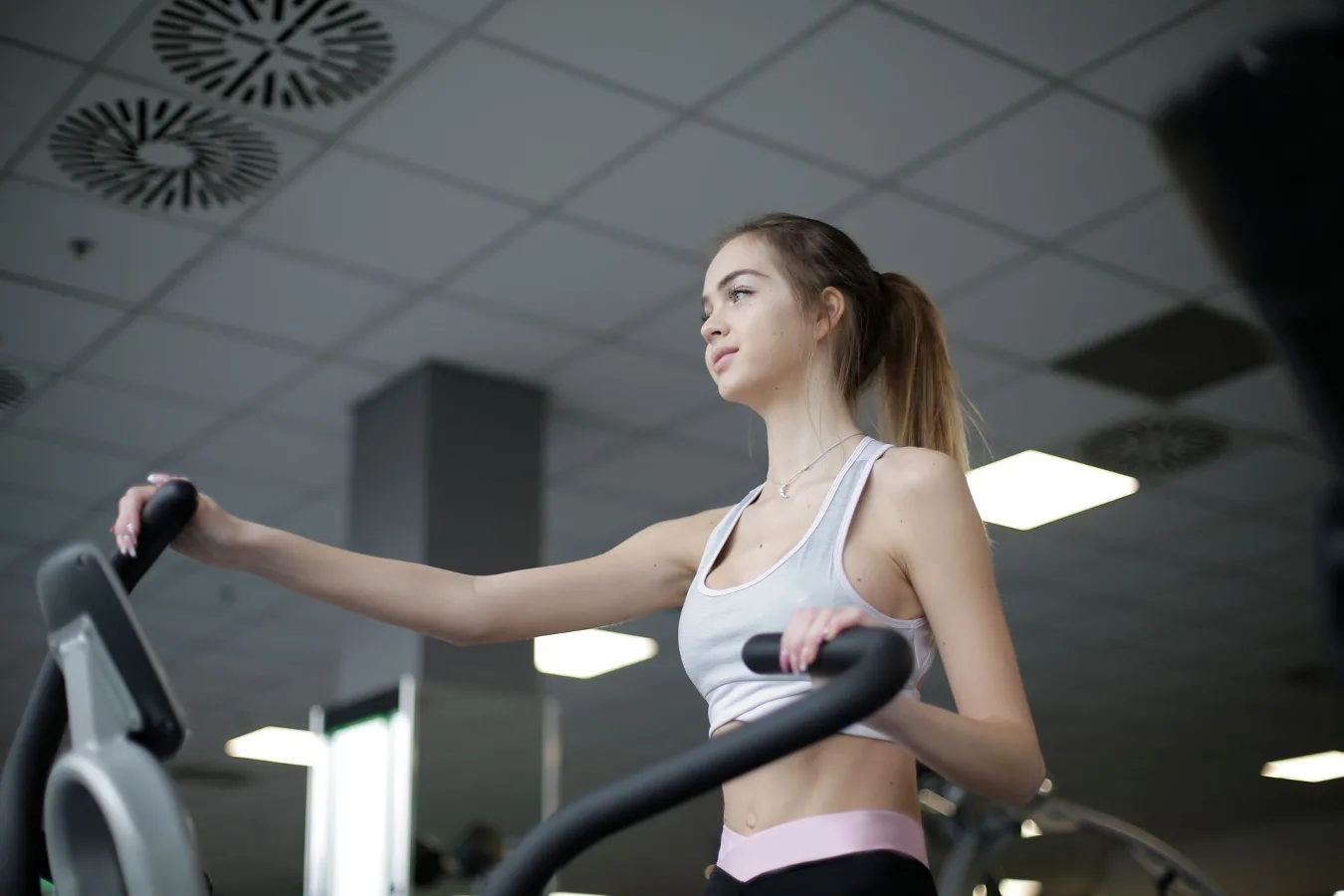
Stepper vs walking pad: the short answer
If you want a quick way to decide, choose a stepper if you want a more concentrated lower-body workout in a very small footprint, and choose a walking pad if you want a more natural walking motion that can fit into work, reading, or TV time. The stepper usually feels more like exercise the moment you start. The walking pad usually feels easier to sustain for longer sessions. walking pad buying considerations offers more detail on this point. bestgod walking pad offers more detail on this point. Abonow Walking Pad Buying Guide offers more detail on this point.
That difference matters. These two machines overlap as compact home cardio tools, but they serve different needs. A stepper emphasizes stepping resistance and repeated climbing motion. A walking pad is built for steady walking, often at a desk or in front of a screen. If your goal is to move more during the day without disrupting your routine, the walking pad often fits better. If your goal is to make a short workout feel more intense, the stepper can be the stronger match.
The core difference in how they work
A stepper creates an up-and-down movement that mimics climbing stairs or stepping in place. Depending on the model, it may use hydraulic resistance, adjustable tension, or simple body-weight-supported motion. The main appeal is that it concentrates effort into the legs and glutes while keeping the machine compact.
A walking pad is a slim treadmill designed for walking, not running. Most are used at lower speeds and are valued for their ability to make walking more convenient indoors. Many people use them under a standing desk, near a desk setup, or in a living room where a full treadmill would be too bulky.
So although both are compact cardio options, they are not interchangeable. A stepper is closer to a mini stair-climbing workout. A walking pad is closer to a walk-anywhere treadmill alternative.
Key factors that matter most
1. Workout style
This is the biggest difference. If you like movement that feels rhythmic, repetitive, and a little more workout-like, a stepper may suit you. If you prefer something that feels more natural and less demanding on your attention, a walking pad is usually easier to live with.
Walkers, remote workers, and people who want to stay active during meetings or screen time often gravitate to walking pads. People who want a short burst of cardio after work or a focused lower-body session may prefer a stepper.
2. Space and storage
Both are space-saving compared with a full treadmill, but they solve space problems differently. A stepper is often very small and easy to tuck into a corner or closet. A walking pad is usually slim enough to slide under furniture or stand upright, depending on the design.
The overlooked detail is not just floor space, but usable setup space. A walking pad needs a clear walking path and enough room around your desk or TV area to stay safe. A stepper may take less room, but you still need a stable surface and enough ceiling clearance for comfortable movement.
3. Comfort and joint feel
Comfort is highly individual, but the movement pattern matters. Walking pads tend to feel more familiar because walking is a natural gait. That can make them easier for beginners or anyone easing back into activity.
Steppers can feel more demanding on the knees, hips, and calves if the motion is too fast, too deep, or used with poor posture. Some users appreciate that challenge, while others find that repetitive stepping feels awkward or tiring sooner than expected. For anyone with a history of joint irritation, the gentler-feeling option is often the one that allows smooth, relaxed movement rather than forced effort.
4. Noise and household compatibility
Noise matters more than many buyers expect. A walking pad typically produces treadmill-like motor noise plus footfall sounds. A stepper may be quiet mechanically, but it can still create rhythmic thumping or squeaking depending on the build and floor surface.
If you live in an apartment, share a home office, or exercise near sleeping family members, the better choice depends on both the machine and the flooring. A mat can help with either option. Still, a walking pad is often easier to pair with long-duration use, while a stepper may be quieter for short intervals but more noticeable if used aggressively.
5. Training goals
Your goal should drive the decision. For general daily movement, walking, light cardio, and workday activity, a walking pad is usually the more flexible tool. For short cardio bursts, stepping intervals, and lower-body emphasis, a stepper can feel more efficient.
If you want to improve endurance gradually, walking pads support a simple progression: walk longer, walk more often, or increase pace slightly. If you want a more challenging session without much time, a stepper can deliver a harder-feeling workout in less time, though the actual effort depends on resistance and technique.
Where a stepper makes more sense
A stepper is often the better fit if you want:
- a very compact machine that is easy to move or store
- a lower-body focused workout without needing much room
- short sessions that feel more intense than casual walking
- a simple option for stepping intervals or active breaks
- something that does not require a motor or a long walking belt
It can also make sense if you are trying to avoid the footprint and cost category of a treadmill-style machine altogether. For some households, the smaller size is the real selling point. The machine exists so you can use it frequently, not so it dominates the room.
The trade-off is that a stepper is narrower in purpose. It is less versatile for longer sessions, less suitable for multitasking at a desk, and more dependent on posture and balance. If you want the workout to fit seamlessly into your day, that limitation matters.
Where a walking pad makes more sense
A walking pad is usually the better fit if you want:
- steady walking while working, reading, or watching TV
- a more natural movement pattern
- an easier entry point for beginners
- an option for accumulating movement throughout the day
- a treadmill alternative that is lighter and less imposing than a full machine
Many people choose a walking pad not because it is the hardest option, but because it is the easiest to use consistently. That is a meaningful advantage. Consistency often matters more than workout intensity for people trying to reduce sedentary time.
The limitation is that a walking pad is still a treadmill-like device. It needs a safer setup, more room than a stepper, and more attention to placement. It also works best for walking, so if you want climbing-style resistance or a more concentrated leg burn, it may feel too mild.
Practical trade-offs to think through
Intensity versus sustainability
A common misconception is that the machine with the harder-feeling workout is automatically the better buy. That is not always true. A stepper may feel more efficient in a short session, but a walking pad may get used more often because it is less mentally demanding. If the goal is a machine you will actually use several days a week, sustainability deserves as much weight as intensity.
Desk use versus dedicated workouts
If you want movement during work, a walking pad usually wins. Its motion is smoother and easier to maintain at a low pace while focusing on another task. A stepper can be used during breaks, but it is harder to type, read, or stay seated comfortably while using it. For that reason, a stepper is usually a workout device first and a multitasking device second.
Lower-body emphasis versus full-day movement
A stepper puts more emphasis on the legs, glutes, and cardiovascular effort of repetitive stepping. A walking pad spreads movement in a way that feels closer to normal walking, which is often better for simply adding steps to your day. If your goal is toning the lower body through a more focused motion, the stepper has an edge. If your goal is reducing the time you spend sitting, the walking pad is often the more practical tool.
Common mistakes buyers make
- Choosing based only on footprint. A small machine is useful, but only if it fits how you plan to move.
- Underestimating noise. Apartment living, shared walls, and flooring all affect real-world use.
- Ignoring posture. Steppers especially can feel uncomfortable if you lean, twist, or rush the motion.
- Buying for motivation instead of routine. The better machine is the one that matches your schedule and habits.
- Assuming one device replaces the other. A stepper and a walking pad solve different problems.
How to decide in a buyer-friendly way
If you are still deciding, use this simple filter:
- Choose a stepper if you want compact, focused lower-body cardio and you plan to use it for shorter sessions.
- Choose a walking pad if you want an easy way to walk more often, especially while working from home or watching TV.
- Choose neither if your main goal is running, high-speed training, or a highly versatile cardio program. A full treadmill, bike, or elliptical may suit you better.
That last point is worth considering. Not every buyer needs the smallest option available. Sometimes the better purchase is the one that matches your actual use case, even if it takes up more space.
Alternatives worth considering
If you are comparing a stepper and a walking pad, you may also want to think about other compact cardio equipment. A folding treadmill may be a stronger pick if you want both walking and occasional faster-paced sessions. An exercise bike can be more comfortable for longer seated workouts. An elliptical can offer a smoother, low-impact feel if you have the space for it.
For very limited spaces, however, the stepper and walking pad stay popular because they solve different problems without demanding a full room conversion. One favors compact intensity. The other favors low-friction movement throughout the day.
Which one is better for most people?
For most people who want to move more during the day, especially at a desk or in a small home, the walking pad is the more versatile choice. It is easier to use casually, easier to build into routines, and more naturally aligned with long-duration movement.
The stepper is better for people who want a smaller footprint, a more concentrated workout, and a stronger lower-body emphasis without needing a long walking surface. It makes sense when exercise time is short and you want the machine to feel more active from the start.
If you are deciding between the two, ask a simple question: do you want a device that helps you walk more, or one that helps you work harder in less space? That answer usually points to the right choice faster than any spec sheet.
For a broader home fitness setup, both can fit into a smart routine. The best option is the one that matches your space, your comfort level, and the kind of movement you are most likely to repeat.
