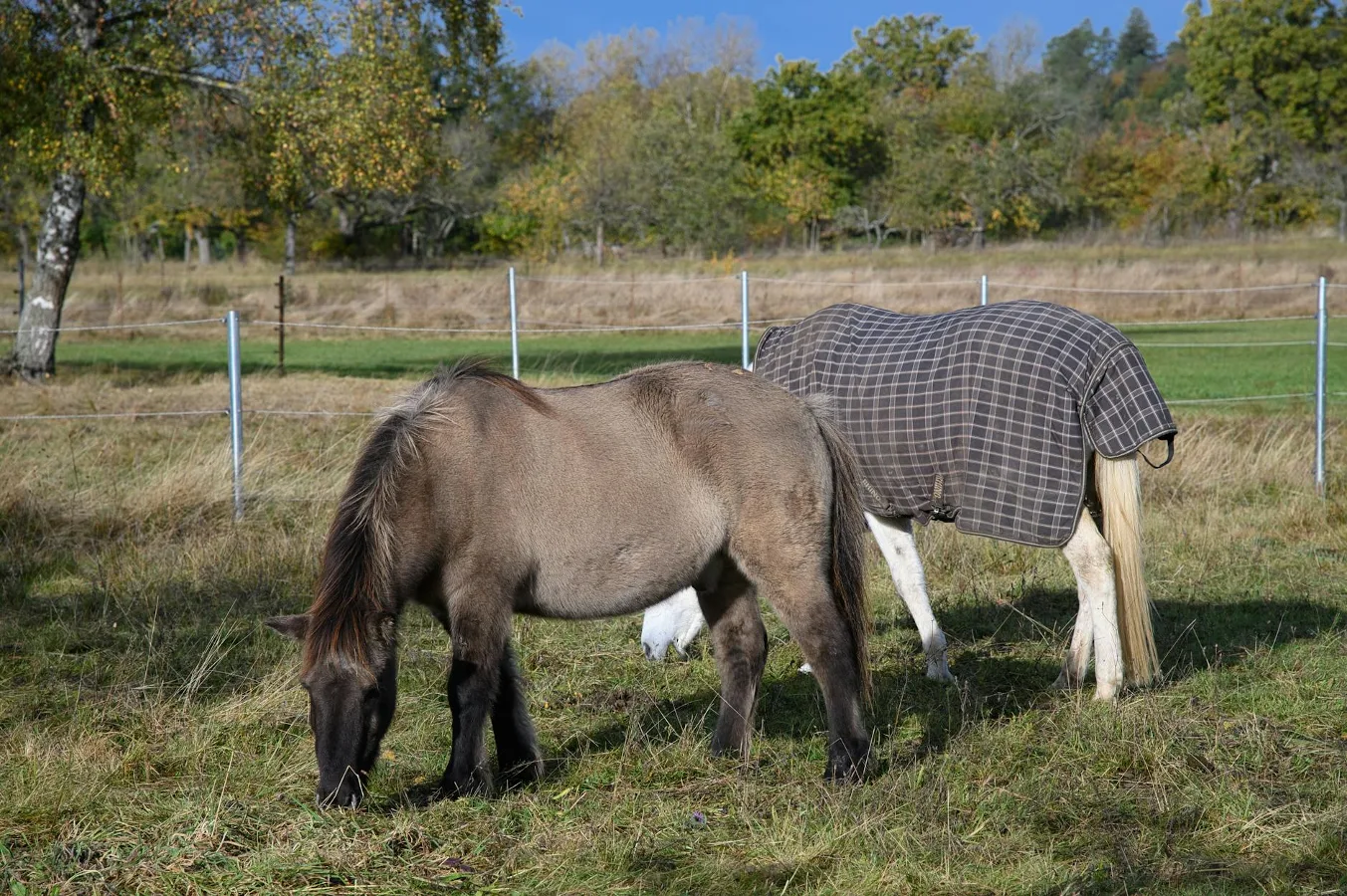
A light weight horse blanket is usually the practical choice when a horse needs a little protection without the bulk of a heavy winter layer. It is commonly used for cool, damp, windy, or changing weather, and it can help manage comfort, cleanliness, and coat protection without overheating the horse. Horse Blanket Weight Chart Guide offers more detail on this point.
The best option depends less on a single label and more on how the blanket will be used. Turnout needs are different from stall use, and a horse with a full winter coat will not need the same coverage as a clipped horse or one sensitive to cold rain and wind.
Quick answer: what a light weight horse blanket is for
A light weight horse blanket is typically used as a weather barrier rather than a heavy-insulation layer. Think of it as protection for mild cold, drizzle, wind, and dirty conditions, especially when a horse does not need serious warmth.
For many horse owners, the real value is flexibility. A lighter blanket can be easier to manage across changing temperatures, especially during fall and spring. It may also work well for horses that stay comfortable with minimal insulation but still need help staying dry and clean.
That said, “light weight” does not mean “one size fits all.” Materials, cut, lining, closure style, and whether the blanket is meant for turnout or stable use all affect whether it will actually work for your horse.
What to compare before choosing one
Because horses vary widely in coat thickness, workload, housing, and climate exposure, the most useful comparison is not just blanket weight. A better approach is to look at how the blanket handles weather, movement, and fit.
Turnout versus stable use
One of the first distinctions is where the blanket will be worn. A turnout blanket is designed for outdoor use and usually needs stronger outer fabric, better weather resistance, and hardware that can stand up to movement and turnout time. A stable blanket is made for indoor use and often focuses more on warmth and comfort than on waterproofing.
If the blanket will be worn outside, weather protection matters a great deal. A blanket that is light in weight but not properly designed for turnout may be uncomfortable, damp, or short-lived in real outdoor conditions.
Water resistance and breathability
For many horses, the sweet spot is a blanket that blocks light rain and wind while still allowing heat and moisture to escape. Breathability matters because a horse can become sweaty under a blanket even in cool weather, especially if the weather shifts or the horse is active.
This is a practical nuance that gets overlooked: a blanket can be light and still cause discomfort if it traps heat. A breathable outer layer and an appropriate lining can matter as much as insulation level.
Fit and freedom of movement
Fit is one of the most important factors in comfort and safety. A blanket that is too tight can restrict movement or rub the shoulders and withers. One that is too loose may shift, twist, or create pressure points.
Pay attention to the chest closure, shoulder room, and overall length. Some horses need a more generous cut through the front; others do better with a more streamlined fit. Neck design also matters. A standard neck opening works for many horses, but some benefit from a higher neck line or added coverage to reduce rubbing and drafts.
Outer fabric and lining
Light weight blankets often vary in shell fabric and lining even when they look similar. A smoother lining can reduce rubbing and help the blanket slide more naturally over the coat. A sturdier outer shell may resist wear better in turnout, especially for horses that roll, lie down, or interact with herd mates.
The right balance depends on use. A horse that wears a blanket only in a stall may prioritize softness and comfort. A horse that goes outside daily may need durability and weather resistance first.
Closures, straps, and hardware
Hardware is easy to overlook, but it affects daily use. Front closures should be easy to fasten securely without creating pressure across the chest. Belly straps should help stabilize the blanket without hanging too low or creating snag risks. Leg straps or tail cords can add stability, but they also need to be adjusted correctly and checked regularly.
More hardware is not automatically better. Simpler designs can be easier to manage and may reduce points of friction if they fit the horse well.
Where a light weight blanket makes sense
A light weight horse blanket is often most useful in transitional weather. It can be a sensible choice when mornings are cold, afternoons warm up, and rain or wind is more of a concern than deep cold.
- Cool, damp turnout: useful when a horse needs protection from rain and wind but not much warmth.
- Seasonal change: helpful during fall and spring when temperatures swing throughout the day.
- Clipped horses: often need more help staying comfortable than horses with a full natural coat.
- Stable protection: can keep a horse cleaner and slightly warmer indoors without heavy insulation.
- Travel or show prep: may help keep a horse clean and protected before and after transport, depending on the setup.
There is also a common misconception that lighter blankets are only for warm climates. In reality, many horses in cooler regions use them as a seasonal middle layer rather than as a substitute for winter gear.
Common mistakes to avoid
Choosing a light weight horse blanket is often less about buying the lightest option and more about avoiding a few predictable problems. learn more about led diffuser offers more detail on this point. choosing the right horse blanket weight offers more detail on this point.
Picking warmth instead of function
Some buyers focus on blanket fill first, then discover the horse actually needed weather resistance, not more insulation. If the issue is wind, dampness, or keeping the coat clean, a lighter weatherproof layer may be the better answer.
Ignoring shoulder rubs
A blanket that looks fine in the barn can still create rubs after repeated movement. Shoulder rubs are especially common when the fit is narrow in the front or when the horse has broad shoulders and a lot of turnout movement.
Using a turnout blanket where a stable blanket should be used
Turnout blankets are built for the outside. Stable blankets may be softer or more breathable indoors. Using the wrong type can make the horse uncomfortable or reduce blanket life.
Overlooking climate swings
Weather changes fast in many parts of the United States. A blanket that works in steady cool weather may be too warm on sunny afternoons. If your local temperature changes a lot, a modular approach with layers may be more useful than a single heavy piece.
Forgetting that cleanliness affects comfort
A dirty blanket can contribute to rubbing, odor, and reduced breathability. Regular cleaning and inspection matter almost as much as the initial purchase.
Alternatives worth considering
A light weight horse blanket is not always the best answer. Depending on the horse and the weather, another option may be more appropriate.
- Horse sheet: a lighter, less insulated option for basic coverage and cleanliness.
- Rain sheet: a weather-focused layer for wind and wet conditions without much warmth.
- Medium weight blanket: better when light protection is not enough in colder weather.
- Layering system: useful when temperature and precipitation change frequently.
- No blanket at all: often reasonable for healthy horses with natural coats, good shelter, and suitable conditions.
The best alternative depends on the horse’s coat, age, body condition, workload, and access to shelter. A blanket is a tool, not a requirement in every situation.
How to make a better buying decision
If you are comparing options, start with the horse rather than the product page. Ask a few practical questions: Does the horse live outdoors, indoors, or both? Is the coat clipped? Is the biggest issue cold, rain, wind, or keeping the horse clean? Does the horse tend to rub in blankets or move a lot in turnout?
Those answers usually point toward the right style. For example, a horse that lives in a paddock with shelter may need a different light weight blanket than a clipped horse that spends part of the day in a stall and part outside. A cleaner, smoother lining can matter more for sensitive horses. Stronger turnout fabric matters more for horses that roll or play hard in groups.
It also helps to think in terms of long-term value. A blanket that fits well, stays in place, and is easy to clean may be more useful than one with extra features that do not suit the horse. Many owners discover that the most expensive or heavily featured option is not the most practical.
Care and maintenance basics
Even a good light weight horse blanket loses value if it is not maintained. Dirt, sweat, and moisture can affect comfort and shorten usable life. Regular checks are especially important around the chest, withers, belly straps, leg straps, and seams.
- Shake out loose dirt and bedding after use.
- Inspect closures and straps for wear before each use.
- Check for rubbing at the shoulders, chest, and withers.
- Allow the blanket to dry fully before storing it.
- Wash according to the manufacturer’s guidance when needed.
Storage matters too. A folded, dry blanket kept away from moisture and rodents will usually hold up better than one tossed in a damp corner of the tack room.
Who benefits most from a lighter blanket
Light weight blankets are often a good fit for horses that need modest weather protection rather than extra warmth. They can be especially useful for horses with clipped coats, horses sensitive to rain and wind, or horses that stay outdoors in unsettled weather but do not need heavier insulation.
They are also useful for owners who want a simpler seasonal option. Instead of switching immediately to a heavier blanket, a light weight model can help bridge the gap between unblanketed and fully winterized coverage.
Still, the best choice depends on the horse, not the calendar. Some horses do very well with minimal coverage. Others need more help sooner than expected. Watching the horse’s comfort, body condition, and coat response is more useful than relying on a blanket label alone.
Practical takeaway
A light weight horse blanket is most useful when you need weather protection, cleanliness, and a little added comfort without committing to a heavier winter layer. The right one should fit well, suit the horse’s environment, and match the actual problem you are trying to solve.
Focus on turnout or stable use, fit, breathability, durability, and maintenance rather than weight alone. That approach usually leads to a more comfortable horse and a more useful purchase.
