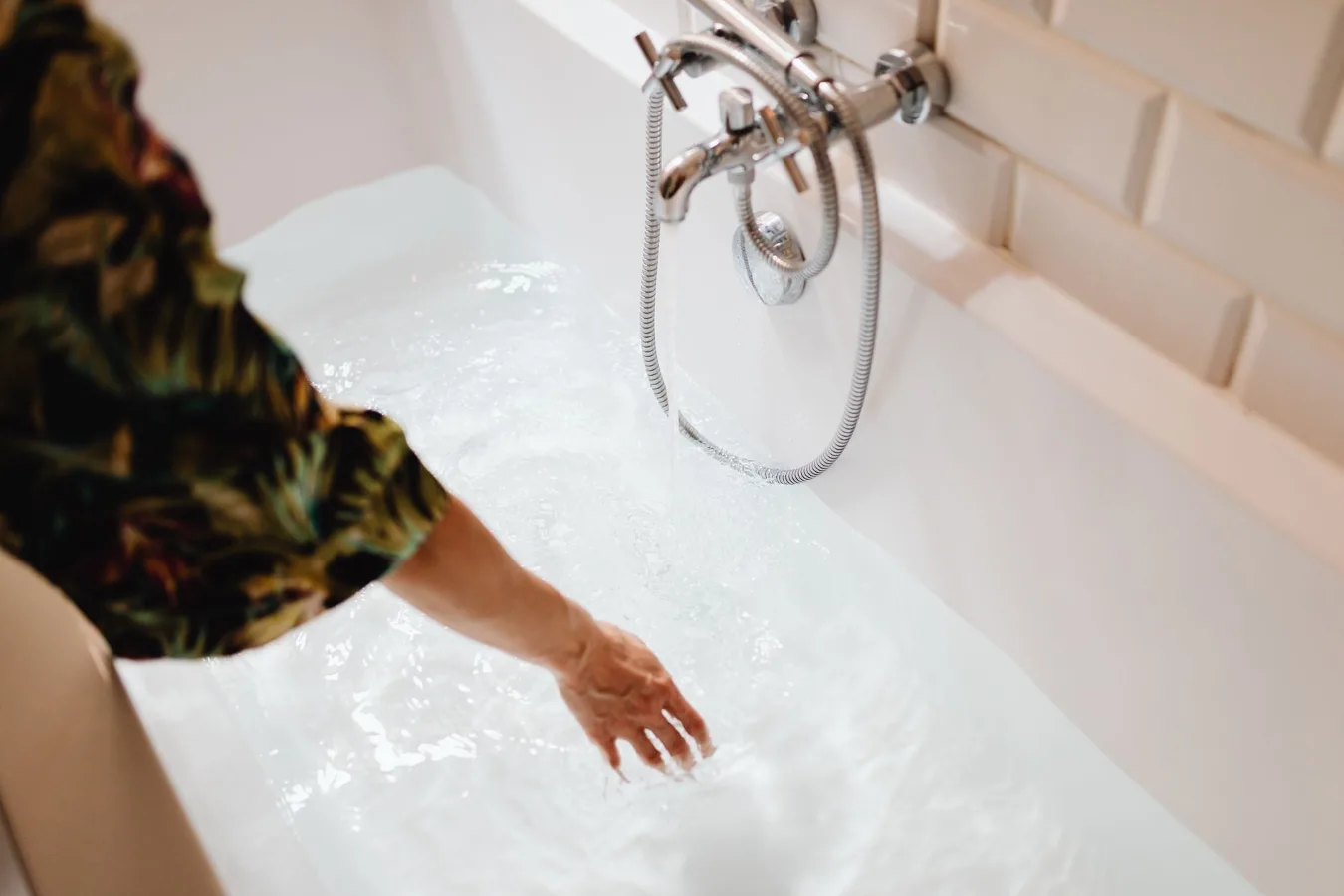
Why people look for a bathtub water filter
A bathtub water filter is usually considered by people who want bathwater to feel gentler, cleaner, or less harsh on skin and hair. The most common concern is chlorine in municipal water, but shoppers also look for help with sediment, odor, or the general comfort of bathing in treated tap water. choosing a filter for sensitive skin offers more detail on this point. Sediment Water Filter Buyer’s Guide offers more detail on this point.
The key point is that a bathtub water filter is not a universal fix. It is a point-of-use solution, which means it treats water at the tub rather than at the whole house. That makes it useful in some homes and less effective in others. If your goal is to improve the bathing experience without changing your entire plumbing setup, it can be a practical option. If your water issues are broader, a whole-home system may make more sense. uv water filter system offers more detail on this point.
For many buyers, the real question is not whether a bath filter exists, but what problem it can realistically solve. That difference matters because products marketed for “cleaner bathwater” can vary a lot in design, compatibility, and filtration approach.
What a bathtub water filter can and cannot do
Most bathtub filters are designed to reduce selected contaminants or improve the feel of bathwater, depending on the filter media inside. Common media include activated carbon and other filtration materials that may help with chlorine or certain odors. Some products also add a sediment screen or mineral-related treatment, though the exact performance depends on the design.
What a bathtub water filter generally cannot do is turn bathwater into purified drinking water. It is also not the same as a lab-grade treatment system or a certified whole-house filtration setup. If you are hoping to address a specific water quality issue, read the product description carefully and look for clear claims about what the filter is designed to reduce.
A common misconception is that all bath filters work the same way. They do not. Some are made to attach to the tub spout, some connect at the faucet, and some sit in-line or function as a bathwater conditioner. Each setup has different strengths, maintenance needs, and compatibility concerns.
Key factors that matter before you buy
1. Your water quality concern
Start with the problem you actually want to address. If your main concern is chlorine smell or the feeling of drying bathwater, a filter aimed at chlorine reduction may be the most relevant. If you notice visible particles, a sediment-related solution may be more appropriate. If your region has hard water, a bath filter alone may not fully solve the issue because hardness is usually a broader plumbing problem.
Matching the filter to the concern is the most important decision-making step. Many buyers focus on the product format first, but the better place to start is the water issue itself.
2. Compatibility with your tub and faucet
Not every bathtub water filter fits every setup. Some are meant for standard tub spouts, while others are designed for faucets or specific bath hardware. If your tub has an unusual spout shape, a hand shower, or a combined tub-shower system, compatibility becomes especially important.
Before buying, check whether the product is intended for the exact fixture you have. A filter that is easy to understand on paper may still be awkward to install if your bathtub hardware is older, decorative, or nonstandard.
3. Filter media and replacement needs
The media inside the filter affects both convenience and long-term value. Activated carbon is common because it is often used in systems aimed at reducing chlorine-related concerns. Other products may use layered media or a blend of materials to target multiple issues.
Replacement frequency is worth paying attention to, even when the product page makes it seem minor. A filter that is cheap to buy but expensive or inconvenient to maintain may not be the best value over time. Look for clear guidance on cartridge changes, cleaning, and how you will know when performance is declining.
4. Flow and bathing experience
Bath filters can affect how quickly the tub fills and how the water feels as it enters the tub. That matters more than many shoppers expect. If a filter restricts flow too much, it can make the bathing routine feel cumbersome. If the design is too bulky, it may get in the way when you adjust water temperature or switch between bath and shower use.
Comfort and convenience are part of the decision, not just filtration claims. A well-chosen filter should fit into your routine without creating extra annoyance.
5. Safety and household use
Households with children, babies, or people with especially sensitive skin often look at bath filtration more closely. In those cases, ease of use and consistent maintenance matter as much as filtration claims. A neglected cartridge is not an improvement. It is just another fixture in the bathroom.
For families, another practical consideration is whether the filter can be used reliably every time without complicated setup. The best option is often the one that fits the routine already happening in the home.
Practical ways to choose the right bathtub water filter
If you want a simple decision path, think in this order: first identify the water concern, then check fixture compatibility, then compare maintenance demands, and only after that compare price.
If your main goal is chlorine reduction: focus on filters that clearly state that purpose and make sure the installation style matches your tub hardware.
If your water has visible particles or a stale smell: look for a design that includes sediment capture or odor-focused media, but be cautious about broad claims that do not explain how the filter works.
If you want a lower-maintenance approach: consider whether a whole-home system or a bath-specific alternative may be easier in the long run.
If you rent or do not want permanent changes: a portable point-of-use filter may be a better fit than a more involved plumbing solution.
The overlooked consideration here is not just the product itself, but how often you will actually use it. A filter that seems impressive but is annoying to maintain often gets abandoned. A modest filter that is easy to keep up with can be a better choice.
Where bathtub filters fit among other options
A bathtub water filter is only one way to improve bathwater. Depending on your situation, you may also want to compare it with a whole-home water filter, a water softener, or a shower filter.
Whole-home filtration treats all incoming water, which is useful if you want consistency across bathing, laundry, and sinks. It usually involves more cost and installation complexity, but it can solve broader water issues better than a tub-only product.
Water softeners are mainly relevant when hard water is the real concern. They do not serve the same purpose as a chlorine-focused bath filter, and they are not interchangeable.
Shower filters may be more relevant if your concern is also about showering, not just bathing. Some households benefit from a combined approach: a shower filter for routine use and a bath-specific solution when soaking.
Bath additives are another alternative, but they serve a different purpose. They may improve comfort or skin feel, yet they are not a substitute for filtration when you are specifically trying to reduce treated tap water byproducts.
Common mistakes shoppers make
- Buying based on the term “multi-stage” without checking what the stages actually do
- Assuming every bathtub water filter fits every tub or faucet
- Overlooking replacement cartridge costs and maintenance steps
- Expecting a point-of-use filter to fix whole-house water problems
- Choosing a product with vague performance claims and no clear use case
- Ignoring how the filter changes fill time or bathroom convenience
Another frequent mistake is focusing only on skin comfort while ignoring the water source. If your local water varies seasonally or your home has older plumbing, the issue may not be limited to the bath itself. In those cases, a bath filter may help, but it may not solve everything you notice.
Who is most likely to benefit
A bathtub water filter tends to make the most sense for people who are trying to reduce a specific water-related annoyance without reworking the whole plumbing system. That includes households concerned about chlorine smell, families looking for a gentler bath setup, and renters who want a removable option.
It may be less compelling for households with severe water-quality problems, especially when the issue affects multiple fixtures. In that case, a broader filtration strategy usually deserves a closer look. The same is true if you want a set-it-and-forget-it solution, because many point-of-use filters require regular attention.
A sensible way to shop
The best bathtub water filter is the one that matches your fixture, your water concern, and your tolerance for upkeep. Start with compatibility, because an incompatible product is useless no matter how good the claims sound. Then compare the filtration media, replacement process, and the manufacturer’s stated purpose. Finally, decide whether a tub-specific filter is enough or whether a broader water treatment option would serve you better.
If your goal is a more comfortable bath routine, a good filter can be a practical addition. If your goal is broader water improvement, treat the bathtub filter as one part of a larger plan rather than the whole answer.
