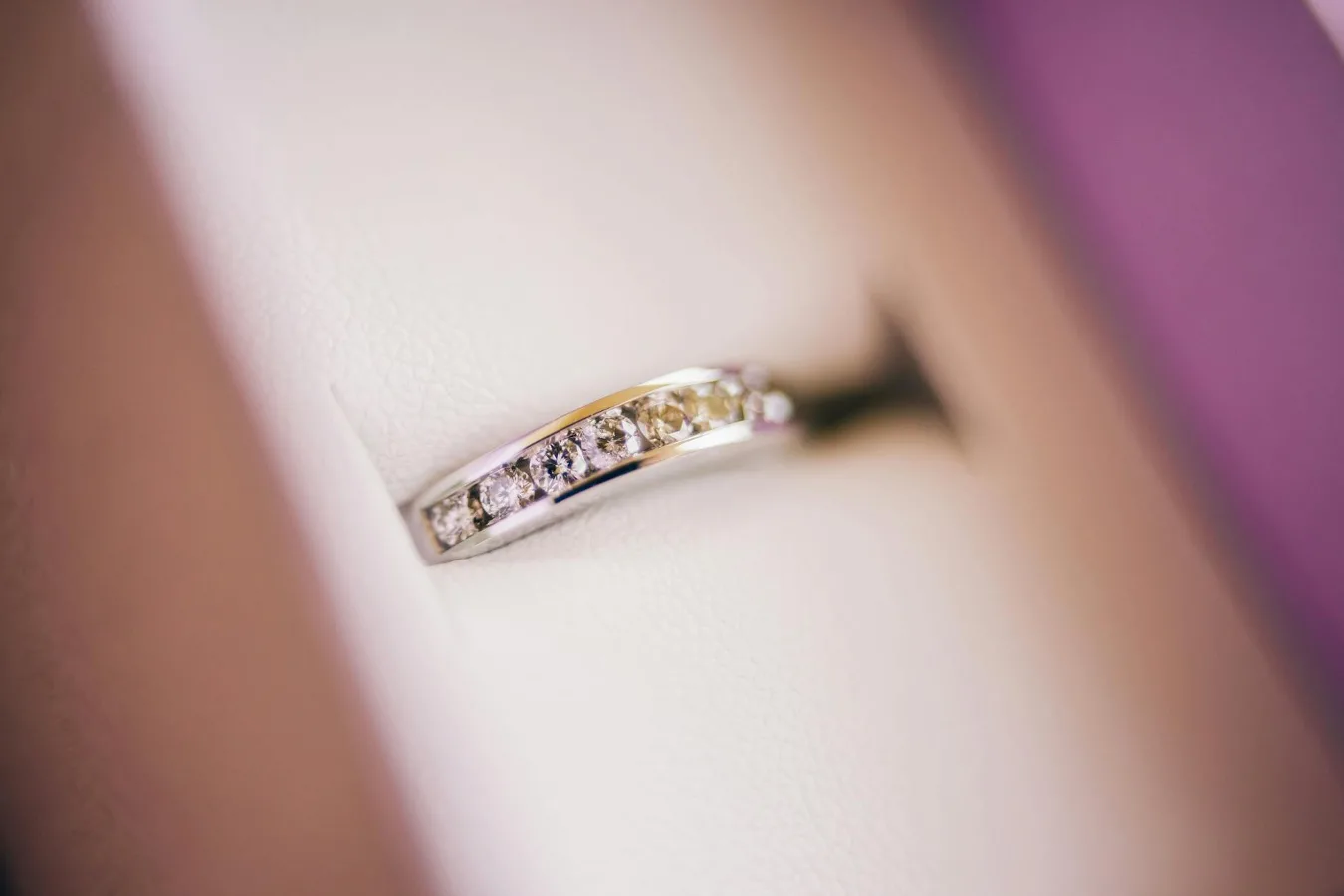
What a diamond ring with pink diamond really means
A diamond ring with pink diamond usually refers to a ring that features a pink diamond as the center stone, accent stone, or a color focal point within a diamond setting. For most shoppers, the appeal is straightforward: it combines the familiar brilliance of diamond with the softer, more distinctive look of pink.
The key buying question is not just whether the ring is attractive. It is whether the color, setting, and stone type fit your budget, your style, and how the ring will actually be worn. That matters because pink diamonds can vary widely in appearance and availability, and the setting can change the whole personality of the ring.
Some rings lean elegant and understated. Others are designed to feel dramatic, romantic, or highly custom. Before comparing styles, it helps to understand the factors that make one pink diamond ring very different from another.
The main factors that shape the ring
Color intensity
With pink diamonds, color is usually the first thing people notice. A soft blush tone creates a subtle look, while a stronger pink color reads as much more dramatic and rare-feeling. In practice, the best choice depends on whether you want the pink to whisper or stand out immediately.
One common misconception is that a pink diamond ring must always look vivid. Many attractive rings use a lighter pink stone or pink accents around a white diamond center. Those options can be easier to wear daily if you want the color to feel refined rather than bold.
Natural versus lab-grown
Another major decision is whether the pink diamond is natural or lab-grown. Natural pink diamonds are part of the rare-color diamond category, which is one reason they are often sought after. Lab-grown pink diamonds offer a different path: they can provide the look of pink diamond jewelry without relying on the same rarity profile.
This choice affects more than appearance. It can influence budget, sourcing preferences, and how you evaluate the ring’s long-term value. If rarity matters to you, natural may be the priority. If visual effect and design flexibility matter more, lab-grown can be worth considering.
Stone placement
Pink diamond rings are not limited to a single center-stone design. The pink diamond may sit in the middle, appear as side stones, or be used as a halo detail around a white diamond. Each layout changes the balance between color and brilliance.
- Center stone: strongest visual impact from the pink diamond itself.
- Accent stones: softer, more wearable color with a classic diamond look.
- Halo design: can increase sparkle and make the center appear larger.
- Three-stone style: adds symmetry and can make the ring feel more traditional.
Metal choice
The metal you choose can significantly alter how pink reads on the hand. Rose gold often enhances warmth and gives the ring a romantic feel. White gold or platinum can create more contrast, which may make a pink center look brighter and cooler in tone. Yellow gold tends to create a richer, vintage-leaning presentation.
There is no single best metal. The right choice depends on whether you want harmony, contrast, or a more classic diamond-first look. A ring with pink diamond accents in white metal often feels sleek, while a pink center in rose gold usually feels softer and more cohesive.
Practical ways to compare ring styles
Shoppers often focus on the color alone, but the setting does as much work as the stone. A well-chosen setting can improve durability, balance proportions, and make the ring easier to live with. A poor setting can make even a beautiful stone feel fragile or visually busy.
Solitaire styles
A solitaire with a pink diamond center keeps the focus on the stone. This works well if the diamond has enough color presence to stand on its own. It also suits people who want a cleaner, less decorative look.
Halo styles
Halo settings are common for pink diamond engagement ring designs because they add extra sparkle and can help the center stone appear larger. The trade-off is that halos can make the design feel more elaborate, and the setting detail may need more attention during cleaning.
Vintage-inspired styles
Vintage-inspired rings often pair beautifully with pink diamonds because milgrain, filigree, and detailed halos complement the romantic tone. These rings can feel distinctive, but they may not suit someone who prefers minimal lines or very low-profile jewelry.
Three-stone and side-stone styles
Three-stone designs can frame a pink center stone elegantly, while side stones can brighten the ring without overpowering the color. If you want balance rather than maximum drama, these styles are worth serious consideration.
What to pay attention to before you buy
How the color looks in different light
Pink diamonds can shift in appearance depending on lighting. A stone that looks rosy in one setting may appear softer or cooler in another. That is not a flaw; it is part of how colored diamonds behave. Still, it makes viewing the ring in multiple lighting conditions especially useful. guide to colored diamonds offers more detail on this point.
If you are shopping online, look closely at photos and videos from different angles. If you are shopping in person, ask to see the ring under bright retail lighting and more natural light if possible.
How secure the setting feels
For everyday wear, the setting should protect the stone without making the ring bulky. Prongs, bezels, and halo structures all offer different levels of coverage and visual openness. A more exposed setting may show more of the diamond, but a more protective design can be easier to live with.
This is an overlooked consideration for many shoppers: a ring can be beautiful and still impractical if the stone sits too high or catches on clothing. That becomes especially relevant for engagement rings or daily wear pieces. Rose Gold Engagement Rings: A Practical Guide offers more detail on this point. art deco engagement rings offers more detail on this point.
Whether the design fits your routine
Think about how often the ring will be worn and where. Someone with an active lifestyle may prefer a lower-profile setting and fewer delicate details. Someone choosing a special-occasion ring may prioritize visual impact over everyday convenience.
Comfort matters too. A wide band, large center stone, or detailed halo can feel different once worn regularly. The right ring is one you can realistically enjoy, not just admire in a display case.
Common mistakes to avoid
- Choosing color without checking proportions: a strong pink center can still look underwhelming if the setting overwhelms it.
- Ignoring maintenance needs: intricate settings may trap debris and need more regular care.
- Assuming all pink diamonds look the same: hue, saturation, and overall presence can vary a lot.
- Overlooking metal contrast: the wrong metal can flatten the pink tone or make it harder to notice.
- Buying only for rarity: a ring should also suit the wearer’s style and daily habits.
When a pink diamond ring is the right choice
A diamond ring with pink diamond is a strong choice if you want something that feels personal, romantic, and a little less expected than a standard white-diamond ring. It is especially appealing for buyers who value distinctive color, softer visual warmth, or a custom look that still feels timeless.
It can also be a smart direction if you are trying to balance tradition with individuality. A pink diamond center in a classic setting gives you familiarity and originality at the same time. That balance is one reason these rings remain so appealing across different styles.
Best fit for classic tastes
If you prefer clean lines, a solitaire or three-stone ring with a modest pink accent may feel more appropriate than a highly ornate design. These styles keep the ring versatile and easier to pair with wedding bands.
Best fit for statement tastes
If you want the ring to feel unmistakably special, a halo, vintage-inspired, or larger pink center design may be the better route. These options create more visual presence, though they may ask for a bit more care.
Alternatives worth considering
If a pink diamond ring is appealing but not quite right, there are a few related directions worth exploring.
- Pink diamond accents: a white diamond center with pink side stones or a pink halo.
- Other fancy color diamonds: if you like colored stones but want a different mood, such as yellow or champagne tones.
- Pink sapphire rings: a non-diamond alternative that delivers a similar color story with a different look and buying profile.
- Custom two-tone designs: combinations of white and rose gold can create a pink-friendly aesthetic without relying on a pink center stone.
These alternatives are useful when you like the style direction but want different trade-offs in price, rarity, or upkeep.
How to make a confident decision
The best way to choose a pink diamond ring is to rank your priorities before you get attached to a specific design. If color is the main goal, focus on visible pink presence and a setting that highlights it. If practicality matters more, look at profile height, comfort, and how easy the ring will be to maintain. If long-term value matters, the natural-versus-lab-grown question deserves careful attention.
A simple decision path helps:
- Decide whether the pink diamond should be the centerpiece or an accent.
- Choose natural or lab-grown based on your priorities.
- Select a metal that supports the color you want.
- Match the setting to your wear habits.
- Compare a few styles side by side in similar lighting.
That approach keeps the decision grounded in how the ring will actually be worn, not just how it looks in one photo.
Care and long-term wear
Like most fine jewelry, a diamond ring with pink diamond benefits from regular cleaning and mindful wear. Softer-looking settings, halos, and detailed vintage patterns may require a little more attention because tiny spaces can collect residue. A simple, secure design is often easier to maintain over time.
If the ring is for everyday wear, it is wise to consider resizing needs, band stacking, and how it will sit alongside a wedding band. These practical details can matter as much as the stone itself once the ring becomes part of daily life.
FAQ
Is a pink diamond ring suitable for everyday wear?
Yes, if the setting is secure and the profile is comfortable. Lower-set designs and protective prongs or bezels tend to work better for daily use.
Are natural pink diamonds better than lab-grown pink diamonds?
Neither is automatically better. Natural pink diamonds are valued for rarity, while lab-grown options can offer a similar look with different sourcing and budget considerations.
What metal looks best with a pink diamond?
Rose gold creates a soft, warm look, while white gold or platinum adds contrast. Yellow gold gives a richer, more vintage feel.
Do halo settings make pink diamonds look larger?
They can make the center appear more prominent and add brightness around the stone, though the exact effect depends on the design proportions.
What is the biggest mistake people make when buying one?
Focusing only on the pink color and ignoring the setting, comfort, and maintenance needs. Those details affect how satisfying the ring will be over time.
A diamond ring with pink diamond works best when the stone, setting, and metal all support the same visual idea. Once those pieces line up, the result can feel both distinctive and wearable.
