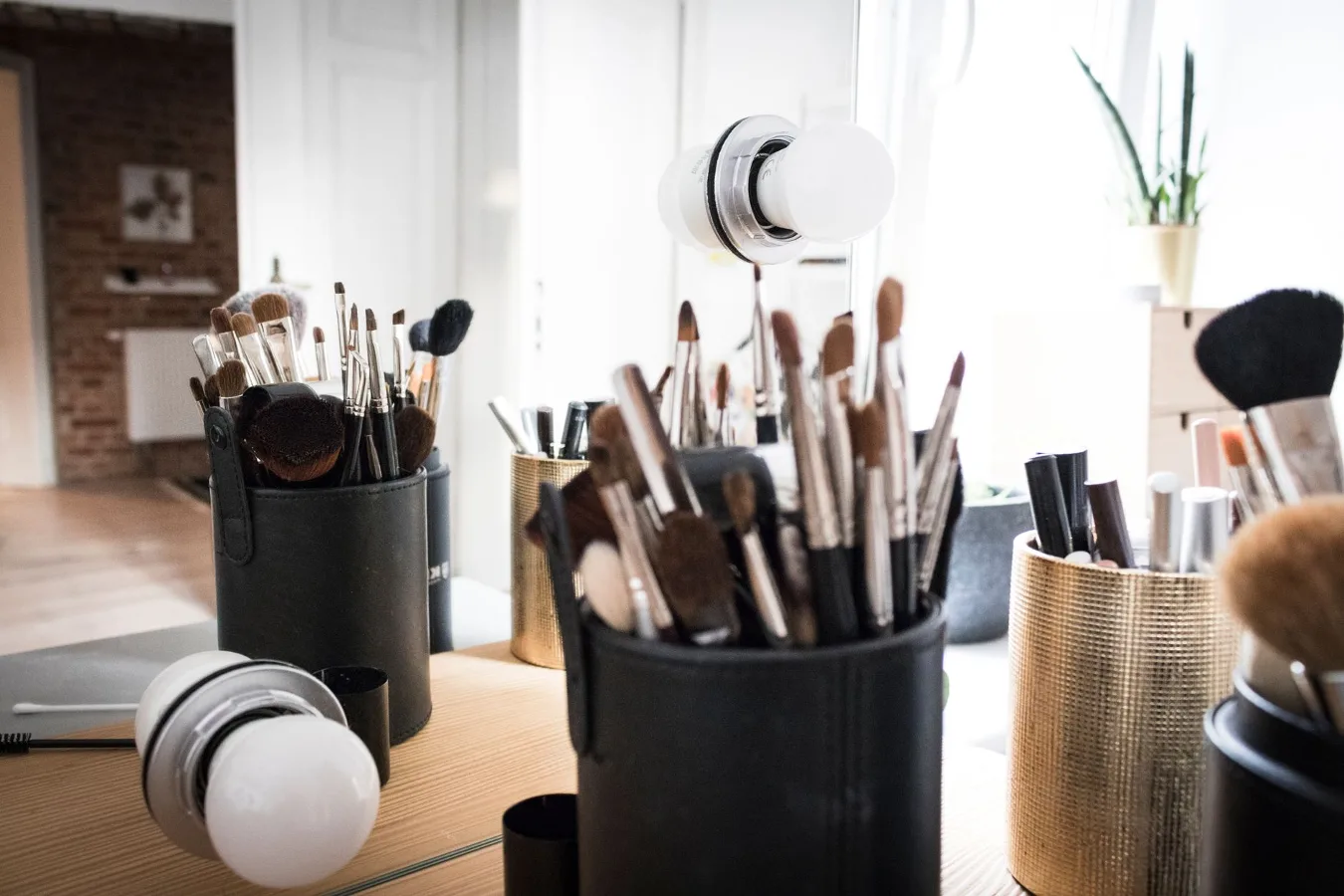
If you are shopping for natural hair makeup brushes, the short answer is this: they are often best for powder products and for makeup looks that benefit from a softer, more diffused finish. The appeal is not just tradition or luxury branding. Natural hair tends to have a textured cuticle that can grip powder well, which can make placement and blending feel more gradual than with many synthetic options.
That said, “best” depends on what you actually apply. Natural hair brushes can be a strong fit for setting powder, bronzer, powder blush, and some eyeshadow work, but they are not automatically the right choice for every formula or every shopper. Brush shape, density, hair type, maintenance habits, and even your skin sensitivity all matter.
When natural hair brushes make the most sense
Natural hair brushes matter most when you want controlled powder pickup and a diffused finish. The fibers tend to hold onto loose and pressed powders in a way that helps build color gradually. That can be useful if you prefer light layering instead of a single heavy sweep.
They are especially worth considering for these use cases:
- setting powder on areas that need a light veil rather than heavy coverage
- bronzer and blush when you want a softer edge
- powder eyeshadow blending, especially with mattes
- finishing touches where you want to diffuse product, not deposit too much at once
There is a practical catch, though: if you mainly use cream, liquid, or very emollient formulas, natural hair may not be your most efficient option. Many makeup artists and everyday users prefer synthetic fibers for those textures because they are easier to clean and typically less likely to absorb product.
What natural hair actually changes in application
The biggest difference is how the brush interacts with powder. Natural hair usually has more texture than smooth synthetic filaments, so it can pick up and release powder in a gradual way. That can be helpful if you like to build color in layers. It can also make harsh edges easier to soften.
This does not mean every natural hair brush performs the same way. A fluffy powder brush, a tapered blush brush, and a small tapered eye brush all behave differently. Density matters too. A denser natural brush will lay down more pigment, while a looser, airier brush will spread product more lightly.
Another overlooked point: natural hair can sometimes feel less precise for some tasks, especially if you want sharp placement or minimal product waste. If you are used to synthetic brushes that give a very even, exact deposit, the softer diffusion of natural hair may feel different at first.
How to choose the right one
Choosing natural hair makeup brushes is less about chasing a label and more about matching the tool to the product and the finish you want. The best buying decisions usually come from a few practical questions. Best Rated Makeup Brush Sets: A Buying Guide offers more detail on this point.
1. Start with the formula you use most
If powders dominate your routine, natural hair deserves a closer look. If your routine is mostly cream-based, you may be better served by a synthetic set or a mixed brush wardrobe. Many people end up with both because no single material handles every texture equally well.
2. Pay attention to brush shape
Shape often matters more than people expect. A fluffy domed brush can diffuse powder over a larger area. A tapered brush can help with controlled placement. A flat brush can pack on eyeshadow more densely. Natural hair works across all of these shapes, but each shape changes how much product is picked up and how it lands on the skin.
3. Look at density and spring
Density influences payoff. A very dense brush can give stronger color and more coverage. A looser brush tends to create a lighter wash. “Spring” refers to how the fibers move and bounce back. A brush that springs back cleanly may feel more responsive, while a softer, looser brush may feel more airy and forgiving.
4. Check handle balance and control
Comfort is not only about the fibers. A brush that feels top-heavy or awkward can make blending harder, especially around the eyes. A balanced handle helps keep the brush stable, which matters if you use light pressure or do detailed work.
5. Consider your skin and sensitivity
Some buyers choose natural hair brushes for the finish, while others avoid them because of personal comfort, ethical concerns, or sensitivity to certain materials. If you have reactive skin, the brush itself is only part of the picture. Cleanliness, storage, and how gently the brush applies product all matter. how to clean beauty brushes properly offers more detail on this point.
Natural hair versus synthetic: the practical trade-offs
The comparison is less about which material is “better” and more about which job you need it to do. Each has strengths.
| Factor | Natural hair brushes | Synthetic brushes |
|---|---|---|
| Powder pickup | Often very good | Can be good, but varies by design |
| Cream and liquid use | Usually less ideal | Often a better fit |
| Finish | Typically softer and more diffused | Can be more precise and even |
| Cleaning ease | Can require more care | Generally easier to clean |
| Durability with frequent washing | Depends heavily on quality and care | Often more forgiving |
| Ethical preferences | May not suit every shopper | Often preferred by vegan users |
A common misconception is that natural hair is automatically superior because it is traditional or expensive. In reality, the better brush is the one that matches your formulas, technique, and maintenance habits. A well-made synthetic brush can outperform a poorly made natural one very easily.
Step-by-step criteria for narrowing your options
If you are comparing brushes in a store or online, use a simple sequence instead of relying on brand language.
- Identify the main product type. Powder, cream, and liquid formulas demand different brush behavior.
- Choose the application goal. Do you want soft diffusion, stronger payoff, or detailed placement?
- Select the shape. Fluffy, tapered, angled, or flat shapes each change the result.
- Assess density. Dense for more coverage; airy for lighter layering.
- Think about upkeep. If you do not want frequent careful cleaning, a more forgiving synthetic brush may be simpler.
- Match the brush to your routine, not your idealized kit. The best brush is the one you will actually use.
Examples of where natural hair helps, and where it does not
Powder setting
For setting powder, natural hair can be a strong choice because it tends to distribute product lightly. If your goal is to set makeup without creating a heavy, powdery finish, a fluffy natural brush can be useful.
Blush and bronzer
Natural hair often excels when you want controlled blending on cheek products. A softly tapered brush can deposit color gradually, which helps avoid sudden patches of pigment. If you prefer a more sculpted or precise cheek application, a denser or angled brush may work better.
Eyeshadow
Natural hair can be very effective for blending matte shadows and softening edges. For packing shimmer or cream shadow, however, many users prefer synthetic brushes or a mix of both materials. The texture of the formula usually decides this more than the brand name on the brush.
Cream products
This is where the limitation becomes obvious. Natural hair is not the most practical choice for many cream and liquid products, especially if you want easy cleanup and minimal absorption. If your routine leans heavily toward cream blush, cream bronzer, or foundation, synthetic brushes are often the more sensible starting point.
Checklist before you buy
Use this quick checklist to avoid common purchase mistakes:
- Does the brush suit powder, cream, or both?
- Does the shape match the area you want to apply makeup to?
- Is the brush dense enough for your preferred finish?
- Will the material fit your cleaning routine?
- Do you need more precision or more diffusion?
- Are you comfortable with the maintenance natural hair may require?
- Does the brush feel balanced enough to use comfortably?
Common mistakes shoppers make
One frequent mistake is buying a natural hair brush for every category just because it sounds premium. A brush set should be functional, not uniform. Many routines work better with a mix of brush materials.
Another mistake is focusing only on softness. A very soft brush can feel luxurious, but if it lacks the right density or shape, it may not pick up enough product or may blur placement too much. Softness alone is not performance.
A third issue is underestimating care. Brushes that are not cleaned and dried properly can lose shape, shed more, or become less pleasant to use. That is true for any brush, but natural hair often benefits from extra care because the fibers are more delicate than many synthetic options.
Care and maintenance considerations
Good maintenance protects both performance and hygiene. Natural hair brushes should be cleaned regularly enough to remove makeup buildup, but cleaned gently enough to preserve the shape and texture of the fibers. Harsh washing, rough scrubbing, and poor drying habits can shorten the life of the brush.
Practical care habits include:
- use a gentle cleanser suited to beauty tools
- avoid soaking the ferrule or handle
- reshape the bristles after washing
- dry brushes with the head angled downward or lying flat
- store them where dust and humidity will not build up unnecessarily
For anyone with a busy routine, maintenance is a real-world constraint. A brush that performs beautifully but needs fussy care may not be the best daily choice.
Who should consider natural hair brushes
Natural hair makeup brushes make the most sense if you use a lot of powder products, care about diffused application, and are willing to maintain your tools properly. They are also worth considering if you prefer a more traditional brush feel and want softer transitions for blush, bronzer, and eye blending. blush brush makeup offers more detail on this point.
They may be less appealing if you want easy cleanup, use mainly cream formulas, or prefer vegan-friendly tools. In those cases, synthetic brushes can be a better fit without sacrificing much performance.
For many shoppers, the best solution is not choosing one material forever. It is building a small, practical mix: natural hair where powder blending matters most, synthetic where creams and liquids dominate. That approach usually gives more control, fewer compromises, and a kit that works with the way you actually do makeup.
Helpful decision takeaway
If you are deciding whether natural hair makeup brushes are worth it, focus on the job the brush needs to do. For powder placement, soft blending, and diffused finishes, they can be a very good match. For creams, liquids, easy cleaning, and vegan preferences, synthetic brushes often make more sense. The smartest purchase is the one that fits your products, your technique, and the amount of maintenance you are realistically willing to do.
