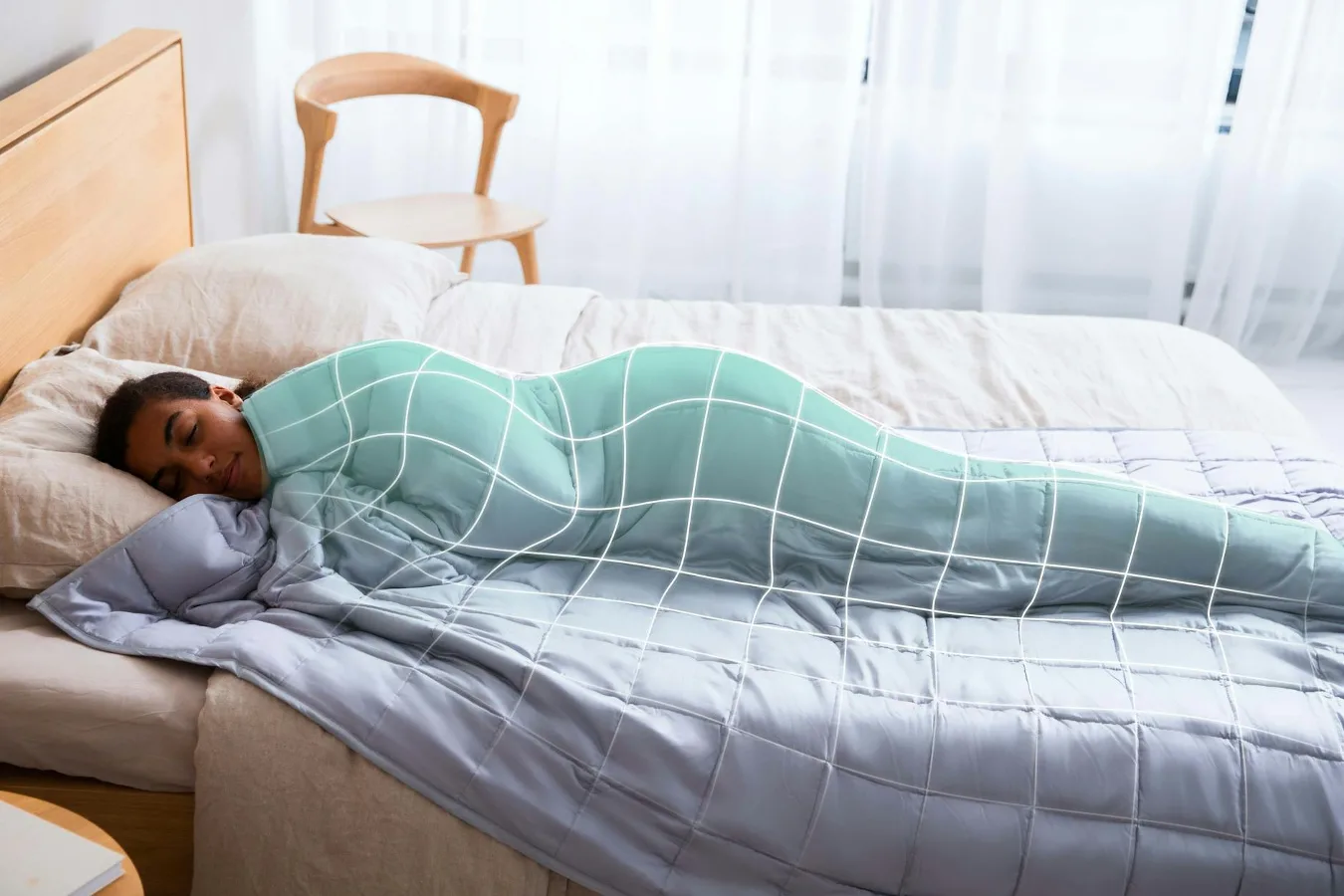
If you want the best cooling weighted blanket, focus less on the label and more on three things: breathability, weight distribution, and how much heat the materials tend to hold. A blanket can feel calming without being suffocating, but only if its fabric, fill, and size match your sleep habits. learn more about led diffuser offers more detail on this point. gravity cooling weighted blanket offers more detail on this point.
The right choice for a warm sleeper is usually a blanket that feels breathable, uses a fill that does not clump, and is sized so it drapes over the body instead of hanging far beyond it. That balance matters more than flashy claims. A heavy blanket that traps air can feel cozy for a few minutes and uncomfortable by midnight.
When a cooling weighted blanket actually makes sense
A cooling weighted blanket is most useful if you like the pressure of a weighted blanket but often wake up too warm under plush bedding. It can also make sense if you sleep in a room that is not easy to cool, share a bed, or simply prefer a lighter sleep setup with less loft.
The phrase cooling can be misleading. Most weighted blankets do not actively chill you. They are usually designed to reduce heat buildup by using more breathable fabrics, a thinner profile, or materials that feel cooler against the skin. That is a real benefit, but it is different from a blanket that creates a cold sensation.
If you are very sensitive to warmth, a cooling weighted blanket may still be too much if it is oversized, layered over thick pajamas, or used with a warm comforter. In those cases, a lighter throw, a breathable duvet, or a mattress topper may be the better route.
What separates a better cooling weighted blanket from an average one
Not all weighted blankets are built the same. For warm sleepers, the differences show up in everyday use rather than in product photos.
Fabric matters more than most shoppers think
The outer cover is often the first thing you feel, and it plays a big role in temperature. Breathable options such as cotton and bamboo-derived fabrics are common choices because they generally allow more airflow than thick plush materials. Some blends can work well too, especially if they are smooth and not overly dense.
Fabrics that feel luxurious in winter are not always ideal for year-round use. Fleece, sherpa, and heavy microfiber tend to feel warmer, so they are usually better suited to cold climates or people who do not overheat easily.
Fill affects both drape and heat retention
Many weighted blankets use glass beads or similar fine fills to create weight. The important question is not just what the fill is, but how evenly it is distributed. A good blanket should drape smoothly and avoid bulky pockets that create hot spots.
Less loft usually means less trapped heat. A thinner construction can feel more comfortable for hot sleepers than a heavily padded design, even if both have the same weight.
Breathability is a system, not a single feature
It is easy to assume one cooling feature will solve everything, but temperature comfort depends on the full setup: sheet material, pajamas, mattress, room temperature, and blanket construction. A breathable blanket can still feel warm if the rest of the sleep environment holds heat.
That is why the best cooling weighted blanket is usually the one that fits the rest of your bedding, not the one with the loudest cooling claim.
How to choose the right one step by step
Buying a cooling weighted blanket is easier if you work through the decision in order. The goal is to match the blanket to your body, bed, and sleep style, not just your color preference.
- Start with your heat tolerance. If you sleep hot most nights, prioritize breathable fabric and a lower-profile design. If you only overheat occasionally, a removable cover may give you more flexibility across seasons.
- Pick a weight that feels calming, not restrictive. Weighted blankets are usually chosen to feel snug without making movement difficult. If you are between options, a less aggressive weight is often easier to live with in warmer weather.
- Check the size carefully. A blanket that hangs too far over the sides of the bed can hold extra heat and may slide around. For many people, a more body-focused fit works better than trying to cover the whole mattress like a comforter.
- Look at the fill construction. Even weight distribution helps comfort. Uneven compartments or bulky stitching can create pressure points or warm patches.
- Consider washing and drying. Cooling bedding only stays useful if you can actually maintain it. If the blanket is difficult to clean, sweat and body oils can make it feel warmer over time.
Best materials and what they mean in real use
Material choices are where many buyers make the wrong trade-off. A blanket can be breathable but less durable, or durable but warmer. The better choice depends on how you sleep.
| Material / construction | What it tends to offer | Potential limitation |
|---|---|---|
| Cotton shell | Breathable feel, familiar texture, easy to pair with other bedding | May not feel as smooth or cool as some performance fabrics |
| Bamboo-derived fabric | Soft hand feel and a lighter, airier sensation for many sleepers | Quality varies, and the term can cover different blends |
| Microfiber or polyester blend | Often durable and easy to maintain | Can trap more heat depending on weave and thickness |
| Glass bead fill | Fine, evenly distributed weight with a lower-profile feel | Fill quality depends on stitching and compartment design |
| Plush or sherpa exterior | Soft and cozy in cooler rooms | Usually not the best choice for hot sleepers |
One overlooked detail is the weave of the fabric. Even two cotton blankets can feel very different if one has a tight, dense weave and the other has a looser, more breathable construction. The same is true for covers. A removable cover can help with cleaning, but if it is thick, it may add warmth instead of reducing it.
Weight and size: the comfort trade-off people miss
A common misconception is that a heavier blanket automatically feels better. For cooling comfort, that is not always true. More weight can mean more pressure, but it can also mean less airflow and more heat retention if the blanket is oversized or layered.
Size is just as important. A weighted blanket that is too large for the bed can drape over the edges and trap heat around the sides. A smaller blanket that stays centered on the body often feels more manageable for warm sleepers. This is one reason some shoppers prefer a weighted throw for lounging and a separate lighter sleep blanket for bed. Best CPAP Mask for Side Sleepers offers more detail on this point.
If you share a bed, think about movement. Some people do well with a single-person weighted blanket on one side of the bed, while others prefer a larger option that allows some overlap. The best choice is the one that keeps pressure consistent without making either sleeper too warm.
What to expect from cooling claims
Marketing language around cooling can be vague. A blanket may be described as cool-touch, temperature-regulating, breathable, or moisture-wicking, and those phrases do not all mean the same thing.
- Cool-touch usually refers to the immediate feel of the fabric, especially when you first get under it.
- Breathable generally means air can move through the material more easily.
- Moisture-wicking suggests the fabric is designed to move sweat away from the skin.
- Temperature-regulating is broader and may simply mean the blanket aims to reduce heat buildup.
None of these terms guarantee that a blanket will feel cool all night. Your mattress, room temperature, bedding layers, and pajamas matter too. A truly practical buying decision means treating cooling claims as clues, not promises.
Examples of sleeper types and what usually works best
Not every warm sleeper needs the same kind of blanket. Matching the blanket to your routine can save you from buying the wrong thing.
If you run hot most nights
Look for a simple, low-loft blanket with a breathable shell and a lighter visual profile. Avoid heavily plush textures unless you already know you tolerate warmth well. A removable cover can help, but only if the cover itself is not overly warm.
If you only overheat in summer
A versatile option may be better than a highly specialized one. A breathable blanket with a removable cover can bridge seasons more easily than a winter-style plush blanket. You may also want a separate lighter blanket for the hottest months.
If you want pressure for relaxation, not all-night use
A weighted throw can be a smarter choice than a full-bed blanket. It gives you the soothing feel during reading, resting, or winding down, without forcing you to sleep under extra warmth all night.
If you have limited washing flexibility
Choose a design that is straightforward to maintain. If a blanket is hard to clean, it may lose its cooling feel faster because body oils and accumulated dust can affect comfort over time.
Checklist before you buy
Use this list to compare options without getting distracted by style photos or vague promises.
- Is the outer fabric breathable enough for your room temperature?
- Does the blanket use a low-profile construction that avoids extra loft?
- Is the weight calming without feeling difficult to move under?
- Is the size appropriate for your body and bed setup?
- Can you clean it without a complicated routine?
- Will it work with your sheets and pajamas, or add too much warmth?
- Does the fill appear evenly distributed?
- Would a removable cover help, or would it just add another layer of heat?
Common mistakes that lead to a too-warm blanket
Shoppers often blame the blanket when the issue is actually the setup. A few mistakes come up repeatedly.
- Choosing plush fabric for a hot sleeper. Soft does not always mean suitable for warmer nights.
- Buying a blanket that is too large. Extra surface area can mean extra heat retention.
- Ignoring the rest of the bedding. Heavy sheets, warm pajamas, and a foam mattress can all increase heat.
- Assuming all cooling labels mean the same thing. They do not.
- Picking a very heavy weight too quickly. More pressure can be comforting, but it can also feel stuffy if the construction is not breathable.
Good alternatives if a cooling weighted blanket is not enough
Some sleepers discover that even the best-designed weighted blanket is still too warm for regular use. That does not mean you need to give up comfort altogether.
- Cooling blanket without weight: A lighter option may solve the heat issue better if pressure is not essential.
- Weighted throw: Useful for relaxation on a couch or chair rather than overnight sleep.
- Breathable duvet or quilt: Better for sleepers who want light coverage instead of deep pressure.
- Sheet-focused setup: Switching to more breathable sheets may improve comfort more than changing the blanket alone.
Sometimes the most effective solution is a combination approach: a lighter weighted blanket in warmer months and a different blanket for colder weather. That can be more practical than trying to find one product that performs perfectly year-round.
Final buying guidance
The best cooling weighted blanket is the one that gives you the pressure you want without turning your bed into a heat trap. Start with breathable materials, a sensible weight, and a size that fits your sleep style. Then look at maintenance and seasonal flexibility before you decide.
If you are comparing two options, the safer choice for most warm sleepers is usually the one with the simpler, more breathable construction. Fancy extras are less useful than a blanket that feels comfortable after an hour, not just during the first five minutes.
That practical balance is what makes a cooling weighted blanket worth buying in the first place: calm, comfort, and a better chance of staying asleep.
